


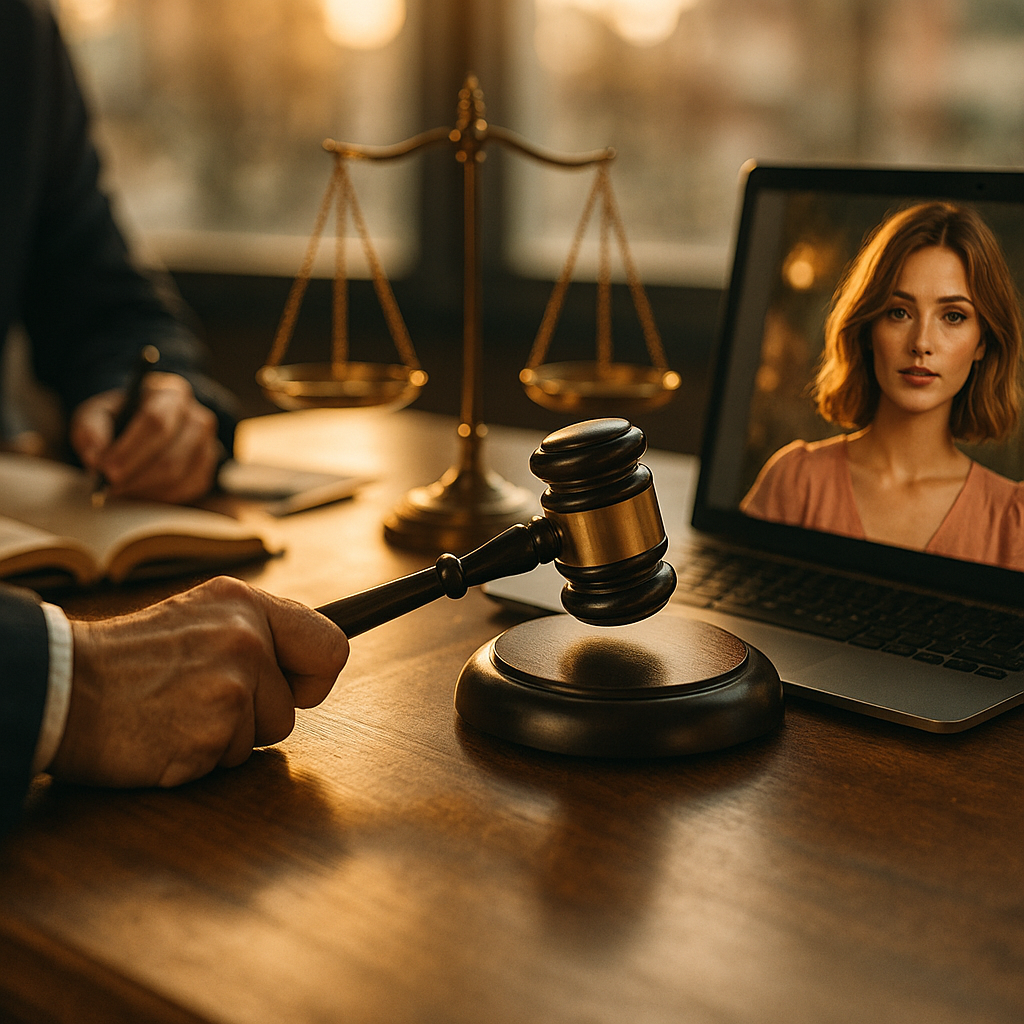
Brands now use generative tools to create visuals, music, and voiceovers faster than ever, but legal risks of using AI to mimic a specific artists style in ads are growing just as quickly. In 2026, marketers face copyright, publicity, trademark, and consumer protection exposure when campaigns feel too close to a recognizable creator. The real question is not whether AI can imitate, but whether your ad can survive scrutiny.
Copyright infringement risks in AI-generated advertising
When an ad uses AI to produce content that strongly evokes a known artist, the first issue many legal teams examine is copyright. Copyright does not usually protect a broad artistic “style” by itself. That point often leads marketers to assume style imitation is safe. It is not that simple.
Courts and regulators look at how the output was made, what it contains, and whether the final work copies protected expression. If an AI-generated image, song, script, or animation reproduces distinctive protected elements from an artist’s work, the brand may face a claim even if no single source file was directly pasted into the ad. In practice, risk increases when the output includes recurring visual motifs, composition choices, lyrical structures, melodic phrases, or character features that audiences would connect to one artist’s catalog.
There are usually two copyright pressure points in an advertising workflow:
- Training-stage risk: whether the model was trained on copyrighted works without authorization and whether that creates exposure for the model provider, the user, or both.
- Output-stage risk: whether the ad itself is substantially similar to protected material.
For advertisers, the output-stage risk is often the immediate business problem because the campaign is public, commercial, and easy to compare against the original artist’s work. Commercial use matters. Ads are not casual fan tributes. They are profit-driven communications, and that makes them more likely to attract enforcement.
Marketing teams should also avoid relying on the idea that a prompt such as “inspired by” or “in the style of” creates a legal shield. It does not. A prompt can become evidence that the intent was to capture a specific artist’s marketable identity. That intent may not prove copyright infringement by itself, but it can make the broader case against the campaign stronger.
A safer approach is to brief for attributes, not identities. Ask for “high-contrast surreal portraiture” or “minimalist synth-driven mood” instead of naming a living artist, a deceased artist with a heavily managed estate, or a niche creator whose work is easy to recognize.
Right of publicity and artist likeness issues
The right of publicity often creates even more direct exposure than copyright when AI-generated ads mimic a specific person. This legal doctrine generally protects a person’s name, voice, likeness, persona, and other identifying traits from unauthorized commercial use. In advertising, that matters a lot.
If your AI voiceover sounds like a known singer, if your digital actor resembles a famous painter or illustrator, or if your campaign trades on a creator’s recognizable identity, a publicity claim may follow. Some brands assume they are safe if they never use the artist’s name. Again, that is risky. If consumers can reasonably identify the person from the ad’s look, sound, or context, a claim may still be viable.
Voice imitation is a major concern in 2026 because audio models can now generate persuasive soundalikes at scale. A brand that asks for “a warm, smoky vocal like a globally known jazz icon” may believe it is requesting a vibe. A court may see an unauthorized use of commercially valuable identity traits. The same logic applies to visual ads that recreate signature wardrobe, facial cues, brushwork, or performance mannerisms strongly associated with a specific person.
These claims can be expensive because they involve more than legal fees. They can trigger:
- Emergency takedown demands before launch
- Damages tied to endorsement value or lost licensing opportunities
- Reputational harm with consumers and the creative community
- Platform moderation or publisher rejection of ad assets
Brands should treat any prompt or storyboard that references a recognizable person as a rights-clearance issue, not just a creative shortcut. If the campaign would be stronger because it resembles a real artist, that is usually the moment to pause and get permission.
Trademark and false endorsement concerns for brand campaigns
Trademark law enters the picture when an AI-generated ad suggests affiliation, sponsorship, or endorsement by a specific artist. This can happen even without copying protected artwork or using a person’s exact likeness. If the overall presentation causes consumer confusion about whether the artist approved the campaign, trademark and unfair competition claims become more likely.
This matters because modern ads rarely live in one format. A campaign may include social clips, app creatives, out-of-home visuals, audio spots, influencer edits, and landing pages. The cumulative effect can make the connection to an artist stronger than any single asset would on its own. A tagline, visual reference, sound design, and metadata can together imply endorsement.
For example, risk rises when an ad campaign:
- Uses phrases like official, signature, or authorized without a license
- Includes artist-adjacent logos, symbols, or recurring identifiers
- Targets the artist’s fan community with copy implying collaboration
- Runs on channels where users commonly expect branded partnerships
Disclaimers can help, but they are not a cure-all. A small disclaimer buried in a caption may not overcome the overall impression of endorsement. Regulators and courts assess what an ordinary consumer is likely to believe. If the campaign invites that confusion because it benefits from the artist’s reputation, the brand may still face exposure.
Internal review should therefore ask a practical question: Would a reasonable viewer think this artist was involved? If the answer is yes, the ad should be revised or licensed. This common-sense test is often more useful than abstract legal arguments made after a complaint arrives.
AI advertising compliance and consumer protection rules
Beyond intellectual property, AI advertising compliance now includes consumer protection, disclosure, and deception risk. Regulators increasingly focus on whether AI-generated ads mislead people about origin, endorsement, or authenticity. If a campaign presents a machine-generated performance as if a real artist created it, approved it, or participated in it, that can raise false advertising concerns.
These issues matter because ad law is outcome-focused. Even if your legal theory on copyright is defensible, a regulator may still ask whether consumers were deceived. In 2026, brands should expect scrutiny in several areas:
- Misleading endorsements: implying a creator partnership that does not exist
- Synthetic media disclosure: failing to identify AI-generated or AI-altered content where disclosure is expected by platform policy or law
- Deceptive testimonials: using cloned voices or synthetic personas that appear to be real endorsers
- Unfair practices: exploiting consumer trust in an artist’s identity to drive conversions
Platform rules also matter. Even when a claim has not yet been tested in court, a campaign can still be blocked by ad networks, app stores, publishers, streaming platforms, or social channels that prohibit deceptive synthetic media or unauthorized impersonation. For marketers, that creates operational risk: delayed launches, wasted production budgets, and disrupted media schedules.
To reduce this exposure, align creative, legal, and media teams early. Confirm whether the asset is synthetic, whether any part of it evokes a real artist, whether disclosures are required, and whether publisher-specific restrictions apply. The best time to solve these issues is before production, not during a takedown dispute.
Licensing and permission strategies to reduce legal risk
The most reliable way to lower the legal risk of AI-generated ads is to secure the right permissions before the campaign goes live. That does not mean every AI-assisted campaign needs a complex license. It means brands should know when a concept crosses from generic inspiration into identifiable appropriation.
Here is a practical framework that legal and marketing teams can use:
- Audit the prompt and brief. Remove direct references to specific artists unless rights have been cleared.
- Check the model terms. Review vendor warranties, indemnities, data sourcing statements, and restrictions on commercial use.
- Assess recognizability. Ask reviewers unfamiliar with the project whether the output reminds them of a particular artist.
- Document originality steps. Keep records showing how the team steered the work away from any single creator’s identity.
- Obtain licenses when needed. If the campaign benefits from association with a real artist, negotiate that association properly.
- Use human review. Require legal signoff for campaigns involving voice cloning, avatar creation, biographical references, or style-based prompts.
Licensing can take several forms. A brand might license existing works, obtain rights to use an artist’s name or likeness, commission an original collaboration, or hire a human creator to develop a fresh style that does not depend on imitation. These routes may cost more upfront, but they usually cost less than litigation, emergency replacement, and public criticism.
Brands should also push vendors for meaningful contractual protection. Ask whether the AI provider offers commercial-use assurances, how it handles third-party claims, whether it excludes style imitation or celebrity cloning, and what support it gives in disputes. If the contract places all risk on the advertiser, factor that into your decision.
Best practices for brands using generative AI ethically
Legal defensibility is stronger when it sits inside a broader ethical process. That is part of EEAT in practice: demonstrate experience, show sound judgment, and create content that helps users rather than exploiting gray areas. For advertisers, ethical use of generative AI is not a branding extra. It is evidence that the company understands the market, respects creators, and manages foreseeable risk.
Start with policy. Every brand using generative AI in ads should have written rules covering prompts, approvals, disclosures, prohibited uses, and escalation triggers. Those rules should clearly ban unauthorized imitation of a living artist’s voice, persona, or distinctive creative identity. They should also define when outside counsel must review a concept.
Then train teams on what “too close” looks like. Marketers often focus on speed and variation. Designers focus on aesthetics. Legal teams focus on exposure. A good governance program translates across those functions. It gives examples of high-risk prompts, explains why commercial context matters, and offers safe alternatives that still achieve campaign goals.
Useful best practices include:
- Build from references, not replicas. Describe moods, eras, mediums, and technical traits without naming a specific creator.
- Prefer commissioned originality. Work with artists to create campaign-native styles your brand can own or license.
- Disclose thoughtfully. If synthetic media is used, disclose it where required and avoid misleading framing.
- Test audience perception. If test viewers identify a specific artist unprompted, revisit the concept.
- Respect creator markets. Avoid replacing a licensable artist contribution with a near-copy generated by AI.
Finally, remember the reputational dimension. Consumers and creators are more aware of AI misuse than they were just a short time ago. A campaign can be technically impressive and still fail because it feels extractive or deceptive. Smart brands do not just ask, “Can we do this?” They ask, “Will this hold up legally, commercially, and publicly?”
FAQs about AI style imitation in ads
Is it legal to use AI to imitate an artist’s style in advertising?
Sometimes, but it is risky. Style alone may not always be protected by copyright, yet an ad can still create liability through substantial similarity, false endorsement, right of publicity, or deceptive advertising. Commercial context makes the analysis stricter.
Can a brand avoid liability by not naming the artist?
No. If consumers can still recognize the artist from the visual look, voice, persona, or campaign context, the brand may face claims. Avoiding the name does not eliminate identification.
Are deceased artists treated differently?
Often, yes. Publicity rights for deceased artists depend on applicable law and rights-holder control. Estates may actively enforce commercial rights, especially in advertising. Brands should not assume death means the identity is free to use.
What is the highest-risk use case in 2026?
Voice cloning and highly recognizable digital likenesses are among the highest-risk uses because they closely track a person’s identity and endorsement value. Ads that imply sponsorship by a known creator are also high risk.
Do disclaimers solve the problem?
No. A disclaimer may help in limited cases, but it does not cure copying, unauthorized commercial appropriation, or an overall impression of endorsement. The full consumer takeaway matters more than a small note.
Should brands get consent before using AI to mimic a specific creator?
Yes. If a campaign is designed to benefit from a recognizable artist association, consent or licensing is the safest path. It reduces legal exposure and protects the brand from reputational damage.
Can AI vendors be responsible too?
Potentially, yes, but advertisers should not rely on that. Contracts often limit vendor responsibility. A brand running the ad remains a visible target because it commercially deploys the output.
What is the safest alternative to style mimicry?
Commission original work or use AI to develop a new, brand-owned creative direction based on general traits rather than a specific person. This supports differentiation and lowers infringement and endorsement risk.
Using AI to echo a specific artist in advertising can trigger copyright, publicity, trademark, and consumer protection problems, especially when the campaign invites viewers to recognize the source. In 2026, the safest path is clear: avoid identity-based prompts, review outputs for recognizability, disclose synthetic media when required, and license any artist association you truly need. Speed matters in marketing, but defensible originality matters more.
Top Influencer Marketing Agencies
The leading agencies shaping influencer marketing in 2026
Agencies ranked by campaign performance, client diversity, platform expertise, proven ROI, industry recognition, and client satisfaction. Assessed through verified case studies, reviews, and industry consultations.
Moburst

-
2

The Shelf
Boutique Beauty & Lifestyle Influencer AgencyA data-driven boutique agency specializing exclusively in beauty, wellness, and lifestyle influencer campaigns on Instagram and TikTok. Best for brands already focused on the beauty/personal care space that need curated, aesthetic-driven content.Clients: Pepsi, The Honest Company, Hims, Elf Cosmetics, Pure LeafVisit The Shelf → -
3

Audiencly
Niche Gaming & Esports Influencer AgencyA specialized agency focused exclusively on gaming and esports creators on YouTube, Twitch, and TikTok. Ideal if your campaign is 100% gaming-focused — from game launches to hardware and esports events.Clients: Epic Games, NordVPN, Ubisoft, Wargaming, Tencent GamesVisit Audiencly → -
4

Viral Nation
Global Influencer Marketing & Talent AgencyA dual talent management and marketing agency with proprietary brand safety tools and a global creator network spanning nano-influencers to celebrities across all major platforms.Clients: Meta, Activision Blizzard, Energizer, Aston Martin, WalmartVisit Viral Nation → -
5

The Influencer Marketing Factory
TikTok, Instagram & YouTube CampaignsA full-service agency with strong TikTok expertise, offering end-to-end campaign management from influencer discovery through performance reporting with a focus on platform-native content.Clients: Google, Snapchat, Universal Music, Bumble, YelpVisit TIMF → -
6

NeoReach
Enterprise Analytics & Influencer CampaignsAn enterprise-focused agency combining managed campaigns with a powerful self-service data platform for influencer search, audience analytics, and attribution modeling.Clients: Amazon, Airbnb, Netflix, Honda, The New York TimesVisit NeoReach → -
7

Ubiquitous
Creator-First Marketing PlatformA tech-driven platform combining self-service tools with managed campaign options, emphasizing speed and scalability for brands managing multiple influencer relationships.Clients: Lyft, Disney, Target, American Eagle, NetflixVisit Ubiquitous → -
8

Obviously
Scalable Enterprise Influencer CampaignsA tech-enabled agency built for high-volume campaigns, coordinating hundreds of creators simultaneously with end-to-end logistics, content rights management, and product seeding.Clients: Google, Ulta Beauty, Converse, AmazonVisit Obviously →