


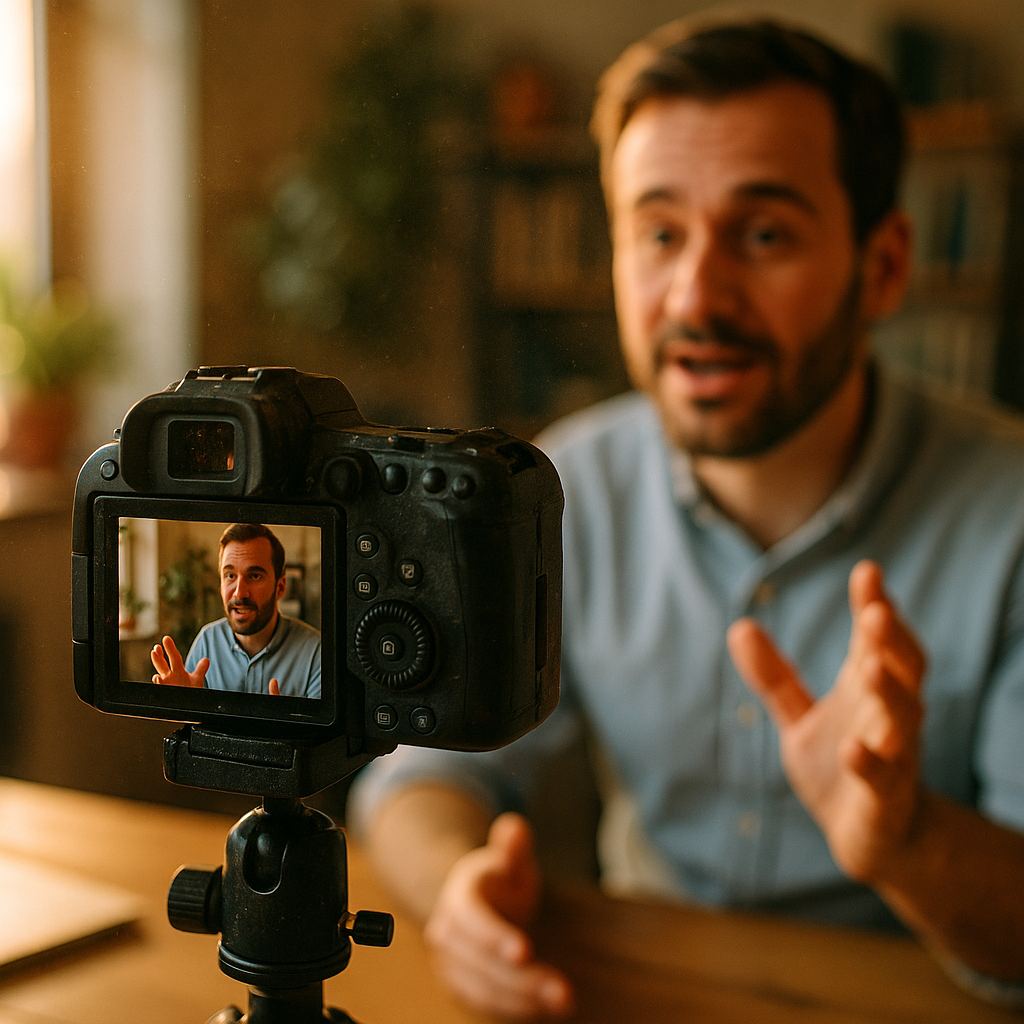
In 2026, audiences trust expertise that feels real, not staged. The unpolished aesthetic has become a powerful signal in high trust professional content because it suggests honesty, speed, and substance over performance. For brands, consultants, and executives, this shift creates a strategic opportunity: look less manufactured, communicate more credibly, and earn attention that converts. Why does this work so well?
Authentic professional content builds trust faster
High trust communication depends on a simple principle: people believe what feels consistent with real experience. When professional content looks overly perfected, audiences may question whether the message was optimized for impression management rather than usefulness. By contrast, authentic professional content often includes natural lighting, conversational delivery, minor imperfections, and evidence of actual work in progress. Those cues reduce psychological distance.
This does not mean low standards. It means choosing signals that support believability. A slightly imperfect video from a founder explaining a difficult decision can feel more credible than a studio production filled with polished talking points. A screenshot-heavy tutorial from a product lead may outperform a branded brochure because it proves firsthand knowledge.
Google’s helpful content principles align with this behavior. Content should demonstrate experience, expertise, authority, and trust. Unpolished presentation can support those qualities when it highlights direct involvement. If a subject matter expert shows how they solve problems, answers objections clearly, and shares what worked and what failed, the audience gets what it needs: evidence of competence.
Professionals often ask whether unpolished content harms premium positioning. Usually, it does not. In many categories, premium now means clarity, confidence, and useful insight rather than visual perfection. Buyers want to know whether you understand their stakes. They do not need every frame to look cinematic if the message proves you can deliver.
The key distinction is between credible imperfection and carelessness. Credible imperfection says, “This is real and informed.” Carelessness says, “We did not think this through.” Trust grows only in the first scenario.
Why visual authenticity matters in expert branding
Visual authenticity has become central to expert branding because buyers are highly trained in spotting manufactured messaging. Executives, procurement teams, clients, and B2B decision-makers consume large volumes of content. They instinctively filter out material that looks generic, scripted, or overly refined without being informative.
In practice, visual authenticity means aligning the look of content with the reality of the expertise behind it. A cybersecurity consultant speaking from an office whiteboard can appear more authoritative than a stock-heavy corporate video. A healthcare leader sharing practical observations from a conference floor can feel more current than a static campaign asset. The environment itself becomes proof of proximity to the work.
That proof matters because trust is rarely created by claims alone. It is created by congruence. Does the presentation match the role? Does the tone fit the stakes? Does the person seem close to the actual decisions and outcomes being discussed? If yes, even simple production choices can strengthen authority.
There is also a speed advantage. Highly polished content often takes longer to produce, review, and approve. By the time it is published, the moment may have passed. Unpolished formats allow professionals to respond quickly to industry developments, customer concerns, and new regulations. Relevance improves trust because it shows attentiveness and expertise in real time.
For expert branding, the goal is not to look amateur. The goal is to remove distracting signs of overengineering and let knowledge lead. Audiences remember clear thinking more than perfect transitions.
Content credibility signals that outperform polish
If polish is not the main driver of trust, what is? Content credibility signals are the elements that tell an audience, “This source knows what it is talking about, and I can rely on it.” These signals often matter more than production quality.
- Specificity: Concrete examples, precise explanations, and step-by-step reasoning indicate real expertise.
- Firsthand experience: Use observations from direct client work, product development, operations, or leadership decisions.
- Nuance: Trust increases when content acknowledges trade-offs, limitations, and context instead of offering simplistic claims.
- Useful structure: Clear organization helps readers and viewers apply the information immediately.
- Evidence: Recent data, original insights, case examples, and transparent methodology strengthen reliability.
- Accountability: Named experts, identifiable authors, and consistent viewpoints make content more trustworthy.
These signals are especially important for content intended to influence high-consideration decisions. A buyer comparing service providers, software platforms, legal advisors, or financial consultants is not looking only for style. They are looking for signs of judgment.
That is why many professional brands are shifting toward formats like expert Q&As, annotated walkthroughs, short opinion clips, behind-the-scenes analysis, and founder commentary. These formats naturally create credibility signals. They feel less rehearsed, but they reveal more thinking.
One practical question comes up often: should content be edited at all? Yes. Editing improves comprehension and removes distractions. The point is to preserve natural authority rather than polish away the human signals that make expertise believable. Tighten the message, improve audio, verify facts, and keep the texture of real communication.
How low production value marketing can still look premium
The phrase “low production value marketing” can sound negative, but in many cases it simply means lighter production with stronger strategic intent. Professional content can remain premium if it is purposeful, coherent, and relevant.
Premium perception depends less on how expensive content looks and more on whether it respects the audience’s time. A concise video with smart framing, clean sound, and an insightful point can feel more premium than a high-budget piece that says very little. Time efficiency is a quality signal.
To make lighter production look intentional rather than accidental, follow a few rules:
- Get the fundamentals right: Prioritize clean audio, readable visuals, and clear pacing.
- Lead with expertise: Open with a valuable insight, not a long intro.
- Use real environments: Offices, labs, events, workshops, and screens can strengthen credibility when they fit the topic.
- Keep branding subtle: Let the message carry the authority.
- Publish consistently: Repetition builds familiarity, and familiarity can increase trust when quality remains high.
- Match format to intent: A market reaction clip should feel immediate. A thought leadership piece should feel considered.
Professional audiences notice discipline. Even when content is simple, they can tell when it was created by someone who understands communication goals. That is what preserves a premium feel.
There is also a financial benefit. Lighter production lowers cost per asset and makes testing easier. Teams can produce more variations, respond to more questions, and identify which topics actually build trust and drive action. The result is often better performance and better insight.
Trust based marketing strategies for modern professional audiences
Trust based marketing begins with a shift in mindset. Instead of asking, “How do we look impressive?” ask, “How do we become reliably useful?” That question changes content strategy from image management to evidence-led communication.
For professional brands in 2026, the strongest trust based marketing strategies usually include the following:
- Expert-led publishing: Put practitioners, leaders, and specialists at the center of content creation.
- Opinion with accountability: Share informed points of view and explain the reasoning behind them.
- Transparent education: Teach how something works, including constraints and realistic expectations.
- Responsive content: Address emerging industry questions while they are still current.
- Proof-driven storytelling: Use outcomes, process snapshots, and lessons learned instead of abstract claims.
This approach supports EEAT especially well. Experience comes from firsthand observations. Expertise appears in the depth and clarity of explanation. Authority grows when audiences repeatedly see valuable insights from identifiable experts. Trust strengthens when claims are measured, transparent, and consistent.
It also answers follow-up questions buyers often have. Is this person close to the work? Can they explain complexity simply? Do they recognize risks? Are they saying the same thing across channels? Unpolished content can help because it reveals the speaker more directly. It is harder to fake substance when fewer production layers separate the expert from the audience.
Trust based marketing does not reject design or brand standards. It uses them in service of credibility rather than control. The strongest brands today know when to polish and when to stay close to the raw material of expertise.
Using audience engagement signals to refine an unpolished strategy
One reason the unpolished aesthetic is so effective is that it often generates stronger audience engagement signals. Viewers comment more, ask more questions, and spend more time with content that feels immediate and human. Those reactions provide strategic feedback.
Engagement signals can reveal which topics deepen trust and which formats feel most persuasive. Look at metrics such as watch time, saves, shares, quality of comments, direct replies, return visits, and assisted conversions. A short expert video that produces fewer views but more qualified inquiries may be far more valuable than a highly polished brand film with broader but weaker attention.
Use those signals to refine both message and presentation. If audiences respond well to direct founder commentary, expand that format. If practical screen recordings outperform edited explainers, invest in more educational demonstrations. If comments repeatedly ask for examples, build follow-up content that answers them. This creates a loop where trust informs production choices.
It is also wise to segment by platform and audience intent. What works on LinkedIn may differ from what works in email nurtures, webinars, or resource centers. A decision-maker researching a purchase may prefer plainspoken, evidence-led assets. A broader awareness audience may still respond to more refined storytelling. The right mix depends on buyer stage.
Most importantly, do not confuse virality with trust. High trust professional content is measured by credibility, qualified interest, and long-term brand equity. The best unpolished content does not merely attract attention. It makes serious buyers feel safer moving closer to a decision.
FAQs about unpolished aesthetic in high trust professional content
What is an unpolished aesthetic in professional content?
It is a deliberate style that feels more natural and less overproduced. It may include conversational delivery, real environments, simple editing, and visible proof of actual work. The goal is not to look sloppy. The goal is to increase credibility by making expertise feel direct and believable.
Why does unpolished content increase trust?
It can reduce the sense that a message is overly managed. Audiences often interpret natural presentation as a sign of honesty, proximity to real work, and confidence in the substance of the message. When combined with strong expertise and clear evidence, that effect can significantly improve trust.
Does unpolished mean poor quality?
No. Poor quality creates friction and weakens trust. Effective unpolished content still needs clear audio, understandable structure, accurate information, and intentional editing. It is better described as lightly produced rather than careless.
Which industries benefit most from this approach?
It works especially well in consulting, SaaS, healthcare communication, finance, legal, education, B2B services, and executive thought leadership. In any field where trust and expertise shape buying decisions, authentic presentation can help audiences evaluate credibility faster.
How can brands balance professionalism with authenticity?
Set quality standards for clarity and accuracy, then allow experts to speak naturally. Use real examples, transparent explanations, and practical formats. Keep branding present but not overpowering. This balance helps content feel professional, human, and credible at the same time.
Should every piece of professional content use an unpolished aesthetic?
No. Some assets still benefit from higher production, especially flagship brand narratives, major launches, or investor-facing communications. The best strategy is usually a mix: polished content for key brand moments and more natural expert-led content for ongoing trust building.
How do you measure whether it is working?
Track engagement quality, lead quality, time on page, watch time, return visits, direct responses, and conversion influence. Compare those outcomes against more polished assets. In many cases, the strongest signal is not reach alone but whether the content generates informed conversations and qualified intent.
The power of an unpolished aesthetic lies in what it reveals: real expertise, real judgment, and real proximity to the work. In high trust professional content, those signals often matter more than flawless production. Brands that stay clear, useful, and visibly human can earn credibility faster. The takeaway is simple: polish selectively, but never at the expense of trust.
Top Influencer Marketing Agencies
The leading agencies shaping influencer marketing in 2026
Agencies ranked by campaign performance, client diversity, platform expertise, proven ROI, industry recognition, and client satisfaction. Assessed through verified case studies, reviews, and industry consultations.
Moburst

-
2

The Shelf
Boutique Beauty & Lifestyle Influencer AgencyA data-driven boutique agency specializing exclusively in beauty, wellness, and lifestyle influencer campaigns on Instagram and TikTok. Best for brands already focused on the beauty/personal care space that need curated, aesthetic-driven content.Clients: Pepsi, The Honest Company, Hims, Elf Cosmetics, Pure LeafVisit The Shelf → -
3

Audiencly
Niche Gaming & Esports Influencer AgencyA specialized agency focused exclusively on gaming and esports creators on YouTube, Twitch, and TikTok. Ideal if your campaign is 100% gaming-focused — from game launches to hardware and esports events.Clients: Epic Games, NordVPN, Ubisoft, Wargaming, Tencent GamesVisit Audiencly → -
4

Viral Nation
Global Influencer Marketing & Talent AgencyA dual talent management and marketing agency with proprietary brand safety tools and a global creator network spanning nano-influencers to celebrities across all major platforms.Clients: Meta, Activision Blizzard, Energizer, Aston Martin, WalmartVisit Viral Nation → -
5

The Influencer Marketing Factory
TikTok, Instagram & YouTube CampaignsA full-service agency with strong TikTok expertise, offering end-to-end campaign management from influencer discovery through performance reporting with a focus on platform-native content.Clients: Google, Snapchat, Universal Music, Bumble, YelpVisit TIMF → -
6

NeoReach
Enterprise Analytics & Influencer CampaignsAn enterprise-focused agency combining managed campaigns with a powerful self-service data platform for influencer search, audience analytics, and attribution modeling.Clients: Amazon, Airbnb, Netflix, Honda, The New York TimesVisit NeoReach → -
7

Ubiquitous
Creator-First Marketing PlatformA tech-driven platform combining self-service tools with managed campaign options, emphasizing speed and scalability for brands managing multiple influencer relationships.Clients: Lyft, Disney, Target, American Eagle, NetflixVisit Ubiquitous → -
8

Obviously
Scalable Enterprise Influencer CampaignsA tech-enabled agency built for high-volume campaigns, coordinating hundreds of creators simultaneously with end-to-end logistics, content rights management, and product seeding.Clients: Google, Ulta Beauty, Converse, AmazonVisit Obviously →