


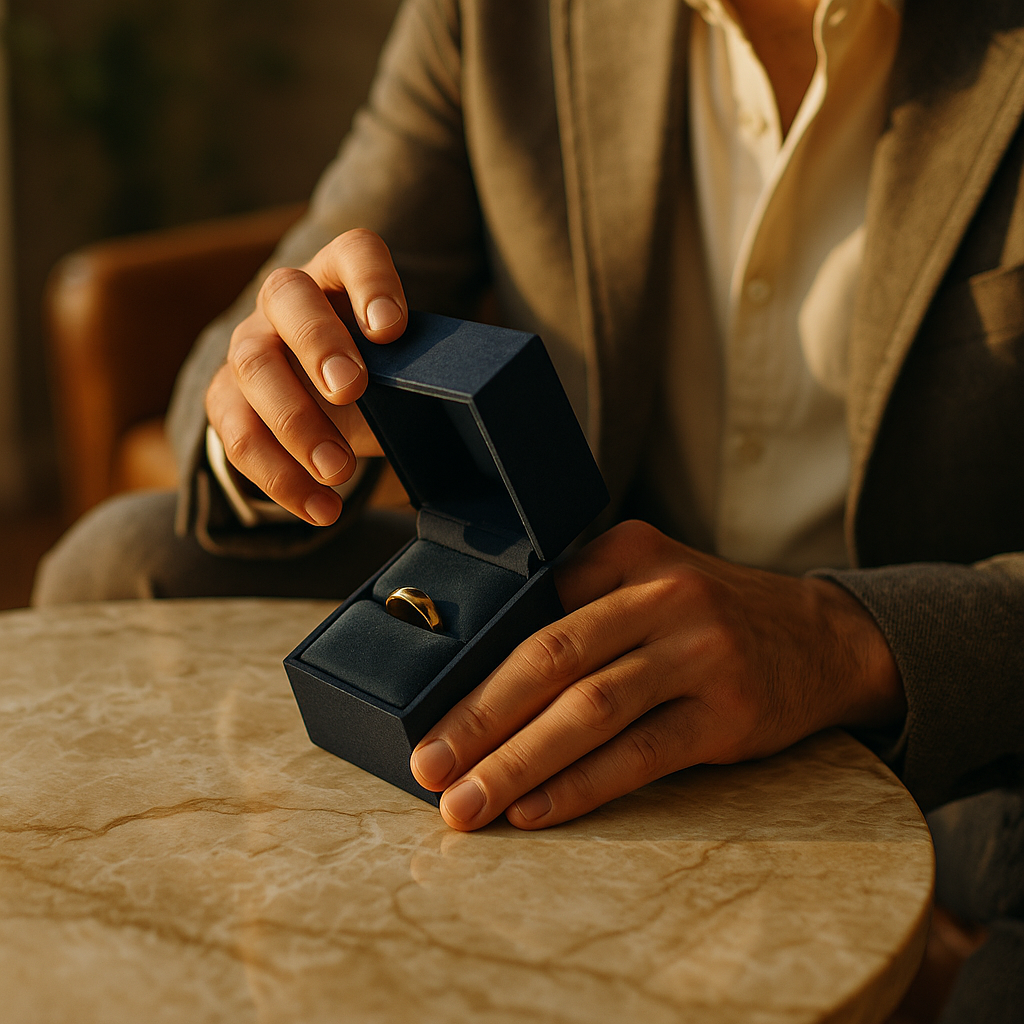
In luxury, ease is not always the goal. The psychology of friction in luxury design explains why deliberate effort, waiting, and small obstacles can increase desire, signal exclusivity, and deepen satisfaction. When every premium brand competes on polish, controlled difficulty becomes a strategic differentiator. The paradox is powerful: what feels harder can feel more valuable. Why does this work so reliably?
Luxury consumer behavior: why effort increases value
Luxury buyers rarely purchase on function alone. They buy signals, stories, identity, and emotion. That is why luxury consumer behavior often responds positively to forms of friction that mass-market design tries to remove. A waiting list, a private appointment, a hidden entrance, or a customization process with multiple decisions can all raise perceived worth.
This effect has roots in several well-established psychological principles. First, effort can amplify attachment. When people invest time, attention, or status to obtain something, they tend to value it more. Second, scarcity changes interpretation. A slow process is not always seen as inefficiency; in a luxury context, it may be read as selectiveness, craft, or limited access. Third, anticipation increases emotional intensity. Desire often peaks before acquisition, not after it.
For designers and brand leaders, the lesson is practical. Friction is not inherently bad. Meaningless friction weakens trust, but meaningful friction can strengthen prestige. Consumers ask, even if silently: Is this difficult because the brand is careless, or because the experience is curated? The answer determines whether friction feels insulting or intoxicating.
In 2026, this distinction matters more because premium audiences are highly experienced. They know what smooth digital convenience looks like. If a brand introduces a slower, more deliberate path, it must signal intention clearly. The customer must sense that the effort is part of the luxury, not a failure of the system.
- Bad friction: confusing checkout, unclear pricing, slow customer support, broken navigation
- Good friction: application-only access, concierge verification, bespoke consultation, ritualized packaging, staged reveal
The best luxury brands understand that value is not only delivered through ownership. It is also delivered through the process of earning, accessing, and understanding the product.
Perceived exclusivity: the role of scarcity, access, and delay
Perceived exclusivity is one of the strongest reasons harder can be better in luxury design. People use cues to judge rarity, and effort is one of those cues. If anyone can get a product instantly, at any time, in any quantity, it becomes harder to maintain a premium aura. Controlled access changes that equation.
Consider how luxury brands manage availability. They may limit online stock visibility, require in-store appointments, offer invitation-only previews, or create membership tiers before purchase. These are not random barriers. They shape perception. A product that requires timing, relationship, or insider knowledge feels more distinct from the ordinary flow of commerce.
Delay is especially powerful. Immediate gratification serves convenience, but delayed gratification often serves status. Waiting creates a narrative. It tells the buyer that this product is not part of the disposable economy. The pause suggests craftsmanship, quality control, or demand beyond supply. Even when consumers know a brand is orchestrating access, the structure still influences emotion.
That does not mean every delay is beneficial. The delay must be legible. A made-to-order item can command patience because the buyer understands why the timeline exists. A silent, unexplained delay triggers anxiety instead. Communication is what transforms friction into prestige.
Design teams should ask a sharper question than “How do we reduce steps?” They should ask, “Which steps create distinction?” In luxury, a slightly longer path can elevate the product if each touchpoint reinforces purpose, attention, and selectivity.
- Use scarcity signals that are credible, not exaggerated.
- Explain delays in terms of craft, curation, or service quality.
- Make access feel selective without making customers feel rejected.
- Balance mystery with clarity so friction never becomes confusion.
Exclusivity works when customers experience the brand as intentional, not obstructive. That is a subtle but decisive difference.
Luxury user experience: designing friction without creating frustration
A strong luxury user experience does not eliminate all difficulty. It choreographs difficulty. This is where many brands fail. They imitate exclusivity by adding barriers, but they do not design the emotional journey around those barriers. As a result, the customer encounters annoyance instead of elevation.
Useful friction in luxury should feel like a velvet rope, not a locked door. The customer understands there is a threshold, but also senses that crossing it will be worth the effort. This is why context, language, and service are essential. A reservation-only showroom can feel premium if the booking flow is elegant and the confirmation communicates personal attention. The same restriction feels cheap if the calendar is broken and the messaging is cold.
Luxury UX depends on three design principles:
- Intentionality: every extra step must have a reason the customer can perceive
- Reassurance: friction must be accompanied by trust signals, status cues, or concierge support
- Reward: once the customer invests effort, the payoff must feel proportionate or greater
For example, a premium watch configurator with more steps than a standard ecommerce flow can succeed if each decision teaches the buyer something about materials, heritage, or craftsmanship. The complexity becomes immersive rather than cumbersome. Likewise, an application process for limited membership can heighten desire if the copy, visual design, and follow-up make the applicant feel seen.
Brands should also segment friction. A first-time visitor may need a smoother path than a returning high-intent buyer seeking rarity. The same brand can offer fast discovery and slower acquisition. This layered approach respects both conversion needs and luxury psychology.
One practical test is simple: remove the luxury branding and ask whether the extra step still makes sense. If the answer is no, the step may still be valid, but only if the brand experience around it is strong enough to confer meaning. Otherwise, it is just bad usability wearing expensive clothes.
Brand perception psychology: rituals, craftsmanship, and status signals
Brand perception psychology helps explain why friction can intensify prestige. People do not evaluate luxury products only through price or aesthetics. They read symbolic signals. Rituals, formalities, and layered access all imply seriousness. They suggest that the brand respects its own standards enough not to collapse everything into one-click convenience.
This is especially visible in handcrafted and heritage categories. Manual processes, consultations, authentication steps, and personalized fittings create proof of care. They slow the experience down, which shifts the buyer from transactional mode into ceremonial mode. Ceremony matters because luxury is often about transformation: becoming a certain kind of person, entering a certain social code, or participating in a refined world.
Status also plays a role. Hard-to-obtain products send a different social message than easy-to-buy ones. The story of acquisition becomes part of the product’s value. Owning the item is one layer; having gained access is another. Luxury design can support this by creating controlled moments of reveal, recognition, and progression.
Examples of productive status signals include:
- Private client advisors instead of generic support channels
- Sequential unveiling of product details rather than instant full disclosure
- Hand-signed certificates or verification moments
- Structured onboarding for ownership, care, and provenance
- Limited release windows with personalized invitation paths
These experiences work because they transform a purchase into a relationship. They say: this product is not merely sold, it is bestowed, selected, or completed. That language of progression matters. It gives customers a sense of movement from outsider to insider.
However, brands should be careful not to confuse austerity with prestige. Luxury is not about making people feel unwelcome. It is about creating an experience where standards feel high and attention feels personal. The emotional target is affirmation, not exclusion for its own sake.
Premium pricing strategy: why difficult experiences can justify higher margins
A smart premium pricing strategy depends on more than cost, materials, or heritage claims. It also depends on whether the buying experience supports the price. If a brand asks for premium margins while delivering the same low-friction convenience as the mass market, it risks flattening its own distinctiveness.
Controlled friction helps align process with price. It gives consumers additional evidence that the product lives in a different category. A consultation, a wait period, a handoff from stylist or advisor, and a tailored follow-up all indicate that the brand is not competing on speed alone. That reinforces willingness to pay.
Importantly, price justification in luxury is emotional before it is rational. Buyers want reasons, but they also want feelings: anticipation, confidence, recognition, and pride. Friction can create these feelings by slowing the moment of acquisition and enlarging the meaning around it.
There are also operational advantages. Brands that use friction strategically can filter for intent. Appointment gates, deposit systems, application-only programs, and staged customization reduce low-quality demand and focus resources on customers with stronger purchase readiness. That can improve service quality and protect brand equity at the same time.
Still, higher margins are not guaranteed by making things harder. Friction only supports price when three conditions are present:
- The brand promise is clear. Customers understand the product’s premium position.
- The friction matches the promise. The added effort signals care, rarity, or expertise.
- The outcome feels superior. The product and service validate the investment.
If any of these conditions fail, the price looks inflated and the friction feels manipulative. Luxury customers are demanding, not passive. They reward confidence and coherence, but they punish empty theater.
Luxury branding strategy: how to apply good friction in digital and physical design
A resilient luxury branding strategy treats friction as a design tool, not a default setting. The goal is not to make every interaction slower. The goal is to identify where resistance can deepen value and where simplicity should remain untouched.
In digital design, good friction often appears in access control, personalization, storytelling, and service escalation. Examples include private shopping portals, gated product drops, curated onboarding, or advisor-led purchase paths for high-value items. The digital environment should still feel technically flawless. Slow is acceptable; broken is not.
In physical spaces, friction often takes the form of appointments, spatial thresholds, tactile rituals, and guided interactions. A discreet entrance, a seated consultation, a formal product presentation, or a deliberate unboxing moment can all increase perceived significance. These signals tell the customer that the experience deserves attention.
To implement this well, teams should use a simple framework:
- Map the customer journey: identify moments where speed matters and moments where ceremony matters
- Define the purpose of friction: scarcity, personalization, craft education, qualification, or emotional buildup
- Support each barrier with explanation: tell customers why the step exists
- Provide a human fallback: concierge support prevents friction from becoming abandonment
- Measure the right outcomes: not just conversion rate, but average order value, repeat purchase quality, referral strength, and brand sentiment
Follow-up questions naturally arise here. Will friction hurt sales? It can, if used carelessly. But well-placed friction often improves the quality of sales and strengthens long-term loyalty. Can luxury brands use friction online without looking outdated? Yes, if the interface remains elegant, the rationale is clear, and the premium payoff is obvious. Should every luxury brand do this? No. The approach fits best where rarity, craftsmanship, status, or service depth are central to the value proposition.
The core insight is simple: luxury should not copy the logic of mass efficiency at every step. It should decide where ease serves trust and where effort serves desire.
FAQs about friction in luxury design
What is friction in luxury design?
Friction in luxury design refers to deliberate obstacles or slower steps in the customer journey, such as waiting lists, appointments, application processes, or guided consultations. When designed well, these elements increase exclusivity, anticipation, and perceived value.
Why does harder sometimes feel better in luxury?
Because effort can intensify desire and attachment. When customers invest time or energy, they often value the outcome more. In luxury, that effort also signals rarity, quality, and social distinction.
What is the difference between good friction and bad friction?
Good friction feels intentional and rewarding. It supports the brand story and enhances prestige. Bad friction feels accidental, confusing, or careless, such as broken checkout flows, poor communication, or unnecessary delays without explanation.
Can friction improve conversion rates?
It may reduce low-intent conversions while improving high-intent outcomes. For luxury brands, better metrics often include average order value, client quality, retention, and brand equity, not just raw conversion volume.
How can digital luxury brands use friction effectively?
They can use gated access, personalized consultations, invitation-only launches, staged storytelling, and concierge support. The key is maintaining technical excellence while making the journey feel curated rather than inconvenient.
Does friction only work for ultra-luxury brands?
No, but it works best when the brand already has a credible premium position. Contemporary premium brands can use lighter forms of friction, such as curated onboarding or limited access drops, to signal distinction without overreaching.
How should brands test friction without damaging the customer experience?
Test small, purposeful changes in high-value moments. Measure not only abandonment, but also engagement depth, repeat purchase behavior, service satisfaction, and perceived exclusivity. Pair every experiment with clear communication and support.
Luxury succeeds by shaping meaning, not just removing obstacles. The strongest brands know that convenience has limits when the goal is desire, distinction, and emotional depth. Friction, used with precision, can turn a purchase into a pursuit and a product into a prize. The takeaway for 2026 is clear: make the wrong things easy, and value falls; make the right things harder, and value rises.
Top Influencer Marketing Agencies
The leading agencies shaping influencer marketing in 2026
Agencies ranked by campaign performance, client diversity, platform expertise, proven ROI, industry recognition, and client satisfaction. Assessed through verified case studies, reviews, and industry consultations.
Moburst

-
2

The Shelf
Boutique Beauty & Lifestyle Influencer AgencyA data-driven boutique agency specializing exclusively in beauty, wellness, and lifestyle influencer campaigns on Instagram and TikTok. Best for brands already focused on the beauty/personal care space that need curated, aesthetic-driven content.Clients: Pepsi, The Honest Company, Hims, Elf Cosmetics, Pure LeafVisit The Shelf → -
3

Audiencly
Niche Gaming & Esports Influencer AgencyA specialized agency focused exclusively on gaming and esports creators on YouTube, Twitch, and TikTok. Ideal if your campaign is 100% gaming-focused — from game launches to hardware and esports events.Clients: Epic Games, NordVPN, Ubisoft, Wargaming, Tencent GamesVisit Audiencly → -
4

Viral Nation
Global Influencer Marketing & Talent AgencyA dual talent management and marketing agency with proprietary brand safety tools and a global creator network spanning nano-influencers to celebrities across all major platforms.Clients: Meta, Activision Blizzard, Energizer, Aston Martin, WalmartVisit Viral Nation → -
5

The Influencer Marketing Factory
TikTok, Instagram & YouTube CampaignsA full-service agency with strong TikTok expertise, offering end-to-end campaign management from influencer discovery through performance reporting with a focus on platform-native content.Clients: Google, Snapchat, Universal Music, Bumble, YelpVisit TIMF → -
6

NeoReach
Enterprise Analytics & Influencer CampaignsAn enterprise-focused agency combining managed campaigns with a powerful self-service data platform for influencer search, audience analytics, and attribution modeling.Clients: Amazon, Airbnb, Netflix, Honda, The New York TimesVisit NeoReach → -
7

Ubiquitous
Creator-First Marketing PlatformA tech-driven platform combining self-service tools with managed campaign options, emphasizing speed and scalability for brands managing multiple influencer relationships.Clients: Lyft, Disney, Target, American Eagle, NetflixVisit Ubiquitous → -
8

Obviously
Scalable Enterprise Influencer CampaignsA tech-enabled agency built for high-volume campaigns, coordinating hundreds of creators simultaneously with end-to-end logistics, content rights management, and product seeding.Clients: Google, Ulta Beauty, Converse, AmazonVisit Obviously →