


When a Dead Platform Becomes Your Best Campaign Asset
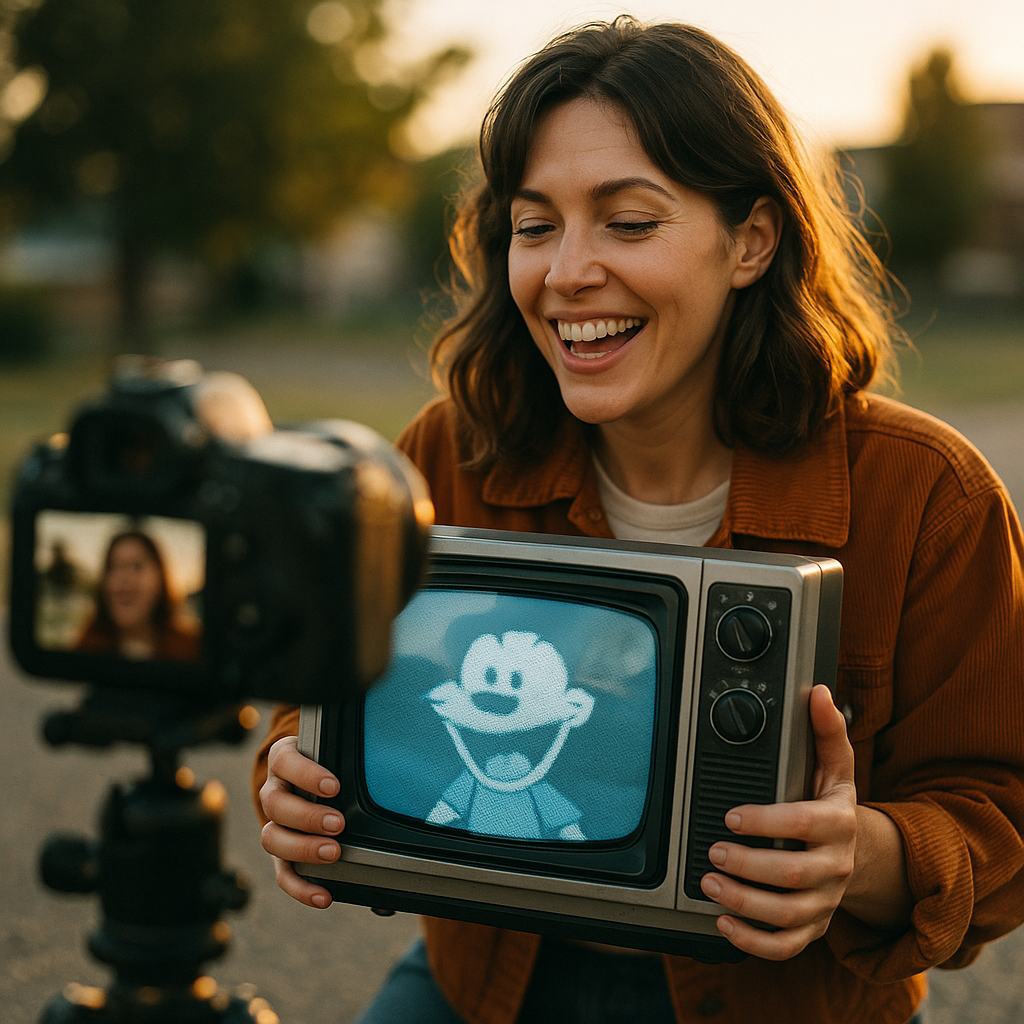
Seventy-eight percent of Gen Z and millennial consumers say nostalgia positively influences their purchasing decisions, according to Statista research. That stat alone should make every brand strategist rethink their creator shortlists. When Del Taco quietly reunited with a creator who first went viral on Vine — a platform that died nearly a decade ago — the QSR chain didn’t just book a sponsorship. It deployed nostalgic creator revivals as a deliberate brand strategy, turning cultural memory into measurable campaign performance.
The playbook is more nuanced than “hire someone famous from the past.” Here’s what it actually teaches marketers about leveraging platform nostalgia for modern ROI.
Why Cultural Memory Outperforms Attention-Buying
Most influencer campaigns compete on one axis: attention. More impressions, more reach, more eyeballs. But attention is commoditized. Every brand with a budget can buy it. Cultural memory operates differently.
When Del Taco brought back a creator whose six-second Vine clips had become internet folklore, they activated something no media buy can replicate — shared emotional context. The audience didn’t just recognize the creator. They recognized themselves, their younger selves, the era they were scrolling through during high school or college. That recognition triggers what psychologists call “nostalgic affect,” a warm emotional state that lowers skepticism and increases brand receptivity.
Nostalgic creator partnerships don’t just borrow the creator’s audience — they borrow the audience’s emotional history. That’s a fundamentally different value proposition than reach.
This is why the Del Taco campaign reportedly outperformed the brand’s other creator activations in engagement rate and cost-per-engagement by significant margins. The creator’s follower count wasn’t the largest in the campaign roster. The emotional resonance was.
Brands like HubSpot have documented how emotional marketing consistently outperforms rational messaging in conversion metrics. Nostalgia is one of the most reliable emotional triggers available — and pairing it with a recognizable human face makes it concrete, not abstract.
The Del Taco Playbook, Deconstructed
Let’s be specific about what Del Taco actually did and why each decision matters for marketers considering similar strategies.
They chose a creator with platform-specific fame, not cross-platform celebrity. The creator was iconic on Vine. Not on television, not in film. This distinction is critical. Platform-specific fame carries platform-specific nostalgia. When audiences encounter that creator in a modern context — say, a TikTok or Instagram Reel — the cognitive dissonance is itself engaging. “Wait, I remember them from Vine” becomes the hook before the brand message even lands.
They let the creator’s original voice lead. Del Taco didn’t hand over a corporate script. The campaign content echoed the creator’s original comedic style — the quick cuts, the absurdist humor, the low-production energy that defined early Vine. This authenticity preserved the nostalgia trigger. Over-produced content would have broken the spell.
They timed it against a cultural moment. The reunion coincided with broader internet discourse about “the Vine era” — compilations, retrospectives, and meme cycles that periodically resurface on TikTok and YouTube. Del Taco didn’t create the nostalgia wave. They surfed it.
For marketers evaluating creator compensation models, this approach has interesting budget implications. Vine-era creators who didn’t transition to mega-influencer status often command lower rates than current platform-native stars — while delivering disproportionate engagement through the nostalgia premium.
How to Identify the Right “Revival” Creator for Your Brand
Not every dormant creator is a good fit. Some faded for a reason. Here’s the evaluation framework that separates strategic nostalgia from desperate throwbacks:
- Cultural footprint check. Search the creator’s name on TikTok, Reddit, and YouTube. Are people still referencing their old content? Compilation views matter more than the creator’s current follower count. If the cultural memory is alive, the revival has fuel.
- Brand-values alignment. Why did the creator originally resonate? If it was shock value or controversy, the nostalgia you’d activate could carry reputational risk. Review their archive carefully. Brands need to understand how viral misinformation crises can spiral before partnering with any creator who has a complicated history.
- Platform translation potential. A Vine creator’s comedy style needs to work on modern short-form platforms. Six-second timing translates surprisingly well to TikTok and Reels — but verify this with test content before committing to a full campaign.
- Audience overlap analysis. The creator’s nostalgic audience has aged. A Vine star from 2014 now speaks to a 25-35 demographic — which may or may not align with your target. Use tools like SparkToro or social listening platforms to map the overlap.
- Willingness and creative energy. Some creators left the spotlight intentionally. A reluctant comeback reads as inauthentic. The best revival campaigns feature creators who are genuinely excited to re-engage.
Measuring ROI on Nostalgia-Driven Campaigns
Here’s where most brand teams stumble. Standard influencer KPIs — impressions, clicks, conversions — capture part of the picture. But nostalgic creator revivals generate disproportionate value in metrics that traditional dashboards underweight.
Earned media and organic amplification. Revival campaigns trigger press coverage and organic social sharing that pure influencer campaigns rarely achieve. When Del Taco’s reunion surfaced, marketing trade publications covered it. Fans shared it not because of the brand, but because of the creator. Track earned media value separately.
Comment sentiment depth. Don’t just count comments. Read them. Nostalgia campaigns generate qualitatively different engagement: personal stories, “I remember when” threads, emotional responses. This signals deep brand association that compounds over time.
Search lift. Monitor branded search volume during and after the campaign. Nostalgia-driven activations often produce search spikes as audiences reconnect with both the creator and the brand. Tools from Semrush or Google Trends can quantify this.
For teams building more sophisticated measurement frameworks, AI-powered attribution systems can help connect these softer engagement signals to downstream revenue — essential for proving the business case to CFOs who want harder numbers.
If your measurement framework only captures last-click attribution, you’ll systematically undervalue nostalgia campaigns. Build for multi-touch, or you’ll kill your best-performing strategy with bad data.
Risks and Guardrails Worth Knowing
This strategy isn’t risk-free. A few landmines to navigate:
The “try-hard” trap. Nostalgia only works when it feels organic. If the audience senses that a brand is cynically exploiting their memories, the backlash is swift and loud. The execution must feel like a reunion, not a transaction.
FTC compliance still applies. Just because a creator is beloved doesn’t exempt them from FTC disclosure requirements. Material connections must be clearly disclosed, regardless of how nostalgic the content feels. Brief your legal team and your creator simultaneously.
Diminishing returns on repeat use. A reunion works once, maybe twice. After that, it becomes a recurring bit that loses the nostalgic spark. Plan for a concentrated burst — not a long-term ambassadorship — unless the creator genuinely transitions into an ongoing brand relationship with fresh creative angles.
Brands that have successfully managed the transition from traditional formats to social video understand this principle well: format novelty has a half-life. Use it strategically.
What This Means for Your Next Campaign Brief
The broader lesson from Del Taco’s Vine-era revival isn’t about one QSR brand or one dead platform. It’s about recognizing that creator value isn’t only forward-looking. The past is an asset class.
Every platform era — Vine, early YouTube, peak Tumblr, MySpace, even early TikTok — has produced creators with dormant but potent cultural equity. As those audiences age into higher spending power, the arbitrage opportunity grows. You’re reaching an emotionally primed audience at creator rates that don’t reflect the true engagement potential.
This is especially relevant for brands in CPG, QSR, entertainment, and lifestyle — categories where emotional connection drives trial and loyalty more than rational feature comparison.
Your concrete next step: Audit your target demographic’s platform history. Identify three to five creators from the platform era that shaped your audience’s formative years. Run a cultural footprint check. Then brief your creative team on a reunion concept that honors the creator’s original voice while serving your brand’s current objectives. The nostalgia is already there — your job is to give it a stage.
FAQs
What are nostalgic creator revivals in influencer marketing?
Nostalgic creator revivals involve partnering with creators who gained fame on earlier or defunct platforms — like Vine, early YouTube, or MySpace — and reintroducing them in modern campaigns. The strategy leverages the audience’s emotional connection to a specific cultural era, generating higher engagement through shared memory rather than pure reach.
Why do nostalgia-driven influencer campaigns outperform standard creator partnerships?
Nostalgia triggers a warm emotional state that lowers audience skepticism and increases brand receptivity. When audiences recognize a creator from their formative years, they engage more deeply — not just with the creator, but with the brand message attached to that emotional response. This typically results in higher engagement rates, more organic sharing, and stronger comment sentiment.
How should brands measure ROI on nostalgic creator campaigns?
Beyond standard KPIs like impressions and click-through rates, brands should track earned media value from organic press and social sharing, comment sentiment depth, branded search volume lift, and multi-touch attribution. Last-click models will undervalue these campaigns because much of their impact occurs through brand recall and emotional association rather than immediate conversion.
What risks should marketers consider with creator revival strategies?
Key risks include appearing inauthentic or cynically exploitative of audience memories, failing to comply with FTC disclosure requirements, partnering with creators who have problematic content histories, and overusing the tactic to the point of diminishing returns. Brands should conduct thorough archive reviews and plan for concentrated campaign bursts rather than extended ambassadorships.
Which types of brands benefit most from nostalgic creator partnerships?
Brands in CPG, QSR, entertainment, and lifestyle categories see the strongest results because these industries rely on emotional connection to drive trial and loyalty. Any brand targeting millennials or Gen Z audiences — demographics with strong platform-era memories — can benefit, provided the creator’s original persona aligns with the brand’s values and target demographic.
Top Influencer Marketing Agencies
The leading agencies shaping influencer marketing in 2026
Agencies ranked by campaign performance, client diversity, platform expertise, proven ROI, industry recognition, and client satisfaction. Assessed through verified case studies, reviews, and industry consultations.
Moburst

-
2

The Shelf
Boutique Beauty & Lifestyle Influencer AgencyA data-driven boutique agency specializing exclusively in beauty, wellness, and lifestyle influencer campaigns on Instagram and TikTok. Best for brands already focused on the beauty/personal care space that need curated, aesthetic-driven content.Clients: Pepsi, The Honest Company, Hims, Elf Cosmetics, Pure LeafVisit The Shelf → -
3

Audiencly
Niche Gaming & Esports Influencer AgencyA specialized agency focused exclusively on gaming and esports creators on YouTube, Twitch, and TikTok. Ideal if your campaign is 100% gaming-focused — from game launches to hardware and esports events.Clients: Epic Games, NordVPN, Ubisoft, Wargaming, Tencent GamesVisit Audiencly → -
4

Viral Nation
Global Influencer Marketing & Talent AgencyA dual talent management and marketing agency with proprietary brand safety tools and a global creator network spanning nano-influencers to celebrities across all major platforms.Clients: Meta, Activision Blizzard, Energizer, Aston Martin, WalmartVisit Viral Nation → -
5

The Influencer Marketing Factory
TikTok, Instagram & YouTube CampaignsA full-service agency with strong TikTok expertise, offering end-to-end campaign management from influencer discovery through performance reporting with a focus on platform-native content.Clients: Google, Snapchat, Universal Music, Bumble, YelpVisit TIMF → -
6

NeoReach
Enterprise Analytics & Influencer CampaignsAn enterprise-focused agency combining managed campaigns with a powerful self-service data platform for influencer search, audience analytics, and attribution modeling.Clients: Amazon, Airbnb, Netflix, Honda, The New York TimesVisit NeoReach → -
7

Ubiquitous
Creator-First Marketing PlatformA tech-driven platform combining self-service tools with managed campaign options, emphasizing speed and scalability for brands managing multiple influencer relationships.Clients: Lyft, Disney, Target, American Eagle, NetflixVisit Ubiquitous → -
8

Obviously
Scalable Enterprise Influencer CampaignsA tech-enabled agency built for high-volume campaigns, coordinating hundreds of creators simultaneously with end-to-end logistics, content rights management, and product seeding.Clients: Google, Ulta Beauty, Converse, AmazonVisit Obviously →