


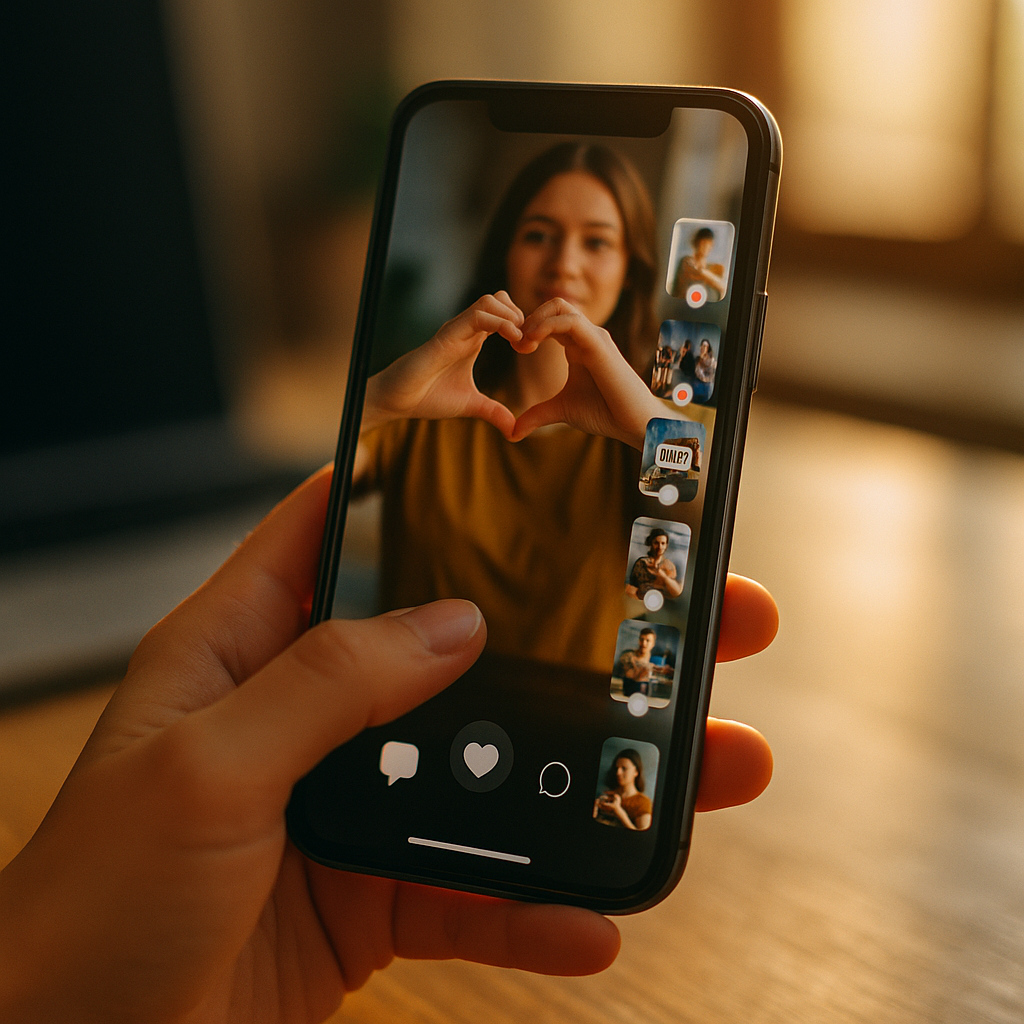
The Algorithm Rewards Interaction — Not Just Views
Here’s a number that should reshape your next creator brief: interactive short-form video formats generate 4.7x more distribution in AI-curated feeds than passive content, according to TikTok’s advertising platform data. Every major platform — Instagram, TikTok, YouTube Shorts, LinkedIn — now uses machine-learning recommendation engines that prioritize engagement-triggering signals over follower counts. If your branded creator content isn’t structured for interaction, it’s structurally invisible. The formats you brief matter more than the budget behind them.
Why AI-Curated Feeds Changed the Briefing Game
Rewind three years and creator briefs focused on aesthetics, messaging, and maybe a hashtag strategy. That playbook assumed a chronological or follower-based feed. It’s dead.
Recommendation algorithms at Meta, TikTok, YouTube, and LinkedIn now evaluate content in milliseconds against engagement-prediction models. They’re asking: will this piece make someone stop, tap, comment, share, or rewatch? Formats that architecturally prompt those actions — polls, reply hooks, choose-your-path structures — get served to exponentially larger audiences than polished-but-passive brand films.
This isn’t speculation. It’s how the feed works. And it means the creative structure you brief is an algorithmic input, not just a storytelling choice.
The format you brief a creator to produce is now a direct lever on algorithmic distribution. Structure determines reach before content quality even enters the equation.
For brand teams still briefing creators with mood boards and key messages alone, this is the gap. You need to be specifying interaction architecture — the mechanical skeleton that triggers the engagement signals AI feeds reward. Here are five structures worth briefing immediately.
Format 1: The “This or That” Decision Fork
Simple. Brutally effective. The creator presents two options — products, styles, use cases, outcomes — and asks viewers to comment their choice. TikTok’s algorithm weighs comment velocity heavily in the first 30 minutes of a post’s life. Instagram Reels similarly surfaces content that generates comment threads. Even LinkedIn’s feed algorithm, which now prioritizes “meaningful engagement,” rewards posts that spark debate over those that collect passive likes.
How to brief it: Give creators two genuinely defensible options related to your product category. Avoid making one choice obviously superior — that kills the tension. A skincare brand briefing “Retinol at 25 or 30?” will outperform “Our serum vs. nothing” every time.
Cross-platform tip: On YouTube Shorts, pair the decision fork with a pinned comment from the creator taking a controversial stance. This seeds the comment section and signals the algorithm that conversation is already happening. For brands new to structuring short-form video for conversion, this format offers the lowest creative lift with the highest engagement floor.
Format 2: The Controlled Reveal With a Pause Gate
This is the evolution of the product reveal — and it works because it weaponizes curiosity against the scroll. The creator sets up a transformation, comparison, or outcome, then inserts a deliberate pause (a text overlay saying “wait for it,” a literal freeze-frame, a cut to a reaction beat) that forces the viewer to either rewatch the buildup or keep watching past the midpoint.
Why the algorithm cares: watch-through rate and rewatch rate are two of the strongest signals across TikTok and YouTube Shorts. A pause gate increases average watch time, and AI models interpret this as content worth amplifying.
The briefing nuance here matters. You’re not asking for a generic suspense build. You’re specifying the structural beat — typically placed at the 40-60% mark of the video — where anticipation peaks. Brands getting this right include Dyson (product transformation reveals) and Rare Beauty (shade-match pause gates that drove massive save rates in Q1). Our guide to product reveal video ideas breaks down variations of this mechanic in detail.
The Reply-Bait Loop
This format is native to TikTok but increasingly viable on Instagram and LinkedIn. The creator records a video that is explicitly a reply to a comment on a previous video — or, more strategically, a reply to a staged comment that the brand and creator seed together.
The loop works like this: Video A ends with a soft cliffhanger or hot take. Viewers comment questions or disagreements. Video B is a “reply to @user” video addressing the most engagement-rich comment. Each new video inherits distribution from the previous one because TikTok’s AI connects them in the recommendation graph.
For brands, this means briefing a multi-video arc, not a single post. You’re buying a content series that compounds algorithmic momentum. This is also where TikTok’s AI discovery layer becomes your ally — the platform actively surfaces reply-chain content to users who engaged with earlier installments.
Operational note: brief the first video with two or three “seeded” questions the creator can answer in follow-ups. This gives you content predictability without killing authenticity. Don’t script the replies — just map the territory.
Format 4: The Interactive Quiz or “Test Yourself” Frame
This one’s gaining traction fast on LinkedIn and Instagram, and it works because it converts passive viewers into active participants without requiring them to comment. The structure: the creator poses a question or challenge (guess the price, identify the ingredient, predict the outcome), displays answer options via text overlay or gesture, then reveals the answer after a beat.
According to Sprout Social, short-form videos with quiz or poll mechanics see 2.1x higher share rates than standard product content — shares being the single most distribution-amplifying action across every platform’s algorithm.
The share signal matters enormously. When someone shares a quiz video to a friend saying “I got this wrong,” that DM share carries outsized weight in Meta’s and TikTok’s ranking systems. It’s the engagement signal that’s hardest to fake and easiest to earn with the right format.
Brief it by giving creators factual ammunition — surprising data points, counterintuitive product stats, category myths. The quiz is the vehicle, but the brand’s expertise is the payload. Pair this with your AI-enhanced creative brief template to standardize the structure across multiple creators while leaving room for individual style.
Format 5: The Duet/Remix Trigger
The most underused format in brand briefing. Here, the creator produces a video that is designed to be duetted, stitched, or remixed by other creators and viewers. The original video leaves deliberate white space — a challenge to replicate a look, a ranking that begs disagreement, a “finish my sentence” prompt.
This is earned media at the format level. Every remix creates a new piece of content that links back to the original, compounding reach without additional spend. TikTok’s remix ecosystem and Instagram’s Remix feature both surface remixed content to audiences of both the original and remixing creators.
The brand benefit goes beyond impressions. Remix-triggered content generates authentic social proof at scale. A single briefed video that spawns 200 remixes produces 200 pieces of quasi-UGC that reference your product or campaign. This is the mechanic behind some of the highest-ROI creator campaigns we’ve tracked — and our deep dive on remix features as earned media covers the strategic framework in full.
Brief it by making the remix easy. The creator’s original video should include a clear structural cue — a split-screen layout, a reaction-ready pause, or a template that others can fill in. Complexity kills remix velocity. Keep the barrier low and the creative invitation obvious.
Platform-by-Platform Calibration
Not every format works equally everywhere. Here’s a quick calibration guide:
- TikTok: Reply-bait loops and remix triggers perform strongest. The algorithm’s content graph connects multi-video arcs aggressively. Comment velocity matters most in the first hour.
- Instagram Reels: Decision forks and quiz formats drive saves and shares — the two signals Instagram’s AI weights most for non-follower distribution via the Explore and Reels tabs.
- YouTube Shorts: Controlled reveals with pause gates exploit the platform’s watch-time optimization. Shorts that push average view duration above 90% consistently enter the recommendation cycle.
- LinkedIn: Quiz formats and decision forks work best. The platform’s algorithm rewards dwell time and comments from high-authority profiles. Brief creators to prompt professional-context opinions, not casual reactions.
Each platform’s engagement benchmarks shift quarterly, so build measurement feedback loops. What matters is that you’re selecting format structures based on each platform’s algorithmic reward system — not repurposing the same video everywhere and hoping for the best.
The Operational Shift This Requires
Briefing interactive formats demands a different workflow than briefing traditional creator content. You’re no longer handing over a product and messaging pillars. You’re specifying structural mechanics: where the pause gate goes, how many reply videos the arc includes, what quiz data to embed, which remix cue to use.
This doesn’t mean micromanaging creators. It means giving them an interaction blueprint alongside creative freedom. The best analogy: you’re providing the game rules, not scripting every play. Creators who understand these structures — and many top-tier ones already do — will outperform those who rely purely on personality and production quality.
Audit your current creator briefs this week. If none of them specify an interaction mechanic by name, you’re leaving algorithmic distribution — and the ROI it delivers — on the table.
Frequently Asked Questions
What makes interactive short-form video formats more algorithmically favorable than standard content?
AI-curated feeds on TikTok, Instagram, YouTube Shorts, and LinkedIn use engagement-prediction models that prioritize content triggering active signals — comments, shares, rewatches, and saves. Interactive formats like decision forks, quiz mechanics, and reply-bait loops architecturally prompt these actions, giving them a structural advantage in distribution over passive, watch-only content regardless of production quality.
How should brands adapt interactive video briefs for different platforms?
Each platform’s algorithm rewards different engagement signals. TikTok favors comment velocity and multi-video reply chains. Instagram Reels prioritizes saves and shares. YouTube Shorts optimizes for watch-through rate and average view duration. LinkedIn rewards dwell time and substantive comments. Brands should match the interactive format to the platform’s primary algorithmic signal rather than cross-posting identical content.
Can interactive short-form video formats work for B2B brands on LinkedIn?
Yes. Quiz formats and decision forks perform particularly well on LinkedIn because they prompt professional-context engagement — opinions, expertise sharing, and debate. The platform’s algorithm rewards meaningful comments from high-authority profiles, so briefing creators to pose industry-relevant questions or counterintuitive data points generates strong distribution among decision-maker audiences.
How many videos should a brand brief in a reply-bait loop series?
Most effective reply-bait loops run three to five videos. The first video seeds a hot take or cliffhanger, the second and third reply to high-engagement comments, and later installments address emerging questions. Briefing two to three seeded questions upfront ensures content predictability while allowing organic engagement to shape the series direction.
Do interactive formats sacrifice brand messaging for engagement?
Not when briefed correctly. The interaction mechanic is the vehicle, but brand messaging is the payload. A quiz format embedding surprising product data or a decision fork comparing genuine use cases delivers brand information while triggering engagement. The key is integrating the message into the interactive structure rather than bolting it on as a separate element.
Top Influencer Marketing Agencies
The leading agencies shaping influencer marketing in 2026
Agencies ranked by campaign performance, client diversity, platform expertise, proven ROI, industry recognition, and client satisfaction. Assessed through verified case studies, reviews, and industry consultations.
Moburst

-
2

The Shelf
Boutique Beauty & Lifestyle Influencer AgencyA data-driven boutique agency specializing exclusively in beauty, wellness, and lifestyle influencer campaigns on Instagram and TikTok. Best for brands already focused on the beauty/personal care space that need curated, aesthetic-driven content.Clients: Pepsi, The Honest Company, Hims, Elf Cosmetics, Pure LeafVisit The Shelf → -
3

Audiencly
Niche Gaming & Esports Influencer AgencyA specialized agency focused exclusively on gaming and esports creators on YouTube, Twitch, and TikTok. Ideal if your campaign is 100% gaming-focused — from game launches to hardware and esports events.Clients: Epic Games, NordVPN, Ubisoft, Wargaming, Tencent GamesVisit Audiencly → -
4

Viral Nation
Global Influencer Marketing & Talent AgencyA dual talent management and marketing agency with proprietary brand safety tools and a global creator network spanning nano-influencers to celebrities across all major platforms.Clients: Meta, Activision Blizzard, Energizer, Aston Martin, WalmartVisit Viral Nation → -
5

The Influencer Marketing Factory
TikTok, Instagram & YouTube CampaignsA full-service agency with strong TikTok expertise, offering end-to-end campaign management from influencer discovery through performance reporting with a focus on platform-native content.Clients: Google, Snapchat, Universal Music, Bumble, YelpVisit TIMF → -
6

NeoReach
Enterprise Analytics & Influencer CampaignsAn enterprise-focused agency combining managed campaigns with a powerful self-service data platform for influencer search, audience analytics, and attribution modeling.Clients: Amazon, Airbnb, Netflix, Honda, The New York TimesVisit NeoReach → -
7

Ubiquitous
Creator-First Marketing PlatformA tech-driven platform combining self-service tools with managed campaign options, emphasizing speed and scalability for brands managing multiple influencer relationships.Clients: Lyft, Disney, Target, American Eagle, NetflixVisit Ubiquitous → -
8

Obviously
Scalable Enterprise Influencer CampaignsA tech-enabled agency built for high-volume campaigns, coordinating hundreds of creators simultaneously with end-to-end logistics, content rights management, and product seeding.Clients: Google, Ulta Beauty, Converse, AmazonVisit Obviously →