


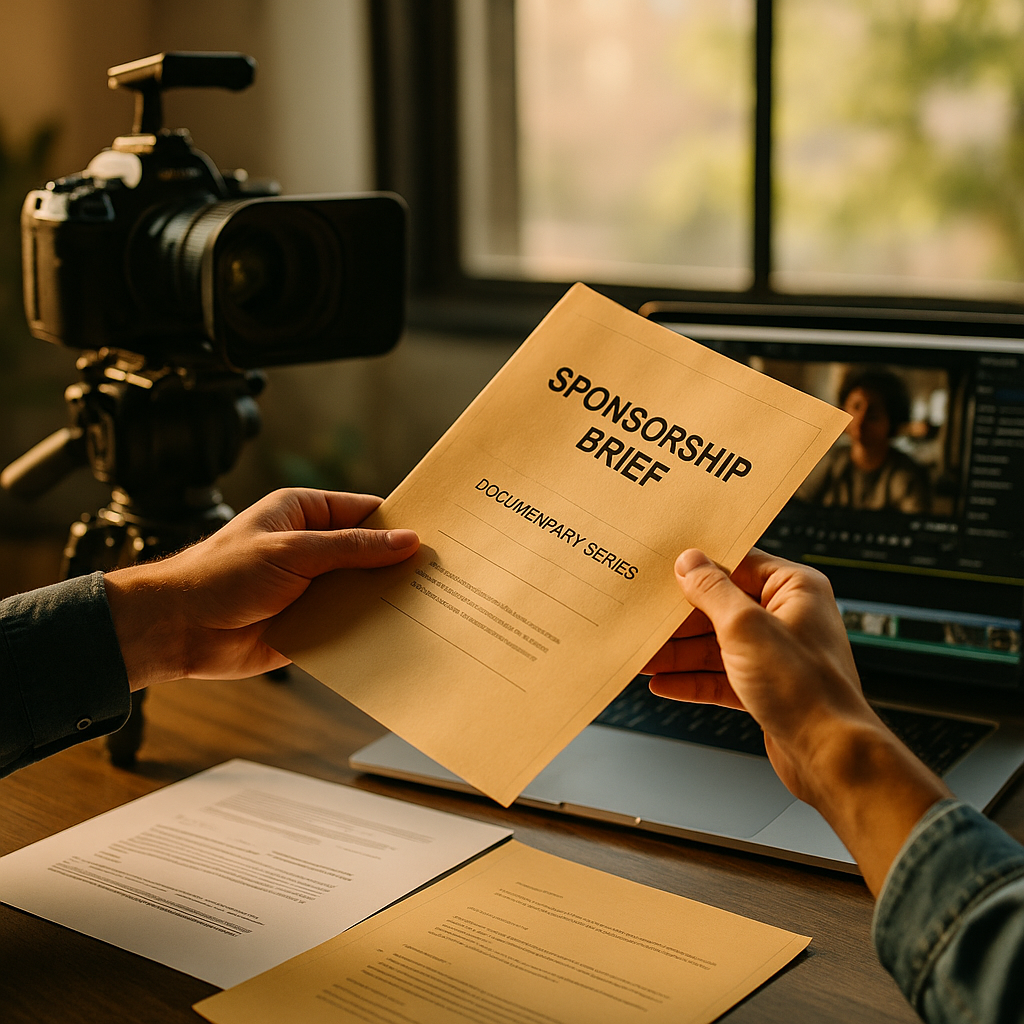
Sixty-eight percent of brand marketers say standard influencer KPIs are “not fit for purpose” when applied to long-form creator series. If you are commissioning a sport documentary or factual entertainment format and reaching for your usual CPM and engagement rate columns, you are measuring the wrong thing entirely.
Why Traditional Influencer Metrics Break Down Here
Short-form influencer marketing runs on a relatively clean measurement loop: reach, engagement rate, click-through, conversion. The brief drives the content. The content drives a trackable action. The math closes.
Niche specialist platforms change that equation completely. A six-part sport documentary series distributed across a dedicated athletics streaming hub, or a factual entertainment series living on a niche outdoor adventure platform, operates on audience psychology that is closer to broadcast television than to a sponsored Instagram Reel. Viewers are leaning in for twenty-five minutes at a time, not scrolling past in three seconds. Brand integration in that context is felt differently, retained differently, and should be valued differently.
The conventional influencer brief was not designed for this. It needs rebuilding from the contract level up. To understand how brief architecture has evolved more broadly, the frameworks in AI-optimised influencer briefs offer useful structural context, even if the measurement environment is entirely different here.
The Architecture of a Specialist Niche Platform Sponsorship Brief
Before drafting a single line, define the tier of integration. This is the decision that shapes every downstream clause.
Tier 1: Series Title Sponsorship. The brand is present across all episodes, named in the series title or opening credit sequence, and integrated into promotional materials on the platform. This is a media buy with a creator wrapper. Negotiate it like one.
Tier 2: Episode-Level Brand Partnership. The brand sponsors specific episodes aligned to thematic fit. A performance nutrition brand sponsoring the training-camp episode of a cycling documentary, for instance. Integration is contextual, not cosmetic.
Tier 3: Content Integration. The brand appears organically within the narrative, used or referenced by the creator or subjects on-screen. No separate segment. No verbal call-to-action. The product is simply part of the story world.
Each tier requires different brief language, different rights clauses, and critically, different success metrics. Conflating them in a single brief template is one of the most common and costly mistakes agency teams make.
In long-form creator series, the integration tier determines the measurement framework. If you set KPIs before you set the tier, you are negotiating backwards.
What Goes Into the Brief Document Itself
A specialist niche platform sponsorship brief has six non-negotiable sections. Each one protects the brand, clarifies the creator’s obligations, and creates the evidentiary record you will need if the relationship goes sideways.
1. Platform and Distribution Context. Name the specific platform, its subscriber or viewer base, and the typical completion rate for the format. Completion rate, not views, is your baseline metric here. A 70% average episode completion on a 20,000-subscriber niche platform outperforms 200,000 views at a 12% watch-through on YouTube for brand recall purposes. Reference the platform’s own audience data, and request a media kit with independently verified figures before signing.
2. Integration Specifications. Define placement precisely. How many seconds of on-screen brand presence per episode? Is it verbal mention, visual product placement, or both? What is the minimum and maximum frequency? Over-integration in factual content destroys editorial credibility and alienates the exact audience you paid to reach. Under-integration leaves money and recall on the table. The brief should specify a floor and ceiling for each episode.
3. Editorial Independence Clauses. This is where brands with broadcast ambitions habitually overcorrect. They attempt to insert approval rights over narrative arc, interview subjects, or editorial framing. Experienced creators in the documentary and factual space will walk. More practically, over-controlling editorial produces content that the niche audience immediately identifies as compromised, which is the worst possible outcome for brand trust. The brief should specify what the brand has approval rights over (logo usage, verbal brand claims, product context) and explicitly disclaim approval rights over editorial content.
4. FTC and Platform Disclosure Requirements. Factual entertainment and documentary formats are not exempt from disclosure obligations. The FTC’s endorsement guidelines apply regardless of format length or perceived editorial independence. The brief must specify how sponsorship is disclosed, in which episodes, and in what format (on-screen card, verbal statement, platform description field). For deeper brief compliance architecture, FTC-compliant narrative integration briefs provides a useful clause-by-clause reference.
5. Rights and Syndication Terms. Who owns the content after broadcast? Can the creator sell the series to a larger streaming platform? Can the brand use clips in paid media? Long-form creator series frequently get picked up or repurposed, and brands that fail to negotiate secondary rights upfront often find their integration in content they no longer have any commercial relationship with. Define the window, the territory, and the permitted uses explicitly. The frameworks used in CTV creator content briefs are directly applicable when syndication to connected TV is a realistic outcome.
6. Deliverables and Reporting. Agree on exactly what data the creator or platform will provide and when. Standard social analytics are irrelevant here. Request episode completion rates, average view duration, audience demographic breakdowns, and any available brand recall or lift data from post-episode surveys. Some specialist platforms like Statista-tracked niche sports streamers are beginning to offer branded content analytics dashboards. If the platform cannot provide completion-rate data, that is a material due diligence issue before you sign.
Measuring What Actually Matters
Forget cost-per-engagement. The relevant measurement framework for long-form factual brand integration sits closer to broadcast media planning than influencer analytics.
The metrics that carry weight here are: average completion rate per episode, aided and unaided brand recall (via post-series audience survey), share of attention relative to competitor brands in adjacent content, and qualitative audience sentiment from comment and community analysis. Some brands running sport documentary partnerships are also tracking branded search uplift in the weeks following episode drops, using tools like Google Search Console and Sprout Social to correlate social listening spikes with release schedules.
One structural tip: build a measurement plan into the brief itself. Not as a post-campaign appendix, but as a contractual obligation on the platform or creator. If measurement methodology is negotiated at the end, it gets cut or compromised. If it is embedded in the original agreement, it survives.
For brands exploring how documentary-style formats are generating compounding brand narrative value, the breakdown in documentary YouTube series for brand narrative is directly relevant to structuring your value proposition internally.
The Rights Clauses Brands Consistently Undervalue
Two clauses appear in almost no standard influencer brief but are essential in this format.
The First-Look Clause. If the series performs and a larger platform comes calling, your brand should have the right of first refusal on any new sponsorship arrangement before the creator accepts a competing brand in the same category. Niche sport documentaries have a track record of being acquired by platforms like Amazon Prime Video or Apple TV Plus after initial specialist distribution. Without a first-look clause, you funded the audience development for a competitor’s sponsorship deal.
The Category Exclusivity Window. Define the period before and after episode release during which the creator cannot accept competing brand integrations on any platform. In factual entertainment, audience cross-referencing is real. A fitness equipment brand appearing in a cycling documentary series loses significant brand distinction if the same creator has a competing integration on their social channels in the same month.
The rights clauses that matter most in long-form creator series are rarely in the standard influencer brief template. They come from broadcast and production agreements, not social media playbooks.
Platform Selection and the Specialist Audience Premium
Scale sceptics will ask why a brand should invest in a 15,000-subscriber specialist platform when a mainstream creator could deliver ten times the reach. The answer lies in context alignment and purchase intent concentration. Niche specialist platforms, particularly in sport, outdoor, and factual entertainment verticals, aggregate audiences with extremely high category involvement. A cycling brand reaching 15,000 dedicated road cyclists through a documentary series about the amateur racing circuit delivers category-relevant impressions that a generic fitness influencer with 150,000 followers cannot replicate.
The eMarketer data on connected TV fragmentation consistently shows that niche content commands higher brand recall per impression than broad-reach formats, precisely because the audience context is aligned. This is the argument you take to procurement when defending a higher CPM on a specialist platform.
When the distribution strategy includes CTV or streaming extension, the CTV creator distribution models are worth reviewing before finalising platform terms, since the monetisation and rights structures diverge significantly from purely social distribution.
Also consider the platform’s own content policies around branded content. Some specialist platforms operate under publishing agreements that restrict or require specific disclosure formats. Validate compliance requirements with the platform directly and mirror them in your creator agreement, referencing the FTC guidelines as the minimum standard regardless of platform-level requirements.
Before You Brief: The Pre-Agreement Checklist
Run through these questions before the brief reaches the creator or platform:
- Has the platform provided verified completion-rate data for comparable series?
- Is the integration tier defined and reflected in the fee structure?
- Are editorial approval rights explicitly scoped and limited?
- Do the rights clauses cover secondary distribution and syndication?
- Is a first-look or category exclusivity clause included?
- Is the measurement plan embedded in the contract, not the appendix?
- Have FTC disclosure requirements been specified by episode?
If any of these are unresolved, the brief is not ready. Send it when all seven are answered.
Start by auditing your existing brief template against the six sections above and identify which clauses are missing. That gap analysis is your brief revision roadmap.
Frequently Asked Questions
What makes a sponsorship brief for a creator-led documentary different from a standard influencer brief?
A standard influencer brief is optimised for short-form, high-frequency content with trackable social metrics like engagement rate, reach, and click-through. A sponsorship brief for a creator-led documentary or factual series must address integration tiers, editorial independence, rights and syndication terms, long-form completion metrics, and FTC compliance across multi-episode formats. The measurement framework, contract structure, and approval rights architecture are fundamentally different.
Which metrics should brands use to evaluate ROI for long-form creator series sponsorships?
The most relevant metrics are average episode completion rate, aided and unaided brand recall measured via post-series audience surveys, branded search volume uplift correlated with episode release dates, and qualitative audience sentiment from platform comments and social listening. Cost-per-engagement and standard CPM benchmarks from social media are not appropriate primary KPIs for this format.
How should FTC disclosure requirements be handled in a documentary or factual entertainment format?
FTC endorsement guidelines apply regardless of format length or editorial framing. The sponsorship brief should specify disclosure placement by episode, whether via on-screen text card, verbal statement from the creator, or platform-level description field. All three are often required simultaneously. The brief should treat FTC compliance as a contractual obligation on the creator, not an optional courtesy.
What rights clauses are most commonly missed in specialist niche platform sponsorship agreements?
Two are consistently underrepresented: a first-look clause giving the brand right of first refusal if the series is acquired by a larger platform, and a category exclusivity window preventing competing brand integrations during the release period. Both are standard in broadcast production agreements but rarely appear in influencer brief templates adapted for long-form use.
How do you justify a higher CPM on a niche specialist platform versus a mainstream creator with larger reach?
The value proposition rests on context alignment and purchase intent concentration. Specialist platforms aggregate audiences with high category involvement, meaning impressions are delivered in an environment where the audience is already deeply engaged with the subject matter. Brand recall per impression is typically higher in niche factual formats than in broad-reach general content, which is the argument that supports a premium CPM internally.
Top Influencer Marketing Agencies
The leading agencies shaping influencer marketing in 2026
Agencies ranked by campaign performance, client diversity, platform expertise, proven ROI, industry recognition, and client satisfaction. Assessed through verified case studies, reviews, and industry consultations.
Moburst

-
2

The Shelf
Boutique Beauty & Lifestyle Influencer AgencyA data-driven boutique agency specializing exclusively in beauty, wellness, and lifestyle influencer campaigns on Instagram and TikTok. Best for brands already focused on the beauty/personal care space that need curated, aesthetic-driven content.Clients: Pepsi, The Honest Company, Hims, Elf Cosmetics, Pure LeafVisit The Shelf → -
3

Audiencly
Niche Gaming & Esports Influencer AgencyA specialized agency focused exclusively on gaming and esports creators on YouTube, Twitch, and TikTok. Ideal if your campaign is 100% gaming-focused — from game launches to hardware and esports events.Clients: Epic Games, NordVPN, Ubisoft, Wargaming, Tencent GamesVisit Audiencly → -
4

Viral Nation
Global Influencer Marketing & Talent AgencyA dual talent management and marketing agency with proprietary brand safety tools and a global creator network spanning nano-influencers to celebrities across all major platforms.Clients: Meta, Activision Blizzard, Energizer, Aston Martin, WalmartVisit Viral Nation → -
5

The Influencer Marketing Factory
TikTok, Instagram & YouTube CampaignsA full-service agency with strong TikTok expertise, offering end-to-end campaign management from influencer discovery through performance reporting with a focus on platform-native content.Clients: Google, Snapchat, Universal Music, Bumble, YelpVisit TIMF → -
6

NeoReach
Enterprise Analytics & Influencer CampaignsAn enterprise-focused agency combining managed campaigns with a powerful self-service data platform for influencer search, audience analytics, and attribution modeling.Clients: Amazon, Airbnb, Netflix, Honda, The New York TimesVisit NeoReach → -
7

Ubiquitous
Creator-First Marketing PlatformA tech-driven platform combining self-service tools with managed campaign options, emphasizing speed and scalability for brands managing multiple influencer relationships.Clients: Lyft, Disney, Target, American Eagle, NetflixVisit Ubiquitous → -
8

Obviously
Scalable Enterprise Influencer CampaignsA tech-enabled agency built for high-volume campaigns, coordinating hundreds of creators simultaneously with end-to-end logistics, content rights management, and product seeding.Clients: Google, Ulta Beauty, Converse, AmazonVisit Obviously →