


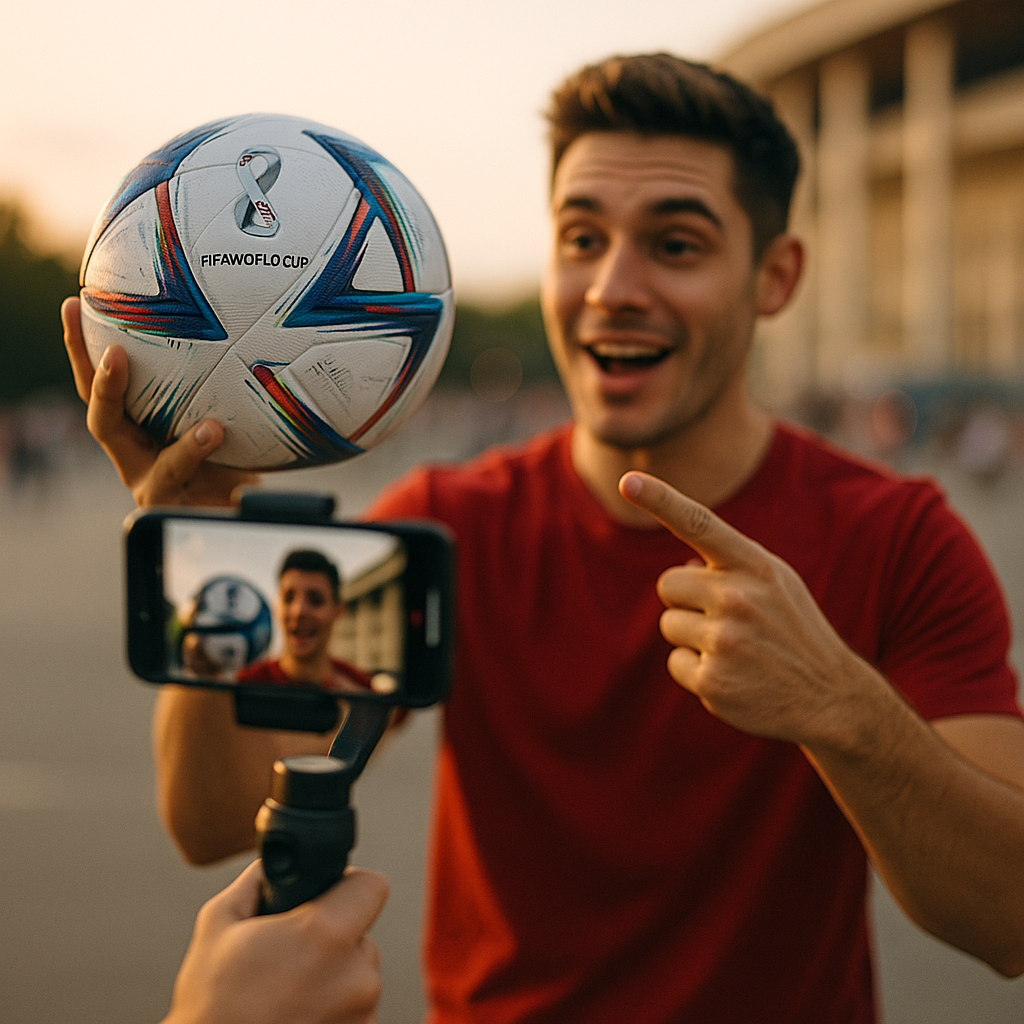
Only about 20 brands hold official FIFA World Cup partnerships. Every other brand on the planet is watching billions of fans engage with the tournament and wondering the same thing: how do we get a piece of this without getting sued? The answer is a disciplined creator brief built around cultural adjacency, not trademark proximity.
Why Non-Sponsors Keep Getting This Wrong
Most brands default to one of two losing strategies. The first: stay completely silent and surrender the cultural moment to competitors. The second: get too close to FIFA’s protected marks and end up fielding cease-and-desist letters before the group stage is over.
FIFA’s ambush marketing protections are among the most aggressively enforced in sports. Host nations typically pass dedicated legislation expanding those protections beyond standard trademark law. In past tournaments, brands have faced injunctions for using soccer ball imagery near tournament dates, running “prediction contests” tied to match outcomes, and creating content using players’ names without licensing agreements. The legal exposure is real, and it moves fast during tournament windows when FIFA’s monitoring teams are on full alert.
The opportunity, though, is equally real. Nielsen data consistently shows that World Cup social conversation dwarfs the audience of any single broadcaster. Brands that build smart creator architecture around the cultural energy, not the IP, routinely outperform official sponsors on share of voice.
Share of cultural conversation is not the same as share of official IP rights. Brands that understand this distinction build campaigns that win attention without triggering legal exposure.
What Ambush Marketing Law Actually Prohibits
Before briefing a single creator, your legal and brand teams need a clear taxonomy of what’s off-limits. FIFA holds registered trademarks over specific terms and marks: “FIFA World Cup,” the official trophy imagery, the tournament logo, mascot names, and official match schedules presented in branded contexts. Many host country statutes also create broader protections around phrases that imply an “official association” with the event.
What’s generally permissible: discussing the sport of soccer, referencing fan behavior and cultural rituals, engaging with generic tournament sentiment, and creating content that positions your brand alongside fan experiences rather than the event itself. The legal line is intent and implication. Does the content suggest your brand is an official partner? That’s the test.
Creator content adds a complication. When a creator with two million followers posts branded content during the tournament window, the FTC’s disclosure requirements don’t pause for sports seasons. Your sponsored content disclosure rules still apply, and they interact directly with ambush marketing risk: a poorly disclosed post that also implies official sponsorship creates compounded liability. Brief your creators on both simultaneously.
Building the Creator Brief: The Cultural Adjacency Framework
The brief is where you operationalize the legal guardrails without killing creative energy. Here’s the architecture that works.
Lead with fan identity, not the tournament. Your creative territory isn’t the World Cup. It’s the fan. Brief creators around the rituals, emotions, and behaviors that surround the tournament: the watch parties, the late-night alarm clocks, the workplace debates, the family group chats. These are culturally owned by fans, not by FIFA. A sports nutrition brand briefing creators on “what it takes to keep up with 90 minutes of intensity” is playing in a legitimate cultural space. A brand briefing creators to “celebrate the World Cup finals” is not.
Explicit prohibited language list. Every brief should include a hardcoded exclusion list. Require creators to avoid: “FIFA,” “World Cup” as a standalone promotional phrase, official tournament slogan variants, country team crests and badges, player names and likenesses without separate licensing, and any language implying official sponsorship. This isn’t optional guidance. Put it in the contract with a takedown clause attached. For context on how to structure those provisions, your creator contract provisions should already include content compliance language that you can extend for event-specific restrictions.
Platform-specific content parameters. TikTok creator content during major events faces different algorithmic and moderation dynamics than Instagram or YouTube. On TikTok, sound and visual trends related to the tournament will surface organically in creator feeds. Brief creators on which trend sounds are safe to use (generic fan celebration sounds, original audio) and which to avoid (official broadcast audio, licensed tournament music). Misuse of broadcast audio alone can generate DMCA takedowns that tank your campaign mid-tournament.
Timing architecture matters. Some of the most effective non-sponsor World Cup campaigns run in the days before kickoff and the day after the final, not during match windows when FIFA’s monitoring is most intensive. Map your content calendar with legal counsel, not just the media team. Pre-tournament anticipation content and post-tournament cultural recap content often carry lower ambush marketing risk than content posted during live match windows.
Creator Selection: Who You Brief Is as Important as What You Brief
Not every creator is the right fit for an event-adjacent campaign that requires legal discipline. Prioritize creators who have demonstrated content precision, meaning they can hold a creative concept and stay within defined parameters without improvising into risky territory.
For a World Cup-adjacent campaign, three creator profiles tend to outperform. Sports lifestyle creators who already have audience permission to discuss fan culture. Travel and food creators covering the host country’s culinary and cultural landscape, which is almost entirely outside FIFA’s IP scope. And general entertainment creators with strong tournament engagement who understand how to tap cultural moments without making brand-sponsorship claims.
Avoid creators who have a pattern of reactive, real-time content that goes off-brief. During a live tournament, an impulsive creator post using a protected phrase doesn’t just expose that creator. It exposes your brand. Build content review checkpoints into the campaign workflow before anything goes live during the tournament window.
Measurement: Capturing Cultural Lift Without Official Attribution
One of the legitimate challenges for non-official sponsors is proving campaign ROI when you can’t claim tournament association. The answer is to restructure your KPIs around the cultural energy you’re actually capturing.
Track sentiment share within tournament-adjacent conversations using social listening tools like Brandwatch or Sprout Social. Measure brand recall lift among audiences who are actively following the tournament. Use creator-specific UTM parameters to capture incremental traffic and conversion events during the tournament window separately from your baseline. If you’ve built reach guarantees into your creator contracts, this tournament period is when you validate those commitments against actual delivery.
The goal is demonstrating that your brand meaningfully participated in the cultural conversation, even without the official badge. That’s a case you can make internally to justify budget, and it’s a case you can make to your next agency review without any FIFA trademark paperwork required.
Official sponsors buy association rights. Smart non-sponsors build genuine cultural relevance through creators who already have audience trust. The ROI case for the latter is increasingly competitive with the former.
Compliance Doesn’t End When the Campaign Launches
Running a creator-led World Cup campaign as a non-official sponsor requires active monitoring throughout the tournament window, not just a pre-launch legal review. Set up keyword alerts for your brand name alongside protected FIFA terms. Monitor creator content against your prohibited language list within 24 hours of posting. Build a fast-response takedown protocol into your campaign operations so that a single creator post doesn’t metastasize into a brand-level enforcement action.
This is also where your disclosure compliance intersects with your ambush marketing compliance. Any AI-assisted content your creators produce needs appropriate disclosure under current FTC guidelines, and that disclosure language cannot inadvertently imply official sponsorship. Brief your creators on the exact disclosure copy you want them to use, and don’t leave it to their discretion during a high-pressure tournament window. For additional structure on how disclosure requirements apply to brand-creator work, the FTC influencer disclosure framework is worth revisiting with your legal team before tournament kickoff.
FIFA maintains active legal teams during tournaments, and FIFA’s brand protection function has historically issued enforcement notices within hours of infringements appearing online. Speed of response matters. The brands that survive a potential enforcement notice intact are the ones that catch the issue before FIFA does.
Finally, document everything. Brief versions, creator approvals, legal sign-offs, content timestamps. If you ever need to demonstrate that your campaign was designed in good faith outside FIFA’s IP scope, that documentation is the difference between a swift resolution and a prolonged dispute.
Before your next creator brief goes out, run it through one final test: if a FIFA legal monitor saw this content with no brand name attached, would they assume it came from an official sponsor? If the answer is yes, revise it. If the answer is no, you have a campaign built to survive the tournament.
Frequently Asked Questions
Can a non-sponsor brand use the phrase “World Cup” in creator content?
Generally, no. “World Cup” in a branded promotional context is protected under FIFA’s trademark portfolio and, in many host countries, under tournament-specific legislation. The risk isn’t theoretical: brands have faced enforcement action for using the phrase in ad copy, creator briefs, and campaign hashtags. The safe approach is to use descriptive language about fan culture and soccer generally, without naming the specific tournament.
What’s the legal difference between ambush marketing and cultural adjacency?
Ambush marketing typically involves creating a false or misleading impression that your brand has an official association with a protected event. Cultural adjacency means creating content around the fan behaviors, emotions, and cultural moments that surround an event, without implying any official connection. The distinction turns on consumer perception: would a reasonable person assume your brand is an official sponsor? Build your brief to make the answer clearly no.
Do FTC disclosure rules still apply to creator content during the World Cup?
Yes, without exception. FTC disclosure requirements apply to all sponsored creator content regardless of the cultural context. During a major tournament, brands sometimes deprioritize disclosure compliance in favor of speed. That’s a compounding risk: inadequate disclosure plus ambush marketing proximity can generate enforcement exposure on two fronts simultaneously. Require creators to use approved disclosure language on every piece of branded content.
Which platforms carry the most risk for ambush marketing violations during major tournaments?
TikTok and Instagram carry the highest real-time risk because of their algorithmic amplification and the speed at which content spreads. A post using a protected term or implied association can reach millions of accounts before your monitoring team catches it. YouTube carries somewhat lower velocity risk but has longer content shelf life, meaning a problematic video may generate complaints long after the tournament ends. Platform-specific content review protocols are essential for all three.
How should brands structure creator contracts specifically for event-adjacent campaigns?
Creator contracts for tournament-adjacent campaigns should include: an explicit prohibited language and imagery list specific to the event, a pre-publication approval requirement for all content during the tournament window, a takedown and indemnification clause tied to ambush marketing violations, and a disclosure compliance requirement aligned with applicable FTC and local regulatory standards. These provisions should be added as a campaign-specific addendum to your standard creator agreement, not buried in general terms.
Top Influencer Marketing Agencies
The leading agencies shaping influencer marketing in 2026
Agencies ranked by campaign performance, client diversity, platform expertise, proven ROI, industry recognition, and client satisfaction. Assessed through verified case studies, reviews, and industry consultations.
Moburst

-
2

The Shelf
Boutique Beauty & Lifestyle Influencer AgencyA data-driven boutique agency specializing exclusively in beauty, wellness, and lifestyle influencer campaigns on Instagram and TikTok. Best for brands already focused on the beauty/personal care space that need curated, aesthetic-driven content.Clients: Pepsi, The Honest Company, Hims, Elf Cosmetics, Pure LeafVisit The Shelf → -
3

Audiencly
Niche Gaming & Esports Influencer AgencyA specialized agency focused exclusively on gaming and esports creators on YouTube, Twitch, and TikTok. Ideal if your campaign is 100% gaming-focused — from game launches to hardware and esports events.Clients: Epic Games, NordVPN, Ubisoft, Wargaming, Tencent GamesVisit Audiencly → -
4

Viral Nation
Global Influencer Marketing & Talent AgencyA dual talent management and marketing agency with proprietary brand safety tools and a global creator network spanning nano-influencers to celebrities across all major platforms.Clients: Meta, Activision Blizzard, Energizer, Aston Martin, WalmartVisit Viral Nation → -
5

The Influencer Marketing Factory
TikTok, Instagram & YouTube CampaignsA full-service agency with strong TikTok expertise, offering end-to-end campaign management from influencer discovery through performance reporting with a focus on platform-native content.Clients: Google, Snapchat, Universal Music, Bumble, YelpVisit TIMF → -
6

NeoReach
Enterprise Analytics & Influencer CampaignsAn enterprise-focused agency combining managed campaigns with a powerful self-service data platform for influencer search, audience analytics, and attribution modeling.Clients: Amazon, Airbnb, Netflix, Honda, The New York TimesVisit NeoReach → -
7

Ubiquitous
Creator-First Marketing PlatformA tech-driven platform combining self-service tools with managed campaign options, emphasizing speed and scalability for brands managing multiple influencer relationships.Clients: Lyft, Disney, Target, American Eagle, NetflixVisit Ubiquitous → -
8

Obviously
Scalable Enterprise Influencer CampaignsA tech-enabled agency built for high-volume campaigns, coordinating hundreds of creators simultaneously with end-to-end logistics, content rights management, and product seeding.Clients: Google, Ulta Beauty, Converse, AmazonVisit Obviously →