


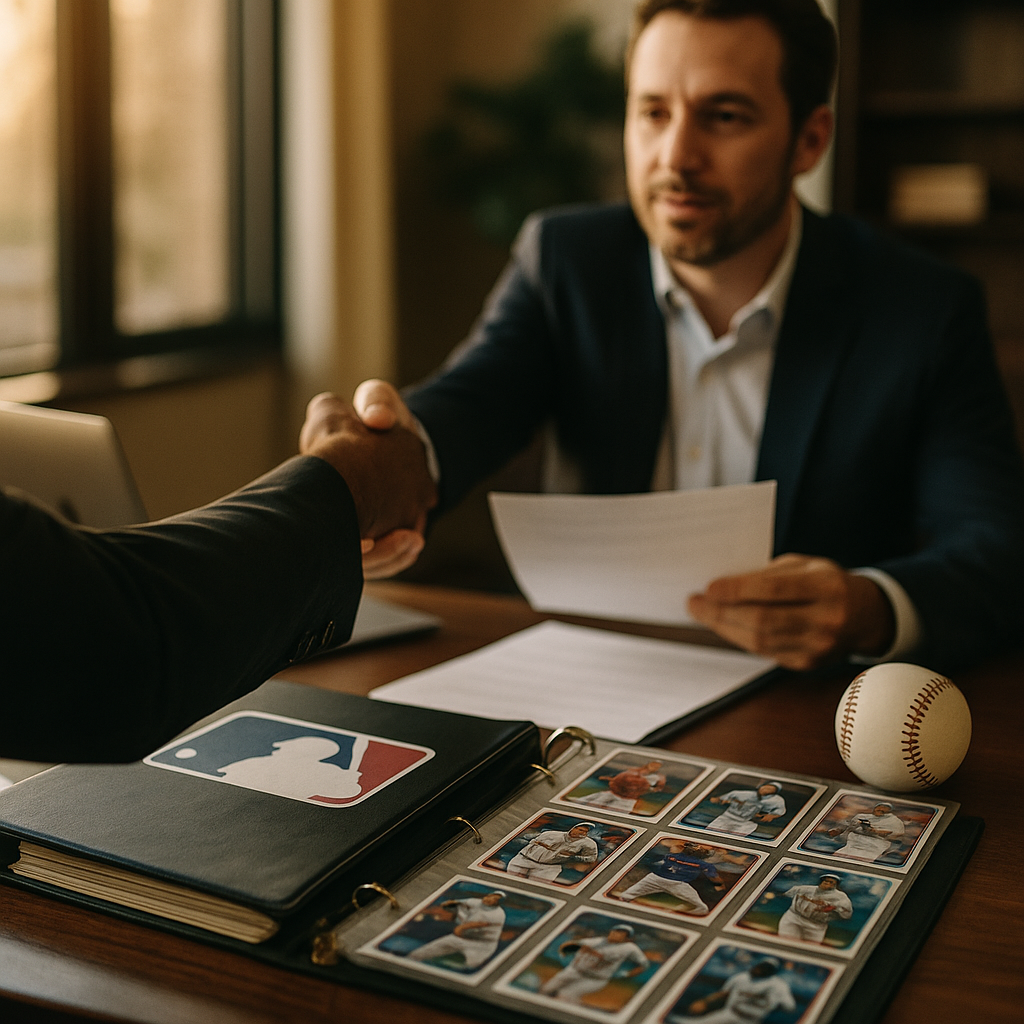
Over 1,200 active MLB players. One licensing entity controlling group rights. And brands still negotiating athlete access one deal at a time. The MLB Players Inc. infrastructure model reveals something most brand strategists are missing: the centralized athlete roster is no longer just a licensing mechanism — it’s a content network, and knowing how to negotiate access to it changes your entire sports partnership calculus.
What MLB Players Inc. Actually Controls (And Why It Matters)
MLB Players Inc. is the licensing and marketing arm of the MLB Players Association. It holds group licensing rights for active players, which means any brand that wants to use multiple player names, likenesses, or statistics in a commercial context needs to go through a centralized agreement rather than negotiating with individual athletes or their agents.
That sounds like a procurement headache. It’s actually the opposite.
When a brand signs a group licensing deal with MLB Players Inc., it gets access to a pre-cleared, legally vetted pool of talent across the entire league. No per-player NIL negotiation. No conflicting exclusivity clauses discovered mid-campaign. No last-minute agent calls because a player got traded. The infrastructure absorbs that complexity on your behalf.
For brands building creator networks as infrastructure, this is the professional sports equivalent of what’s happening in the broader creator economy. The talent isn’t the unit of value. The system is.
The Content Network Frame: Why “Roster Access” Is the Wrong Mental Model
Most brand teams approach sports partnerships thinking about endorsements: one athlete, one campaign, one check. But the MLB Players Inc. model forces a different frame. When you have licensed access to hundreds of players, you’re not buying a spokesperson. You’re buying a content network with real-time responsiveness.
Think about what that enables operationally. A brand with group licensing rights can activate around a hot-streak player the day the stats go viral. It can build a fantasy-sports integration that pulls real player data without separate IP clearance for each name. It can produce regional campaigns featuring local market players across 30 markets simultaneously, with one contract covering the creative licensing layer.
Group licensing infrastructure converts reactive one-off athlete deals into a scalable content operation. The brands winning in sports marketing aren’t spending more — they’re negotiating smarter access upfront.
This is precisely why institutionalizing creator access at the contract level is becoming a competitive advantage, not just a compliance exercise. The brands that lock in framework agreements early operate faster than competitors still chasing individual deal approvals.
How the Negotiation Actually Works
Negotiating with MLB Players Inc. operates differently from standard influencer or athlete outreach. A few structural realities brands need to understand before entering the conversation:
- Tiered access levels: Group licensing agreements typically come in tiers based on the number of players, usage rights (digital, broadcast, retail, gaming), and exclusivity windows. A tier-one deal covering all active players across all media categories costs significantly more than a regional digital-only arrangement, but the per-player cost often inverts at scale.
- Category exclusivity is negotiable: MLB Players Inc. manages category conflicts across its full brand portfolio. If you’re a financial services brand, pushing for category exclusivity within group licensing is both possible and strategically valuable. Come prepared with your category definition in writing.
- Stat and likeness rights are separate: Using a player’s name and face in an ad requires group licensing. Using official statistics in a consumer-facing product often requires a separate data licensing agreement through MLB Advanced Media (now MLB‘s tech arm). Conflating these two in initial negotiations causes delays.
- Opt-out clauses matter: Individual players can opt out of group licensing for specific categories (typically tobacco, alcohol, and some gambling verticals). Your legal team needs to build creative contingencies for campaigns where a featured player’s opt-out status could affect execution.
- Activation windows tie to the calendar: MLB’s season structure creates natural activation peaks. Deals negotiated before Spring Training lock in better rates and first-look windows on emerging player narratives. Waiting until July means paying a premium for proven stars with fewer creative surprises.
For brands accustomed to standardized contract frameworks in the creator space, the MLB Players Inc. structure will feel familiar in its logic, even if the dollar figures differ substantially.
What This Reveals About the Broader Sports Partnership Shift
MLB Players Inc. isn’t unique. The NFL Players Association operates NFLPA licensing through a similar group rights model. The NBA’s NBPA has its own licensing arm. What’s changing is how brands are starting to treat these centralized rosters: not as endorsement shortcuts, but as owned media infrastructure that sits adjacent to their paid and earned channels.
The parallel to the digital creator economy is direct. Collective creator networks function on the same principle: aggregate talent access, standardize the contractual layer, and let brands activate at speed. The operational efficiency gains compound quickly once the framework is in place.
Brands like Nike, DraftKings, and T-Mobile have built entire content operation architectures around group licensing because it converts unpredictable athlete availability into reliable content throughput. When a playoff run happens, they don’t scramble for clearance. They activate.
According to Statista, sports sponsorship revenue globally is projected to exceed $100 billion in the next two years, with digital activation rights representing the fastest-growing segment. Brands that structure their access at the infrastructure level rather than the individual deal level will capture that growth more efficiently.
Risk Mitigation: The Compliance Layer You Can’t Skip
Group licensing reduces negotiation risk, but it doesn’t eliminate brand safety exposure. A few practical risk vectors to build into your partnership framework:
Player conduct provisions. Unlike individual athlete contracts where you can negotiate specific conduct clauses, group licensing agreements typically rely on the MLBPA’s own standards. Understand exactly what triggers an automatic opt-out or removal and ensure your creative doesn’t create over-reliance on a small set of featured players who could become liabilities.
FTC compliance on social activations. When group licensing extends into social media content, player-posted content still requires FTC disclosure compliance. Group deals often blur responsibility for disclosure monitoring. Assign it explicitly in your contract or your agency SLA.
Data licensing and privacy. If your activation involves fan data collected around player content, ensure your data handling complies with applicable state privacy laws. This is an emerging audit area that brands are underprepared for, especially in interactive or gaming-adjacent activations.
The brands managing this best treat sports licensing the same way sophisticated teams now approach creator ecosystem contracts: with standardized compliance checklists embedded in the deal-making process, not bolted on afterward.
Operational Implications for Brand Teams
If you’re a brand marketing director evaluating whether to pursue group licensing access, the ROI question isn’t just about cost-per-impression. It’s about content velocity and risk-adjusted activation capacity.
The real ROI of centralized athlete access isn’t cheaper endorsements — it’s the elimination of the approval latency that kills timely content campaigns.
A single reactive post featuring a trending player during a championship run can outperform a scripted campaign that took six weeks to clear. That speed comes from infrastructure, not creativity. And infrastructure requires upfront investment in contract structure, not just creative budget.
Teams should also evaluate whether their current agency or platform partners have existing group licensing relationships that can be extended or co-accessed. Some sports marketing agencies carry portfolio-level licensing agreements that smaller brands can access through an agency partnership at a fraction of the standalone cost. Worth asking explicitly in any sports agency RFP.
For brands benchmarking how major players are structuring these investments, eMarketer and Sprout Social both publish annual data on sports content engagement rates by platform, which gives useful benchmarks for building the internal business case.
The broader trend of creator economy consolidation is making this kind of infrastructure-level thinking mandatory, not optional. Sports licensing is just further ahead on the same curve.
Next step: Before your next sports marketing budget cycle, request a formal briefing from MLB Players Inc. or your league licensing contact to map current group rights tiers against your existing activation calendar. That single scoping conversation will reveal more strategic upside than most creative briefs.
Frequently Asked Questions
What is MLB Players Inc. and how does it differ from the MLB itself?
MLB Players Inc. is the licensing and marketing subsidiary of the MLB Players Association (MLBPA), the union representing active major league players. It controls group licensing rights for player names, likenesses, and statistics used for commercial purposes. MLB (the league itself) separately controls team marks, logos, and official game footage. Brands often need agreements with both entities depending on the scope of their activation.
What does a group licensing agreement with MLB Players Inc. actually include?
A group licensing agreement typically grants the right to use the names, numbers, and likenesses of active MLB players in commercial contexts such as advertising, retail products, digital content, and gaming. The specific players covered, media channels permitted, duration, and exclusivity terms vary by tier. Statistical data usage may require a separate agreement with MLB’s data licensing arm.
How should brands think about ROI when evaluating group licensing vs. individual athlete deals?
Group licensing typically delivers better ROI at scale because the per-player cost drops significantly as coverage expands, and the operational overhead of managing individual contract negotiations is eliminated. The key ROI drivers are content velocity (the ability to activate quickly around breaking sports moments), regional creative flexibility (activating with local market players), and risk diversification (not being dependent on any single athlete’s performance or conduct).
What are the biggest compliance risks in sports group licensing for brands?
The primary risks include player opt-outs in restricted categories (gambling, alcohol, tobacco), FTC disclosure requirements when players post branded content on social media, and data privacy compliance when fan data is collected through interactive activations. Brands should also ensure their creative doesn’t over-index on a small number of featured players, as conduct issues or trades can disrupt campaign execution.
Can smaller brands or challenger brands access MLB Players Inc. group licensing affordably?
Yes, though the economics require strategic scoping. Smaller brands can pursue regional or platform-specific licensing tiers that cover a subset of players or a single media category, which significantly reduces cost. Alternatively, partnering with a sports marketing agency that holds a portfolio-level licensing relationship can provide access to group rights at a fraction of the standalone cost. The key is defining your activation use case precisely before entering rate negotiations.
Top Influencer Marketing Agencies
The leading agencies shaping influencer marketing in 2026
Agencies ranked by campaign performance, client diversity, platform expertise, proven ROI, industry recognition, and client satisfaction. Assessed through verified case studies, reviews, and industry consultations.
Moburst

-
2

The Shelf
Boutique Beauty & Lifestyle Influencer AgencyA data-driven boutique agency specializing exclusively in beauty, wellness, and lifestyle influencer campaigns on Instagram and TikTok. Best for brands already focused on the beauty/personal care space that need curated, aesthetic-driven content.Clients: Pepsi, The Honest Company, Hims, Elf Cosmetics, Pure LeafVisit The Shelf → -
3

Audiencly
Niche Gaming & Esports Influencer AgencyA specialized agency focused exclusively on gaming and esports creators on YouTube, Twitch, and TikTok. Ideal if your campaign is 100% gaming-focused — from game launches to hardware and esports events.Clients: Epic Games, NordVPN, Ubisoft, Wargaming, Tencent GamesVisit Audiencly → -
4

Viral Nation
Global Influencer Marketing & Talent AgencyA dual talent management and marketing agency with proprietary brand safety tools and a global creator network spanning nano-influencers to celebrities across all major platforms.Clients: Meta, Activision Blizzard, Energizer, Aston Martin, WalmartVisit Viral Nation → -
5

The Influencer Marketing Factory
TikTok, Instagram & YouTube CampaignsA full-service agency with strong TikTok expertise, offering end-to-end campaign management from influencer discovery through performance reporting with a focus on platform-native content.Clients: Google, Snapchat, Universal Music, Bumble, YelpVisit TIMF → -
6

NeoReach
Enterprise Analytics & Influencer CampaignsAn enterprise-focused agency combining managed campaigns with a powerful self-service data platform for influencer search, audience analytics, and attribution modeling.Clients: Amazon, Airbnb, Netflix, Honda, The New York TimesVisit NeoReach → -
7

Ubiquitous
Creator-First Marketing PlatformA tech-driven platform combining self-service tools with managed campaign options, emphasizing speed and scalability for brands managing multiple influencer relationships.Clients: Lyft, Disney, Target, American Eagle, NetflixVisit Ubiquitous → -
8

Obviously
Scalable Enterprise Influencer CampaignsA tech-enabled agency built for high-volume campaigns, coordinating hundreds of creators simultaneously with end-to-end logistics, content rights management, and product seeding.Clients: Google, Ulta Beauty, Converse, AmazonVisit Obviously →