


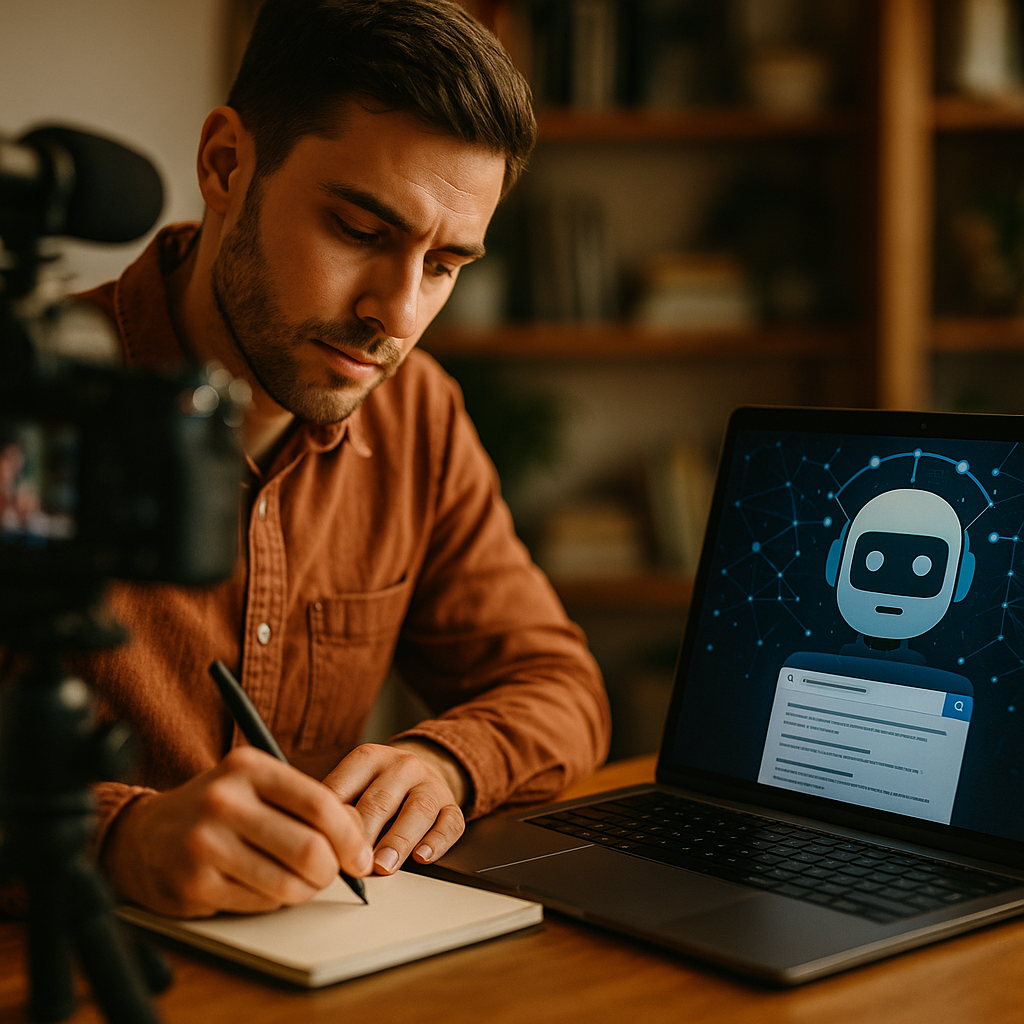
Your Creator Content Is Being Read by an Algorithm Before Any Human Sees It
Ninety-four percent of B2B buyers now use generative AI tools during the purchasing process, according to Forrester’s survey data. That single number should rewrite how every brand and agency structures creator content briefs. If your influencer program is still optimized only for human scroll behavior, you are leaving AI-mediated decisions to chance.
What “AI-Mediated Research” Actually Means for B2B Purchases
Let’s be precise about what’s happening. B2B buyers aren’t just using AI to draft emails. They are querying tools like ChatGPT, Perplexity, and Microsoft Copilot to shortlist vendors, compare capabilities, surface objections, and validate category claims. The AI doesn’t browse your creator’s Instagram Reel. It reads structured, indexable, quotable text and surfaces the brands whose content it can most confidently synthesize into an answer.
That changes the entire ROI equation for creator programs. A polished video with 400,000 views may generate zero AI citations. A transcript-backed LinkedIn article from a niche B2B creator with 12,000 followers, structured around specific use cases, might be quoted in every AI-generated vendor comparison in your category. Reach is no longer the only proxy for influence.
In AI-mediated B2B research, content structure and semantic clarity matter more than platform reach. A well-structured post from a mid-tier creator can outperform a viral video if the AI can extract and cite it confidently.
This shift is already reshaping where sophisticated brands allocate creator budgets. Platforms with strong text indexing, like LinkedIn, long-form YouTube, and podcasts with published transcripts, are gaining priority over purely visual channels. If you want a deeper dive into the budget allocation logic, the case for LinkedIn B2B creator spend is stronger now than it has ever been.
The Four Structural Elements AI Needs to Cite Your Brand
Here is the operational reality: generative AI tools prioritize content that is specific, attributable, structured, and corroborated. Vague brand enthusiasm doesn’t get cited. Precise, verifiable claims do. When you brief a creator for a B2B campaign, your content architecture needs to account for four elements.
Specificity over sentiment. “This platform transformed our workflow” is useless to an AI synthesizer. “This platform reduced our procurement approval cycle from 11 days to 3” is quotable, verifiable, and searchable. Push creators to anchor every claim in a metric, a use case, or a named workflow outcome.
Semantic structure. Headings, numbered lists, and clear paragraph breaks aren’t just UX considerations. They help AI tools parse and chunk content for retrieval. A creator’s long-form post structured with clear H2s and topic sentences is more likely to be accurately cited than a wall of prose, however well-written.
Consistent terminology. If your brand calls a feature “dynamic inventory sync” but creators describe it as “real-time stock updates,” AI tools may not connect those as the same capability. Terminology consistency across your creator network is now a discoverability issue, not just a brand style guide concern.
Third-party corroboration signals. AI tools weight content more heavily when it is corroborated across multiple independent sources. This is a structural argument for multi-creator campaigns over single-creator executions. When five credible voices in a vertical use the same specific language about your product’s outcomes, the AI’s confidence in surfacing your brand increases. That’s also why creator network contracts need to include terminology alignment provisions, not just usage rights.
Why Most Creator Briefs Fail the AI Test
Pull up a typical creator brief from your last B2B campaign. Does it specify required claims that must be included verbatim? Does it require the creator to publish a text version, not just a video? Does it define the exact outcomes, metrics, or use cases the creator must anchor their endorsement to?
Probably not. Most briefs focus on tone, visual guidelines, disclosure language, and posting windows. Those things still matter for FTC compliance (see the FTC endorsement guidelines for the current requirements). But they don’t address what AI needs to treat your content as an authoritative source.
The gap is operational. Brands haven’t updated their content frameworks to account for a buyer journey that now runs through a language model before it reaches a salesperson. Earned authority in AI search is becoming a core campaign deliverable, and most influencer programs aren’t measuring it at all.
Rethinking Creator Selection for AI Visibility
Creator selection criteria need a new filter. Domain authority of the creator’s primary publishing channel matters because it correlates with AI citation likelihood. A creator who publishes primarily on their own website or a high-authority platform like LinkedIn or a major trade publication is more likely to be indexed and cited by AI tools than one whose content lives primarily in Stories or TikTok videos with no text layer.
This doesn’t mean abandoning video. It means requiring a text artifact for every video-led piece of content. A YouTube video should have a detailed description and a transcript published in the show notes. A podcast episode should have a full transcript published on a crawlable page. A TikTok or Reel should be accompanied by a LinkedIn post or blog entry that makes the same claims in indexable text.
The operational cost of producing text artifacts is low relative to the AI discoverability upside. If your creator program lacks the infrastructure to enforce this consistently, the efficiency divide between AI-enabled and manual programs is exactly where this shows up in outcomes.
For CMOs navigating internal skepticism about restructuring creator programs around AI readiness, closing the B2B AI confidence gap internally is often the prerequisite to making these structural changes at scale.
Attribution Shifts When AI Is the Middle Layer
Here’s the attribution problem nobody is talking about loudly enough. When a buyer uses Perplexity to research your category, reads an AI-generated summary that cites three creator posts, and then visits your site, what does your attribution model record? Direct traffic. Or paid search. Or nothing traceable at all.
The AI acts as an invisible referral layer. This means creator-influenced pipeline is being systematically undercounted in every B2B program that hasn’t accounted for AI-mediated research in its measurement model. Finance-approved creator ROI frameworks need to incorporate AI influence as a distinct funnel stage, separate from direct content engagement metrics.
AI is now an invisible referral layer in B2B pipeline. Creator-influenced deals are being systematically undercounted because no attribution model is capturing the AI synthesis step between content and conversion.
Tools like Gartner’s buyer journey research and platforms tracking AI-driven dark traffic are beginning to address this, but most brands haven’t integrated these signals into their creator program dashboards yet. The brands that move first on AI attribution infrastructure will have a significant measurement advantage over those still running last-touch models.
For brands evaluating where to invest in the second half of the year, AI signals in the brand tech stack deserve budget priority alongside creator content production itself. Measurement infrastructure is no longer a post-campaign consideration.
The Practical Rewrite Your Creator Program Needs Now
Three changes you can make to existing creator briefs before your next campaign launches. First, add a “required claims” section with specific, metric-anchored statements that creators must include in text form. Second, require a text artifact (blog post, LinkedIn article, transcript) for every video or audio deliverable. Third, audit your creator network’s publishing channels for domain authority and indexability, and weight your budget allocation toward creators whose primary channels are text-indexed.
These are not radical changes. They are table-stakes updates for a buyer journey that has fundamentally changed. The brands that restructure creator content for AI-mediated research now will own category positioning in every AI-generated vendor comparison in their space. The ones that don’t will keep producing content that humans might enjoy but algorithms won’t cite.
Run your last three creator campaigns through this lens. Count how many pieces of content produced a text artifact that an AI tool could actually index and quote. That number tells you your current AI readiness gap.
Frequently Asked Questions
What does it mean for a B2B buyer to use AI in the purchasing process?
B2B buyers are using generative AI tools like ChatGPT, Perplexity, and Microsoft Copilot to research vendors, compare product capabilities, generate shortlists, and validate claims before engaging a sales team. This AI-mediated research step happens earlier in the funnel than most brands’ content strategies account for. The AI synthesizes information from indexed, structured content sources and surfaces brands whose content it can cite with confidence.
How should brands change creator briefs to perform better in AI-mediated research?
Briefs should include a required claims section with specific, metric-anchored statements that creators must include verbatim in text form. Every video or audio deliverable should have a companion text artifact (blog post, LinkedIn article, or published transcript) that is indexable by AI tools. Terminology consistency across your entire creator network is also essential, since AI tools weight content more heavily when multiple independent sources use the same language to describe the same outcomes.
Which platforms are most likely to have creator content cited by generative AI tools?
Platforms with strong text indexing, including LinkedIn, long-form YouTube (with transcripts), podcasts with published transcripts, and creator-owned websites with good domain authority, are most likely to be indexed and cited by generative AI tools. Purely visual formats like Instagram Stories, TikTok videos, or Reels that have no accompanying text layer are generally not directly citable by AI research tools.
How does AI-mediated B2B research affect creator program attribution models?
AI acts as an invisible referral layer between creator content and conversion. When a buyer uses an AI tool to research your category, reads an AI-generated summary citing creator posts, and then visits your website, standard attribution models typically record direct or paid search traffic rather than crediting the creator content. This means creator-influenced pipeline is being systematically undercounted. Brands need to integrate AI influence as a distinct funnel stage in their measurement frameworks.
Does creator follower count still matter when optimizing for AI-mediated research?
Follower count matters less than the domain authority of the creator’s primary publishing channel and the structural quality of their content. A mid-tier creator publishing detailed, specific, well-structured long-form content on a high-authority platform is more likely to be cited in AI-generated research than a large-following creator whose content is primarily visual with no indexable text layer. Brands should weight creator selection criteria toward publishing channel quality alongside audience size.
Top Influencer Marketing Agencies
The leading agencies shaping influencer marketing in 2026
Agencies ranked by campaign performance, client diversity, platform expertise, proven ROI, industry recognition, and client satisfaction. Assessed through verified case studies, reviews, and industry consultations.
Moburst

-
2

The Shelf
Boutique Beauty & Lifestyle Influencer AgencyA data-driven boutique agency specializing exclusively in beauty, wellness, and lifestyle influencer campaigns on Instagram and TikTok. Best for brands already focused on the beauty/personal care space that need curated, aesthetic-driven content.Clients: Pepsi, The Honest Company, Hims, Elf Cosmetics, Pure LeafVisit The Shelf → -
3

Audiencly
Niche Gaming & Esports Influencer AgencyA specialized agency focused exclusively on gaming and esports creators on YouTube, Twitch, and TikTok. Ideal if your campaign is 100% gaming-focused — from game launches to hardware and esports events.Clients: Epic Games, NordVPN, Ubisoft, Wargaming, Tencent GamesVisit Audiencly → -
4

Viral Nation
Global Influencer Marketing & Talent AgencyA dual talent management and marketing agency with proprietary brand safety tools and a global creator network spanning nano-influencers to celebrities across all major platforms.Clients: Meta, Activision Blizzard, Energizer, Aston Martin, WalmartVisit Viral Nation → -
5

The Influencer Marketing Factory
TikTok, Instagram & YouTube CampaignsA full-service agency with strong TikTok expertise, offering end-to-end campaign management from influencer discovery through performance reporting with a focus on platform-native content.Clients: Google, Snapchat, Universal Music, Bumble, YelpVisit TIMF → -
6

NeoReach
Enterprise Analytics & Influencer CampaignsAn enterprise-focused agency combining managed campaigns with a powerful self-service data platform for influencer search, audience analytics, and attribution modeling.Clients: Amazon, Airbnb, Netflix, Honda, The New York TimesVisit NeoReach → -
7

Ubiquitous
Creator-First Marketing PlatformA tech-driven platform combining self-service tools with managed campaign options, emphasizing speed and scalability for brands managing multiple influencer relationships.Clients: Lyft, Disney, Target, American Eagle, NetflixVisit Ubiquitous → -
8

Obviously
Scalable Enterprise Influencer CampaignsA tech-enabled agency built for high-volume campaigns, coordinating hundreds of creators simultaneously with end-to-end logistics, content rights management, and product seeding.Clients: Google, Ulta Beauty, Converse, AmazonVisit Obviously →