


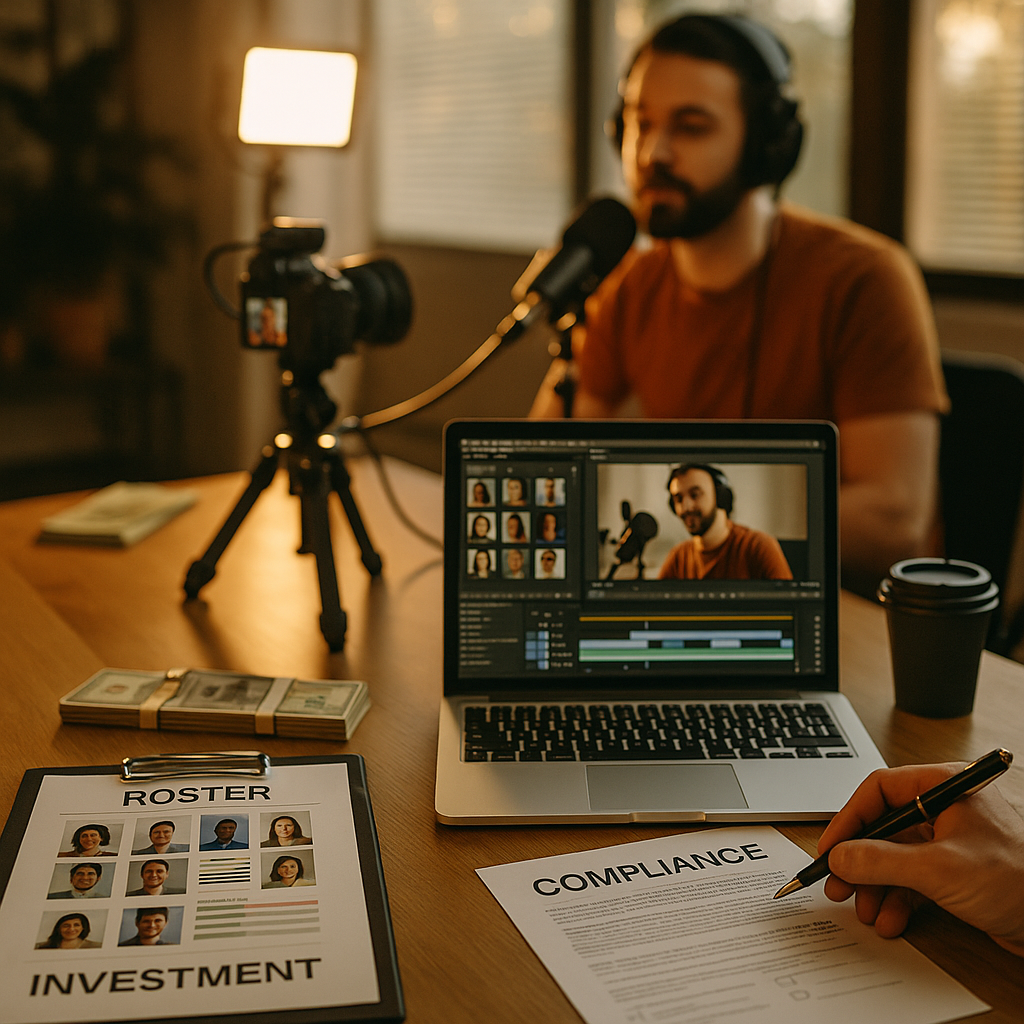
Brands that still evaluate creators primarily on follower count are operating on outdated logic. The creator economy has quietly shifted underneath them, and the gap between high-performing and underperforming roster investments now comes down to three measurable competencies: production quality, audience-state targeting, and disclosure compliance. Get these wrong and the budget bleeds quietly.
The Follower Count Era Is Officially Over
For years, the influencer selection process looked roughly like this: find someone with a large audience in the right demographic, negotiate a flat fee, hope the content lands. That framework worked when the bar for “good content” was low and platforms rewarded raw reach. Neither of those conditions holds today.
Platform algorithms across TikTok, Instagram, and YouTube now distribute content based on signals of quality and contextual relevance, not just social graph connections. A creator with 200,000 highly engaged followers in a purchase-intent mindset can outperform a creator with 2 million passive scrollers. The metric that matters has shifted from audience size to audience state, and most brand teams haven’t fully operationalized that distinction.
Creators who can identify and activate audiences in an active consideration state, not just an awareness state, are generating conversion rates that justify 2-3x higher per-post investment. Brands that recognize this are restructuring their entire tier strategy.
The data supports the reorientation. According to eMarketer, influencer marketing spend continues to grow well into the mid-twenties in billions globally, but the composition of that spend is shifting toward fewer, higher-quality creator relationships. That’s not a coincidence. It reflects brands learning, sometimes painfully, that roster breadth without competency depth is a waste of media dollars.
Production Quality as a Qualifying Standard
The threshold for what constitutes professional-grade creator content has risen sharply. Audiences on YouTube and TikTok have been trained by an arms race of production quality. They tolerate rough edges from creators they trust, but they punish brands that deliver substandard visual or audio quality through paid partnerships. The signal is clear: poor production reflects on the brand, not just the creator.
What does this mean for procurement? It means production capability is now a baseline qualification, not a bonus. Brands running serious programs are auditing creator portfolios for lighting consistency, audio clarity, editing sophistication, and teleprompter-free delivery. These aren’t vanity metrics. They correlate directly with watch time, completion rates, and brand recall scores.
Agencies managing creator rosters have started building formal competency scorecards. Some are incorporating certification frameworks into their vetting processes, which connects directly to how creator certifications are reshaping discovery at the roster strategy level. If a creator can demonstrate certified knowledge of platform mechanics, brand safety standards, and content production fundamentals, they represent lower execution risk.
The operational implication for brand teams: update your creator brief template to include production standards as explicit deliverables, not polite suggestions. Specify aspect ratios, minimum audio quality, and whether on-screen product demonstrations are required. Vague briefs generate variable output. Variable output destroys campaign consistency.
Audience-State Targeting: The Competency Separating Tier-One Creators
This is where the real skill gap shows up. Most creators understand how to reach an audience. Far fewer understand how to read and respond to the emotional and intentional state that audience is in at the moment of content consumption.
Audience-state targeting is the ability to craft content that matches where a viewer is in their decision journey: discovery, consideration, or purchase. A creator who produces the same type of content regardless of platform context, time-of-day patterns, or campaign objective is leaving performance on the table. The ones who understand this distinction have started to command premium rates, and brands paying those rates are seeing the ROI justify it.
YouTube, in particular, has become a critical arena for audience-state content. Unlike TikTok’s interruption-heavy discovery feed, YouTube viewers often arrive with intent. They’re searching for reviews, tutorials, and comparisons. Creators who understand how to structure long-form content around purchase consideration moments are genuinely more valuable than those who can’t. If your brand is reevaluating YouTube budget allocation, the audience-state capability of your creator roster should be a core input to that decision.
Instagram’s algorithm changes have added another layer of complexity. The platform’s push toward content discovery beyond existing followers rewards creators who can generate engagement from cold audiences, which requires an entirely different content architecture than nurturing an existing community. Understanding those mechanics, and finding creators who have mastered them, is now a competitive advantage. Brands navigating Instagram’s algorithm shifts and their paid media implications need creators who actively study platform behavior, not ones coasting on legacy follower relationships.
Disclosure Compliance Is No Longer Optional Risk Management
Straightforward point: non-compliant sponsored content is a liability, not just an ethical inconvenience. The FTC’s endorsement guidelines in the US and equivalent frameworks from the UK’s ICO and EU regulators have teeth now. Fines for non-disclosure are documented. Class-action exposure for brands that benefit from deceptive influencer posts is real and growing. Any brand that treats disclosure as a creator’s problem rather than a brand’s risk is one viral complaint away from a very expensive legal education.
The skill dimension here matters as much as the compliance dimension. Effective disclosure isn’t just slapping #ad on a post and moving on. It’s understanding how to disclose in a way that maintains audience trust while satisfying regulatory requirements. Creators who have invested in understanding these frameworks, particularly those working in regulated categories like finance, health, and supplements, are genuinely more valuable to brand partners operating in those spaces.
From an operational standpoint, brands should be contractually requiring disclosure compliance, conducting spot audits of live content within 24 hours of posting, and tracking compliance rates as a creator performance metric. This isn’t paranoia. It’s basic risk management that protects media spend and brand reputation simultaneously. For a deeper look at how these pressures are reshaping broader roster and measurement decisions, the structural implications go well beyond compliance alone.
How Brands Are Restructuring Roster Investment
The practical outcome of this skill shift is consolidation. Brands are moving away from wide, shallow rosters toward narrower, deeper creator relationships. Instead of seeding 80 micro-creators with a product box and minimal direction, forward-thinking brand teams are investing in 10-20 creators they’ve thoroughly vetted across production quality, audience-state sophistication, and compliance track record.
This consolidation has budget implications. Per-creator investment goes up. Total creator headcount goes down. But the performance-per-dollar metric improves significantly when the baseline competency of every creator on the roster is high. That’s not intuition: brands running creator program audits consistently identify the same three competency gaps dragging down overall program performance.
The consolidation trend is also changing how brands think about creator contracts. Longer-term agreements, sometimes spanning 6-12 months, are replacing one-off activations. This gives creators time to develop genuine product knowledge and gives brands the consistency of voice and audience familiarity that drives conversion. It also creates leverage for brands to invest in creator development, providing production support, platform strategy coaching, and compliance training as part of the partnership structure.
The brands winning in creator investment right now aren’t necessarily spending more. They’re spending more deliberately, on fewer creators with verifiable skills across production, targeting, and compliance.
Measurement frameworks are evolving alongside roster strategy. CPM-based evaluation is giving way to metrics that capture audience-state alignment: click-through rates segmented by content type, conversion attribution by creator tier, and brand recall lift studies. Platforms like Sprout Social and influencer analytics tools such as HubSpot’s CRM integrations are making it easier to tie creator activity to downstream pipeline metrics, which is forcing a more rigorous standard of evidence for what counts as “good” creator performance.
The brands that figure this out first will build roster advantages that are genuinely difficult to replicate. Skilled creators at this level don’t have unlimited availability, and the ones who understand production, audience-state mechanics, and compliance are getting locked into exclusive or semi-exclusive arrangements fast. Waiting for the market to mature further before restructuring your roster strategy means competing for a shrinking pool of available talent at higher rates.
Start with an honest audit of your current creator roster against these three competency dimensions. Score each creator. Identify your bottom quartile. Reallocate that budget toward deeper investment in your top performers and targeted recruitment of creators who have demonstrably closed the skill gaps your program currently has.
FAQs
What is audience-state targeting in influencer marketing?
Audience-state targeting refers to a creator’s ability to identify and activate their audience based on where viewers are in the purchase decision journey — discovery, consideration, or purchase intent. Creators skilled in audience-state targeting craft content that matches the emotional and intentional context of consumption, which drives higher conversion rates compared to generic awareness content.
Why is production quality now a baseline requirement for brand partnerships?
Platform algorithms and audience expectations have both risen significantly. Poor production quality in sponsored content reflects negatively on the brand, reduces watch time and completion rates, and lowers brand recall. Brands now treat production standards as a qualifying threshold rather than a differentiator, because substandard content underperforms regardless of audience size.
How should brands contractually address disclosure compliance with creators?
Contracts should explicitly require compliance with relevant regulatory frameworks (FTC guidelines in the US, ASA standards in the UK, and equivalent EU rules). Brands should also conduct post-publication spot audits within 24 hours of content going live, track compliance rates as a creator performance metric, and include cure periods and termination clauses for repeated non-compliance.
What does roster consolidation mean for influencer program budgets?
Roster consolidation means reducing total creator headcount while increasing per-creator investment. This typically results in higher individual contract values but improved overall ROI, because every creator on a consolidated roster meets a higher baseline competency standard. The budget saved from eliminating underperforming creators funds deeper relationships with high-performing ones.
How can brands evaluate creator competency before signing contracts?
Brands can evaluate competency through portfolio audits (reviewing production quality across recent content), platform analytics review (checking engagement rates, watch time, and audience demographics), compliance history checks (auditing past sponsored posts for proper disclosure), and through formal certification signals from frameworks like those issued by ARPP or IAB-UK.
Top Influencer Marketing Agencies
The leading agencies shaping influencer marketing in 2026
Agencies ranked by campaign performance, client diversity, platform expertise, proven ROI, industry recognition, and client satisfaction. Assessed through verified case studies, reviews, and industry consultations.
Moburst

-
2

The Shelf
Boutique Beauty & Lifestyle Influencer AgencyA data-driven boutique agency specializing exclusively in beauty, wellness, and lifestyle influencer campaigns on Instagram and TikTok. Best for brands already focused on the beauty/personal care space that need curated, aesthetic-driven content.Clients: Pepsi, The Honest Company, Hims, Elf Cosmetics, Pure LeafVisit The Shelf → -
3

Audiencly
Niche Gaming & Esports Influencer AgencyA specialized agency focused exclusively on gaming and esports creators on YouTube, Twitch, and TikTok. Ideal if your campaign is 100% gaming-focused — from game launches to hardware and esports events.Clients: Epic Games, NordVPN, Ubisoft, Wargaming, Tencent GamesVisit Audiencly → -
4

Viral Nation
Global Influencer Marketing & Talent AgencyA dual talent management and marketing agency with proprietary brand safety tools and a global creator network spanning nano-influencers to celebrities across all major platforms.Clients: Meta, Activision Blizzard, Energizer, Aston Martin, WalmartVisit Viral Nation → -
5

The Influencer Marketing Factory
TikTok, Instagram & YouTube CampaignsA full-service agency with strong TikTok expertise, offering end-to-end campaign management from influencer discovery through performance reporting with a focus on platform-native content.Clients: Google, Snapchat, Universal Music, Bumble, YelpVisit TIMF → -
6

NeoReach
Enterprise Analytics & Influencer CampaignsAn enterprise-focused agency combining managed campaigns with a powerful self-service data platform for influencer search, audience analytics, and attribution modeling.Clients: Amazon, Airbnb, Netflix, Honda, The New York TimesVisit NeoReach → -
7

Ubiquitous
Creator-First Marketing PlatformA tech-driven platform combining self-service tools with managed campaign options, emphasizing speed and scalability for brands managing multiple influencer relationships.Clients: Lyft, Disney, Target, American Eagle, NetflixVisit Ubiquitous → -
8

Obviously
Scalable Enterprise Influencer CampaignsA tech-enabled agency built for high-volume campaigns, coordinating hundreds of creators simultaneously with end-to-end logistics, content rights management, and product seeding.Clients: Google, Ulta Beauty, Converse, AmazonVisit Obviously →