


Most Micro-Influencer Deals Are Leaving Money on the Table
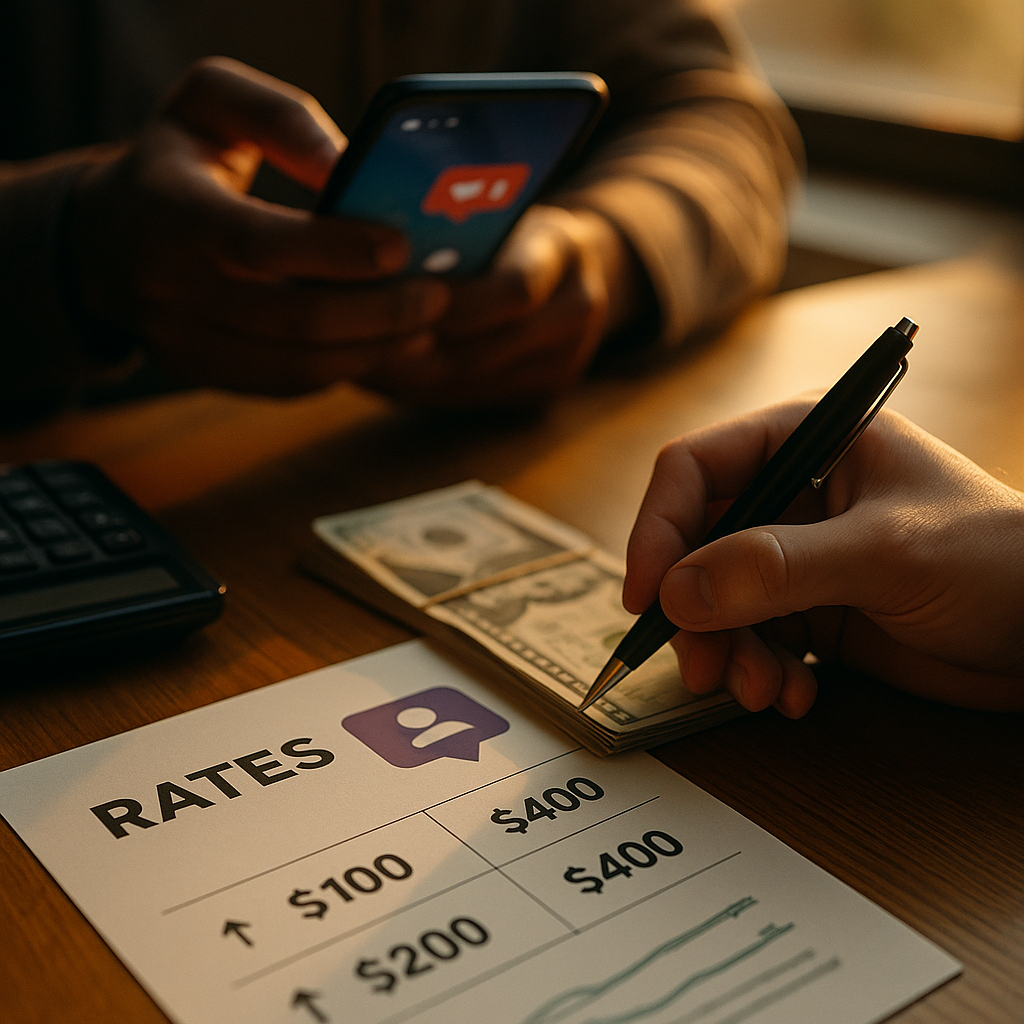
Flat-fee contracts dominate the micro-influencer space, yet eMarketer data consistently shows that performance-linked creator deals outperform flat-rate equivalents by 30–60% on cost-per-acquisition. The hybrid creator compensation model, combining a guaranteed base rate with performance escalators, is the structural fix most brand teams are still underusing.
The hesitation is understandable. Performance-tied pay sounds simple until your legal team raises FTC disclosure flags, your attribution model breaks down mid-flight, or your creator feels like they’re working on commission instead of as a brand partner. None of those problems are unsolvable. But they require a playbook, not a gut call.
Base Rate Architecture: Setting the Floor Without Overpaying
The $100–$5,000 per-post range for micro-influencers (generally defined as 10,000–100,000 followers) is not a uniform band. Where a creator lands depends on platform, content format, niche specificity, and documented engagement quality. Paying a skincare creator with 40K hyper-engaged followers the same as a general lifestyle creator at 90K is a valuation error.
Start with a rate floor tied to three variables: engagement rate benchmarks by vertical, platform CPM norms, and content production complexity. A TikTok creator producing talking-head content sits differently than one delivering edited recipe videos with licensed music clearance. fee benchmarking beyond follower count is the operating principle that separates sophisticated programs from follower-math guesswork.
Practically speaking, here’s a working base rate framework by creator tier and platform for a single sponsored post:
- 10K–25K followers: $100–$400 (Instagram static/Reel), $150–$500 (TikTok)
- 25K–50K followers: $400–$1,200 (Instagram), $500–$1,500 (TikTok), $300–$900 (YouTube Shorts)
- 50K–100K followers: $1,200–$3,500 (Instagram), $1,500–$4,000 (TikTok), $2,000–$5,000 (YouTube dedicated segment)
These are not ceiling numbers. They’re starting points before performance adjustments. The base rate should cover the creator’s time and production cost, period. That framing matters for the negotiation conversation and for FTC compliance, as we’ll get to shortly.
How Performance Escalators Actually Work
Performance escalators are conditional bonuses paid after a post goes live, triggered by measurable outcomes within a defined conversion window. The window matters enormously. Thirty-day attribution is too loose for short-form content where virality or decay happens in the first 72 hours. Seven-day windows are the current industry standard for TikTok and Instagram Reels. For YouTube integrations, 14 days is defensible given longer content shelf life.
The most effective escalator structures use a tiered bonus table rather than a single performance threshold. This keeps creators motivated throughout the attribution window, not just at launch.
A clean escalator table for a $500 base-rate TikTok post might look like this:
- 7-day tracked clicks via unique UTM: 500–999 clicks = +$150 bonus
- 1,000–2,499 clicks = +$400 bonus
- 2,500+ clicks = +$800 bonus
- Verified conversions (first-touch, platform pixel): 10–24 = +$500 bonus
- 25+ conversions = +$1,200 bonus
Clicks and conversions can stack or be structured as mutually exclusive depending on your attribution model. Platforms like TikTok for Business and Meta Business Suite both support creator-linked UTM tracking and pixel-based conversion events that make this operationally feasible at scale.
For teams managing rosters of 20+ micro-creators simultaneously, tools like Grin, Aspire, or Impact.com handle the automated bonus calculation layer, pulling conversion data and triggering payments without manual reconciliation. That’s not a luxury feature anymore; it’s table stakes for programs operating above ten concurrent campaigns.
See how this connects to broader hybrid flat-fee and performance bonus contracts for operational templates that hold up under legal review.
The FTC Disclosure Trap Most Brands Walk Into
Here is where most legal-marketing handoffs go wrong. Performance-based compensation does not change your disclosure obligation; it intensifies scrutiny. The FTC’s endorsement guidelines require clear disclosure whenever there’s a “material connection” between a brand and a creator. Paying a bonus for conversions is a material connection. Full stop.
The trap is structural, not intentional. Brands build escalator contracts, creators post with “#ad” in caption line four after three lines of text that collapse in the feed, and the FTC’s guidelines specify that disclosure must be clear and conspicuous, meaning visible without expanding the caption. That’s the violation pattern that’s generating enforcement attention.
Disclosure requirements for hybrid compensation models should be explicitly documented in your creator contract. The contract should specify:
- The exact disclosure language required (e.g., “#Ad” or “Paid partnership with [Brand]” at the start of captions)
- That the disclosure applies to all content related to the campaign, including Stories and follow-up posts
- That performance bonuses do not alter the disclosure requirement
- Creator acknowledgment that they have reviewed FTC guidelines
Using Instagram’s native “Paid Partnership” label and TikTok’s “Branded Content” toggle covers platform-side disclosure. Both are now standard operating requirements, not optional. Your contract should mandate both the native tag and a caption-level disclosure for double coverage.
One clarification worth making: performance bonuses paid post-campaign are not the same as affiliate commission structures. Affiliate links (think rewardStyle, LTK, ShareASale) create an ongoing financial relationship per transaction that requires its own disclosure language. If you’re running both an upfront hybrid deal and an affiliate code simultaneously, those need to be disclosed distinctly in the content.
Short-Window Conversion Data: What to Track and What to Ignore
Not all conversion signals are equally reliable within a 7-day window. Direct platform clicks via tracked links are the cleanest signal. Pixel-based conversion events are strong but subject to iOS privacy limitations that reduce match rates, particularly on Meta. View-through conversions within 24 hours are useful directionally but should never anchor a bonus payout structure because they’re too easily inflated.
Promo codes solve the attribution problem elegantly for mid-funnel conversions. A unique, creator-specific discount code removes platform dependency entirely and creates a clean purchase signal. The tradeoff: promo codes slightly dilute brand pricing power and require SKU-level discount tracking on the commerce backend. For brands on Shopify or similar platforms, this is a 15-minute setup. The payoff in attribution clarity is worth it.
For deeper micro-influencer CTR and CPA benchmarks, understanding what “good” looks like by vertical prevents brands from setting escalator thresholds that are either unachievable (killing creator motivation) or so low they destroy the economics of the bonus structure.
Set escalator thresholds at 1.2x your historical baseline for that creator tier and platform. That’s enough stretch to make the bonus meaningful without making it a lottery ticket.
Revenue Sharing vs. Performance Escalators: Know the Difference
Revenue sharing, where a creator earns a percentage of total attributed sales, is a different model from performance escalators. Both are legitimate. They serve different program types and creator relationships.
Escalators work best for campaign-specific activations with defined windows. Revenue sharing works better for always-on ambassador relationships where the creator has genuine product affinity and a long content runway. The revenue-sharing creator model for tiered rosters unpacks when that structure makes more financial sense than a fixed bonus table.
For most brand teams running quarterly campaign cycles, escalators are operationally cleaner. They cap liability, keep budget forecasting manageable, and give creators a predictable upside without requiring the brand to open its full revenue attribution infrastructure to outside parties.
Measurement Infrastructure That Holds Up
None of this works without the right measurement foundation. UTM parameter discipline, platform pixel installation, and creator-specific tracking links need to be set up before the campaign brief goes out, not after the post goes live. Retroactive attribution is a fantasy.
Consider connecting your campaign measurement infrastructure to a single source of truth dashboard (Looker Studio, Northbeam, or Triple Whale are common choices) that aggregates cross-platform conversion data in real time. This removes the dispute surface when a creator believes their content drove more conversions than your records show.
Transparency in the data layer is not just good practice; it’s relationship protection. Share the dashboard access with creators. When they can see their own performance data in real time, they optimize their content behavior during the attribution window, often posting organic follow-up content that drives incremental conversions without any additional spend from the brand. That’s free performance media. Turning UGC into paid media within the same window amplifies those signals further.
The brands winning with micro-influencer programs aren’t paying more. They’re paying smarter, with base rates that reflect real content value and escalators that align creator incentives with actual business outcomes. Build the contract, build the disclosure language, and build the measurement layer simultaneously. Start with one creator, prove the model, then scale it.
FAQs
What is a hybrid creator compensation model?
A hybrid creator compensation model combines a guaranteed flat-fee base rate with conditional performance bonuses, called escalators, that are paid after a post goes live based on measurable outcomes like clicks, conversions, or promo code redemptions within a defined attribution window.
Do performance bonuses require additional FTC disclosures?
No additional disclosure format is required beyond standard paid partnership disclosure, but the disclosure obligation is unchanged. Any material financial connection between a brand and creator, including performance bonuses, must be clearly and conspicuously disclosed. Brands should mandate both platform-native disclosure tags and caption-level disclosure language in creator contracts.
What attribution window should brands use for micro-influencer performance escalators?
Seven days is the current industry standard for TikTok and Instagram Reels. Fourteen days is appropriate for YouTube integrations due to longer content shelf life. View-through attribution within 24 hours can be used directionally but should not anchor bonus payouts due to reliability concerns under iOS privacy restrictions.
How do you set performance escalator thresholds?
Set thresholds at approximately 1.2x your historical baseline conversion rate for that creator tier and platform. Thresholds set too high demotivate creators; thresholds set too low destroy the economics of the bonus structure. Tiered bonus tables with multiple performance levels maintain creator motivation throughout the full attribution window.
What is the difference between performance escalators and revenue sharing?
Performance escalators are campaign-specific conditional bonuses with defined caps and windows, making them easier to budget and manage. Revenue sharing gives creators a percentage of total attributed sales over an ongoing period and is better suited for long-term ambassador relationships. Escalators are operationally cleaner for brands running quarterly campaign cycles.
What tools support hybrid creator compensation tracking?
Platforms like Grin, Aspire, and Impact.com support automated bonus calculation using UTM tracking and conversion data. For attribution aggregation, tools like Northbeam, Triple Whale, and Looker Studio can serve as a single source of truth dashboard. Creator-specific promo codes on Shopify-based stores offer a platform-independent conversion signal that bypasses iOS pixel match rate limitations.
Top Influencer Marketing Agencies
The leading agencies shaping influencer marketing in 2026
Agencies ranked by campaign performance, client diversity, platform expertise, proven ROI, industry recognition, and client satisfaction. Assessed through verified case studies, reviews, and industry consultations.
Moburst

-
2

The Shelf
Boutique Beauty & Lifestyle Influencer AgencyA data-driven boutique agency specializing exclusively in beauty, wellness, and lifestyle influencer campaigns on Instagram and TikTok. Best for brands already focused on the beauty/personal care space that need curated, aesthetic-driven content.Clients: Pepsi, The Honest Company, Hims, Elf Cosmetics, Pure LeafVisit The Shelf → -
3

Audiencly
Niche Gaming & Esports Influencer AgencyA specialized agency focused exclusively on gaming and esports creators on YouTube, Twitch, and TikTok. Ideal if your campaign is 100% gaming-focused — from game launches to hardware and esports events.Clients: Epic Games, NordVPN, Ubisoft, Wargaming, Tencent GamesVisit Audiencly → -
4

Viral Nation
Global Influencer Marketing & Talent AgencyA dual talent management and marketing agency with proprietary brand safety tools and a global creator network spanning nano-influencers to celebrities across all major platforms.Clients: Meta, Activision Blizzard, Energizer, Aston Martin, WalmartVisit Viral Nation → -
5

The Influencer Marketing Factory
TikTok, Instagram & YouTube CampaignsA full-service agency with strong TikTok expertise, offering end-to-end campaign management from influencer discovery through performance reporting with a focus on platform-native content.Clients: Google, Snapchat, Universal Music, Bumble, YelpVisit TIMF → -
6

NeoReach
Enterprise Analytics & Influencer CampaignsAn enterprise-focused agency combining managed campaigns with a powerful self-service data platform for influencer search, audience analytics, and attribution modeling.Clients: Amazon, Airbnb, Netflix, Honda, The New York TimesVisit NeoReach → -
7

Ubiquitous
Creator-First Marketing PlatformA tech-driven platform combining self-service tools with managed campaign options, emphasizing speed and scalability for brands managing multiple influencer relationships.Clients: Lyft, Disney, Target, American Eagle, NetflixVisit Ubiquitous → -
8

Obviously
Scalable Enterprise Influencer CampaignsA tech-enabled agency built for high-volume campaigns, coordinating hundreds of creators simultaneously with end-to-end logistics, content rights management, and product seeding.Clients: Google, Ulta Beauty, Converse, AmazonVisit Obviously →