


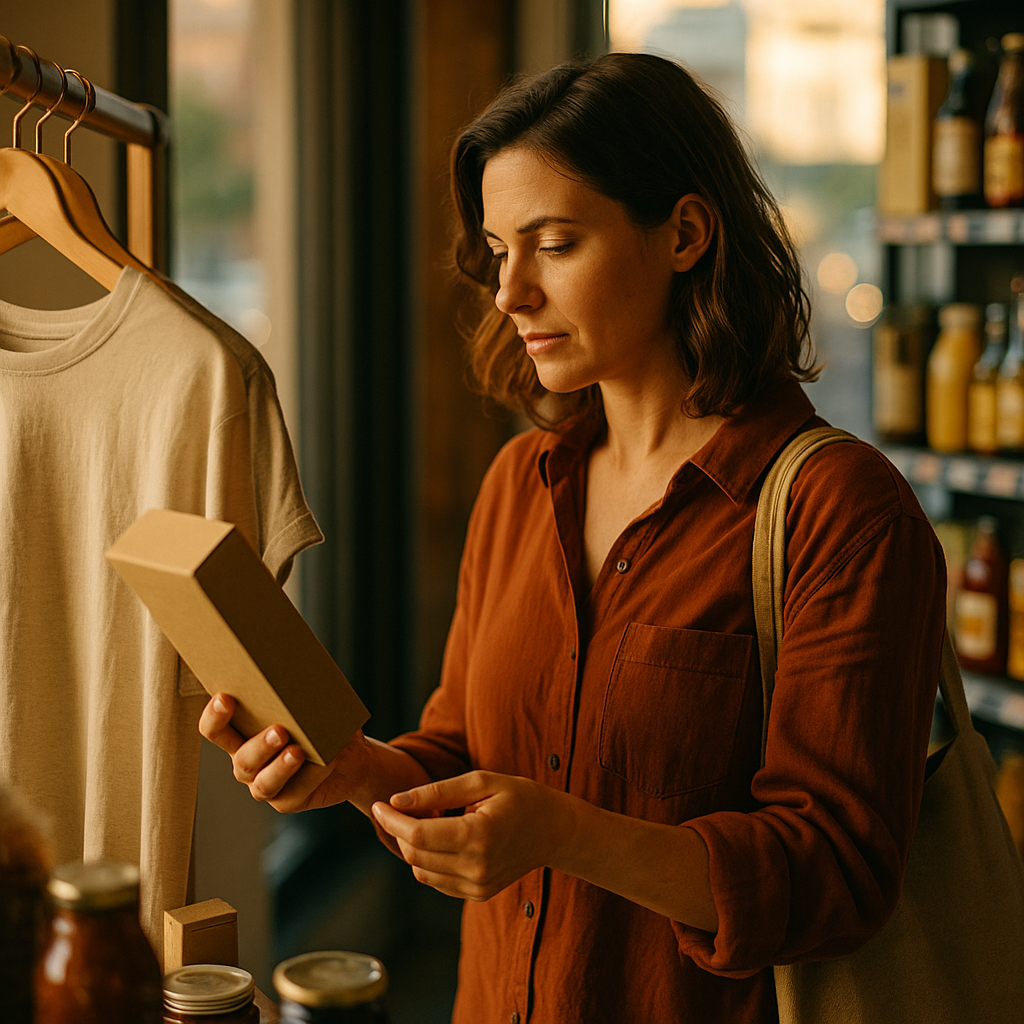
Sixty-one percent of consumers say they’re trying to buy less stuff, not more — and yet most CPG and fashion marketing calendars are still built around the assumption that growth means volume. Post-growth consumer sentiment isn’t a fringe TikTok trend anymore. It’s a structural shift in how people relate to brands, and it’s forcing a rethink of everything from campaign messaging to product roadmaps.
If your brand is still selling “more, bigger, newer” to a customer base quietly rebelling against overconsumption, you’re not just missing the moment. You’re actively eroding trust.
What “Post-Growth” Actually Means for Marketers
Post-growth isn’t anti-capitalism with a marketing budget. It’s a consumer posture that questions the default assumption that more consumption equals more wellbeing. Underconsumption Core, deinfluencing, “no-buy” challenges, capsule wardrobes — these aren’t isolated meme cycles. They’re symptoms of a broader fatigue with disposability, both financial and environmental.
The economics matter here too. Years of inflation pressure, tariff volatility, and stagnant real wages have made frugality aspirational again. When a consumer chooses a $12 tube of the “one good lip balm” over a haul of five mediocre ones, that’s not just budget discipline. It’s identity signaling. Deinfluencing content on TikTok routinely outperforms traditional haul videos in comment engagement, according to data cited by Sprout Social‘s consumer trend reporting — proof that “buy less” content resonates as much as “buy more.”
Post-growth sentiment doesn’t mean consumers stop buying. It means they buy with more scrutiny, more skepticism toward marketing claims, and a lower tolerance for brands that ignore the shift.
Why CPG Brands Feel This First
Consumer packaged goods live and die by repeat purchase velocity. That’s the entire model: buy it, use it, buy it again. Post-growth sentiment attacks that model at its foundation.
Refill formats, concentrate products, and “buy it for life” positioning are no longer niche sustainability plays — they’re becoming category expectations. Brands like L’Oréal and Unilever have both expanded refill and concentrate lines specifically because consumers are asking, out loud, why they’re paying to ship water in a plastic bottle. Household cleaning and personal care are the categories where this is most visible, but food and beverage aren’t immune either. Smaller pack sizes, “portion honesty,” and reduced packaging are all downstream effects of the same sentiment.
Here’s the uncomfortable part for CPG marketers: your growth targets probably haven’t changed even though your customer’s willingness to over-consume has. That gap has to be closed somewhere — through price architecture, new occasions, or genuine innovation, not through louder promotional cadence.
Fashion’s Reckoning Is Louder, and Faster
Fashion is where post-growth sentiment shows up most publicly, mostly because fast fashion built its entire growth story on the opposite behavior. Shein and Temu’s model depends on constant novelty and disposability. But resale platforms like ThredUp and The RealReal have posted consistent double-digit growth, and secondhand is increasingly the default starting point for younger shoppers rather than a backup option.
Rental, repair, and resale are no longer CSR talking points tucked into an annual report. They’re being built into core business models. Patagonia’s Worn Wear program, Levi’s tailor shops, and Lululemon’s “Like New” resale arm all point the same direction: brands monetizing the post-growth mindset instead of fighting it.
Ask yourself honestly: does your fashion brand’s marketing still lean on “new drop every week” urgency? If so, you’re speaking a dialect a growing share of your audience has stopped understanding.
The Trust Angle Nobody’s Pricing In
Post-growth sentiment is fundamentally a trust issue. Consumers who are skeptical of overconsumption are also, unsurprisingly, skeptical of marketing claims generally. That’s consistent with what Edelman’s trust research has shown for years: institutional and brand trust keeps sliding, while trust in peers and independent voices holds steadier. That dynamic is exactly why creators outperform corporate messaging on category credibility right now.
This is also where deinfluencing intersects with a broader skepticism trend. The same audience segment that questions whether they need another skincare serum is the one rejecting traditional ad claims outright. If your influencer program is still built around unboxing hauls and “you need this” urgency, you’re marketing into headwinds, not with them.
Smart brands are flipping the script: recruiting creators specifically to talk about product longevity, cost-per-wear, or “why I only own three of these” — content that mirrors deinfluencing tone but still drives a purchase decision. It works because it’s honest about scarcity of attention and money, which is precisely what post-growth consumers are signaling they want.
Rethinking the Metrics That Define “Success”
Marketing organizations built around volume-based KPIs — units sold, basket size, purchase frequency — will keep misreading post-growth signals as underperformance. It’s the same blind spot the industry is already confronting with vanity metrics losing credibility across the board. Retention, share of wallet within a smaller basket, and lifetime value from a loyal-but-leaner customer may matter more than raw transaction count going forward.
Consider tracking:
- Repeat purchase rate weighted by margin, not just volume
- Resale/trade-in program participation as a loyalty signal
- Content engagement on “buy less, buy better” messaging versus traditional promotional content
- Net Promoter Score segmented by self-identified “conscious consumers”
None of this means abandoning growth as a business objective. It means redefining where growth comes from: new use occasions, premiumization, category expansion, and services layered onto products (repair, resale, refill) rather than pure unit velocity.
What This Means for Influencer and Content Strategy
Post-growth consumers don’t want to be sold to less. They want to be sold to differently. That distinction matters for budget allocation.
A few tactical shifts worth testing:
- Shift creator briefs from haul-style to hold-style content. Ask creators to talk about what they’ve kept using for a year, not what arrived this week.
- Lean into micro and nano creators whose smaller, higher-trust audiences respond better to restraint-based messaging than mega-influencers tied to brand deals at volume.
- Pair paid media with owned trust assets. First-party content like direct mail or loyalty programs can carry a slower, more considered brand message that social feeds often can’t.
- Audit AI-generated ad creative for tone-deafness. Post-growth audiences are already primed to detect inauthenticity, and AI ad trust is already declining. Overproduced, hyper-consumerist AI creative will land worse with this segment than with almost any other.
None of this is about performing austerity for a skeptical audience. It’s about matching product truth to cultural mood, and being willing to say “you probably don’t need the bigger pack” when that’s actually true.
Regulatory Pressure Is Reinforcing the Shift
It’s not just consumer sentiment pushing brands here. Greenwashing enforcement is tightening globally, and vague sustainability or “reduce your footprint” claims are drawing more scrutiny from regulators. The FTC’s Green Guides and the UK’s ICO enforcement posture both signal that unsubstantiated environmental or “less is more” marketing claims carry real legal exposure now, not just reputational risk. Brands leaning into post-growth messaging need the same compliance rigor already being applied to AI-driven ad claims — substantiate before you publish.
Marketers should treat “buy less” or refill-focused campaigns the same way they’d treat any sustainability claim: with documented proof points, not just brand vibes. A survey of practitioners via eMarketer found sustainability messaging remains one of the highest-risk creative categories for regulatory challenge, precisely because so many brands treat it as tone rather than fact.
The Takeaway
Post-growth sentiment isn’t going away, and pretending your category is immune won’t slow it down. Audit your product line for genuine longevity plays (refill, resale, repair), rebuild at least one influencer program around trust-first content instead of haul urgency, and get legal sign-off on any “buy less” or sustainability claim before it goes live. The brands that adapt now will own the credibility later; the ones that don’t will keep burning budget on a growth story consumers have already stopped believing.
FAQs
What is post-growth consumer sentiment?
Post-growth consumer sentiment describes a shift in buyer psychology where consumers actively question whether more consumption improves their lives, often expressed through deinfluencing, minimalism, resale, and “no-buy” behaviors rather than a rejection of spending altogether.
How does post-growth sentiment affect CPG marketing specifically?
CPG brands built on repeat-purchase volume face pressure from refill formats, concentrate products, and reduced packaging expectations, all of which challenge traditional growth metrics based purely on unit sales.
Is deinfluencing a threat to influencer marketing budgets?
Not necessarily. Deinfluencing has proven that trust-first, restraint-based content can drive engagement and purchase intent just as effectively as traditional promotional content, meaning brands need to adjust creator briefs rather than cut influencer spend entirely.
How can fashion brands respond to anti-consumption attitudes without hurting sales?
Brands can build resale, rental, and repair programs into core business models, as seen with Patagonia’s Worn Wear and Lululemon’s resale arm, turning post-growth sentiment into a new revenue stream instead of resisting it.
What metrics should replace volume-based KPIs in a post-growth strategy?
Margin-weighted repeat purchase rate, resale or trade-in participation, and engagement on longevity-focused content are stronger indicators of brand health among post-growth consumers than raw transaction volume.
Are there legal risks to post-growth or sustainability marketing claims?
Yes. Regulators including the FTC and UK ICO are increasing scrutiny of unsubstantiated environmental and “buy less” claims, so brands should document proof points before launching this type of campaign.
Top Influencer Marketing Agencies
The leading agencies shaping influencer marketing in 2026
Agencies ranked by campaign performance, client diversity, platform expertise, proven ROI, industry recognition, and client satisfaction. Assessed through verified case studies, reviews, and industry consultations.
Moburst

-
2

The Shelf
Boutique Beauty & Lifestyle Influencer AgencyA data-driven boutique agency specializing exclusively in beauty, wellness, and lifestyle influencer campaigns on Instagram and TikTok. Best for brands already focused on the beauty/personal care space that need curated, aesthetic-driven content.Clients: Pepsi, The Honest Company, Hims, Elf Cosmetics, Pure LeafVisit The Shelf → -
3

Audiencly
Niche Gaming & Esports Influencer AgencyA specialized agency focused exclusively on gaming and esports creators on YouTube, Twitch, and TikTok. Ideal if your campaign is 100% gaming-focused — from game launches to hardware and esports events.Clients: Epic Games, NordVPN, Ubisoft, Wargaming, Tencent GamesVisit Audiencly → -
4

Viral Nation
Global Influencer Marketing & Talent AgencyA dual talent management and marketing agency with proprietary brand safety tools and a global creator network spanning nano-influencers to celebrities across all major platforms.Clients: Meta, Activision Blizzard, Energizer, Aston Martin, WalmartVisit Viral Nation → -
5

The Influencer Marketing Factory
TikTok, Instagram & YouTube CampaignsA full-service agency with strong TikTok expertise, offering end-to-end campaign management from influencer discovery through performance reporting with a focus on platform-native content.Clients: Google, Snapchat, Universal Music, Bumble, YelpVisit TIMF → -
6

NeoReach
Enterprise Analytics & Influencer CampaignsAn enterprise-focused agency combining managed campaigns with a powerful self-service data platform for influencer search, audience analytics, and attribution modeling.Clients: Amazon, Airbnb, Netflix, Honda, The New York TimesVisit NeoReach → -
7

Ubiquitous
Creator-First Marketing PlatformA tech-driven platform combining self-service tools with managed campaign options, emphasizing speed and scalability for brands managing multiple influencer relationships.Clients: Lyft, Disney, Target, American Eagle, NetflixVisit Ubiquitous → -
8

Obviously
Scalable Enterprise Influencer CampaignsA tech-enabled agency built for high-volume campaigns, coordinating hundreds of creators simultaneously with end-to-end logistics, content rights management, and product seeding.Clients: Google, Ulta Beauty, Converse, AmazonVisit Obviously →