


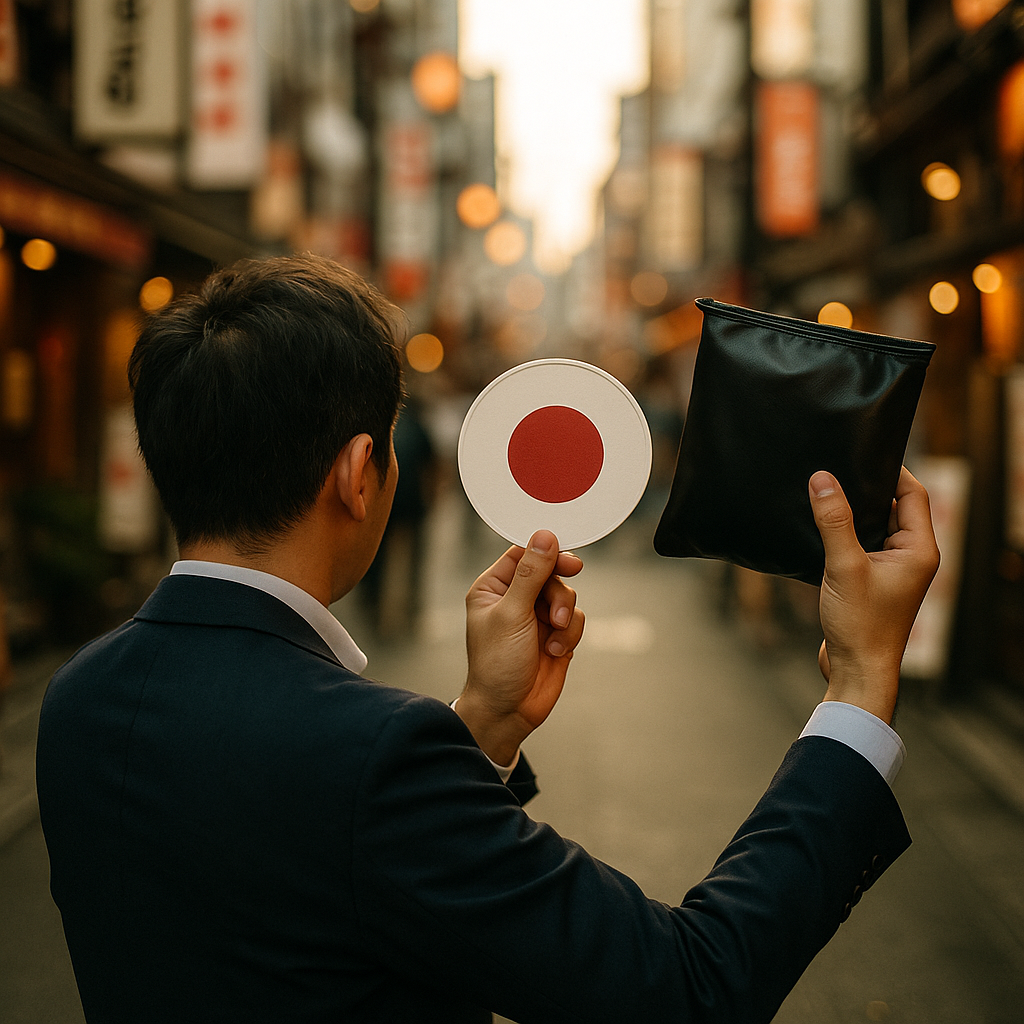
Japan’s Consumer Affairs Agency has issued warnings against more than 300 companies since its stealth marketing law took effect. Japan’s stealth marketing law was supposed to clean up undisclosed sponsorships. Two years on, has it worked, or have brands just gotten better at looking compliant while running the same risky playbooks abroad?
The Law, Briefly, For Anyone Who Skipped It
Japan’s stealth marketing regulation, enforced under the Act against Unjustifiable Premiums and Misleading Representations (commonly called the Premiums and Representations Act), came into force in October two years ago. It doesn’t create a new law from scratch. Instead, it folded undisclosed paid promotion into an existing framework the Consumer Affairs Agency (CAA) already used to police misleading advertising.
The core rule is simple: if a brand has any influence over content, and the audience wouldn’t otherwise recognize it as an ad, disclosure is mandatory. No “ad” label, no hashtag buried in line 47 of a caption, no vague “PR” written in a font nobody can read. The obligation sits with the advertiser, not just the creator. That’s the detail that trips up global marketing teams the most.
Unlike the FTC’s approach in the US, Japan places legal liability for stealth marketing squarely on the brand, not the influencer. Agencies and platforms currently sit outside direct enforcement scope.
What Two Years of Enforcement Actually Looks Like
Enforcement has been steady rather than dramatic. No mega-fines, no viral takedown of a global brand. That’s partly the point: Japan’s regulatory culture favors correction and public warning over punitive damages. Companies named in CAA advisories face reputational cost, not necessarily financial cost, at least not directly.
But reputational cost in Japan carries weight that Western marketers sometimes underestimate. Consumer trust recovery cycles are slower. A brand flagged for stealth marketing doesn’t just lose a news cycle, it can lose retailer shelf space and long-term distributor confidence. That’s a different risk calculus than the one US teams run when they weigh an FTC warning letter against quarterly revenue targets.
Sectors most frequently named: beauty, health supplements, and food delivery apps. Predictable, given how heavily those categories lean on creator seeding and gifted product campaigns. Cross-border DTC brands entering Japan via Rakuten or Amazon Japan storefronts have been disproportionately represented in advisories, largely because their creator vetting processes were built for US or EU disclosure norms and never localized.
Why Cross-Border Campaigns Keep Getting This Wrong
Here’s the uncomfortable truth: most global creator programs are built around a single disclosure template, then translated. That’s the mistake.
Japan’s law doesn’t recognize “sponsored” tags the way US audiences do. The CAA has been explicit that ambiguous phrasing, including some direct translations of Western disclosure language, doesn’t meet the “clearly recognizable as advertising” standard. A caption that says “PR” in English, embedded in an otherwise Japanese-language post, has been flagged as insufficient in past guidance discussions. Context matters. Platform norms matter. What reads as adequate disclosure on Instagram in the US can read as buried fine print to a Japanese regulator.
Three recurring failure patterns from the last two years:
- Template reuse without localization. Brands copy-paste global disclosure guidelines into local creator briefs without adapting language, placement, or platform-specific display rules.
- Agency-of-record blind spots. Global agencies managing APAC creator relationships from Singapore or Sydney offices, without a Japan-based compliance reviewer, miss nuance that a native reviewer catches instantly.
- Gifting ambiguity. Teams assume unpaid product gifting falls outside scope. It doesn’t, if there’s any brand influence over what gets posted, gifting counts.
This mirrors a pattern seen elsewhere. Just as ASCI guidance in India catches Western brands off guard on endorsement rules, Japan’s disclosure standard punishes assumptions imported wholesale from a different regulatory culture.
The Compliance Gap Nobody Budgets For
Ask most global brand compliance leads where their stealth marketing exposure sits, and Japan usually ranks below the EU, the UK, and the US in perceived risk. That ranking is wrong, or at least outdated.
Japan’s e-commerce and creator economy value is enormous. eMarketer estimates put Japan among the top five global markets for digital ad spend, and influencer-driven commerce continues to grow inside that figure. Brands running APAC-wide campaigns from a single regional hub often apply a “good enough” disclosure standard tuned for lower-enforcement markets, then get caught flat when Japan’s CAA issues a warning specific to a campaign nobody flagged as high-risk.
The operational fix isn’t complicated, but it does require budget. It means a market-specific legal review step, not a global template stretched thin. It’s the same lesson brands have learned the hard way with France’s fast fashion ad law compared to Germany and Spain: regulatory nuance inside a single region can vary as much as it does between continents.
Treating Japan as a footnote inside a broader APAC compliance strategy is the single most common reason cross-border brands end up in a CAA advisory.
What Actually Changed in Brand Behavior
To be fair, some things have improved. Larger agencies operating in Japan now routinely build a disclosure sign-off step into creator briefs, similar to the kind of legal gate outlined in AI-modified ad creative sign-off processes. Platform-native disclosure tools have also matured. Instagram, TikTok, and YouTube’s branded content toggles are more visible in Japan now than they were at launch, partly in response to CAA pressure on platforms to make disclosure frictionless.
Retail media networks tied to Rakuten and LINE Yahoo have also started requiring proof of disclosure compliance before approving co-branded creator content for paid amplification. That’s a meaningful shift: it pushes verification upstream, before a campaign ever reaches paid spend, rather than relying on after-the-fact correction.
What hasn’t changed enough: contract language. Most creator agreements used by global brands still don’t specify Japan’s disclosure standard as distinct from a generic “comply with local law” clause. That’s the equivalent of leaving a gap in creator contract clauses and hoping it never gets tested. It always does, eventually.
A Practical Retrospective Checklist
For brands running or planning cross-border creator work touching Japan, here’s what two years of enforcement data suggests should be standard practice now:
- Build a Japan-specific disclosure standard, not a translated global one. Placement, language, and platform display all matter to the CAA.
- Treat gifting and affiliate arrangements as in-scope by default. Assume disclosure applies unless legal confirms otherwise.
- Require a native Japanese-speaking compliance reviewer on every creator brief, not just a translation pass.
- Audit renewal contracts the way you would for disclosure compliance scorecards used elsewhere, and add Japan-specific clause language before renewing any long-term creator relationship.
- Log escalation paths internally, similar in structure to escalation logs used for FTC risk, so a CAA inquiry doesn’t stall inside three departments before someone responds.
None of this is glamorous work. It’s spreadsheet-and-contract-clause work. But it’s the difference between a quiet correction and a public advisory that a retailer partner sees before your own regional team does.
Where This Is Headed
Expect enforcement to tighten, not loosen. The CAA has signaled continued interest in affiliate marketing and livestream commerce, both growing fast on platforms like LINE and Rakuten Live. That trajectory looks similar to scrutiny already applied to livestream compliance in other markets. Brands treating Japan’s rules as a solved problem after two quiet years are the ones most likely to appear in next year’s advisory list.
Regulatory convergence is also worth watching. Canada’s Competition Bureau, discussed in recent draft guidance on AI endorsements, and the UK’s ICO are both moving toward stricter influence-disclosure standards. Japan got there first among major APAC markets. It won’t be the last.
Bottom line: run a Japan-specific disclosure audit on every active creator contract this quarter, don’t wait for a CAA advisory to force the review. Two years of enforcement data says the brands getting flagged aren’t the ones ignoring the rule, they’re the ones assuming their global template already covers it.
FAQs
What is Japan’s stealth marketing law and who does it apply to?
It’s an enforcement extension of Japan’s Premiums and Representations Act, requiring clear disclosure of paid or brand-influenced content. Legal liability sits with the advertiser (the brand), not the creator, which differs from enforcement models in the US and UK.
Does gifted product without payment count as stealth marketing risk?
Yes, if the brand has any influence over the resulting content or messaging. Japan’s CAA has treated gifting arrangements as in-scope in past advisories, regardless of whether cash changed hands.
Are there fines for violating Japan’s stealth marketing law?
Current enforcement relies primarily on public warnings and correction orders rather than direct fines for first violations. Reputational damage and retailer relationship risk have proven more costly for brands than any monetary penalty issued so far.
How is this different from FTC disclosure rules in the US?
The FTC framework places significant disclosure responsibility on both brands and creators, with civil penalty authority. Japan’s law centers liability on the advertiser and enforces through the CAA’s existing misleading-representation authority, with warnings as the primary tool to date.
What’s the biggest mistake global brands make with Japan compliance?
Reusing a global or APAC-wide disclosure template without localizing language, placement, and platform-specific display requirements for the Japanese market and native reviewer expectations.
Top Influencer Marketing Agencies
The leading agencies shaping influencer marketing in 2026
Agencies ranked by campaign performance, client diversity, platform expertise, proven ROI, industry recognition, and client satisfaction. Assessed through verified case studies, reviews, and industry consultations.
Moburst

-
2

The Shelf
Boutique Beauty & Lifestyle Influencer AgencyA data-driven boutique agency specializing exclusively in beauty, wellness, and lifestyle influencer campaigns on Instagram and TikTok. Best for brands already focused on the beauty/personal care space that need curated, aesthetic-driven content.Clients: Pepsi, The Honest Company, Hims, Elf Cosmetics, Pure LeafVisit The Shelf → -
3

Audiencly
Niche Gaming & Esports Influencer AgencyA specialized agency focused exclusively on gaming and esports creators on YouTube, Twitch, and TikTok. Ideal if your campaign is 100% gaming-focused — from game launches to hardware and esports events.Clients: Epic Games, NordVPN, Ubisoft, Wargaming, Tencent GamesVisit Audiencly → -
4

Viral Nation
Global Influencer Marketing & Talent AgencyA dual talent management and marketing agency with proprietary brand safety tools and a global creator network spanning nano-influencers to celebrities across all major platforms.Clients: Meta, Activision Blizzard, Energizer, Aston Martin, WalmartVisit Viral Nation → -
5

The Influencer Marketing Factory
TikTok, Instagram & YouTube CampaignsA full-service agency with strong TikTok expertise, offering end-to-end campaign management from influencer discovery through performance reporting with a focus on platform-native content.Clients: Google, Snapchat, Universal Music, Bumble, YelpVisit TIMF → -
6

NeoReach
Enterprise Analytics & Influencer CampaignsAn enterprise-focused agency combining managed campaigns with a powerful self-service data platform for influencer search, audience analytics, and attribution modeling.Clients: Amazon, Airbnb, Netflix, Honda, The New York TimesVisit NeoReach → -
7

Ubiquitous
Creator-First Marketing PlatformA tech-driven platform combining self-service tools with managed campaign options, emphasizing speed and scalability for brands managing multiple influencer relationships.Clients: Lyft, Disney, Target, American Eagle, NetflixVisit Ubiquitous → -
8

Obviously
Scalable Enterprise Influencer CampaignsA tech-enabled agency built for high-volume campaigns, coordinating hundreds of creators simultaneously with end-to-end logistics, content rights management, and product seeding.Clients: Google, Ulta Beauty, Converse, AmazonVisit Obviously →