


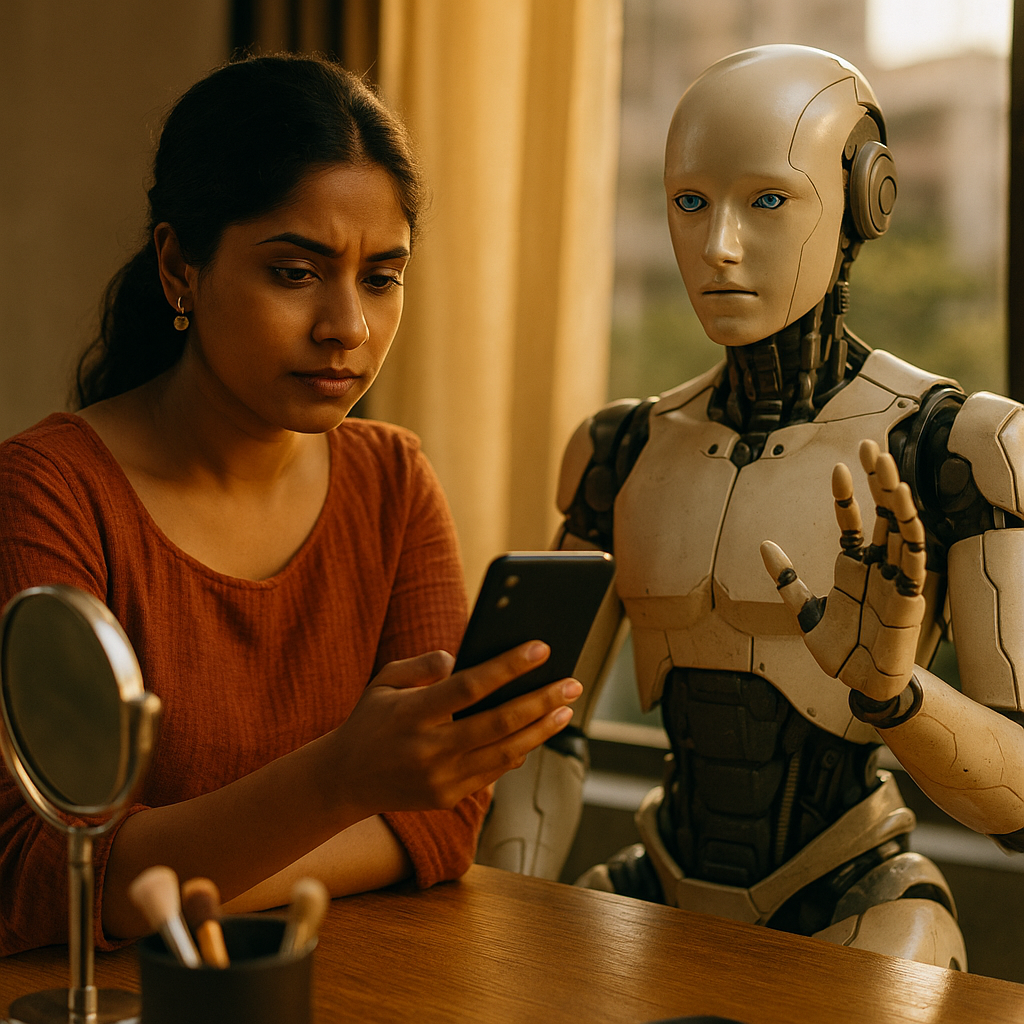
India now has over 900 million internet users, and its influencer market is projected to cross $355 million by the end of the decade — yet most global brands entering the country still treat the Advertising Standards Council of India as an afterthought. That’s a mistake. ASCI’s guidelines on AI-generated endorsements are among the most specific in the world right now, and getting them wrong can mean pulled campaigns, public reprimands, or regulatory referral to India’s Central Consumer Protection Authority. If you’re planning a market entry that leans on creators, synthetic avatars, or AI-voiced ads, this is the compliance layer you cannot skip.
Why ASCI Matters More Than You Think
ASCI isn’t a government body, technically. It’s a self-regulatory organization, similar in spirit to the UK’s ASA. But India’s Consumer Protection Act gives ASCI’s rulings real teeth: the CCPA can issue penalties up to ₹50 lakh for repeat offenses, and non-compliant ads get flagged to platforms for takedown. Brands that assume “self-regulatory” means “optional” find out otherwise fast.
In the past two years, ASCI has moved aggressively on AI-specific guidance. Its updated Code now explicitly covers virtual influencers, AI-generated voiceovers, deepfake-style endorsements, and synthetic recreations of real celebrities. This puts India ahead of many Western markets in codifying rules — even the U.S. still relies on a patchwork of state laws and FTC guidance rather than one unified framework. For a sense of how fragmented the American approach is by comparison, see our breakdown of synthetic performer disclosure laws by state.
ASCI’s core principle is simple to state and hard to operationalize: if a consumer would reasonably believe they’re seeing a real, unscripted endorsement — but it’s synthetic — that’s a disclosure violation, full stop.
What Counts as an “AI-Generated Endorsement” Under the Code
ASCI’s guidelines cover a broader scope than most brands expect. It’s not just fully synthetic influencers like Lil Miquela-style avatars. The rules also capture:
- AI-cloned voices of real endorsers used without fresh recording sessions
- Digitally altered likenesses of celebrities in ads, including de-aging or face-swap techniques
- Chatbot or AI-agent recommendations presented as organic product advice
- Synthetic “testimonials” generated from AI text-to-video tools with no real customer behind them
- Virtual influencers with persistent personas used for ongoing brand partnerships
Each category triggers a disclosure obligation. The label has to be clear, upfront, and in a language the target audience actually understands — not buried in English disclaimers when the campaign runs in Tamil or Hindi markets. That’s a subtlety many international brands miss when they simply localize a US-style “#ad” disclosure and call it done.
The Disclosure Standard: Prominent, Unambiguous, Untranslated Confusion
ASCI requires disclosures to be as prominent as the endorsement itself. A tiny “AI-generated” tag in a corner of a nine-second Reel doesn’t cut it. The Code expects:
- Disclosure at the start of the content, not buried in captions
- Plain-language labeling — “AI-generated,” “virtual influencer,” or “synthetic voice,” not vague terms like “digital creation”
- Consistent application across all cuts and edits of the same asset used in paid media
- Language-matched disclosure for regional campaigns
This mirrors, but doesn’t perfectly align with, emerging rules elsewhere. Compare it to disclosure templates built to satisfy both ASA and FTC rules — brands running global always-on campaigns increasingly need a master disclosure framework that can flex per market rather than rebuilding creative for every jurisdiction. If you’re entering India alongside US or UK expansion, build that flexibility in now rather than retrofitting it later.
Right now, most global brands don’t have a version for India baked in. That’s the gap worth closing before your first campaign launches.
Celebrity Likeness and the Deepfake Problem
India has had a string of high-profile deepfake controversies involving Bollywood actors — fabricated endorsement videos circulating on WhatsApp and Instagram without the celebrity’s knowledge or consent. ASCI’s response has been to tighten rules around likeness rights specifically, requiring:
- Documented consent from the individual (or their estate/agency) before any AI recreation is used commercially
- Clear disclosure that the appearance is AI-generated, even if the underlying likeness is licensed
- Immediate takedown cooperation if a celebrity or agency disputes authorization
For brands, this means your legal due diligence can’t stop at “we have a licensing agreement with the talent’s agency.” You need language in that agreement specifically addressing AI recreation rights, remix permissions, and duration limits. This is functionally similar to the contract gaps we’ve flagged around AI remix rights in creator contracts and generative remix clauses for platform-native tools. If your India-market contracts were drafted before your global template caught up with AI clauses, they’re probably not compliant yet.
Where Brands Get Tripped Up on Vetting
Here’s the uncomfortable truth: most brands entering India for the first time outsource creator sourcing to local agencies or AI-matching platforms without auditing how those vendors screen for ASCI compliance. That’s a liability transfer nobody signs up for on paper, but everyone inherits in practice.
Before you greenlight any vendor, ask directly: does their sourcing tool flag AI-generated or virtual influencer content? Does it track disclosure compliance history? A generic influencer-matching platform built for the U.S. market won’t automatically understand ASCI’s specific labeling language requirements. This is exactly the kind of gap covered in our vendor risk assessment template for AI creator-matching platforms — worth running before you sign any regional agency contract.
It’s also worth stress-testing your indemnification language. If a vendor’s AI agent selects or approves a creator who turns out to be running an undisclosed synthetic endorsement, who eats the ASCI complaint? Increasingly, brands are pushing this liability back onto AI-agent vendors contractually — a shift we cover in indemnification rules for AI agent creator selection.
Building an India-Specific Compliance Checklist
For brands entering the market, here’s a practical starting checklist:
- Audit every asset for AI voice, AI video, or virtual influencer use before localization
- Translate disclosures natively — don’t machine-translate your US disclaimer
- Get celebrity likeness consent in writing, specifically covering AI recreation
- Vet your creator-matching or agency vendor for ASCI-specific compliance tooling
- Set an internal escalation path for ASCI complaints, mirroring how you’d handle an FTC or NAD inquiry — see our framework for NAD-to-FTC escalation triggers as a structural model
- Document your disclosure placement with screenshots and timestamps for every market variant of a campaign
None of this is exotic. It’s the same operational discipline brands already apply to GDPR or FTC compliance, just recalibrated for ASCI’s specific language and celebrity-likeness sensitivities. According to eMarketer, brands that build compliance into campaign workflows upfront see meaningfully fewer creative reworks than those bolting it on post-launch — a pattern that holds in every market ASCI included.
How This Compares Globally
If you’re running influencer programs across multiple markets, it helps to see ASCI in context rather than in isolation. The UK’s ASA has its own evolving stance on AI content, and the U.S. has state-level patchwork rules like the ones covered in our New Jersey AI ad disclosure bill breakdown. India’s approach is notably more centralized and arguably clearer on celebrity likeness than either. For reference on how regulators globally are approaching digital ad standards more broadly, the ICO and India’s own consumer protection guidance are worth bookmarking as parallel tracks.
The practical implication: your compliance team should build one shared framework with market-specific overlays, not five disconnected rulebooks. That’s the model we’ve recommended for brands managing EU Meta rules alongside US state laws, and it applies just as cleanly to an India entry strategy.
Next step: before your next India campaign brief goes out, run every AI-touched asset — voice, video, or virtual persona — through a disclosure and consent audit, and get your vendor’s ASCI compliance capability in writing, not just implied in a pitch deck.
FAQs
Does ASCI’s code apply to global brands without a legal entity in India?
Yes. ASCI’s jurisdiction is based on where the ad is served and viewed, not where the brand is incorporated. If your campaign targets Indian consumers, the Code applies regardless of your headquarters location.
What penalties can brands actually face for non-compliance?
ASCI itself can issue advisories and require ad modification or withdrawal. Because it works alongside India’s Central Consumer Protection Authority, repeat or serious violations can escalate to CCPA penalties of up to ₹50 lakh and potential referral for misleading advertisement enforcement.
Do virtual influencers need to disclose on every single post, or just once?
Every post featuring commercial content needs its own disclosure. ASCI does not accept a one-time bio disclosure as sufficient for ongoing sponsored or branded content from a virtual persona.
How does ASCI define “AI-generated” for enforcement purposes?
The Code covers any content where AI tools materially create or alter the appearance, voice, or persona presented to consumers — including synthetic voice cloning, face-swapped video, and fully virtual influencer personas — where a reasonable viewer might mistake it for authentic, unscripted human endorsement.
Can brands reuse a celebrity’s AI-generated likeness across multiple markets under one consent agreement?
Only if the licensing agreement explicitly covers AI recreation rights, specifies duration and territory, and includes India-specific disclosure obligations. Generic likeness agreements drafted before AI clauses became standard typically do not cover this and need renegotiation.
FAQs
Does ASCI’s code apply to global brands without a legal entity in India?
Yes. ASCI’s jurisdiction is based on where the ad is served and viewed, not where the brand is incorporated. If your campaign targets Indian consumers, the Code applies regardless of your headquarters location.
What penalties can brands actually face for non-compliance?
ASCI itself can issue advisories and require ad modification or withdrawal. Because it works alongside India’s Central Consumer Protection Authority, repeat or serious violations can escalate to CCPA penalties of up to ₹50 lakh and potential referral for misleading advertisement enforcement.
Do virtual influencers need to disclose on every single post, or just once?
Every post featuring commercial content needs its own disclosure. ASCI does not accept a one-time bio disclosure as sufficient for ongoing sponsored or branded content from a virtual persona.
How does ASCI define “AI-generated” for enforcement purposes?
The Code covers any content where AI tools materially create or alter the appearance, voice, or persona presented to consumers — including synthetic voice cloning, face-swapped video, and fully virtual influencer personas — where a reasonable viewer might mistake it for authentic, unscripted human endorsement.
Can brands reuse a celebrity’s AI-generated likeness across multiple markets under one consent agreement?
Only if the licensing agreement explicitly covers AI recreation rights, specifies duration and territory, and includes India-specific disclosure obligations. Generic likeness agreements drafted before AI clauses became standard typically do not cover this and need renegotiation.
Top Influencer Marketing Agencies
The leading agencies shaping influencer marketing in 2026
Agencies ranked by campaign performance, client diversity, platform expertise, proven ROI, industry recognition, and client satisfaction. Assessed through verified case studies, reviews, and industry consultations.
Moburst

-
2

The Shelf
Boutique Beauty & Lifestyle Influencer AgencyA data-driven boutique agency specializing exclusively in beauty, wellness, and lifestyle influencer campaigns on Instagram and TikTok. Best for brands already focused on the beauty/personal care space that need curated, aesthetic-driven content.Clients: Pepsi, The Honest Company, Hims, Elf Cosmetics, Pure LeafVisit The Shelf → -
3

Audiencly
Niche Gaming & Esports Influencer AgencyA specialized agency focused exclusively on gaming and esports creators on YouTube, Twitch, and TikTok. Ideal if your campaign is 100% gaming-focused — from game launches to hardware and esports events.Clients: Epic Games, NordVPN, Ubisoft, Wargaming, Tencent GamesVisit Audiencly → -
4

Viral Nation
Global Influencer Marketing & Talent AgencyA dual talent management and marketing agency with proprietary brand safety tools and a global creator network spanning nano-influencers to celebrities across all major platforms.Clients: Meta, Activision Blizzard, Energizer, Aston Martin, WalmartVisit Viral Nation → -
5

The Influencer Marketing Factory
TikTok, Instagram & YouTube CampaignsA full-service agency with strong TikTok expertise, offering end-to-end campaign management from influencer discovery through performance reporting with a focus on platform-native content.Clients: Google, Snapchat, Universal Music, Bumble, YelpVisit TIMF → -
6

NeoReach
Enterprise Analytics & Influencer CampaignsAn enterprise-focused agency combining managed campaigns with a powerful self-service data platform for influencer search, audience analytics, and attribution modeling.Clients: Amazon, Airbnb, Netflix, Honda, The New York TimesVisit NeoReach → -
7

Ubiquitous
Creator-First Marketing PlatformA tech-driven platform combining self-service tools with managed campaign options, emphasizing speed and scalability for brands managing multiple influencer relationships.Clients: Lyft, Disney, Target, American Eagle, NetflixVisit Ubiquitous → -
8

Obviously
Scalable Enterprise Influencer CampaignsA tech-enabled agency built for high-volume campaigns, coordinating hundreds of creators simultaneously with end-to-end logistics, content rights management, and product seeding.Clients: Google, Ulta Beauty, Converse, AmazonVisit Obviously →