


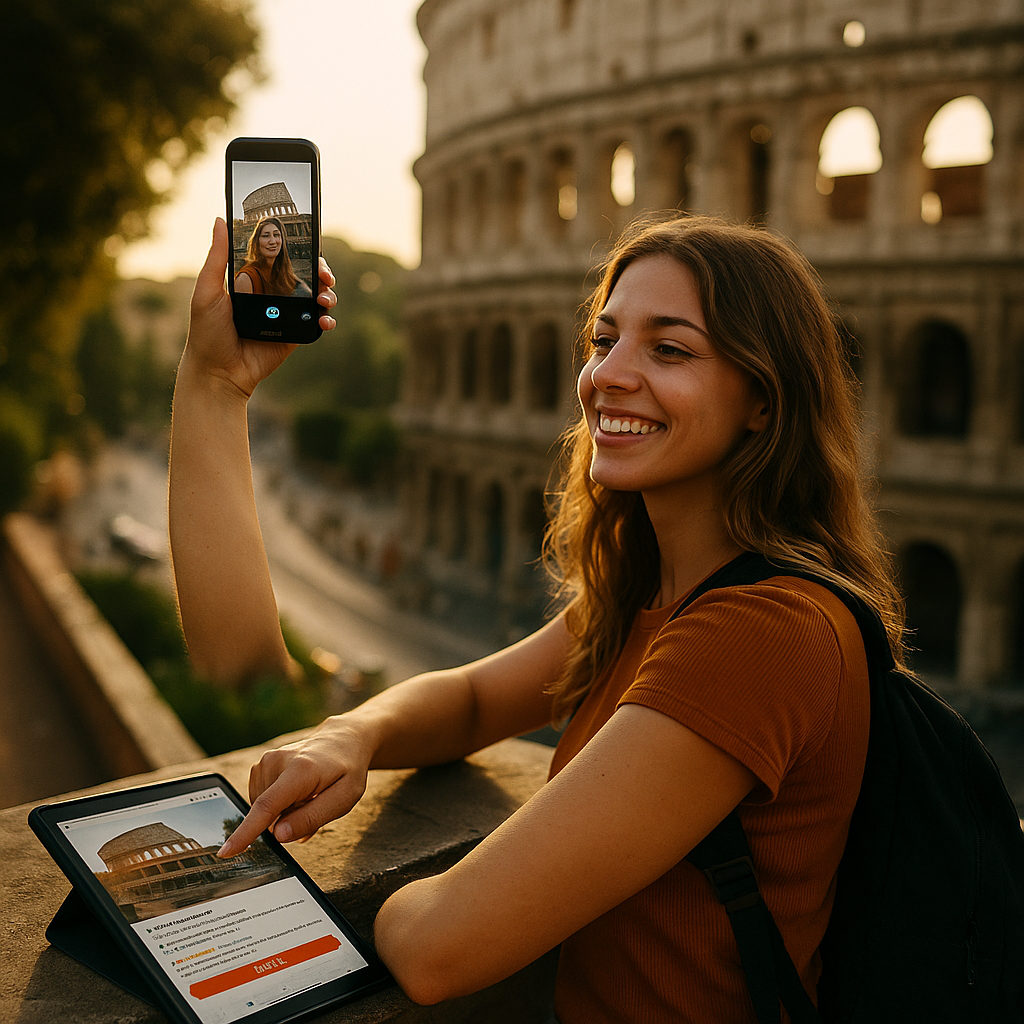
Most travel brands still treat influencer marketing like a brand-awareness tax: pay upfront, hope for vibes, never touch attribution. Viator did the opposite. By building a commission-based creator model around trackable booking links, the online tours-and-activities marketplace turned creators like Sheila Hayes into a measurable, repeatable revenue channel rather than a reach play. That shift matters more than the case study itself.
The Problem With How Travel Brands Usually Pay Creators
Travel marketing has a math problem. Destinations and OTAs (online travel agencies) have historically paid influencers flat fees for a single trip, a single post, a single burst of visibility. The content looks great. The attribution is garbage.
Ask most travel marketing directors how many bookings came from last quarter’s influencer trip, and you’ll get a shrug, a vanity metric, or a UTM link nobody actually used correctly. That’s not a data problem. It’s a design problem, baked into the flat-fee model from the start.
Viator, owned by Tripadvisor, sits in a category where this gap is especially painful. Tours and activities are high-consideration, comparison-heavy purchases. A traveler might watch a creator’s Rome food tour video in January and not book until three weeks before an August trip. Last-click attribution models choke on that lag. Flat-fee sponsorships never even try to solve it.
What Viator Built Instead
Viator’s approach pairs its affiliate infrastructure with a creator program that pays primarily on performance: commission on completed bookings generated through unique creator links, rather than (or in addition to) a flat sponsorship fee. Creators get a trackable link or code tied to their content. When a follower books a tour through that link, the creator earns a percentage of the commission Viator already collects from its 300,000-plus bookable experiences worldwide.
This isn’t a new invention, affiliate marketing predates social media by decades, but applying it deliberately to micro-creators in the travel space is the interesting part. It reframes the creator not as a media placement but as a distribution partner with skin in the game.
When a creator’s income is tied to bookings instead of impressions, content strategy changes automatically, without a single brand guideline document.
That’s the mechanism worth studying. Commission structures don’t just change how creators get paid, they change what creators post, how often, and how specifically they talk about price, availability, and booking friction.
Enter Sheila Hayes: The Micro-Creator Case
Sheila Hayes represents the exact profile Viator’s model was built to activate: a travel micro-creator with a mid-five-figure to low-six-figure following, not a celebrity, not a mega-influencer with a talent agency negotiating flat fees. Creators at this tier are typically priced out of traditional sponsorship budgets, or considered too small to matter for brand awareness campaigns.
But that “too small” framing misses the point entirely. Micro-creators convert differently than mega-influencers. Their audiences trust them because the relationship feels closer to a knowledgeable friend than a celebrity endorsement. That’s the exact quality that matters for a considered purchase like booking a $95 walking tour in Lisbon.
Under a commission model, Hayes doesn’t need a five-figure brand deal to make the partnership worthwhile. She needs consistent, trackable bookings from her audience over time. A single well-performing video about a hidden-gem cooking class in Oaxaca can keep generating commission for months, long after the sponsorship fee from a traditional deal would have been fully spent and forgotten.
This is the same dynamic that’s shown up in other performance-driven creator programs across categories. Retail brands have seen similar effects when they shift nano and micro-creators from flat fees toward attributable, sales-linked incentives, as detailed in Ryobi’s nano-creator program and ThredUp’s resale-hauls strategy. Travel is simply a higher-ticket, higher-consideration version of the same principle.
Why Commission Beats Flat Fees for This Category Specifically
Not every brand should copy this model wholesale. But travel and tourism have three structural traits that make commission-based creator programs unusually effective:
- Long consideration windows. Bookings happen weeks or months after discovery, which flat-fee sponsorships can’t account for but affiliate tracking handles natively.
- High per-transaction value. A single tour or activity booking can run $50-$300+, meaning even modest conversion rates generate meaningful commission for creators.
- Evergreen content shelf life. A video about “best things to do in Kyoto” stays discoverable and bookable for years, unlike a product launch post with a two-week relevance window.
Compare that to a fast-moving CPG launch, where content has a short shelf life and commission models make less sense than upfront fees. Tourism DMOs (destination marketing organizations) have started experimenting with tiered structures for similar reasons, something tiered influencer programs for DMOs have documented in more detail.
The Operational Mechanics Brands Actually Need to Copy
The headline idea, pay creators on performance, is easy to say and hard to execute well. Viator’s model works because of infrastructure most brands underestimate:
- Unique trackable links per creator, not shared discount codes that make attribution murky.
- Cookie windows long enough to capture delayed travel-booking behavior, often 30 days or more.
- Dashboard visibility for creators so they can see which content converts and double down on what works.
- Existing affiliate payment rails already built for scale, since Viator runs a broader affiliate program beyond just creators.
This last point matters enormously. Viator didn’t invent a bespoke creator payment system from scratch. It extended an affiliate infrastructure that already existed for publishers and bloggers, and pointed it at social creators instead. That’s a far cheaper build than launching new commission tooling from zero, and it’s a lesson other brands should note: check what performance-marketing infrastructure you already have before building a parallel creator-specific system.
What This Means for Measurement and Reporting
The other underrated shift here is what this does to reporting conversations. A flat-fee influencer campaign gets reported in reach, impressions, and maybe an engagement rate. A commission-based program gets reported in bookings, revenue, and cost-per-acquisition, the same language a paid media team already speaks.
That’s a meaningful credibility upgrade for creator marketing inside a company. When the influencer line item can sit next to paid search and display in a CFO’s dashboard using the same metrics, it stops being treated as a discretionary brand-awareness spend and starts competing for budget on equal footing.
A creator channel that reports in CPA and revenue, not just reach, is a creator channel that survives the next budget cut.
Industry data backs the broader shift toward performance accountability in influencer spend. eMarketer’s research on creator economy spending has repeatedly flagged measurement as the top barrier brands cite when scaling influencer budgets, and affiliate-style commission tracking directly answers that concern. Similarly, HubSpot’s marketing benchmarking data shows performance-based partnerships increasingly outpacing flat-fee arrangements across mid-market brands.
Where This Model Has Limits
It’s worth being honest about the tradeoffs. Commission models shift risk onto creators, some won’t accept a purely performance-based deal if they can get flat fees elsewhere, particularly higher-tier influencers with agents. Viator’s model works well for micro-creators precisely because the volume-and-trust dynamic favors them, not because it’s universally superior.
There’s also a compliance dimension brands can’t skip. Affiliate links and commission relationships still count as material connections under FTC endorsement guidelines, meaning creators need clear, consistent disclosure regardless of payment structure. A commission-only deal doesn’t reduce disclosure obligations; if anything, brands should treat it with the same scrutiny as paid sponsorships, since regulators don’t distinguish between “you paid me a fee” and “you pay me per booking.”
Brands running similar programs should also watch for creator fatigue with pure-commission arrangements during slow booking seasons. A hybrid model, small base fee plus commission, often keeps creators engaged during off-peak months when travel bookings naturally dip.
The takeaway for brand and agency teams: if your creator program can’t tell you which specific creators drove which specific bookings, you’re not running a growth channel, you’re running a hope-based media buy, and it’s time to build the tracking infrastructure before scaling the spend.
FAQs
What is a commission-based creator model?
It’s a payment structure where creators earn a percentage of revenue generated from bookings or sales made through their unique tracked link or code, rather than (or in addition to) a flat upfront sponsorship fee.
Why does this model work particularly well for travel brands?
Travel purchases involve long consideration windows, high transaction values, and evergreen content that stays discoverable for years, all of which favor performance-based tracking over one-time flat fees.
Is commission-based influencer marketing still subject to FTC disclosure rules?
Yes. Any material connection, including commission or affiliate relationships, requires clear disclosure under FTC endorsement guidelines, regardless of how the creator is paid.
Do micro-creators actually drive meaningful bookings compared to mega-influencers?
Often, yes, on a cost-efficiency basis. Micro-creators typically have higher trust and engagement with niche audiences, which tends to translate into stronger conversion rates per dollar spent, even if total reach is smaller.
What’s the biggest operational challenge in launching a commission-based creator program?
Building or adapting tracking infrastructure, unique links, adequate cookie windows, and creator-facing dashboards, so that bookings can be accurately attributed to individual creators over time.
FAQs
What is a commission-based creator model?
It’s a payment structure where creators earn a percentage of revenue generated from bookings or sales made through their unique tracked link or code, rather than (or in addition to) a flat upfront sponsorship fee.
Why does this model work particularly well for travel brands?
Travel purchases involve long consideration windows, high transaction values, and evergreen content that stays discoverable for years, all of which favor performance-based tracking over one-time flat fees.
Is commission-based influencer marketing still subject to FTC disclosure rules?
Yes. Any material connection, including commission or affiliate relationships, requires clear disclosure under FTC endorsement guidelines, regardless of how the creator is paid.
Do micro-creators actually drive meaningful bookings compared to mega-influencers?
Often, yes, on a cost-efficiency basis. Micro-creators typically have higher trust and engagement with niche audiences, which tends to translate into stronger conversion rates per dollar spent, even if total reach is smaller.
What’s the biggest operational challenge in launching a commission-based creator program?
Building or adapting tracking infrastructure, unique links, adequate cookie windows, and creator-facing dashboards, so that bookings can be accurately attributed to individual creators over time.
Top Influencer Marketing Agencies
The leading agencies shaping influencer marketing in 2026
Agencies ranked by campaign performance, client diversity, platform expertise, proven ROI, industry recognition, and client satisfaction. Assessed through verified case studies, reviews, and industry consultations.
Moburst

-
2

The Shelf
Boutique Beauty & Lifestyle Influencer AgencyA data-driven boutique agency specializing exclusively in beauty, wellness, and lifestyle influencer campaigns on Instagram and TikTok. Best for brands already focused on the beauty/personal care space that need curated, aesthetic-driven content.Clients: Pepsi, The Honest Company, Hims, Elf Cosmetics, Pure LeafVisit The Shelf → -
3

Audiencly
Niche Gaming & Esports Influencer AgencyA specialized agency focused exclusively on gaming and esports creators on YouTube, Twitch, and TikTok. Ideal if your campaign is 100% gaming-focused — from game launches to hardware and esports events.Clients: Epic Games, NordVPN, Ubisoft, Wargaming, Tencent GamesVisit Audiencly → -
4

Viral Nation
Global Influencer Marketing & Talent AgencyA dual talent management and marketing agency with proprietary brand safety tools and a global creator network spanning nano-influencers to celebrities across all major platforms.Clients: Meta, Activision Blizzard, Energizer, Aston Martin, WalmartVisit Viral Nation → -
5

The Influencer Marketing Factory
TikTok, Instagram & YouTube CampaignsA full-service agency with strong TikTok expertise, offering end-to-end campaign management from influencer discovery through performance reporting with a focus on platform-native content.Clients: Google, Snapchat, Universal Music, Bumble, YelpVisit TIMF → -
6

NeoReach
Enterprise Analytics & Influencer CampaignsAn enterprise-focused agency combining managed campaigns with a powerful self-service data platform for influencer search, audience analytics, and attribution modeling.Clients: Amazon, Airbnb, Netflix, Honda, The New York TimesVisit NeoReach → -
7

Ubiquitous
Creator-First Marketing PlatformA tech-driven platform combining self-service tools with managed campaign options, emphasizing speed and scalability for brands managing multiple influencer relationships.Clients: Lyft, Disney, Target, American Eagle, NetflixVisit Ubiquitous → -
8

Obviously
Scalable Enterprise Influencer CampaignsA tech-enabled agency built for high-volume campaigns, coordinating hundreds of creators simultaneously with end-to-end logistics, content rights management, and product seeding.Clients: Google, Ulta Beauty, Converse, AmazonVisit Obviously →