


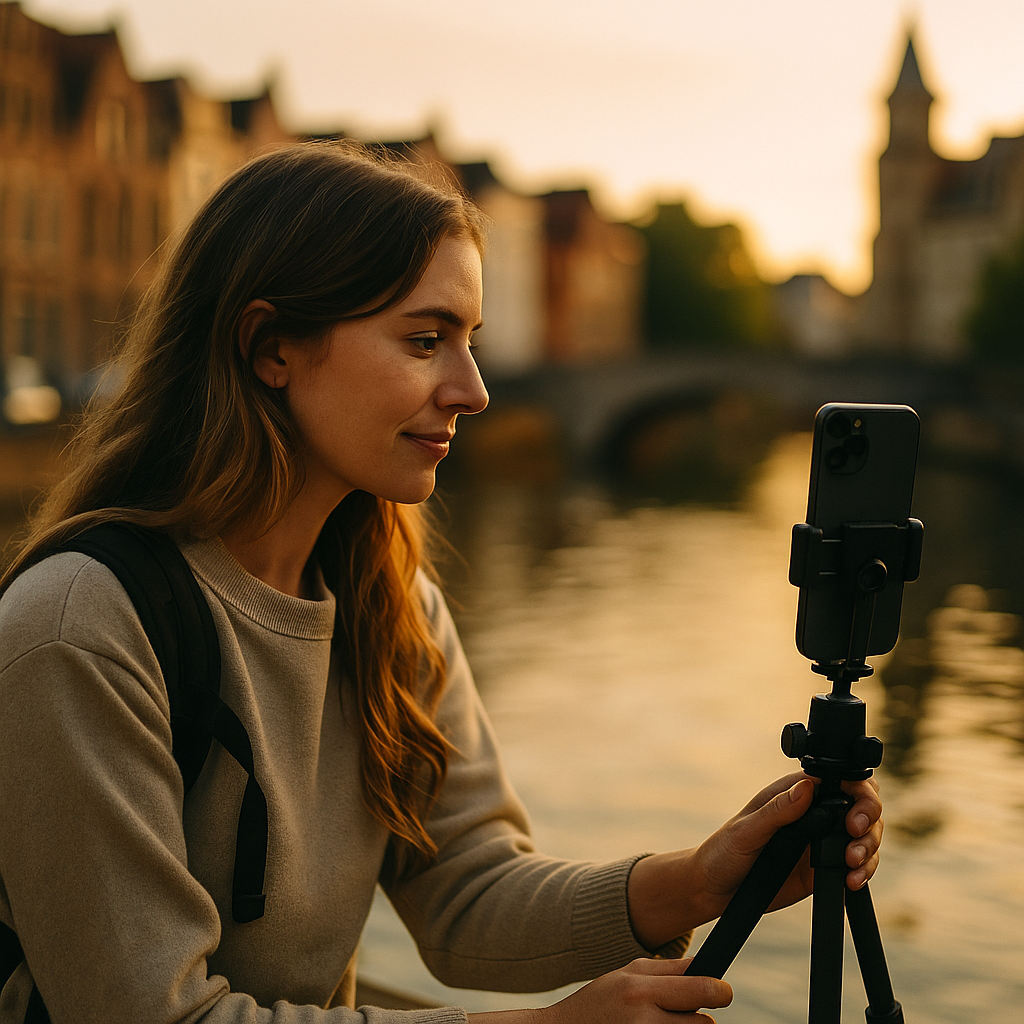
One nano-creator with 8,000 engaged hikers can outbook a 500,000-follower travel influencer. That’s not a hypothetical — it’s the math destination marketing organizations keep rediscovering the hard way, after burning annual co-op budgets on macro-influencer junkets that generate beautiful content and zero incremental visitation. Nano-creator portfolio construction isn’t a nice-to-have anymore. It’s the operational backbone of DMO influencer strategy for organizations that actually have to justify spend to tourism boards and city councils.
Why DMOs Keep Getting Portfolio Math Wrong
Most destination marketing organizations still think in terms of a single “big” influencer trip: fly in three or four mid-tier travel creators, house them for a week, hope the content performs. It’s a legacy model borrowed from press-trip logistics, and it treats reach as the only variable that matters.
But reach without relevance is just impressions. A destination isn’t one product — it’s dozens of micro-products bundled under one name. Wine country, birding trails, accessible beach access, LGBTQ+ nightlife, family-friendly resorts, solo female travel routes. Each of those audiences trusts a different type of voice, and none of them trust the same generalist creator equally.
A nano-creator portfolio treats a destination as a portfolio of niche experiences, not a single brand message broadcast to everyone at once.
Nano-creators (generally defined as 1,000 to 20,000 followers) solve this because they’re audience specialists first and content creators second. Their followers didn’t stumble onto their feed — they subscribed because the creator’s taste, region, or lifestyle matched their own. That’s a fundamentally different trust relationship than a macro-influencer’s broad, weaker-tie audience.
The Reach-Relevance Tradeoff, Quantified
Engagement rate data has been telling this story for years. Nano-creators consistently post engagement rates in the 4-8% range on Instagram, compared to under 1% for accounts above a million followers, according to benchmarks tracked by Sprout Social. On TikTok the gap compresses somewhat because of algorithmic distribution, but niche relevance still wins on conversion metrics that matter to a DMO: saves, comments asking “where is this,” and click-throughs to itinerary content.
The tradeoff isn’t reach versus relevance in the abstract — it’s reach versus qualified reach. A single macro post might hit 400,000 impressions. A portfolio of twenty nano-creators covering hiking, food, family travel, and accessible tourism might hit 250,000 combined impressions, but a much higher share of those viewers are actively researching a trip to that region, not passively scrolling.
This is the same logic that’s reshaped budget allocation across other high-consideration verticals. In fintech, challenger banks learned that explainer-focused micro-creators outperformed celebrity endorsements for trust-building, a pattern documented in explainer creator campaigns aimed at Gen Z. Travel decisions carry similar research depth and emotional risk. Nobody books a family vacation off a single glossy post; they cross-reference five niche opinions first.
Building the Portfolio: A Segment-First Framework
Skip the follower-count spreadsheet. Start with destination segments, then staff creators against them. A workable framework looks like this:
- Core outdoor/adventure niche: hikers, cyclists, van-lifers with hyper-local trail or route knowledge.
- Culinary and hospitality niche: local food creators, often chefs or servers themselves, who cover restaurant scenes with credibility no visiting influencer can fake.
- Identity-based travel niches: creators serving Black travel, LGBTQ+ travel, disability-inclusive travel, and solo female travel communities. These audiences over-index on trust signals and under-index on macro-influencer credibility.
- Family and multigenerational travel: parent creators who evaluate destinations on logistics — stroller access, nap schedules, kid-menu quality — that generalist creators never mention.
- Hyperlocal residents: creators who live in or near the destination and post about it organically, not as a sponsored trip. These are gold for authenticity and usually the cheapest tier to activate.
Assign a target creator count per segment based on the destination’s actual visitor mix, pulled from your existing visitor profile data. If 30% of visitation comes from outdoor recreation travelers, that segment should command roughly 30% of the portfolio’s creator slots and budget, not an even split.
Platform Selection Isn’t One-Size-Fits-All
Different platforms surface nano-creator content differently, and DMOs need a platform-specific activation plan rather than a single cross-platform brief.
TikTok rewards discovery over follower count, which makes it the best environment for nano-creators to outperform their audience size. A regional hiking creator with 4,000 followers can post a trail video that reaches 200,000 people through the For You feed, something that simply doesn’t happen on Instagram’s more follower-gated algorithm. DMOs running always-on programs should study the tactics in turning TikTok views into bookings to understand how view-to-itinerary funnels actually convert.
Instagram still wins for aspirational, save-worthy content — the kind travelers screenshot into a “someday” folder. Carousel and Reels formats matter here; DMOs should look at how the GEM algorithm rewards shoppable Reels for structuring itinerary-style content that keeps viewers watching to the end.
Pinterest deserves more DMO budget than it typically gets. Trip planning happens on Pinterest months in advance, and nano-creator content optimized for AI-curated boards has a long shelf life most platforms can’t match. The Idea Pins playbook for shoppable feeds is directly applicable to destination content — swap product tags for itinerary links and booking widgets.
YouTube works best for the identity-based and family travel segments, where longer-form trust-building content (full-day vlogs, accessibility walkthroughs) outperforms short clips. It costs more per creator, but a well-negotiated bundle can stretch the budget; see the tactics in the creator partnership bundle CPM analysis before committing to upfront-style deals.
Reddit is underused but high-intent. Travel subreddits are where people ask “is X worth visiting with kids” and get brutally honest answers. DMOs that seed nano-creator ambassadors into these communities, following the approach outlined in the high-intent community playbook, tend to see disproportionate influence on booking decisions relative to spend, precisely because Reddit users are allergic to obvious sponsorship.
Compliance and Disclosure: The Part DMOs Underestimate
A twenty-creator nano portfolio means twenty separate disclosure risks, and DMOs — often operating as quasi-government entities funded by hotel tax revenue — face more scrutiny than a typical consumer brand. The FTC’s endorsement guidelines apply regardless of creator size, and “I only have 6,000 followers” is not a defense regulators accept.
Build disclosure requirements into the contract, not the brief. Require #ad or #sponsored (or the destination-specific equivalent, like #VisitPartner) in the first line of caption text, not buried after three paragraphs of scenery description. Audit compliance monthly using a spreadsheet, not memory — with twenty-plus creators posting across five platforms, something will slip if nobody’s tracking it systematically.
Twenty nano-creators means twenty compliance surfaces. Treat disclosure auditing as a recurring operational task, not a one-time contract clause.
UK-based DMOs or those courting UK outbound travelers should also review ICO guidance on data handling if creators are collecting visitor email addresses or contest entries as part of the partnership.
Measuring What Actually Matters
Impressions and reach are vanity metrics for DMO portfolios; the metrics that justify next year’s budget are UTM-tagged click-throughs to the visitor guide, promo code redemptions at partner hotels, and — where available — aggregated ad-platform location data showing visitation lift. eMarketer and Statista both publish creator-economy benchmark data worth citing in board reports, but the real proof point is destination-specific: did bookings tied to a creator’s unique link or code move?
Set up a simple attribution stack before the portfolio launches, not after. Each creator gets a unique discount code or link. Track redemptions weekly. Segment performance by niche category, not just by individual creator, so you can see whether the outdoor segment is outperforming the culinary segment and reallocate budget accordingly next quarter. This segment-level view is what separates a DMO that can defend its influencer budget to a tourism board from one that gets its program cut during the next funding review.
Portfolio construction is also a negotiation tool. Twenty nano-creators paid a modest flat fee plus performance bonus cost less in aggregate than three macro-influencers on a traditional trip-plus-usage-rights deal, and the content library you end up with is broader, more repurposable, and better suited to paid amplification later.
Next step: Audit your current creator roster against your actual visitor segment data this quarter — if outdoor recreation drives 30% of visitation but gets 5% of your creator budget, that gap is costing you bookings, not just impressions.
FAQs
How many nano-creators should a DMO work with per campaign?
Most mid-size DMOs see solid segment coverage with 15-25 nano-creators per annual program, split across four to six audience segments matched to actual visitor demographics. Smaller destinations can start with 8-10 and expand as budget allows.
What’s the ideal follower range for nano-creators in travel marketing?
Generally 1,000 to 20,000 followers, though the more useful filter is engagement rate and audience specificity rather than a hard follower cutoff. A 6,000-follower hiking creator with 7% engagement outperforms a 20,000-follower generalist every time.
How does nano-creator budget compare to a traditional influencer press trip?
A portfolio of 15-20 nano-creators, including flat fees, travel costs, and performance bonuses, typically costs less than hosting three to four macro-influencers on a traditional press trip, while producing a larger and more repurposable content library.
Which platforms work best for destination marketing nano-creator campaigns?
TikTok and Pinterest generally deliver the strongest discovery-to-relevance ratio for nano-creators, Instagram works well for aspirational save-worthy content, and Reddit and YouTube serve high-intent research-phase travelers well for specific audience segments.
How do DMOs handle FTC disclosure compliance across dozens of small creators?
Build disclosure language into the creator contract itself, require it in the first line of any caption, and run a monthly compliance audit tracked in a shared spreadsheet rather than relying on individual creators to remember.
Top Influencer Marketing Agencies
The leading agencies shaping influencer marketing in 2026
Agencies ranked by campaign performance, client diversity, platform expertise, proven ROI, industry recognition, and client satisfaction. Assessed through verified case studies, reviews, and industry consultations.
Moburst

-
2

The Shelf
Boutique Beauty & Lifestyle Influencer AgencyA data-driven boutique agency specializing exclusively in beauty, wellness, and lifestyle influencer campaigns on Instagram and TikTok. Best for brands already focused on the beauty/personal care space that need curated, aesthetic-driven content.Clients: Pepsi, The Honest Company, Hims, Elf Cosmetics, Pure LeafVisit The Shelf → -
3

Audiencly
Niche Gaming & Esports Influencer AgencyA specialized agency focused exclusively on gaming and esports creators on YouTube, Twitch, and TikTok. Ideal if your campaign is 100% gaming-focused — from game launches to hardware and esports events.Clients: Epic Games, NordVPN, Ubisoft, Wargaming, Tencent GamesVisit Audiencly → -
4

Viral Nation
Global Influencer Marketing & Talent AgencyA dual talent management and marketing agency with proprietary brand safety tools and a global creator network spanning nano-influencers to celebrities across all major platforms.Clients: Meta, Activision Blizzard, Energizer, Aston Martin, WalmartVisit Viral Nation → -
5

The Influencer Marketing Factory
TikTok, Instagram & YouTube CampaignsA full-service agency with strong TikTok expertise, offering end-to-end campaign management from influencer discovery through performance reporting with a focus on platform-native content.Clients: Google, Snapchat, Universal Music, Bumble, YelpVisit TIMF → -
6

NeoReach
Enterprise Analytics & Influencer CampaignsAn enterprise-focused agency combining managed campaigns with a powerful self-service data platform for influencer search, audience analytics, and attribution modeling.Clients: Amazon, Airbnb, Netflix, Honda, The New York TimesVisit NeoReach → -
7

Ubiquitous
Creator-First Marketing PlatformA tech-driven platform combining self-service tools with managed campaign options, emphasizing speed and scalability for brands managing multiple influencer relationships.Clients: Lyft, Disney, Target, American Eagle, NetflixVisit Ubiquitous → -
8

Obviously
Scalable Enterprise Influencer CampaignsA tech-enabled agency built for high-volume campaigns, coordinating hundreds of creators simultaneously with end-to-end logistics, content rights management, and product seeding.Clients: Google, Ulta Beauty, Converse, AmazonVisit Obviously →