


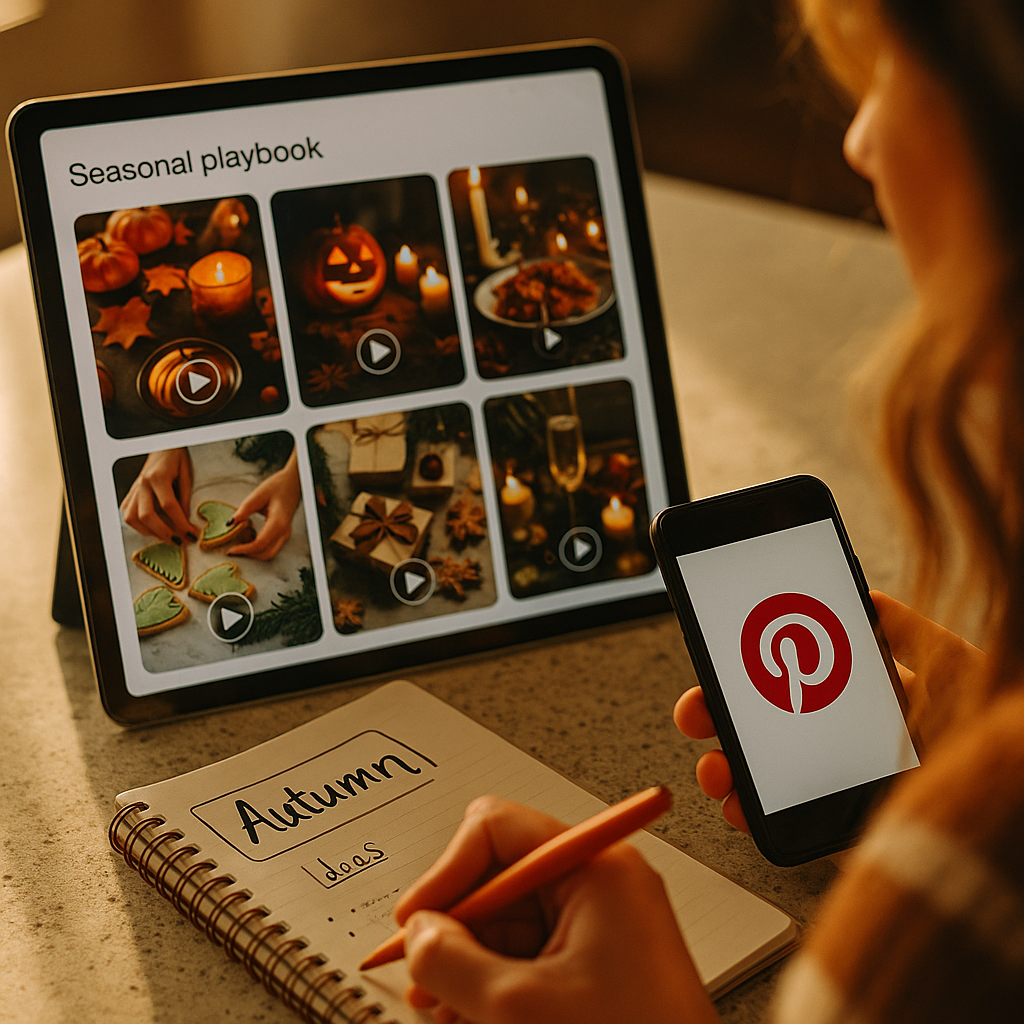
Pinterest surfaces content months after publish, not hours. A Video Pin uploaded in July for holiday shopping can still be earning impressions in December. That’s not a fluke — it’s the platform’s core mechanic, and most brands still plan Pinterest video like it’s TikTok. If your Pinterest Video Pins strategy assumes a 48-hour shelf life, you’re leaving months of free discovery on the table.
Pinterest Doesn’t Work Like Your Other Channels, and That’s the Point
Every other platform your team touches rewards speed. TikTok rewards the first six hours. Instagram Reels front-load distribution in the first 24. Pinterest does the opposite: it’s a visual search engine wearing a social platform’s clothes, and search engines reward durability over velocity.
Pinterest itself reports that Pinterest’s user base skews heavily toward people in active planning mode — searching for ideas 30 to 90 days (sometimes longer) before they buy. That’s fundamentally different from the impulse-scroll behavior brands optimize for elsewhere. A pin about “fall wedding guest outfits” can start gaining traction in August, peak in September and October, and still pull impressions into November.
Pinterest’s average content lifespan is measured in months, not hours — which means a seasonal campaign built with a single-drop mentality is structurally mismatched to how the platform actually distributes content.
This changes everything about how you brief creators, schedule content, and report on performance. If your paid social team is judging a Video Pin campaign on day-three engagement, they’re reading the wrong dashboard entirely.
Reverse-Engineer the Seasonal Calendar (Then Add 8 Weeks)
Most brands schedule seasonal creator content around when the season starts. On Pinterest, that’s backwards. You need content live and gaining early traction before search volume climbs, because the algorithm needs a runway to figure out what your pin is about and who wants it.
Here’s the rule of thumb agencies working Pinterest at scale tend to use: publish 60 to 90 days ahead of peak seasonal search intent. For a holiday gifting campaign peaking in early December, that means your Video Pins should be live by late September at the latest.
- Back-to-school: publish by early June for a late-July/August peak
- Holiday gifting: publish by September for November-December peak
- Spring/summer refresh: publish by January-February for March-May peak
- Wedding season: publish by winter for spring/summer peak searches
This isn’t a Pinterest quirk you have to tolerate. It’s an advantage, if you plan for it. Front-loading content means you’re not fighting for creator availability during the exact window every other brand wants the same talent.
What This Means for Creator Contracts
Standard influencer contracts are built around a campaign window: content goes live, performance gets measured over 30 days, invoice gets paid. Pinterest breaks that model because the content’s value curve is delayed and extended.
Brands need usage rights and performance clauses that reflect a longer measurement period — ideally 90 to 120 days post-publish, not 30. If you’re paying creators on a hybrid model tied to performance, similar to the shifts covered in our hybrid payout deals breakdown for TikTok, you’ll need to rework the measurement window entirely or you’ll systematically undervalue the content.
Structuring the Brief: Evergreen Bones, Seasonal Skin
The best-performing Video Pins aren’t purely seasonal. They’re evergreen content with a seasonal hook layered on top. A pin titled “5 easy weeknight dinners” outperforms “our Halloween dinner special” over a 12-month span, because Pinterest’s search algorithm keeps surfacing it for generic “weeknight dinner” queries long after Halloween passes.
Brief creators to build content around durable search terms first, then thread the seasonal angle through the visuals, captions, and text overlay — not the core topic.
Practical brief structure that works:
- Core topic: tied to an evergreen search query (use Pinterest Trends to validate volume)
- Seasonal layer: visual styling, props, color palette, on-screen text
- Title and description: keyword-first, not campaign-name-first
- CTA: product-agnostic enough to remain relevant if the specific SKU sells out or rotates
Creators used to writing hook-driven TikTok scripts often resist this. They want a punchy seasonal moment, not a search-optimized title. Push back gently — explain that a Pinterest Video Pin’s job is to answer a search query first and entertain second. That’s the inverse of almost every other short-form platform brief they’ve worked from.
Batch Production, Staggered Release
Don’t publish your entire seasonal slate at once. Pinterest’s algorithm rewards steady signal accumulation more than a single burst. Batch-produce with creators in one shoot cycle, then stagger publishing across 4 to 8 weeks leading into the season.
This does two things: it gives the algorithm multiple entry points to test your content against different search queries, and it smooths your creator payment and rights-management workload instead of dumping it all in one invoice cycle.
A workable cadence for a mid-size seasonal push (say, 15-20 Video Pins from 4-5 creators):
- Week 1-2: publish “hero” pins tied to highest-volume seasonal queries
- Week 3-5: publish supporting pins covering long-tail variations
- Week 6-8: publish “late catch” pins for last-minute search behavior
Track which creators’ content Pinterest surfaces fastest in the impressions dashboard. That data should directly inform who gets rebooked next cycle — not follower count, not vanity engagement on the creator’s other platforms.
Rights and Whitelisting: Don’t Skip This Clause
Because Video Pins keep circulating for months, you’ll likely want to boost top performers with Pinterest ad spend well after the organic posting date. Make sure creator contracts include usage rights that extend at least through the full seasonal cycle, plus whitelisting/paid amplification permissions.
This is the same lesson brands learned the hard way with disclosure and usage terms on Instagram — see how compliance concerns played out in our coverage of FTC disclosure rules for buy-moment content. Pinterest isn’t exempt from FTC guidance either; if a Video Pin includes a material connection to a brand, the disclosure needs to be visible in the pin itself, not buried in a description that Pinterest might truncate.
Measurement: Kill the 30-Day Reporting Window
If your dashboard closes out campaign reporting at day 30, you are structurally underreporting Pinterest performance. This is the single biggest reason marketing teams conclude “Pinterest doesn’t work for us” — they’re measuring a slow-burn channel with a fast-burn yardstick.
Pull performance data at 30, 60, and 90-day marks minimum. Compare organic impressions growth curves, not just absolute totals. A Video Pin that’s still climbing at day 60 is a completely different asset than one that peaked and died at day 10 — even if their day-30 numbers look identical.
Judging Pinterest Video Pins on a 30-day window is like judging an SEO blog post one week after publishing — you’re measuring noise, not signal.
Tools like Sprout Social and Pinterest’s native analytics both support extended date ranges — use them. If your agency reporting template was built for platforms with 24-hour decay curves, it needs a Pinterest-specific variant.
Where This Fits in the Broader Creator Budget
Pinterest rarely gets the biggest slice of a creator budget, and that’s often the right call — it’s not where audiences discover new brands the way they do on TikTok or Shorts. But it’s frequently under-resourced relative to its actual bottom-of-funnel value. Someone searching “kitchen remodel ideas” on Pinterest in February is closer to a purchase decision than someone watching a random Reel.
Treat Pinterest creator spend the way you’d treat evergreen search content in an eMarketer-style channel mix: smaller upfront spend, longer payback period, compounding return. It pairs well with other long-window discovery plays — the same logic that governs search-intent briefs on YouTube Shorts applies almost directly to Pinterest, since both platforms reward content built around what people are actively searching for, not just what’s trending.
If you’re running a multi-platform seasonal push, sequence it deliberately: Pinterest content goes live first (for the long discovery runway), TikTok and Instagram content lands closer to the actual seasonal peak (for the immediate conversion push). Running them simultaneously wastes Pinterest’s core advantage.
FAQs
Frequently Asked Questions
How far in advance should brands publish seasonal Video Pins?
Aim for 60 to 90 days before peak seasonal search demand. Holiday content should typically go live by September, back-to-school content by early June. Pinterest’s discovery algorithm needs that runway to build momentum before the season actually peaks.
Why does Pinterest content perform differently than TikTok or Instagram content?
Pinterest functions more like a visual search engine than a social feed. Content is indexed against search queries and can keep gaining impressions for months, while TikTok and Instagram reward immediate engagement within the first 24 to 48 hours.
What’s the ideal reporting window for Video Pin performance?
Measure at 30, 60, and 90-day intervals at minimum. A 30-day-only report will consistently understate Pinterest’s actual performance, since many pins continue climbing in impressions well past that point.
Should creator briefs be seasonal or evergreen for Pinterest?
Build the core topic around evergreen, high-volume search terms, then layer seasonal styling, props, and messaging on top. This lets the pin keep earning impressions outside the specific campaign window instead of going dormant once the season ends.
Do FTC disclosure rules apply to Pinterest Video Pins?
Yes. Any material connection between a creator and a brand needs a clear, visible disclosure on the pin itself, not just in a description that could get cut off. The FTC’s endorsement guidance applies across platforms, including Pinterest.
How should creator contracts change for Pinterest’s longer content lifespan?
Extend usage rights and performance measurement windows to at least 90-120 days post-publish, and include whitelisting or paid amplification permissions so top-performing organic pins can be boosted later in the season without a separate negotiation.
Next step: Pull your last seasonal Pinterest campaign’s 90-day impressions data before planning the next one — if you only have 30-day numbers saved, that’s the gap to fix first.
Top Influencer Marketing Agencies
The leading agencies shaping influencer marketing in 2026
Agencies ranked by campaign performance, client diversity, platform expertise, proven ROI, industry recognition, and client satisfaction. Assessed through verified case studies, reviews, and industry consultations.
Moburst

-
2

The Shelf
Boutique Beauty & Lifestyle Influencer AgencyA data-driven boutique agency specializing exclusively in beauty, wellness, and lifestyle influencer campaigns on Instagram and TikTok. Best for brands already focused on the beauty/personal care space that need curated, aesthetic-driven content.Clients: Pepsi, The Honest Company, Hims, Elf Cosmetics, Pure LeafVisit The Shelf → -
3

Audiencly
Niche Gaming & Esports Influencer AgencyA specialized agency focused exclusively on gaming and esports creators on YouTube, Twitch, and TikTok. Ideal if your campaign is 100% gaming-focused — from game launches to hardware and esports events.Clients: Epic Games, NordVPN, Ubisoft, Wargaming, Tencent GamesVisit Audiencly → -
4

Viral Nation
Global Influencer Marketing & Talent AgencyA dual talent management and marketing agency with proprietary brand safety tools and a global creator network spanning nano-influencers to celebrities across all major platforms.Clients: Meta, Activision Blizzard, Energizer, Aston Martin, WalmartVisit Viral Nation → -
5

The Influencer Marketing Factory
TikTok, Instagram & YouTube CampaignsA full-service agency with strong TikTok expertise, offering end-to-end campaign management from influencer discovery through performance reporting with a focus on platform-native content.Clients: Google, Snapchat, Universal Music, Bumble, YelpVisit TIMF → -
6

NeoReach
Enterprise Analytics & Influencer CampaignsAn enterprise-focused agency combining managed campaigns with a powerful self-service data platform for influencer search, audience analytics, and attribution modeling.Clients: Amazon, Airbnb, Netflix, Honda, The New York TimesVisit NeoReach → -
7

Ubiquitous
Creator-First Marketing PlatformA tech-driven platform combining self-service tools with managed campaign options, emphasizing speed and scalability for brands managing multiple influencer relationships.Clients: Lyft, Disney, Target, American Eagle, NetflixVisit Ubiquitous → -
8

Obviously
Scalable Enterprise Influencer CampaignsA tech-enabled agency built for high-volume campaigns, coordinating hundreds of creators simultaneously with end-to-end logistics, content rights management, and product seeding.Clients: Google, Ulta Beauty, Converse, AmazonVisit Obviously →