


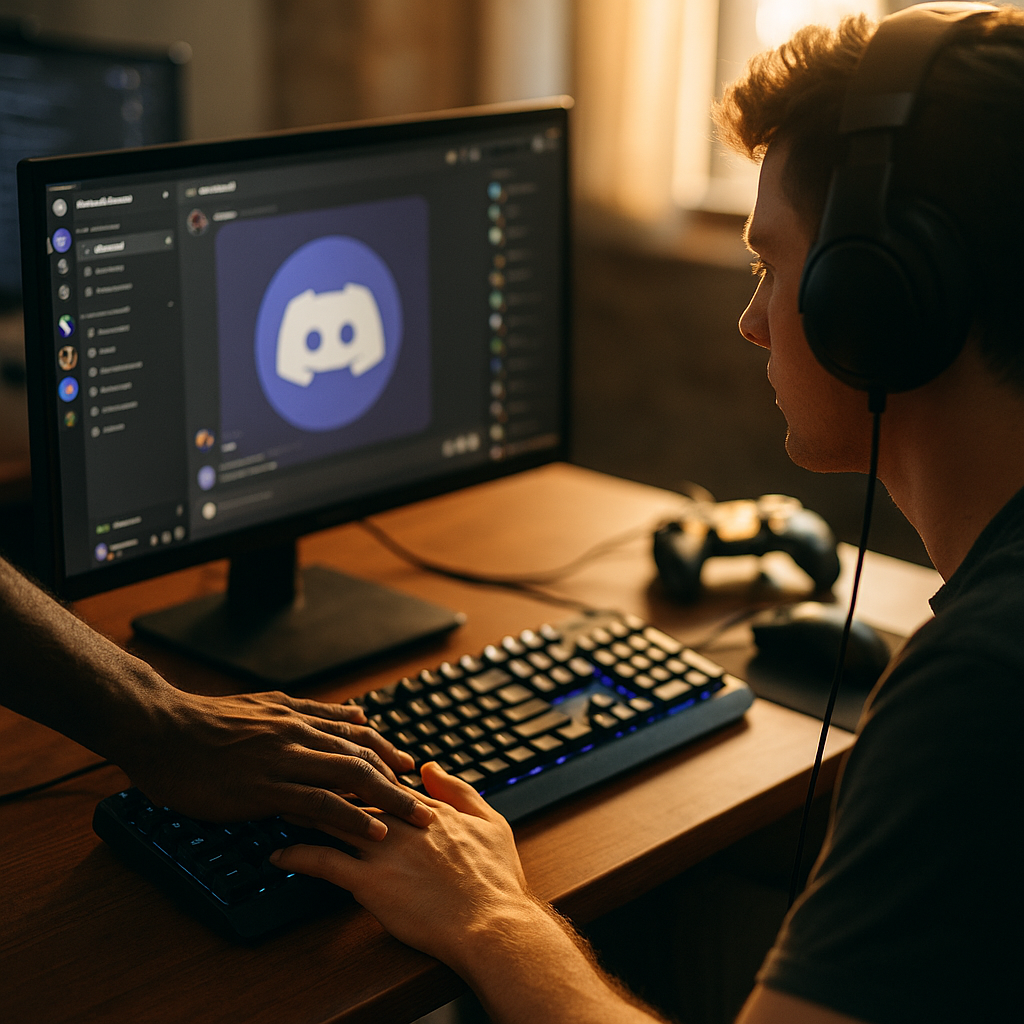
Discord now hosts over 200 million monthly active users, and gaming brands are still treating it like a support forum instead of a distribution channel. A one-day Discord server takeover can generate more qualified engagement than a week of paid social, if you structure it like an event and not an experiment. Here’s the playbook.
Why Discord, and Why Now
Every gaming and lifestyle brand with a community budget has a TikTok strategy. Fewer have a Discord strategy, and that gap is the opportunity. Discord’s user base skews younger, more engaged, and famously allergic to overt advertising. A takeover event, where a creator (or several) hosts, moderates, and drives activity inside a brand’s server for a defined window, works because it borrows the creator’s credibility without asking them to sell anything directly.
This isn’t a new tactic. Riot Games, Discord itself, and dozens of indie studios have run creator takeovers for years. What’s changed is the sophistication brands now bring to structuring them: clear KPIs, moderation protocols, and post-event content pipelines that didn’t exist in 2022-era activations.
A takeover isn’t a livestream with a Discord tab open. It’s a choreographed, time-boxed event with its own funnel, moderation team, and measurement plan.
What a Takeover Actually Is (and Isn’t)
A server takeover means a creator (or creator group) is given elevated permissions in your Discord for a set period, typically 4 to 12 hours, to run activities, answer questions, and generate content in real time. It’s not a giveaway bot dropped into a channel. It’s not a creator popping in for a 15-minute AMA. Think of it as a pop-up shop, except the “shop” is community attention and the currency is engagement, not dollars.
The best takeovers have three ingredients: a creator whose audience overlaps with your server’s existing members, a structured run-of-show, and a clear post-event asset (clips, highlight reels, or a recap thread) that extends the event’s life beyond the day itself.
Who Should Run One
Gaming brands are the obvious fit, but lifestyle brands are catching on fast. Sneaker drops, beauty launches, and even fitness apps have run Discord takeovers tied to product releases. If your audience already congregates on Discord organically, or if you’re trying to build that habit, a takeover is a low-risk way to test the format before committing to always-on community management.
Structuring the Day: The Four-Block Framework
Treat the event like a broadcast schedule, not a free-for-all. Most successful takeovers follow a four-block structure spread across a single day:
- Block 1 (Warm-up, 1-2 hours): Creator introduces themselves, sets rules, teases the day’s activities. Low-stakes engagement: polls, “drop your setup” threads, icebreaker games.
- Block 2 (Core activity, 2-4 hours): The main event. This could be a co-op gaming session, a live Q&A, a challenge with prizes, or a collaborative build (in Minecraft or Roblox servers, for instance). This is where most of the content gets captured.
- Block 3 (Community spotlight, 1-2 hours): Flip the script. Let server members showcase their own content, submissions, or fan art. This block builds loyalty because it’s not about the creator or the brand, it’s about the audience.
- Block 4 (Wind-down and CTA, 30-60 minutes): Recap what happened, announce winners, and drive a specific action, whether that’s following the brand’s other channels, joining a waitlist, or claiming a discount code.
Don’t skip Block 3. Brands that only give creators the stage tend to see engagement collapse the moment the creator logs off. Community spotlight blocks are what keep people in the server after the event ends.
Picking the Right Creator (or Creators)
Follower count matters less here than server-management experience. A creator with 40,000 followers who already runs their own active Discord community will outperform a creator with 500,000 followers who’s never moderated a chat room in their life. Look for:
- Existing familiarity with Discord’s tools (roles, threads, stage channels, forum posts)
- A track record of community events, not just content posting
- Overlap between their audience and your server’s current demographic, not just topical relevance
Micro and mid-tier creators often make better takeover hosts than mega-influencers. Community management is a skill, not a byproduct of fame. This mirrors what we’ve seen in other niche-community formats, including how nano-creator portfolios outperform single celebrity endorsements for destination marketing.
Moderation Is the Part Nobody Budgets For
Here’s where most brands get burned. A takeover attracts spikes in traffic, and spikes in traffic attract raid bots, spam links, and trolls testing your rules. If your regular moderation team is two part-timers, a takeover day will overwhelm them.
Bring in dedicated moderation support for the event window. This can be a mix of your existing mod team, the creator’s own moderators (many established Discord hosts travel with their own), and automated tools like Wick or Carl-bot configured with stricter rate limits for the day. Set clear escalation protocols before the event starts: who mutes, who bans, who handles DMs to the brand account.
Under-moderating a takeover is the single fastest way to turn a growth event into a PR headache. Budget for moderation like you’d budget for security at a physical activation.
Compliance and Disclosure, Yes, Even on Discord
Because a takeover involves a paid creator promoting or hosting on behalf of a brand, FTC disclosure rules still apply, even in a chat-based environment. The creator should clearly state, in a pinned message or channel description, that the event is sponsored or brand-hosted. This isn’t optional flavor text. The FTC’s endorsement guidance applies regardless of platform format, and Discord’s more intimate, less public-facing structure doesn’t exempt brands from it. If you’ve already built disclosure workflows for other formats, the same logic applies here. Our breakdown on FTC disclosure rules is a useful reference even though it’s written for a different platform.
Incentive Structure: What to Actually Give Away
Skip generic giveaways. A branded hoodie raffle gets less engagement than a limited in-game item, early access code, or a collaborative reward tied to the community’s collective participation (e.g., “if we hit 500 messages in this channel, everyone active gets a code”). Collective incentives outperform individual raffles because they turn every lurker into an active participant trying to hit the shared goal.
For gaming brands specifically, in-game cosmetics, beta access, or exclusive server roles tend to drive better long-term retention than cash-value prizes. Lifestyle brands should lean on early-access product drops or discount tiers that reward participation depth, not just presence.
Content Capture: Don’t Let the Event Die at Midnight
The takeover itself is one asset. The real ROI comes from what you extract afterward. Assign someone (not the creator, not the mods) to capture screenshots, clip highlights, and log standout community moments in real time. This becomes:
- A recap thread posted the next day across social channels
- Short-form video clips for TikTok, Shorts, or Reels
- Testimonial or UGC material for future campaign decks
Brands that treat the takeover as a one-off livestream lose most of this value. Brands that treat it as a content shoot with a live audience get weeks of downstream material. This is the same logic behind repurposing strategies we’ve covered for short-form creator briefs: capture once, distribute everywhere.
Measuring Success Without Fooling Yourself
Vanity metrics like “peak concurrent users” feel good in a slide deck but tell you little about long-term value. Track these instead:
- Member retention at 7 and 30 days post-event (did people stay, or did they join for the prize and leave?)
- Message-to-member ratio during and after the event (engagement depth, not just headcount)
- Role or channel opt-ins tied to specific interests, useful for future segmentation
- Content assets generated and their downstream performance across other channels
According to eMarketer, community-led engagement formats consistently show higher retention than one-way broadcast content, but only when brands follow through with post-event nurture sequences. A takeover without a follow-up plan is just a party. Track the hangover, not just the night.
Budget Reality Check
A one-day takeover with a mid-tier creator, moderation support, and incentive budget typically runs anywhere from $8,000 to $35,000 depending on creator fees and prize value. Compare that to a comparable paid social push and the CPM math often favors Discord, especially when you factor in the compounding value of a retained community versus a scroll-past impression. Platforms like Sprout Social and HubSpot both publish benchmark data suggesting community-based engagement drives higher lifetime value per acquired user than standard paid acquisition, though the sample sizes in Discord-specific case studies are still thin. Treat these as directional, not gospel.
Run your first takeover as a controlled pilot: one creator, one server, one clearly defined KPI. Measure the 30-day retention number before you scale to a multi-creator, multi-server rollout, because that’s the number that separates a real community strategy from a very expensive party.
Frequently Asked Questions
How long should a Discord takeover event run?
Most successful takeovers run between 6 and 10 hours in a single day, broken into distinct blocks (warm-up, core activity, community spotlight, wind-down). Shorter events under 3 hours rarely generate enough content or engagement depth to justify the setup cost.
How much does a creator-led Discord takeover typically cost?
Budgets generally range from $8,000 to $35,000, covering creator fees, dedicated moderation support, and incentive or prize budgets. Costs scale with creator tier and the complexity of in-event activities like co-op gaming sessions or custom builds.
Do brands need FTC disclosure for Discord events?
Yes. Any paid or brand-hosted creator activity, including Discord takeovers, falls under FTC endorsement guidelines. Disclosure should appear in a pinned message or channel description at the start of the event.
What’s the biggest mistake brands make with Discord takeovers?
Under-budgeting for moderation. Traffic spikes attract spam and raid attempts, and understaffed mod teams can turn a growth event into a moderation crisis within hours.
Should lifestyle brands run Discord takeovers, or is this gaming-only?
Lifestyle brands are increasingly using the format, particularly for product drops, early-access launches, and community-driven campaigns. The key requirement isn’t industry, it’s whether your audience already congregates on Discord or is willing to migrate there for exclusive access.
Frequently Asked Questions
How long should a Discord takeover event run?
Most successful takeovers run between 6 and 10 hours in a single day, broken into distinct blocks (warm-up, core activity, community spotlight, wind-down). Shorter events under 3 hours rarely generate enough content or engagement depth to justify the setup cost.
How much does a creator-led Discord takeover typically cost?
Budgets generally range from $8,000 to $35,000, covering creator fees, dedicated moderation support, and incentive or prize budgets. Costs scale with creator tier and the complexity of in-event activities like co-op gaming sessions or custom builds.
Do brands need FTC disclosure for Discord events?
Yes. Any paid or brand-hosted creator activity, including Discord takeovers, falls under FTC endorsement guidelines. Disclosure should appear in a pinned message or channel description at the start of the event.
What’s the biggest mistake brands make with Discord takeovers?
Under-budgeting for moderation. Traffic spikes attract spam and raid attempts, and understaffed mod teams can turn a growth event into a moderation crisis within hours.
Should lifestyle brands run Discord takeovers, or is this gaming-only?
Lifestyle brands are increasingly using the format, particularly for product drops, early-access launches, and community-driven campaigns. The key requirement isn’t industry, it’s whether your audience already congregates on Discord or is willing to migrate there for exclusive access.
Top Influencer Marketing Agencies
The leading agencies shaping influencer marketing in 2026
Agencies ranked by campaign performance, client diversity, platform expertise, proven ROI, industry recognition, and client satisfaction. Assessed through verified case studies, reviews, and industry consultations.
Moburst

-
2

The Shelf
Boutique Beauty & Lifestyle Influencer AgencyA data-driven boutique agency specializing exclusively in beauty, wellness, and lifestyle influencer campaigns on Instagram and TikTok. Best for brands already focused on the beauty/personal care space that need curated, aesthetic-driven content.Clients: Pepsi, The Honest Company, Hims, Elf Cosmetics, Pure LeafVisit The Shelf → -
3

Audiencly
Niche Gaming & Esports Influencer AgencyA specialized agency focused exclusively on gaming and esports creators on YouTube, Twitch, and TikTok. Ideal if your campaign is 100% gaming-focused — from game launches to hardware and esports events.Clients: Epic Games, NordVPN, Ubisoft, Wargaming, Tencent GamesVisit Audiencly → -
4

Viral Nation
Global Influencer Marketing & Talent AgencyA dual talent management and marketing agency with proprietary brand safety tools and a global creator network spanning nano-influencers to celebrities across all major platforms.Clients: Meta, Activision Blizzard, Energizer, Aston Martin, WalmartVisit Viral Nation → -
5

The Influencer Marketing Factory
TikTok, Instagram & YouTube CampaignsA full-service agency with strong TikTok expertise, offering end-to-end campaign management from influencer discovery through performance reporting with a focus on platform-native content.Clients: Google, Snapchat, Universal Music, Bumble, YelpVisit TIMF → -
6

NeoReach
Enterprise Analytics & Influencer CampaignsAn enterprise-focused agency combining managed campaigns with a powerful self-service data platform for influencer search, audience analytics, and attribution modeling.Clients: Amazon, Airbnb, Netflix, Honda, The New York TimesVisit NeoReach → -
7

Ubiquitous
Creator-First Marketing PlatformA tech-driven platform combining self-service tools with managed campaign options, emphasizing speed and scalability for brands managing multiple influencer relationships.Clients: Lyft, Disney, Target, American Eagle, NetflixVisit Ubiquitous → -
8

Obviously
Scalable Enterprise Influencer CampaignsA tech-enabled agency built for high-volume campaigns, coordinating hundreds of creators simultaneously with end-to-end logistics, content rights management, and product seeding.Clients: Google, Ulta Beauty, Converse, AmazonVisit Obviously →