


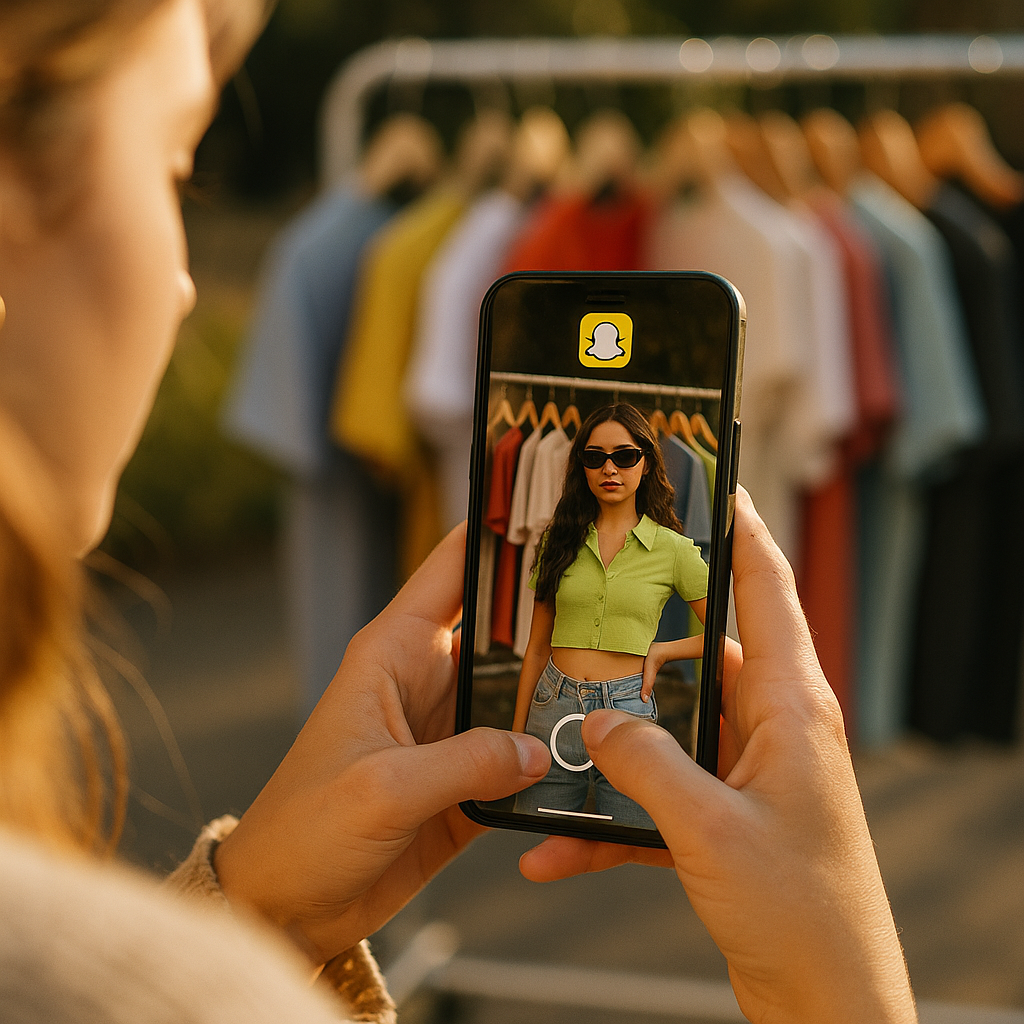
Snapchat Spotlight now reaches over 400 million people every month, yet most fashion brand media plans still treat it as an afterthought. If your teen-targeting strategy stops at TikTok and Instagram, you’re bidding against every other brand in the same crowded auction while Spotlight sits nearly uncontested. That’s not a niche opportunity. That’s a gap.
Snapchat Spotlight is the platform’s algorithmic short-video discovery feed, separate from Stories and Snap Map. It functions a lot like TikTok’s For You Page, except the audience skews younger, the competition for creator talent is thinner, and the CPMs are, frankly, embarrassingly low compared to what brands pay elsewhere.
Why Spotlight Deserves a Second Look
Snapchat’s own data puts daily active users north of 470 million, with the platform still the single most-used app among US teens ahead of Instagram in several Piper Sandler surveys. Gen Z isn’t leaving Snapchat. They’re just not posting about it as much, which means marketers assume the platform is dead. It isn’t. It’s quiet, and quiet is exactly why it works.
Spotlight’s discovery algorithm rewards completion and rewatch rate over follower count, meaning a brand with zero Snapchat following can still land in front of hundreds of thousands of teen viewers organically.
Compare that to TikTok, where organic reach for branded accounts has been shrinking for two years as the platform prioritizes discovery over reach for creators with established audience signals. Spotlight hasn’t hit that saturation point yet. New accounts still get a fair shake in the feed rotation.
The Teen Fashion Fit
Fashion content performs unusually well on Spotlight for three reasons. First, the format rewards fast visual transformation, outfit changes, try-on hauls, styling flips, exactly the content fashion brands already produce for other platforms. Second, Snapchat’s core demographic (13-24) overlaps almost perfectly with fast-fashion and mid-market apparel buyers. Third, and this is the part most media planners miss, Snapchat’s shopping integrations through Public Profiles and Snap Ads now let brands attach product tags directly to Spotlight content, closing the loop between discovery and purchase intent.
Recent research from eMarketer shows Snapchat’s ad revenue growth outpacing several legacy social platforms, driven largely by improved measurement tools and renewed advertiser confidence in the app’s younger user base.
Is Spotlight going to replace TikTok Shop or Instagram Reels in your budget? No. But treating it as a zero-line-item channel in 2026 is leaving reach on the table that costs a fraction of what you’re paying elsewhere.
What Makes Spotlight Content Different
Spotlight isn’t a repost dumping ground, even though a lot of brands treat it that way. Content that performs shares a few traits:
- Vertical, sound-on video under 60 seconds, with the first two seconds doing the heavy lifting
- Text overlays that work even muted, since a chunk of Snapchat viewing happens without sound
- Native-feeling creator talent rather than polished studio production
- Trend-responsive editing, Snapchat’s algorithm favors content using currently trending sounds and formats similar to TikTok’s model
- Clear, fast payoff, teens are not patient viewers, and Spotlight’s completion-rate weighting punishes slow builds
Brands repurposing TikTok content directly onto Spotlight without edits usually see mediocre results. The algorithms reward different signals. A video optimized for TikTok’s watch-time curve won’t necessarily match Spotlight’s own completion rate priorities, and brands that have already had to rewrite briefs for shifting completion metrics elsewhere should recognize the pattern here.
Building the Creator Brief for Spotlight
Here’s where most brands get it wrong: they hand Spotlight to whoever manages their TikTok Shop program as a side task. Spotlight needs its own brief, its own creator vetting, and its own success metrics.
Start with creator selection. Snapchat doesn’t have the same creator marketplace maturity as TikTok or YouTube, so sourcing talent means going direct through agencies, using Snapchat’s own Creator Marketplace tools, or scouting Spotlight’s trending tab for creators already getting traction in the fashion vertical. Micro-creators with 10,000 to 50,000 followers often outperform bigger names here because Spotlight’s discovery mechanics don’t require an existing audience to succeed.
Brief structure should include:
- Hook direction: specify the first-frame concept, not just the general theme
- Product placement timing: when in the video the item should appear on screen
- Caption and hashtag guidance: Spotlight still rewards relevant hashtag use for categorization
- Sound selection: trending audio pulled from Snapchat’s own sound library, not assumed crossover from TikTok
- Shoppable tag placement: where product links should sit if using Snapchat’s commerce tools
Treat the brief like you would any other creator onboarding template, structured enough for consistency, loose enough for creator voice to come through.
Measurement: What Actually Matters
Snapchat’s Spotlight analytics dashboard reports views, watch time, and completion rate, but the metric that predicts sustained reach is rewatch rate. A video that gets replayed signals strong algorithmic value and tends to get redistributed into more feeds over the following 48 to 72 hours.
Brands should also track:
- Swipe-up or shoppable tag click-through rate
- Follower growth on brand Public Profile post-campaign
- Cross-platform lift, since Spotlight often drives search behavior on other channels rather than direct purchase
That last point matters for attribution modeling. Spotlight rarely closes the sale in-app. It opens the door. Marketers who expect direct-response numbers matching TikTok Shop’s affiliate model will be disappointed; Spotlight functions more like a discovery-and-awareness layer, similar to how brands have had to reframe Reels monetization expectations after platform algorithm shifts.
Compliance and Brand Safety Considerations
Teen-focused marketing carries regulatory weight that shouldn’t be an afterthought. The FTC’s endorsement guidelines apply to Spotlight content exactly as they do on any other platform, disclosure requirements don’t disappear because the app skews younger. If anything, regulators scrutinize youth-targeted marketing more closely.
Brands should also review Snapchat’s own advertising policies around content aimed at minors, and confirm any influencer contracts include explicit disclosure clauses for sponsored Spotlight posts. UK-based campaigns should factor in ICO guidance on children’s data protection, particularly around targeted advertising practices aimed at under-18 audiences.
This isn’t a reason to avoid the platform. It’s a reason to build compliance review into your workflow the same way brands already do for age-gated product categories on other platforms.
Budget Allocation: A Realistic Starting Point
You don’t need to reallocate a huge chunk of your influencer budget to test Spotlight. Start with 5-8% of your teen-focused creator spend, run it across 15-20 creators over a 60-day window, and measure against the metrics above before scaling. Snapchat’s lower competition for ad inventory means CPMs for boosted Spotlight content often run well below comparable Reels or TikTok promotion, based on benchmark data from HubSpot’s social advertising cost reports.
Agencies managing multi-platform influencer programs should treat Spotlight the way they’d treat any emerging channel test: small budget, clear KPIs, defined exit criteria if performance doesn’t clear a minimum threshold within one quarter.
Next Step
Run a 60-day Spotlight pilot with 15-20 micro-creators before your next quarterly planning cycle, and measure rewatch rate alongside shoppable click-through before deciding whether it earns a permanent budget line.
FAQs
Is Snapchat Spotlight worth it for fashion brands in 2026?
Yes, particularly for brands targeting teens and Gen Z, where Snapchat remains one of the most-used daily apps. Lower creator competition and cheaper CPMs make it a cost-efficient discovery channel compared to saturated platforms.
How is Spotlight different from TikTok’s For You Page?
Both use algorithmic discovery feeds, but Spotlight weighs rewatch rate and completion heavily, and doesn’t require an existing follower base for a creator or brand to reach large audiences. TikTok’s algorithm has grown more favorable to established creators over time.
What size creators work best on Spotlight?
Micro-creators with 10,000 to 50,000 followers frequently outperform larger accounts, since Spotlight’s discovery mechanics reward content quality and completion over audience size.
Does Spotlight support shoppable content?
Yes, through Snapchat’s Public Profiles and Snap Ads product tagging tools, brands can attach shoppable links to Spotlight videos, though most conversion still happens after users leave the app.
What compliance issues should brands watch for?
FTC endorsement disclosure rules apply fully to Spotlight content. Brands running campaigns aimed at minors should also review platform advertising policies and relevant data protection guidance, particularly for UK and EU audiences.
Visible FAQ (JSON-LD below matches exactly)
Top Influencer Marketing Agencies
The leading agencies shaping influencer marketing in 2026
Agencies ranked by campaign performance, client diversity, platform expertise, proven ROI, industry recognition, and client satisfaction. Assessed through verified case studies, reviews, and industry consultations.
Moburst

-
2

The Shelf
Boutique Beauty & Lifestyle Influencer AgencyA data-driven boutique agency specializing exclusively in beauty, wellness, and lifestyle influencer campaigns on Instagram and TikTok. Best for brands already focused on the beauty/personal care space that need curated, aesthetic-driven content.Clients: Pepsi, The Honest Company, Hims, Elf Cosmetics, Pure LeafVisit The Shelf → -
3

Audiencly
Niche Gaming & Esports Influencer AgencyA specialized agency focused exclusively on gaming and esports creators on YouTube, Twitch, and TikTok. Ideal if your campaign is 100% gaming-focused — from game launches to hardware and esports events.Clients: Epic Games, NordVPN, Ubisoft, Wargaming, Tencent GamesVisit Audiencly → -
4

Viral Nation
Global Influencer Marketing & Talent AgencyA dual talent management and marketing agency with proprietary brand safety tools and a global creator network spanning nano-influencers to celebrities across all major platforms.Clients: Meta, Activision Blizzard, Energizer, Aston Martin, WalmartVisit Viral Nation → -
5

The Influencer Marketing Factory
TikTok, Instagram & YouTube CampaignsA full-service agency with strong TikTok expertise, offering end-to-end campaign management from influencer discovery through performance reporting with a focus on platform-native content.Clients: Google, Snapchat, Universal Music, Bumble, YelpVisit TIMF → -
6

NeoReach
Enterprise Analytics & Influencer CampaignsAn enterprise-focused agency combining managed campaigns with a powerful self-service data platform for influencer search, audience analytics, and attribution modeling.Clients: Amazon, Airbnb, Netflix, Honda, The New York TimesVisit NeoReach → -
7

Ubiquitous
Creator-First Marketing PlatformA tech-driven platform combining self-service tools with managed campaign options, emphasizing speed and scalability for brands managing multiple influencer relationships.Clients: Lyft, Disney, Target, American Eagle, NetflixVisit Ubiquitous → -
8

Obviously
Scalable Enterprise Influencer CampaignsA tech-enabled agency built for high-volume campaigns, coordinating hundreds of creators simultaneously with end-to-end logistics, content rights management, and product seeding.Clients: Google, Ulta Beauty, Converse, AmazonVisit Obviously →