


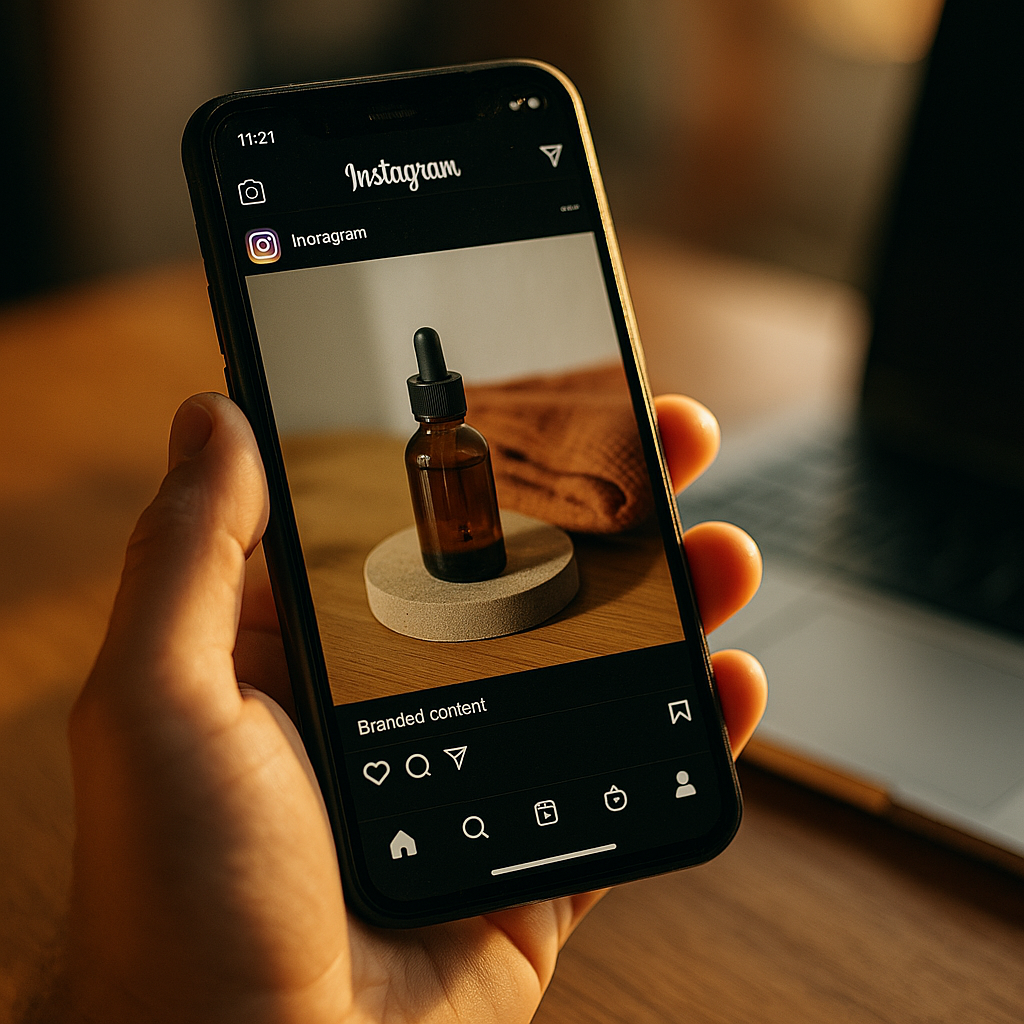
Branded content used to be a reach tax. Post the same video with a “Paid Partnership” label and watch it lose a third of its distribution overnight — that was the old rule. Instagram’s 2026 algorithm flips that logic entirely: labeled posts now get preferential placement in the algorithm, provided they meet a new set of transparency and engagement thresholds. If your team is still treating disclosure as a necessary evil rather than a ranking signal, you’re leaving reach on the table.
What Actually Changed
Meta has spent years walking a tightrope between advertiser demand and regulatory pressure. The result, historically, was a labeling system that satisfied the FTC’s disclosure requirements but quietly suppressed the very content it flagged. Creators noticed. Brands noticed. Everyone just ate the reach penalty because the alternative — undisclosed partnerships — carried far bigger legal and reputational risk.
That trade-off no longer applies. Meta’s latest ranking update treats the “Paid Partnership” label as a trust signal rather than a red flag. Posts using the native branded content tool are now eligible for expanded distribution in Explore, Reels recommendations, and non-follower feeds — categories that were previously the hardest for sponsored content to crack. Internal Meta commentary (echoed in recent creator economy coverage from eMarketer) frames this as part of a broader push toward “verified commercial transparency,” where the platform rewards disclosure instead of punishing it.
Labeled branded content posted through Meta’s native tool is now outperforming unlabeled or manually disclosed posts by a meaningful margin in early reach benchmarks — a full reversal of the pre-update reality.
Why the reversal? Regulators in the US, UK, and EU have all tightened enforcement around influencer disclosure over the past two years. Meta’s incentive shifted from “minimize the visibility of ads” to “prove the platform polices ads properly.” Rewarding compliant labeling is the cheapest way to do that at scale.
The Mechanics: How the Ranking Boost Actually Works
This isn’t a blanket boost for anything tagged as sponsored. The algorithm appears to weight several factors before granting the distribution lift:
- Native tool usage: Posts tagged through Instagram’s branded content tool outperform those disclosed only via caption hashtags like #ad or #sponsored.
- Brand account linkage: Partnerships where the brand’s business account is tagged as a partner see stronger amplification than creator-only tags.
- Early engagement velocity: Labeled posts still need to perform in the first 30-60 minutes; the label removes the penalty, it doesn’t replace the need for a hook.
- Historical compliance rate: Accounts with a track record of properly labeling partnerships appear to get a trust multiplier over accounts that mix labeled and unlabeled sponsored content inconsistently.
That last point matters more than most teams realize. This is a pattern-recognition system, not a post-by-post judge. One clean, well-labeled post won’t fix a profile full of undisclosed gifting content from last quarter.
Why This Matters for Budget Allocation
For years, brands quietly nudged creators toward looser disclosure — a caption mention instead of the formal tag — because it protected reach. That calculus is now backwards. Agencies negotiating creator contracts need to make native tagging a hard requirement, not a suggestion, because it’s now a performance lever rather than a compliance checkbox.
This also changes how you evaluate creator quotes. A creator charging a premium for “off-platform disclosure flexibility” is offering you a worse-performing asset. Push back on that pricing logic in your next negotiation round.
Building the New Labeling Workflow
Operationally, this requires tightening up three things most influencer teams have let slide: account linkage setup, creator education, and QA before publish.
- Pre-approve business partner access. Every creator in your roster should have your brand account added as an approved partner before the first post goes live, not scrambled together the morning of launch.
- Standardize the tagging step in briefs. Don’t assume creators know the difference between a caption hashtag and the native tool. Spell it out with screenshots in the brief itself.
- Audit historical compliance. If you’re activating creators who’ve been inconsistent with disclosure, expect a lag before the algorithm extends full trust to new labeled posts.
- Track reach by label type in reporting. Segment your analytics by native-tagged versus caption-disclosed content so you have your own first-party data on the lift, rather than relying on platform-wide averages.
This mirrors a pattern we’ve seen play out on other platforms. TikTok’s paid partnership labeling rules already throttle reach for improperly tagged content, and its commercial content setting requires similar upfront setup work. Instagram catching up isn’t a coincidence — it’s competitive pressure between platforms to look compliant to regulators while still monetizing creator content.
Does Labeling Still Hurt Engagement Rate?
Short answer: less than it used to, but yes, somewhat. Comment and save rates on labeled posts still trail unlabeled organic content by a small margin, largely because audiences remain more skeptical of anything flagged as an ad. The difference is that reach no longer compounds that skepticism penalty the way it once did.
Practically, that means your creative still needs to earn attention in the first three seconds. The algorithm will now distribute a well-made labeled post fairly. It won’t rescue a boring one. Sprout Social’s engagement benchmarking has consistently shown that hook quality, not disclosure status, is the strongest predictor of watch time on branded video — and that hasn’t changed.
Treat the label as a distribution unlock, not a creative excuse. The algorithm removed the penalty; it didn’t remove the bar for quality.
What This Means for Nano and Micro Creator Programs
Smaller creators stand to benefit disproportionately here. They’ve historically had the least leverage to negotiate around disclosure requirements, and the reach penalty hit them hardest relative to their baseline distribution. Now that labeled content gets algorithmic support rather than suppression, nano and micro partnerships become a more efficient reach buy per dollar.
If you’re running seeding programs at scale, this is a good moment to revisit how you’re activating that layer of your roster. Our earlier breakdown on turning nano creator content into paid media becomes even more relevant when the organic baseline for labeled posts is stronger to begin with. You’re no longer paying to overcome a reach penalty; you’re paying to accelerate content that’s already getting a fair shot.
Cross-Platform Context: You’re Not Choosing One System
Most brands running always-on influencer programs are juggling labeling requirements across at least three platforms simultaneously, each with different mechanics. Instagram’s shift toward rewarding disclosure sits alongside YouTube’s continued emphasis on creator trust signals over raw volume and TikTok’s trust-based distribution model. The throughline across all three: platforms are converging on “verified, transparent, consistent” as the new proxy for quality, replacing the old proxy of raw engagement volume.
That convergence should simplify your compliance stack, not complicate it. Build one labeling and disclosure standard for your creator contracts, then adapt the technical tagging steps per platform. Don’t run three different disclosure philosophies depending on channel; regulators and platforms are both moving toward one expectation.
The Compliance Angle Brands Can’t Ignore
None of this changes your underlying legal obligations. The FTC’s endorsement guidelines still require clear and conspicuous disclosure regardless of what the algorithm rewards, and the ICO and EU regulators have their own parallel frameworks for UK and European audiences. The algorithm change is a business incentive layered on top of an existing legal requirement, not a replacement for it.
If anything, this is the easiest compliance win your team will get all year: the thing you were already legally required to do now also performs better. Update your creator contracts to mandate native tool usage, brief your legal and marketing teams together on the shift, and stop treating disclosure as a negotiation point with creators. It’s not optional, and now it’s not costly either.
Next Step
Audit your last 90 days of Instagram branded content: pull reach data segmented by native-tagged versus caption-only disclosure, then rebuild your creator brief template to require the native tool by default. That single workflow change is the fastest way to capture the reach benefit before competitors catch on.
FAQs
Does Instagram’s algorithm now boost all sponsored content?
No. The boost applies specifically to content labeled through Instagram’s native branded content tool with a linked brand partner account. Caption-only disclosures like #ad still get some protection under FTC rules but don’t receive the same algorithmic lift.
Will this change hurt engagement rates on branded posts?
Labeled posts still see slightly lower comment and save rates than fully organic content, since audiences remain more skeptical of sponsored material. However, the reach penalty that used to compound that skepticism has largely been removed.
How quickly does a brand account need to be tagged as a partner?
Ideally before the post goes live. Set up business partner approvals during onboarding rather than the day of launch to avoid delays that can affect how the algorithm evaluates the post’s compliance history.
Does a creator’s past disclosure history affect new post performance?
It appears to. Accounts with consistent, compliant labeling seem to get a trust multiplier, while accounts with a mixed history of labeled and unlabeled sponsored content may see a slower ramp toward full algorithmic benefit.
Is this Instagram change related to similar updates on other platforms?
Yes. TikTok has implemented comparable labeling and commercial content requirements, and YouTube has shifted toward rewarding creator trust signals. Regulatory pressure across major markets is pushing most platforms toward similar transparency-based ranking systems.
FAQs
Does Instagram’s algorithm now boost all sponsored content?
No. The boost applies specifically to content labeled through Instagram’s native branded content tool with a linked brand partner account. Caption-only disclosures like #ad still get some protection under FTC rules but don’t receive the same algorithmic lift.
Will this change hurt engagement rates on branded posts?
Labeled posts still see slightly lower comment and save rates than fully organic content, since audiences remain more skeptical of sponsored material. However, the reach penalty that used to compound that skepticism has largely been removed.
How quickly does a brand account need to be tagged as a partner?
Ideally before the post goes live. Set up business partner approvals during onboarding rather than the day of launch to avoid delays that can affect how the algorithm evaluates the post’s compliance history.
Does a creator’s past disclosure history affect new post performance?
It appears to. Accounts with consistent, compliant labeling seem to get a trust multiplier, while accounts with a mixed history of labeled and unlabeled sponsored content may see a slower ramp toward full algorithmic benefit.
Is this Instagram change related to similar updates on other platforms?
Yes. TikTok has implemented comparable labeling and commercial content requirements, and YouTube has shifted toward rewarding creator trust signals. Regulatory pressure across major markets is pushing most platforms toward similar transparency-based ranking systems.
Top Influencer Marketing Agencies
The leading agencies shaping influencer marketing in 2026
Agencies ranked by campaign performance, client diversity, platform expertise, proven ROI, industry recognition, and client satisfaction. Assessed through verified case studies, reviews, and industry consultations.
Moburst

-
2

The Shelf
Boutique Beauty & Lifestyle Influencer AgencyA data-driven boutique agency specializing exclusively in beauty, wellness, and lifestyle influencer campaigns on Instagram and TikTok. Best for brands already focused on the beauty/personal care space that need curated, aesthetic-driven content.Clients: Pepsi, The Honest Company, Hims, Elf Cosmetics, Pure LeafVisit The Shelf → -
3

Audiencly
Niche Gaming & Esports Influencer AgencyA specialized agency focused exclusively on gaming and esports creators on YouTube, Twitch, and TikTok. Ideal if your campaign is 100% gaming-focused — from game launches to hardware and esports events.Clients: Epic Games, NordVPN, Ubisoft, Wargaming, Tencent GamesVisit Audiencly → -
4

Viral Nation
Global Influencer Marketing & Talent AgencyA dual talent management and marketing agency with proprietary brand safety tools and a global creator network spanning nano-influencers to celebrities across all major platforms.Clients: Meta, Activision Blizzard, Energizer, Aston Martin, WalmartVisit Viral Nation → -
5

The Influencer Marketing Factory
TikTok, Instagram & YouTube CampaignsA full-service agency with strong TikTok expertise, offering end-to-end campaign management from influencer discovery through performance reporting with a focus on platform-native content.Clients: Google, Snapchat, Universal Music, Bumble, YelpVisit TIMF → -
6

NeoReach
Enterprise Analytics & Influencer CampaignsAn enterprise-focused agency combining managed campaigns with a powerful self-service data platform for influencer search, audience analytics, and attribution modeling.Clients: Amazon, Airbnb, Netflix, Honda, The New York TimesVisit NeoReach → -
7

Ubiquitous
Creator-First Marketing PlatformA tech-driven platform combining self-service tools with managed campaign options, emphasizing speed and scalability for brands managing multiple influencer relationships.Clients: Lyft, Disney, Target, American Eagle, NetflixVisit Ubiquitous → -
8

Obviously
Scalable Enterprise Influencer CampaignsA tech-enabled agency built for high-volume campaigns, coordinating hundreds of creators simultaneously with end-to-end logistics, content rights management, and product seeding.Clients: Google, Ulta Beauty, Converse, AmazonVisit Obviously →