


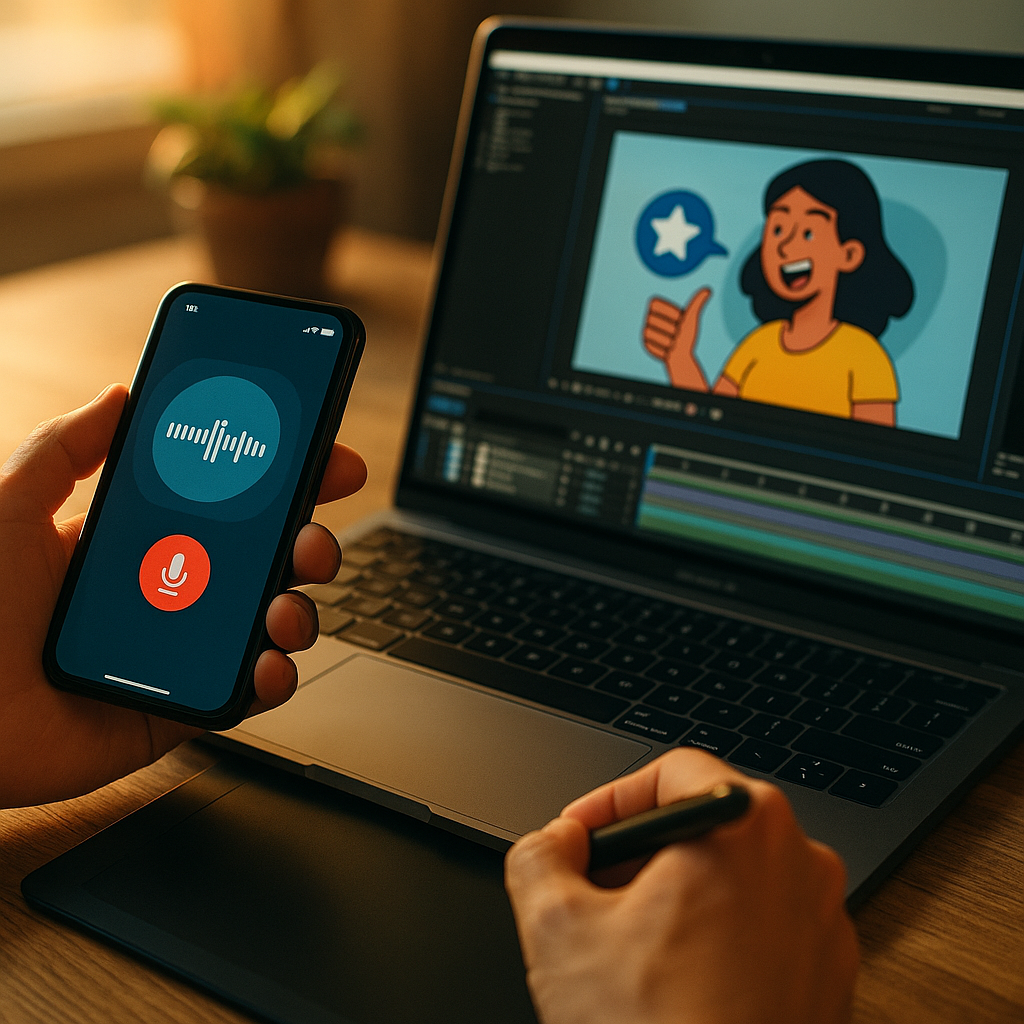
Ninety-one percent of consumers say they trust user-generated content more than branded messaging, according to research widely cited by Sprout Social. But what happens when the “user” never intended their words to become content at all? The customer voicemail format takes real feedback calls, support voicemails, and survey audio, then wraps them in animation or illustration to create short-form content that feels unscripted because it is.
This isn’t a gimmick. It’s a response to testimonial fatigue. Audiences have learned to smell a paid actor reading brand-approved copy from three seconds of footage. A shaky voicemail, rendered as a cartoon customer venting about a product, hits differently.
Why Raw Audio Beats Polished Testimonials
Marketers have spent a decade perfecting the testimonial video: good lighting, a confident spokesperson, three key talking points delivered on cue. It works, but it’s starting to plateau. Viewers scroll past because the format signals “ad” before the message even lands.
Voicemail-based content flips that instinct. The audio is imperfect. There’s background noise, a pause where someone searches for a word, maybe a laugh that wasn’t scripted. When you animate that audio instead of filming a real face, you remove the polish trap entirely — the illustration style becomes the brand’s visual signature, while the voice stays completely human.
The format works precisely because it refuses to look expensive. Authenticity signals now outperform production value on nearly every short-form platform metric that matters: watch time, saves, and comment sentiment.
Compare this to the broader UGC trend brands have been chasing. Our piece on rebuilding creator briefs for trust covers similar ground: audiences reward format honesty over format perfection. The voicemail approach just takes that principle to its logical extreme.
What Counts as “Customer Voicemail” Content?
The format is broader than literal voicemails. Brands are sourcing raw audio from:
- Actual customer service voicemails (with consent and redaction)
- Post-purchase survey audio responses
- Support call snippets flagged by CX teams as unusually positive or emotionally candid
- Voice notes submitted through review platforms or social DMs
- Live event or focus group recordings
Once sourced, the audio gets paired with animation, ranging from simple kinetic typography and waveform visuals to full character illustration where an animated avatar “speaks” the customer’s words. Some brands go stylized and cartoonish. Others use a flat, editorial illustration style closer to a New Yorker cartoon than a Pixar short. The style is a brand decision, not a format requirement.
The Production Workflow, Step by Step
Here’s roughly how this runs in practice, based on how CX and content teams have started collaborating on the format:
- Source and flag. CX or customer success teams tag voicemails, call recordings, or audio survey responses that contain genuine emotion, humor, or specific product detail.
- Consent and clearance. Legal or compliance reviews the recording for consent status. This is non-negotiable and covered in more detail below.
- Transcription and editing. The raw audio gets trimmed for length and clarity, but not rewritten. Um’s and pauses often stay; that’s part of the credibility.
- Voice disguise (if needed). If the customer wants anonymity, tools can shift pitch slightly or the brand pairs the audio with an illustrated character rather than showing a real face.
- Animation pass. Motion designers sync mouth movements, waveform pulses, or scene transitions to the audio’s actual cadence.
- Platform cuts. One base animation gets resized and re-paced for TikTok, Reels, Shorts, and LinkedIn video specs.
That last step matters more than it sounds. A 45-second voicemail edited for TikTok’s pacing expectations plays very differently than the same audio dropped into a LinkedIn native video for a B2B audience. If you’re already running a remixable asset pipeline, this format slots in well; see our breakdown of remixable asset briefs for how one raw source can be cut for every channel without re-shooting anything.
The Compliance Question Nobody Can Skip
This is where marketing and legal need to be in the same room from day one, not after the first cut is ready for approval.
Recording a customer’s voice and turning it into public marketing content triggers consent obligations in most jurisdictions. In the US, state-level two-party consent laws (California, Florida, and others) require that both parties agree to a call being recorded, separate from any later use of that recording in an ad. The FTC also expects endorsements, real or implied, to reflect genuine and current opinions, and testimonial content that’s edited to change meaning can trigger disclosure requirements.
In the UK and EU, you’re also dealing with GDPR: voice recordings are personal data, and using them for marketing purposes beyond the original stated reason for collection needs a fresh legal basis or explicit consent. The ICO has been explicit that “we recorded this call for quality purposes” does not cover repurposing that audio into an ad campaign.
If your original call recording disclaimer only mentions “training and quality assurance,” that consent does not extend to public marketing use. You need a second, specific opt-in.
Practical steps that keep this format defensible:
- Get a written, specific release for marketing use, separate from any general call-recording notice.
- Anonymize identifying details unless the customer explicitly agrees to be named or shown.
- Keep an audit trail: who consented, when, and to what exact use.
- Avoid editing that changes the substance of what the customer said. Trimming for length is fine; reordering words to change meaning is not.
- Loop in whoever handles your influencer and testimonial disclosure policy so this format follows the same review gate as paid creator content.
If your team already has a compliance workflow for other trust-driven UGC formats, extend it here rather than building a parallel process. Our guide on briefing creators without FTC risk covers a similar consent-and-disclosure logic that transfers cleanly to voicemail sourcing.
Where This Format Actually Performs
Not every brand needs animated voicemail content. It works best where the product decision involves some emotional friction: healthcare, financial services, SaaS with a real learning curve, or CPG products with polarizing opinions (protein powder, meal kits, anything people either love or roast online).
B2B brands are experimenting with it too, particularly for renewal and retention storytelling. A customer success call where a client says “honestly, I was ready to churn until your team fixed X” is gold when animated into a 30-second short for a sales enablement deck or a LinkedIn post. It reads as evidence, not marketing.
This connects to a broader shift in B2B content toward native, less-polished formats. See how brands are approaching LinkedIn thought leadership content pipelines for a sense of how raw input, in that case audience polls, becomes structured content without losing its authenticity.
Metrics That Matter Here
Standard view counts undersell this format. What you should track instead:
- Completion rate, because voicemail content tends to have a slower opening beat (static waveform, muffled audio) that filters out low-intent viewers early.
- Save and share rate, which tends to outperform polished testimonials since the content feels “found” rather than “advertised.”
- Comment sentiment, specifically whether commenters relate their own experience rather than just reacting to the ad.
- Sales team reuse, if the content gets pulled into decks, cold emails, or onboarding materials without prompting, that’s a strong signal of trust transfer.
Platforms like TikTok and Instagram Reels reward high completion and re-watch behavior in their ranking signals, according to guidance from TikTok’s own ad resources and Meta Business. A format that earns organic re-watches through curiosity (who is this? what happened?) has a structural advantage over content that telegraphs its punchline in the first frame.
Where Brands Get This Wrong
The most common mistake: over-producing the animation until it looks like a brand ad again. If the illustration style is too slick, too on-brand, too obviously art-directed, you’ve killed the exact quality that made the format work. The audio should feel found. The animation should feel like a light touch, not a full brand takeover.
Second mistake: cherry-picking only glowing feedback. A steady diet of five-star voicemails reads as fake even when it’s real. The strongest versions of this format include at least occasional mixed or even critical feedback, paired with a follow-up beat showing how the brand responded. That arc, complaint to resolution, does more for trust than ten unblemished raves.
Third: skipping platform-specific pacing. A voicemail edit that works on YouTube Shorts (built for slightly longer attention spans) will underperform badly on TikTok if you don’t re-cut the hook for the first two seconds. Treat each platform cut as its own edit, not a resize job.
Budgeting and Team Setup
This format doesn’t require a big production budget, but it does require cross-functional coordination that most content calendars don’t have built in. You need CX or support to flag source material, legal to clear it, and either an in-house motion designer or a freelance animator comfortable working from audio-first briefs rather than scripts.
If you’re already running a diversified content budget across formats, this slots in as a relatively low-cost, high-authenticity line item. For a framework on where this kind of format fits against paid UGC and creator spend, see content format diversification budgeting.
Expect the animation pass to be the main cost driver, not the sourcing. A simple waveform-and-captions treatment can be built cheaply and quickly. Full character illustration with lip-sync costs more and takes longer, but tends to perform better on save rates because it’s more distinctive in a feed full of static testimonial cards.
FAQs
Frequently Asked Questions
Do we need explicit customer consent to use a voicemail in marketing?
Yes. Consent to record a call for quality or training purposes does not automatically cover using that recording in public marketing content. Get a separate, written release specifically for marketing use, and keep a record of when and how it was given.
Does animating the audio reduce our compliance burden compared to showing the real customer?
It reduces some risk around identity and likeness, especially if you anonymize voice and appearance, but it does not remove consent or FTC disclosure requirements. The underlying words are still real customer testimony and are treated as such under advertising law.
What’s the ideal length for this format?
Most brands see best performance between 20 and 45 seconds. Long enough to include a real narrative arc (problem, reaction, resolution), short enough to hold completion rates on TikTok, Reels, and Shorts.
Can this format work for B2B brands, not just consumer products?
Yes, particularly for customer success and retention stories. Animated voicemail clips from support calls or renewal conversations work well in sales enablement content and on LinkedIn, where raw, low-polish formats are currently outperforming heavily produced video.
Should we include negative or mixed feedback in this format?
Generally, yes. A format built entirely from glowing praise reads as curated and loses the trust advantage the raw-audio approach is meant to create. Including a complaint-to-resolution arc tends to perform better than an all-positive reel.
What animation style works best?
There’s no single right answer, but simpler tends to outperform elaborate. Waveform visuals, kinetic typography, and flat character illustration all work because they keep attention on the audio rather than competing with it. Avoid highly polished, brand-heavy animation that undercuts the format’s authenticity.
Next step: pull three to five recent customer voicemails or support calls your CX team already flagged as noteworthy, clear them for marketing use, and test one animated cut against your current testimonial format for completion rate and saves before committing budget to a full series.
FAQs
Frequently Asked Questions
Do we need explicit customer consent to use a voicemail in marketing?
Yes. Consent to record a call for quality or training purposes does not automatically cover using that recording in public marketing content. Get a separate, written release specifically for marketing use, and keep a record of when and how it was given.
Does animating the audio reduce our compliance burden compared to showing the real customer?
It reduces some risk around identity and likeness, especially if you anonymize voice and appearance, but it does not remove consent or FTC disclosure requirements. The underlying words are still real customer testimony and are treated as such under advertising law.
What’s the ideal length for this format?
Most brands see best performance between 20 and 45 seconds. Long enough to include a real narrative arc (problem, reaction, resolution), short enough to hold completion rates on TikTok, Reels, and Shorts.
Can this format work for B2B brands, not just consumer products?
Yes, particularly for customer success and retention stories. Animated voicemail clips from support calls or renewal conversations work well in sales enablement content and on LinkedIn, where raw, low-polish formats are currently outperforming heavily produced video.
Should we include negative or mixed feedback in this format?
Generally, yes. A format built entirely from glowing praise reads as curated and loses the trust advantage the raw-audio approach is meant to create. Including a complaint-to-resolution arc tends to perform better than an all-positive reel.
What animation style works best?
There’s no single right answer, but simpler tends to outperform elaborate. Waveform visuals, kinetic typography, and flat character illustration all work because they keep attention on the audio rather than competing with it. Avoid highly polished, brand-heavy animation that undercuts the format’s authenticity.
Top Influencer Marketing Agencies
The leading agencies shaping influencer marketing in 2026
Agencies ranked by campaign performance, client diversity, platform expertise, proven ROI, industry recognition, and client satisfaction. Assessed through verified case studies, reviews, and industry consultations.
Moburst

-
2

The Shelf
Boutique Beauty & Lifestyle Influencer AgencyA data-driven boutique agency specializing exclusively in beauty, wellness, and lifestyle influencer campaigns on Instagram and TikTok. Best for brands already focused on the beauty/personal care space that need curated, aesthetic-driven content.Clients: Pepsi, The Honest Company, Hims, Elf Cosmetics, Pure LeafVisit The Shelf → -
3

Audiencly
Niche Gaming & Esports Influencer AgencyA specialized agency focused exclusively on gaming and esports creators on YouTube, Twitch, and TikTok. Ideal if your campaign is 100% gaming-focused — from game launches to hardware and esports events.Clients: Epic Games, NordVPN, Ubisoft, Wargaming, Tencent GamesVisit Audiencly → -
4

Viral Nation
Global Influencer Marketing & Talent AgencyA dual talent management and marketing agency with proprietary brand safety tools and a global creator network spanning nano-influencers to celebrities across all major platforms.Clients: Meta, Activision Blizzard, Energizer, Aston Martin, WalmartVisit Viral Nation → -
5

The Influencer Marketing Factory
TikTok, Instagram & YouTube CampaignsA full-service agency with strong TikTok expertise, offering end-to-end campaign management from influencer discovery through performance reporting with a focus on platform-native content.Clients: Google, Snapchat, Universal Music, Bumble, YelpVisit TIMF → -
6

NeoReach
Enterprise Analytics & Influencer CampaignsAn enterprise-focused agency combining managed campaigns with a powerful self-service data platform for influencer search, audience analytics, and attribution modeling.Clients: Amazon, Airbnb, Netflix, Honda, The New York TimesVisit NeoReach → -
7

Ubiquitous
Creator-First Marketing PlatformA tech-driven platform combining self-service tools with managed campaign options, emphasizing speed and scalability for brands managing multiple influencer relationships.Clients: Lyft, Disney, Target, American Eagle, NetflixVisit Ubiquitous → -
8

Obviously
Scalable Enterprise Influencer CampaignsA tech-enabled agency built for high-volume campaigns, coordinating hundreds of creators simultaneously with end-to-end logistics, content rights management, and product seeding.Clients: Google, Ulta Beauty, Converse, AmazonVisit Obviously →