


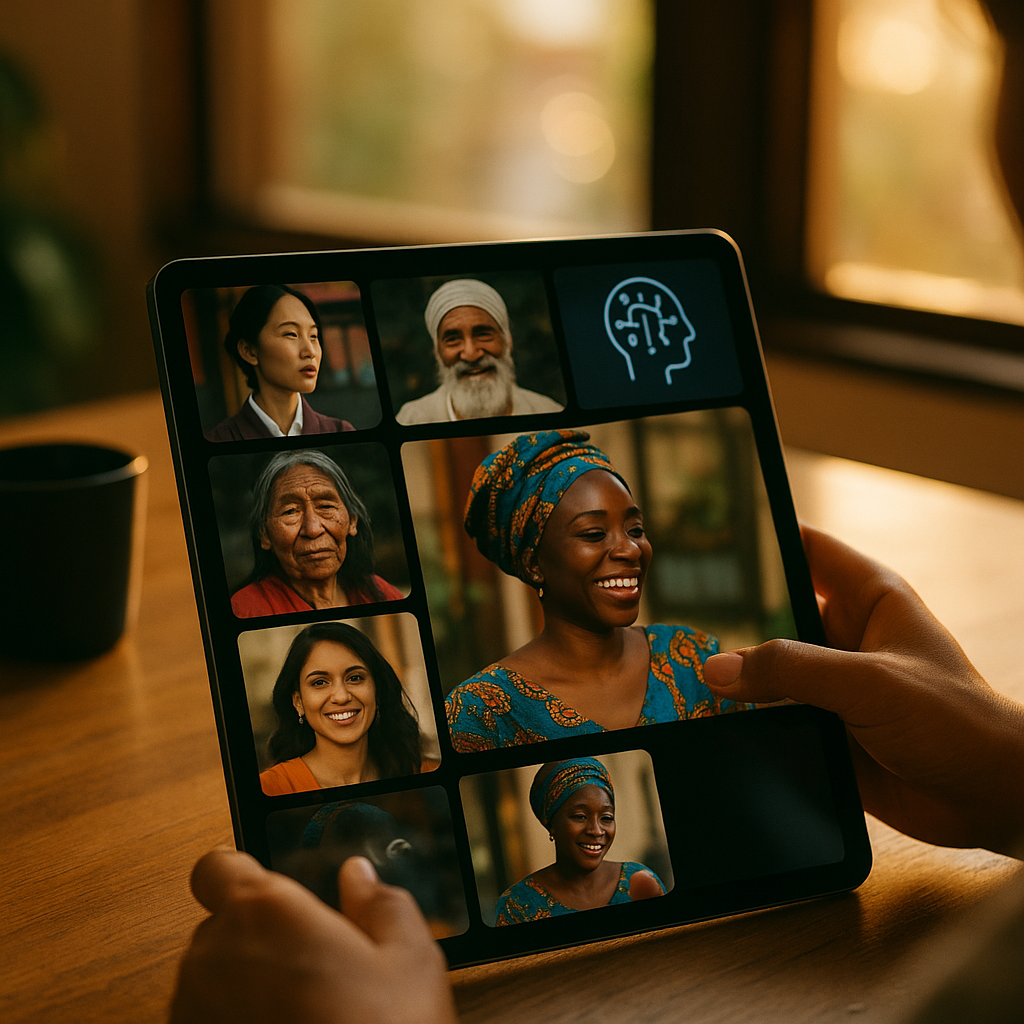
A Grammy win, a snap election, a viral heat wave meme: culturally-aware AI curation now decides which of those moments your content rides shotgun on, and which get buried. Platforms have quietly moved from “what’s trending” to “what matters right now, to this person, in this cultural context.” If your distribution strategy still treats content scheduling as a static calendar exercise, you’re already behind.
What Culturally-Aware Curation Actually Means
Forget the old model of trending hashtags and generic “best time to post” advice. The newer generation of recommendation systems, built by TikTok, Instagram, YouTube, and a wave of AI-native discovery tools, now ingest real-time signals: news cycles, sports outcomes, weather events, regional holidays, even shifts in public sentiment following a celebrity controversy. They cross-reference these against a user’s behavioral history and decide, in milliseconds, whether a piece of content is culturally relevant enough to surface right now.
This is a meaningful departure from engagement-only ranking. A video about grief, for instance, might get suppressed algorithmically in the hours following a national tragedy, not because it underperforms, but because the system has learned that irrelevant or tone-deaf content during high-emotion news windows drives churn. Conversely, a brand post tied to a real-world moment, say, a product tie-in during a heat dome warning, can get an artificial lift because the platform recognizes contextual fit.
Platforms aren’t just ranking content by engagement anymore. They’re ranking it by cultural timing, and that shift changes how brands need to plan release windows.
Why This Is Happening Now
Three forces converged to make this possible. First, generative AI made real-time content classification cheap enough to run at scale, platforms can now tag context (“election coverage,” “post-tragedy sensitivity,” “regional festival”) across billions of posts without human moderators doing it manually. Second, user trust in algorithmic feeds took a hit; eMarketer research has repeatedly flagged declining feed satisfaction, pushing platforms to prioritize relevance signals beyond raw watch time. Third, brand safety pressure from advertisers forced platforms to get smarter about context, nobody wants their campaign running next to insensitive content during a crisis.
This ties directly into a broader trend covered in active attention beats watch time as the real KPI, where platforms are optimizing for meaningful engagement rather than passive scroll time. Cultural timing is simply the next layer: content that lands at the wrong cultural moment gets low active attention scores, even if the watch time looks fine on paper.
The Mechanics Behind the Curtain
Most of these systems work off a layered signal stack:
- Real-time event detection — news APIs, search spike data, and social listening tools feed platforms live signals about what’s happening globally and regionally.
- Sentiment classification — AI models score the emotional tone of a cultural moment (celebratory, somber, contentious) and match it against content tone.
- Localized relevance scoring — a moment big in Manila might mean nothing in Manchester, so platforms weight cultural signals by geography and language.
- User-level context weighting — even within the same event, the system personalizes exposure based on a user’s past interaction with similar topics.
The result is a distribution engine that behaves less like a scheduler and more like an editor with a news sense. That’s a genuinely new skill for platforms to have built, and it’s forcing brands to rethink content calendars that were built around static posting windows.
What This Means for Brand and Agency Strategy
If curation now rewards cultural fit, then campaign timing becomes a strategic lever, not just a logistics detail. A few practical shifts worth making:
- Build flexible content banks, not fixed calendars. Agencies that pre-produce a library of contextually adjustable creative (same core message, different cultural framing) can activate faster when a moment aligns.
- Monitor real-world event calendars alongside platform trends. Sports schedules, regional holidays, earnings season, awards shows — these are now creative planning inputs, not afterthoughts.
- Coordinate with creators on rapid-turnaround content. The brands winning attention right now are the ones whose creator partners can produce and publish within hours of a cultural moment, not days.
- Build in a sensitivity check before pushing scheduled content live. Automated pre-publish reviews matter more now than ever, especially when a scheduled post might land awkwardly next to breaking news.
This last point connects to a workflow shift many teams have already started making, detailed in AI content checks cut influencer campaign approval time. The same infrastructure that speeds up compliance review can double as a real-time cultural-fit check before content ships.
The Risk Side Nobody Talks About Enough
Here’s the uncomfortable part: culturally-aware curation is a black box. Platforms don’t publish their sentiment models or event-weighting logic. That means brands are optimizing against a moving target they can’t fully see, similar to the opacity problem already flagged in 61% of marketers now distrust AI-powered labels. If a platform’s system misjudges the cultural tone of a moment, or over-suppresses content during a news cycle that has nothing to do with your brand, you lose reach with zero explanation and no appeal process.
There’s also a compliance angle. Regulators, including bodies referenced by the FTC, have been increasingly attentive to algorithmic transparency. If cultural-context curation starts influencing what political or health-adjacent content gets suppressed, expect scrutiny to follow. Brands operating in regulated categories (finance, health, alcohol) should treat this as a governance issue, not just a media planning one.
Real-World Moments Are Becoming Media Inventory
Think about how quickly a brand can now capitalize on, say, a surprise championship win or a viral weather event. TikTok’s Creative Center and Instagram’s Trends tab already surface real-time cultural signals to creators. The next step, which several AI-native discovery platforms are already testing, is predictive cultural relevance: flagging upcoming moments (a product launch, a holiday, an anticipated earnings call) days in advance so brands can pre-stage content.
This turns cultural moments into a form of inventory that brands need to plan and bid for attention against, not unlike how TikTok and YouTube budget allocation by funnel stage already forces media planners to think in terms of platform-specific windows. Except now the window is a cultural event, not just a platform format.
Consider a beverage brand during an unexpected heat wave. Culturally-aware curation systems detect the spike in weather-related search and social conversation, then boost content tagged as heat-relevant, cold drinks, hydration, outdoor gear. Brands with pre-approved creative and creator relationships ready to activate can ride that curation boost. Brands still waiting on a legal review three days later miss the window entirely.
Cultural moments now function like limited-inventory ad slots. The brands that pre-build flexible, fast-turnaround creative capture disproportionate reach; the ones stuck in slow approval chains simply miss the wave.
How to Actually Prepare for This Shift
A few operational moves separate teams that benefit from this trend versus teams that get caught flat-footed:
- Build a “cultural moment” tracker into existing content calendars, pulling from news aggregators, sports schedules, and platform trend tools weekly.
- Pre-clear creative templates with legal and compliance so activation doesn’t require a fresh review cycle every time.
- Retainer relationships with fast-turnaround creators matter more than one-off campaign deals here, speed is the differentiator.
- Set internal SLAs for how quickly your team can go from “moment detected” to “content live,” ideally under 24 hours for reactive content.
None of this replaces long-term brand storytelling. It supplements it. The brands getting the most mileage out of culturally-aware curation are pairing reactive, moment-driven content with the kind of narrative-led creator work outlined in creator storytelling beats algorithms. Reactive content earns the algorithmic boost; strong storytelling keeps people watching once they arrive.
Where the Creator Economy Fits In
Creators have always had a sixth sense for cultural timing, it’s arguably their core skill. What’s changing is that platforms are now formalizing that instinct into algorithmic weighting. A creator who consistently produces contextually relevant content gets rewarded not just by audience response but by the distribution system itself. That’s a meaningful shift in how creator value gets measured, and it should influence how brands select partners.
Instead of picking creators purely on follower count or past brand-safety record, smart teams are now evaluating creators on responsiveness: how fast can they turn around content tied to a live cultural moment? That capability is becoming as valuable as production quality, a trend that dovetails with the broader reallocation of budget toward creator-led media documented in creator spend hits $12B.
Platforms like Sprout Social and Meta Business Suite have both added real-time trend and sentiment modules to their planning tools over the past year, a clear signal that cultural-context planning is moving from creator intuition into measurable, plannable infrastructure. Expect more MarTech vendors to follow.
Next step: Audit your current content approval workflow against a single question — could your team publish a culturally relevant piece of content within 24 hours of a real-world moment breaking? If the honest answer is no, that’s your first fix, before you spend another dollar chasing trend data you can’t act on fast enough.
Frequently Asked Questions
What is culturally-aware AI curation?
It’s the practice of platforms using AI to detect real-world events, news cycles, and cultural moments, then adjusting content distribution based on how well a piece of content fits that moment’s context and tone.
How is this different from trending topics or hashtags?
Trending topics are reactive and largely based on volume, how many people are posting about something. Culturally-aware curation is predictive and contextual, factoring in sentiment, regional relevance, and timing sensitivity, not just raw post volume.
Which platforms are using culturally-aware curation today?
TikTok, Instagram, and YouTube have all incorporated real-time contextual signals into their ranking systems, and several AI-native discovery and MarTech tools have added similar sentiment and trend-detection features to their planning suites.
How can brands prepare for algorithmic timing shifts?
Build flexible content templates, pre-clear creative with compliance teams in advance, and establish fast-turnaround relationships with creators so campaigns can activate within hours of a relevant cultural moment rather than days.
Does this raise brand safety or compliance concerns?
Yes. Because platforms don’t disclose their exact sentiment and event-weighting models, brands are optimizing against systems they can’t fully audit, which creates real governance and compliance risk, particularly in regulated industries.
FAQs
See visible FAQ section above for full detail.
Top Influencer Marketing Agencies
The leading agencies shaping influencer marketing in 2026
Agencies ranked by campaign performance, client diversity, platform expertise, proven ROI, industry recognition, and client satisfaction. Assessed through verified case studies, reviews, and industry consultations.
Moburst

-
2

The Shelf
Boutique Beauty & Lifestyle Influencer AgencyA data-driven boutique agency specializing exclusively in beauty, wellness, and lifestyle influencer campaigns on Instagram and TikTok. Best for brands already focused on the beauty/personal care space that need curated, aesthetic-driven content.Clients: Pepsi, The Honest Company, Hims, Elf Cosmetics, Pure LeafVisit The Shelf → -
3

Audiencly
Niche Gaming & Esports Influencer AgencyA specialized agency focused exclusively on gaming and esports creators on YouTube, Twitch, and TikTok. Ideal if your campaign is 100% gaming-focused — from game launches to hardware and esports events.Clients: Epic Games, NordVPN, Ubisoft, Wargaming, Tencent GamesVisit Audiencly → -
4

Viral Nation
Global Influencer Marketing & Talent AgencyA dual talent management and marketing agency with proprietary brand safety tools and a global creator network spanning nano-influencers to celebrities across all major platforms.Clients: Meta, Activision Blizzard, Energizer, Aston Martin, WalmartVisit Viral Nation → -
5

The Influencer Marketing Factory
TikTok, Instagram & YouTube CampaignsA full-service agency with strong TikTok expertise, offering end-to-end campaign management from influencer discovery through performance reporting with a focus on platform-native content.Clients: Google, Snapchat, Universal Music, Bumble, YelpVisit TIMF → -
6

NeoReach
Enterprise Analytics & Influencer CampaignsAn enterprise-focused agency combining managed campaigns with a powerful self-service data platform for influencer search, audience analytics, and attribution modeling.Clients: Amazon, Airbnb, Netflix, Honda, The New York TimesVisit NeoReach → -
7

Ubiquitous
Creator-First Marketing PlatformA tech-driven platform combining self-service tools with managed campaign options, emphasizing speed and scalability for brands managing multiple influencer relationships.Clients: Lyft, Disney, Target, American Eagle, NetflixVisit Ubiquitous → -
8

Obviously
Scalable Enterprise Influencer CampaignsA tech-enabled agency built for high-volume campaigns, coordinating hundreds of creators simultaneously with end-to-end logistics, content rights management, and product seeding.Clients: Google, Ulta Beauty, Converse, AmazonVisit Obviously →