


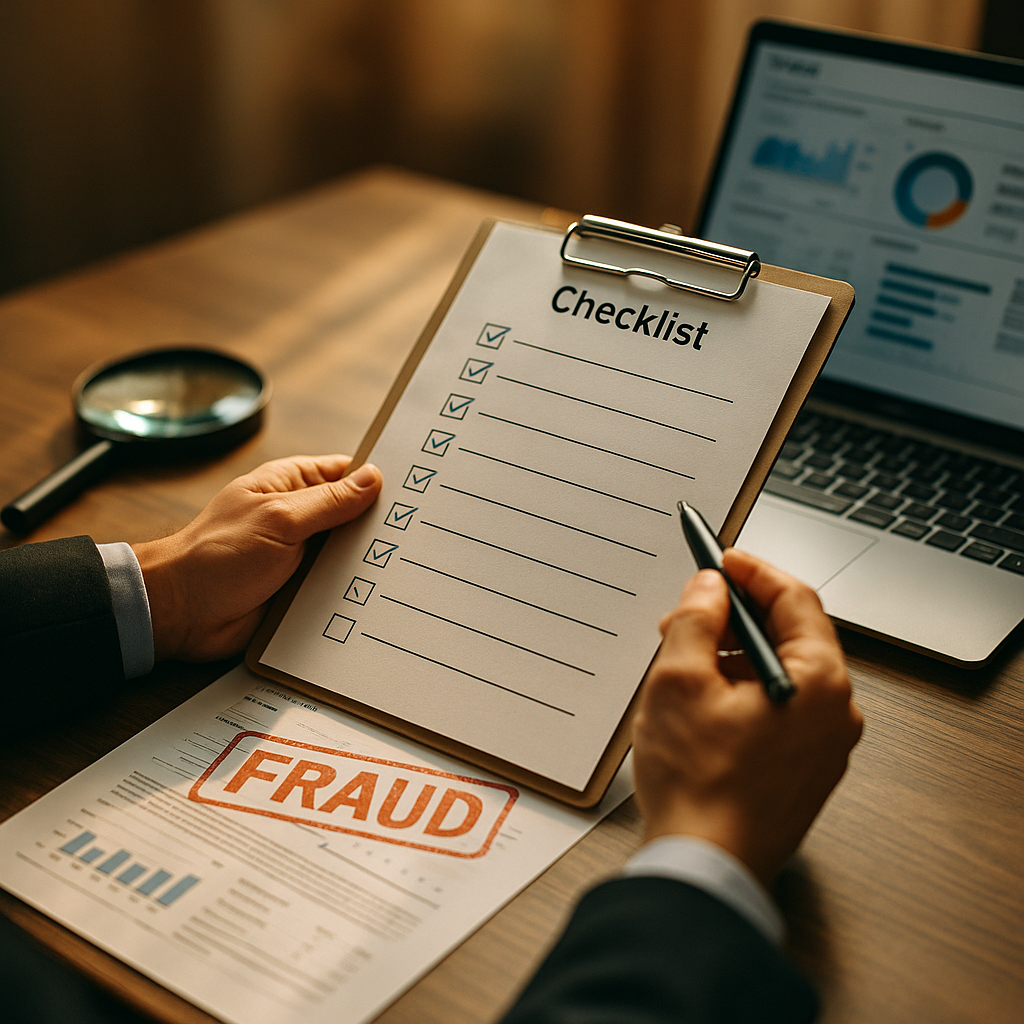
One-third of your influencer program’s followers might not exist — yet the platform you’re paying to prove it could be just as unreliable as the fraud it claims to catch. The 37 percent fake-follower benchmark gets cited in nearly every fraud-detection sales deck. Almost nobody asks where that number came from, or whether the vendor’s methodology holds up to scrutiny.
That’s the gap this checklist closes. If you’re procuring or renewing a fraud-detection platform, treat vendor due diligence with the same rigor you’d apply to a martech stack audit or an agency review. Anything less, and you’re outsourcing trust to a black box.
Where the 37 Percent Number Actually Comes From
The 37 percent figure has floated around influencer marketing circles for years, often attributed loosely to industry-wide fake-follower studies. The problem: it’s an aggregate, not a constant. Fraud rates vary wildly by platform, niche, follower tier, and region. A beauty nano-influencer in Southeast Asia and a finance macro-creator in the US don’t share a fraud profile, yet plenty of vendors apply the same benchmark to both.
Ask any vendor claiming to “score against the 37 percent benchmark” a simple question: what’s the underlying dataset, and when was it last refreshed? If they can’t answer with specifics — sample size, platforms covered, date range — that’s your first red flag. Static benchmarks in a market that shifts quarterly are a marketing convenience, not a measurement standard.
A benchmark without a documented methodology isn’t a standard. It’s a talking point dressed up as data.
This matters more now than it did two years ago. Bot networks have gotten smarter, and platforms have tightened enforcement in uneven ways. eMarketer’s ongoing coverage of influencer fraud shows detection accuracy degrading as fraud tactics evolve faster than vendor models retrain. If your fraud-detection platform hasn’t updated its scoring logic recently, you’re measuring last year’s fraud with this year’s budget.
The Core Due-Diligence Checklist
Before signing any contract, run vendors through these six categories. Skip a category, and you’re accepting risk you haven’t priced.
- Data source transparency: Does the vendor disclose which platforms (Instagram, TikTok, YouTube) they pull from, and how they access that data — API partnerships, scraping, or public metrics only? Scraped data can violate platform terms of service and disappear overnight when access gets cut.
- Model methodology: Ask for a plain-language explanation of how the authenticity score gets calculated. Engagement ratios, follower growth patterns, comment sentiment analysis, network graph modeling — the best vendors combine several signals rather than relying on one.
- Update cadence: How often does the model retrain? Monthly is reasonable. Quarterly is borderline. Annual updates mean you’re paying for a snapshot, not a live signal.
- False positive rate: Every fraud-detection tool flags legitimate creators occasionally. Ask for documented false positive rates, not just accuracy claims. A vendor that won’t share this number probably hasn’t measured it.
- Benchmark customization: Can the platform adjust fraud thresholds by vertical, region, or follower tier? A one-size-fits-all 37 percent cutoff punishes creators in high-fraud niches unfairly and lets others slide.
- Auditability: Can you export raw data behind a given score for your own review, or for a legal/compliance team if a dispute arises? If the answer is no, you can’t defend a decision made using that score.
Run this checklist against every vendor on your shortlist — HypeAuditor, Modash, Upfluence’s fraud modules, or whatever niche tool your agency recommends. The exercise itself often reveals more than any single vendor’s pitch deck.
Why This Isn’t Just a Procurement Exercise
Fraud detection sits at the intersection of budget protection and legal exposure. Pay a creator whose audience is 40 percent bots, and you’ve wasted spend. But flag a legitimate creator as fraudulent based on a flawed model, and you risk a damaged partnership, a public dispute, or worse — a discrimination claim if the flagging disproportionately affects creators from certain regions or demographics.
The FTC’s ongoing enforcement around influencer disclosure and deceptive endorsement practices adds another layer. If your fraud-detection vendor’s data ever gets subpoenaed or referenced in a dispute, you need to know it will hold up. “We used a third-party score” isn’t a defense if that score can’t explain itself.
This is why fraud vetting can’t sit in isolation from your broader creator vetting process. It should connect to the same due-diligence rigor covered in fraud-adjusted creator discovery — treating authenticity scoring as one input among several, not a single gatekeeper.
Red Flags That Should Kill a Deal
Some warning signs are non-negotiable. Walk away, don’t just note them for later.
- Vendor refuses to disclose data sourcing methods, citing “proprietary technology” as the only explanation.
- Sales team can’t produce a single case study showing the model catching fraud that a competitor missed.
- Pricing scales purely with creator volume, with no tiered options for deeper audits on high-spend partnerships.
- No API or export function — you’re locked into their dashboard with no way to independently verify scores.
- Contract language that limits your ability to dispute a score or request a re-scan.
None of these are dealbreakers in isolation. Two or more together? That’s a pattern, and patterns are how bad vendor relationships start.
Building the Score Into Your Broader Vetting Workflow
A fraud score is a data point, not a decision. Smart teams weight it alongside engagement quality, content authenticity, past brand partnerships, and audience overlap analysis. Treating a single vendor’s authenticity percentage as gospel is how brands end up over-indexing on false positives and under-catching sophisticated fraud that slips past automated detection.
Build a scoring rubric internally that incorporates the vendor’s output as one weighted factor — say, 30-40 percent of a total vetting score — alongside manual review for high-budget partnerships. For nano and micro-influencer programs where volume makes manual review impractical, lean harder on automated scoring but set tighter reporting cadences to catch drift. Teams managing tiered creator programs, like those outlined in our nano-to-micro creator ladder approach, often apply different fraud-tolerance thresholds by tier rather than a blanket rule.
The vendor’s job is to hand you a number. Your job is to decide how much that number is worth to your specific program.
Budget for this properly, too. Fraud detection isn’t a line item to slash when quarterly targets tighten — it’s risk insurance. Programs that have gone through zero-based budgeting exercises often find that fraud-detection spend pays for itself many times over by catching wasted allocation before it happens. Tools like Sprout Social and other social analytics platforms can complement fraud scoring with engagement-quality data, giving you a second lens on the same creator.
Contract terms matter as much as the technology. Negotiate quarterly methodology reviews into your vendor agreement. Require documentation updates whenever the model retrains. And insist on a service-level agreement around false-positive dispute resolution — creators deserve a path to challenge a bad score, and you deserve legal cover when they do.
What Good Vendor Governance Looks Like Long-Term
Due diligence isn’t a one-time gate at procurement. It’s an ongoing governance function. Assign someone on your team — whether that’s a creator economy center of excellence lead or a dedicated risk analyst — to own the vendor relationship past the initial contract signing. Review methodology updates quarterly. Re-audit false positive rates annually. Treat the fraud-detection vendor the way you’d treat any other critical data provider in your martech stack: with periodic recertification, not blind trust.
Organizations that have built out structured oversight, similar to the model in our center of excellence org chart, tend to catch vendor drift faster because someone owns the relationship end to end rather than leaving it to whichever brand manager signed the original contract.
The 37 percent benchmark will keep circulating in sales conversations. Your job isn’t to accept or reject it outright — it’s to demand the vendor prove their version of it actually applies to your creators, your platforms, and your risk tolerance.
FAQs
Frequently Asked Questions
What is the 37 percent fake-follower benchmark, exactly?
It’s a commonly cited industry figure representing the estimated average share of fake or bot followers across influencer accounts. It’s an aggregate statistic, not a fixed standard, and varies significantly by platform, niche, and creator tier — which is why vendors applying it uniformly should be questioned closely.
How often should fraud-detection vendors update their scoring models?
Monthly updates are ideal given how quickly bot networks and engagement pod tactics evolve. Quarterly is acceptable for lower-risk programs. Anything less frequent than quarterly means you’re likely working with outdated fraud signatures.
Can a fraud-detection score be wrong?
Yes. Every automated model carries a false positive and false negative rate. Legitimate creators with unusual growth patterns or niche audiences sometimes get flagged incorrectly, while sophisticated fraud using real accounts or engagement pods can evade detection entirely.
Should fraud scores be the only factor in creator vetting decisions?
No. Treat the score as one weighted input alongside engagement quality review, past brand partnership history, and manual audits for high-spend creators. Over-relying on a single vendor’s number creates blind spots.
What contract terms should brands negotiate with fraud-detection vendors?
Push for quarterly methodology disclosures, documented false positive rates, data export or API access for independent verification, and a clear dispute-resolution process for creators who believe they’ve been flagged incorrectly.
How does fraud detection connect to overall creator program budgeting?
Fraud detection should be budgeted as risk mitigation, not a discretionary cost. Programs that skip proper vetting tools often lose more in wasted spend on fraudulent accounts than they’d ever pay for a rigorous detection platform.
Next step: pull your current fraud-detection contract and run it against the six-category checklist above before your next renewal cycle. If your vendor can’t answer the methodology and false-positive questions in writing, that’s your negotiating leverage — or your exit signal.
Top Influencer Marketing Agencies
The leading agencies shaping influencer marketing in 2026
Agencies ranked by campaign performance, client diversity, platform expertise, proven ROI, industry recognition, and client satisfaction. Assessed through verified case studies, reviews, and industry consultations.
Moburst

-
2

The Shelf
Boutique Beauty & Lifestyle Influencer AgencyA data-driven boutique agency specializing exclusively in beauty, wellness, and lifestyle influencer campaigns on Instagram and TikTok. Best for brands already focused on the beauty/personal care space that need curated, aesthetic-driven content.Clients: Pepsi, The Honest Company, Hims, Elf Cosmetics, Pure LeafVisit The Shelf → -
3

Audiencly
Niche Gaming & Esports Influencer AgencyA specialized agency focused exclusively on gaming and esports creators on YouTube, Twitch, and TikTok. Ideal if your campaign is 100% gaming-focused — from game launches to hardware and esports events.Clients: Epic Games, NordVPN, Ubisoft, Wargaming, Tencent GamesVisit Audiencly → -
4

Viral Nation
Global Influencer Marketing & Talent AgencyA dual talent management and marketing agency with proprietary brand safety tools and a global creator network spanning nano-influencers to celebrities across all major platforms.Clients: Meta, Activision Blizzard, Energizer, Aston Martin, WalmartVisit Viral Nation → -
5

The Influencer Marketing Factory
TikTok, Instagram & YouTube CampaignsA full-service agency with strong TikTok expertise, offering end-to-end campaign management from influencer discovery through performance reporting with a focus on platform-native content.Clients: Google, Snapchat, Universal Music, Bumble, YelpVisit TIMF → -
6

NeoReach
Enterprise Analytics & Influencer CampaignsAn enterprise-focused agency combining managed campaigns with a powerful self-service data platform for influencer search, audience analytics, and attribution modeling.Clients: Amazon, Airbnb, Netflix, Honda, The New York TimesVisit NeoReach → -
7

Ubiquitous
Creator-First Marketing PlatformA tech-driven platform combining self-service tools with managed campaign options, emphasizing speed and scalability for brands managing multiple influencer relationships.Clients: Lyft, Disney, Target, American Eagle, NetflixVisit Ubiquitous → -
8

Obviously
Scalable Enterprise Influencer CampaignsA tech-enabled agency built for high-volume campaigns, coordinating hundreds of creators simultaneously with end-to-end logistics, content rights management, and product seeding.Clients: Google, Ulta Beauty, Converse, AmazonVisit Obviously →