


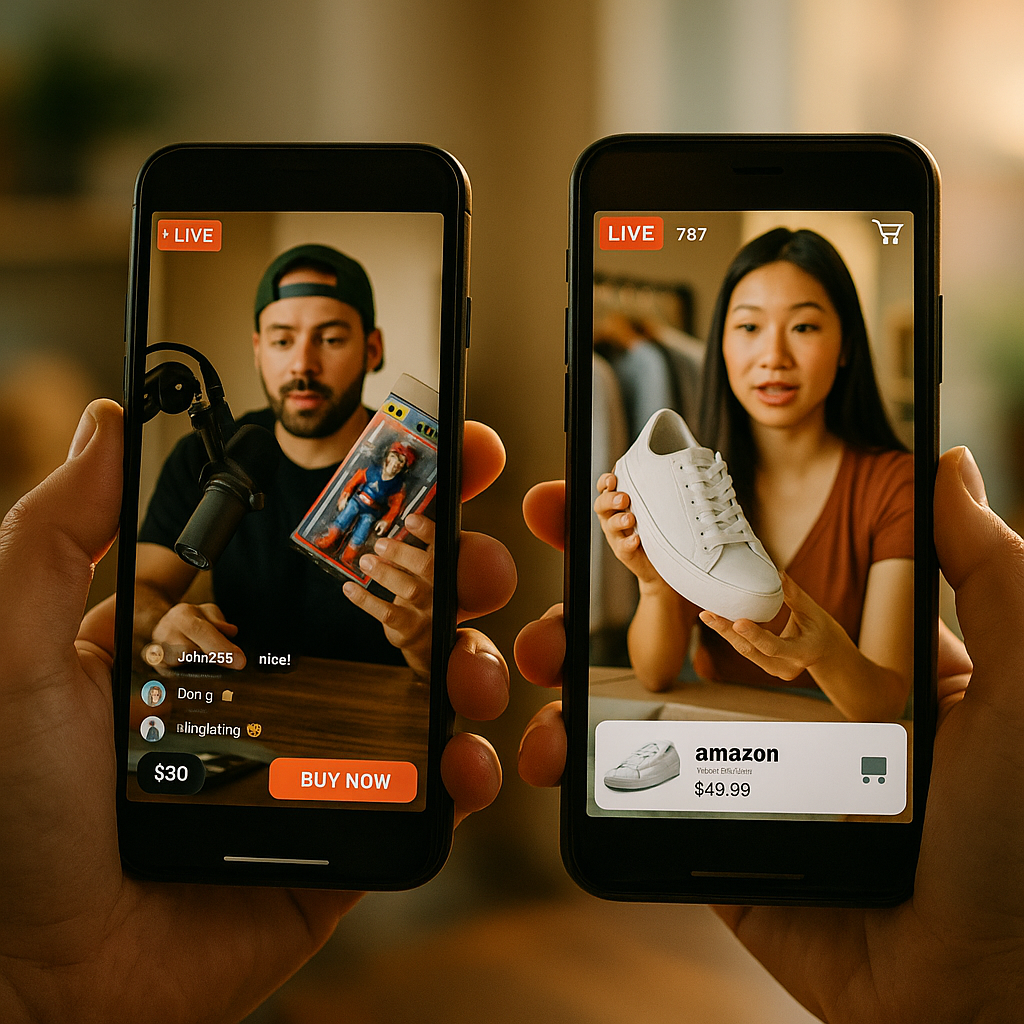
Livestream commerce sellers lose roughly a third of buyer identity signal the moment a viewer bounces from TikTok Shop to Whatnot to a brand’s own checkout. That gap is where CAC math quietly breaks. AI identity resolution is now the deciding factor for whether livestream commerce actually pencils out, and the vendor you pick determines whether your LTV models are fiction or fact.
Marketing leaders running seven-figure livestream budgets keep asking the same question in different words: which identity stack actually reconciles a viewer, a bidder, a buyer, and a repeat customer into one profile without three weeks of manual joins? The honest answer is: it depends on the platform, and most vendors are only solving a third of the problem.
Why Livestream Commerce Breaks Traditional Identity Stacks
Livestream shopping doesn’t behave like normal ecommerce. A single session might include a guest checkout, an in-app wallet purchase, a comment-triggered add-to-cart, and a follow-up DM sale that closes three days later. Each of those events can generate a different identifier. Traditional CDPs built for web and email were never designed to stitch that together in real time.
Add to that the platform silos. Whatnot, Amazon Live, TikTok Shop, and now emerging players like YouTube Shopping and Instagram Live Shopping each hold their own slice of buyer identity, and none of them are eager to hand over raw PII. Brands are left resolving identity across walled gardens using probabilistic matching, hashed emails, and whatever attribution crumbs the platform API allows.
This is the same structural problem covered in why attribution still fails marketers, just compressed into a 45-minute live shopping window instead of a 30-day funnel.
In livestream commerce, the average brand loses identity signal on 30-40% of cross-platform buyer journeys, according to composite estimates from retail media analysts tracking creator-led commerce — meaning your CAC calculations are likely working off partial data even when the dashboard looks clean.
Whatnot: Strong First-Party Data, Weak Cross-Platform Bridging
Whatnot has quietly become the reference point for identity resolution done right within a single platform. Because it owns the entire transaction loop — auction, chat, checkout, shipping — it can build deterministic identity graphs without stitching third-party cookies or relying on device graphs. Sellers get clean repeat-buyer data, category-level LTV curves, and reasonably accurate CAC by traffic source.
The catch: that identity graph mostly stays inside Whatnot’s walls. If a seller also runs TikTok Live Shopping or Amazon Live for the same SKU, Whatnot’s data won’t natively reconcile with those buyer pools. Brands end up exporting CSVs and building a shadow identity layer in a warehouse, which defeats a lot of the “real-time” promise vendors sell.
For brands running Whatnot as a primary channel, this is fine. For brands running Whatnot alongside three other livestream channels — which is now the norm for mid-market DTC — it’s a scoring gap that inflates blended CAC because purchases get double-counted as “new” across platforms.
Amazon Live: Deterministic IDs, But You Don’t Own Them
Amazon Live sits on the opposite end of the trade-off. Buyer identity resolution inside Amazon’s ecosystem is arguably the most deterministic in commerce — every buyer has an Amazon account, a purchase history, and a stable customer ID. That’s a gift for LTV modeling, in theory.
In practice, brands don’t get direct access to that identity graph. Amazon retains it, surfaces aggregated performance metrics, and increasingly pushes brands toward its own attribution and audience tooling rather than letting third-party identity resolution vendors plug in. Coverage of the Amazon Universal Commerce Protocol shows where this is heading: Amazon wants to be the identity layer, not just a data source for someone else’s.
That means CAC and LTV scoring for Amazon Live campaigns often has to be modeled, not measured directly — brands infer repeat purchase behavior from aggregate reporting rather than resolving individual buyer journeys the way they can with Whatnot or a self-hosted checkout.
Where Third-Party Vendors Actually Add Value
This is the layer most CMOs actually need to evaluate, because platform-native identity only solves the in-platform half of the problem. The vendors worth shortlisting fall into three camps:
- Warehouse-native resolution: Tools that resolve identity inside Snowflake or Databricks rather than a separate CDP, avoiding duplicate data movement and giving marketing ops direct SQL access to unified profiles. This approach is covered well in identity resolution vendor selection going warehouse-native and in the follow-up on how native identity resolution is reshaping vendor selection.
- Real-time segmentation engines: Platforms like Databricks CustomerLake now push toward near-live identity stitching, which matters enormously for livestream since a viewer-to-buyer conversion often happens in under ten minutes. The one-year review of CustomerLake’s real-time segmentation is a useful benchmark for latency expectations.
- Graph-based probabilistic matchers: Zeotap and similar vendors specialize in bridging hashed identifiers across retail media and social commerce APIs, which is exactly the gap Whatnot and Amazon Live leave open. See how this plays out practically in the comparison of Zeotap vs Databricks CustomerLake vs Snowflake native apps and the earlier debate over Zeotap’s Snowflake app strategy.
None of these vendors can force Amazon to hand over raw buyer IDs. But they can dramatically improve how brands reconcile Whatnot, TikTok Shop, and DTC checkout data into a single LTV model, which is usually where the real CAC distortion lives.
CAC Scoring Gets Distorted Before LTV Even Enters the Picture
Here’s the uncomfortable part. Most brands calculate CAC per platform, then compare those numbers side by side as if they’re apples to apples. They’re not.
Whatnot’s checkout-attached identity data tends to undercount CAC because repeat buyers are easy to spot and exclude from “new customer” cost calculations. Amazon Live, lacking granular identity access, tends to overcount CAC because brands can’t cleanly separate new-to-brand buyers from existing Amazon Prime shoppers who’d have bought anyway. TikTok Shop sits somewhere in between, and its own feed-level complexity has been documented in testing of TikTok Shop feed AI agents.
If your blended CAC report treats Whatnot, Amazon Live, and TikTok Shop numbers as directly comparable without adjusting for identity resolution quality, you’re not comparing channel performance — you’re comparing measurement gaps.
Fixing this requires a normalization layer, which is essentially what modern AI attribution dashboards are trying to build: a shared scoring framework that accounts for each platform’s identity confidence level rather than treating all conversions as equally trustworthy.
LTV Modeling Needs Longer Signal Windows Than Livestream Platforms Provide
LTV is where identity resolution really earns its budget line. A single livestream sale tells you almost nothing about a buyer’s future value. You need repeat purchase signal, category affinity, and churn indicators stretched over months, not the 45-minute stream window.
Most livestream platforms cap their native reporting windows well short of what’s needed for real cohort-based LTV. Whatnot gives sellers decent repeat-buyer visibility because transactions stay on-platform. Amazon Live buyers disappear into Amazon’s broader purchase graph, making brand-specific LTV attribution murky at best.
This is why more sophisticated teams blend platform data with a marketing mix model rather than relying purely on multi-touch attribution from the livestream vendor. The approach detailed in blending MTA and MMM for creators applies directly here: use platform-level identity resolution for short-term CAC signal, and a statistical model for longer LTV curves where deterministic data runs out.
A Practical Vendor Evaluation Checklist
Before signing anything, run vendor claims through a short gut-check list:
- Does the vendor resolve identity deterministically within the livestream platform, probabilistically across platforms, or both?
- What’s the latency between a livestream purchase event and it appearing as a resolved profile update?
- Can the vendor separate new-to-brand buyers from platform-loyal repeat shoppers (a huge factor for Amazon Live specifically)?
- Does the identity layer live in your warehouse, or does it require exporting data into a proprietary system you don’t control?
- How does the vendor handle consent and disclosure requirements for livestream sales, particularly given evolving livestream compliance expectations?
That last point matters more than most CMOs assume. The FTC has made clear that livestream commerce disclosures and consumer data handling face the same scrutiny as any other advertising channel — identity resolution vendors that ignore consent architecture are a compliance liability wearing a data science costume.
It’s also worth stress-testing vendor claims the way you’d vet any agentic AI tool. The framework in vetting agentic AI media buying vendor claims translates well: ask for raw match-rate data, not marketing slide match-rate ranges. If a vendor won’t show you a sample resolution against known-bad IDs, that’s a signal.
Where This Is Headed
Expect platform-native identity to get tighter, not looser. Amazon’s push toward its own commerce protocol suggests less third-party access over time, not more. Meanwhile Whatnot and TikTok Shop are both investing in creator-side analytics that make it easier to see LTV without ever leaving their dashboards — good for sellers who live on one platform, less useful for brands running a diversified livestream mix.
The vendors gaining ground are the ones plugging directly into the warehouse layer, resolving identity where the data already lives instead of asking brands to pipe everything into yet another silo. That’s consistent with the broader trend in identity resolution meeting real-time data across martech generally, and livestream commerce is simply the fastest-moving proving ground for it.
According to eMarketer, livestream shopping continues to post double-digit growth in the US even as broader ecommerce growth flattens, which means the identity resolution stakes here will only get bigger. Brands that get CAC and LTV scoring right on livestream now will have a structural cost advantage over competitors still eyeballing platform dashboards next year.
The Takeaway
Don’t pick a livestream identity vendor based on which platform they integrate with best — pick based on whether they can normalize CAC and LTV confidence levels across Whatnot, Amazon Live, and whatever platform launches next quarter. Run a 90-day pilot comparing resolved match rates against your own known-customer list before committing budget.
Frequently Asked Questions
What is AI identity resolution in the context of livestream commerce?
It’s the process of matching viewer, bidder, and buyer signals from livestream shopping platforms into a single customer profile, so brands can calculate accurate customer acquisition cost and lifetime value instead of relying on fragmented, platform-siloed data.
Why does Whatnot’s identity data differ from Amazon Live’s?
Whatnot owns the full transaction loop, so it can build deterministic identity graphs from checkout to repeat purchase. Amazon Live sits inside Amazon’s much larger customer graph, so brands see aggregated reporting rather than direct access to individual buyer identity resolution.
Can third-party identity resolution vendors bridge Whatnot and Amazon Live data?
Partially. Vendors can reconcile hashed or probabilistic identifiers across platforms in a shared warehouse, but they can’t force platforms to release raw deterministic buyer IDs, so some gap between platforms will always remain.
How should brands adjust CAC calculations across livestream platforms?
Normalize for identity confidence before comparing platforms. A low-CAC number from a platform with weak identity resolution may simply reflect undercounted repeat buyers, not genuinely cheaper acquisition.
What should marketers look for when evaluating an identity resolution vendor for livestream commerce?
Prioritize warehouse-native architecture, transparent match-rate data, low-latency profile updates, the ability to separate new versus repeat buyers, and clear handling of consent and disclosure requirements.
Frequently Asked Questions (visible)
FAQs
What is AI identity resolution in the context of livestream commerce?
It’s the process of matching viewer, bidder, and buyer signals from livestream shopping platforms into a single customer profile, so brands can calculate accurate customer acquisition cost and lifetime value instead of relying on fragmented, platform-siloed data.
Why does Whatnot’s identity data differ from Amazon Live’s?
Whatnot owns the full transaction loop, so it can build deterministic identity graphs from checkout to repeat purchase. Amazon Live sits inside Amazon’s much larger customer graph, so brands see aggregated reporting rather than direct access to individual buyer identity resolution.
Can third-party identity resolution vendors bridge Whatnot and Amazon Live data?
Partially. Vendors can reconcile hashed or probabilistic identifiers across platforms in a shared warehouse, but they can’t force platforms to release raw deterministic buyer IDs, so some gap between platforms will always remain.
How should brands adjust CAC calculations across livestream platforms?
Normalize for identity confidence before comparing platforms. A low-CAC number from a platform with weak identity resolution may simply reflect undercounted repeat buyers, not genuinely cheaper acquisition.
What should marketers look for when evaluating an identity resolution vendor for livestream commerce?
Prioritize warehouse-native architecture, transparent match-rate data, low-latency profile updates, the ability to separate new versus repeat buyers, and clear handling of consent and disclosure requirements.
Top Influencer Marketing Agencies
The leading agencies shaping influencer marketing in 2026
Agencies ranked by campaign performance, client diversity, platform expertise, proven ROI, industry recognition, and client satisfaction. Assessed through verified case studies, reviews, and industry consultations.
Moburst

-
2

The Shelf
Boutique Beauty & Lifestyle Influencer AgencyA data-driven boutique agency specializing exclusively in beauty, wellness, and lifestyle influencer campaigns on Instagram and TikTok. Best for brands already focused on the beauty/personal care space that need curated, aesthetic-driven content.Clients: Pepsi, The Honest Company, Hims, Elf Cosmetics, Pure LeafVisit The Shelf → -
3

Audiencly
Niche Gaming & Esports Influencer AgencyA specialized agency focused exclusively on gaming and esports creators on YouTube, Twitch, and TikTok. Ideal if your campaign is 100% gaming-focused — from game launches to hardware and esports events.Clients: Epic Games, NordVPN, Ubisoft, Wargaming, Tencent GamesVisit Audiencly → -
4

Viral Nation
Global Influencer Marketing & Talent AgencyA dual talent management and marketing agency with proprietary brand safety tools and a global creator network spanning nano-influencers to celebrities across all major platforms.Clients: Meta, Activision Blizzard, Energizer, Aston Martin, WalmartVisit Viral Nation → -
5

The Influencer Marketing Factory
TikTok, Instagram & YouTube CampaignsA full-service agency with strong TikTok expertise, offering end-to-end campaign management from influencer discovery through performance reporting with a focus on platform-native content.Clients: Google, Snapchat, Universal Music, Bumble, YelpVisit TIMF → -
6

NeoReach
Enterprise Analytics & Influencer CampaignsAn enterprise-focused agency combining managed campaigns with a powerful self-service data platform for influencer search, audience analytics, and attribution modeling.Clients: Amazon, Airbnb, Netflix, Honda, The New York TimesVisit NeoReach → -
7

Ubiquitous
Creator-First Marketing PlatformA tech-driven platform combining self-service tools with managed campaign options, emphasizing speed and scalability for brands managing multiple influencer relationships.Clients: Lyft, Disney, Target, American Eagle, NetflixVisit Ubiquitous → -
8

Obviously
Scalable Enterprise Influencer CampaignsA tech-enabled agency built for high-volume campaigns, coordinating hundreds of creators simultaneously with end-to-end logistics, content rights management, and product seeding.Clients: Google, Ulta Beauty, Converse, AmazonVisit Obviously →