


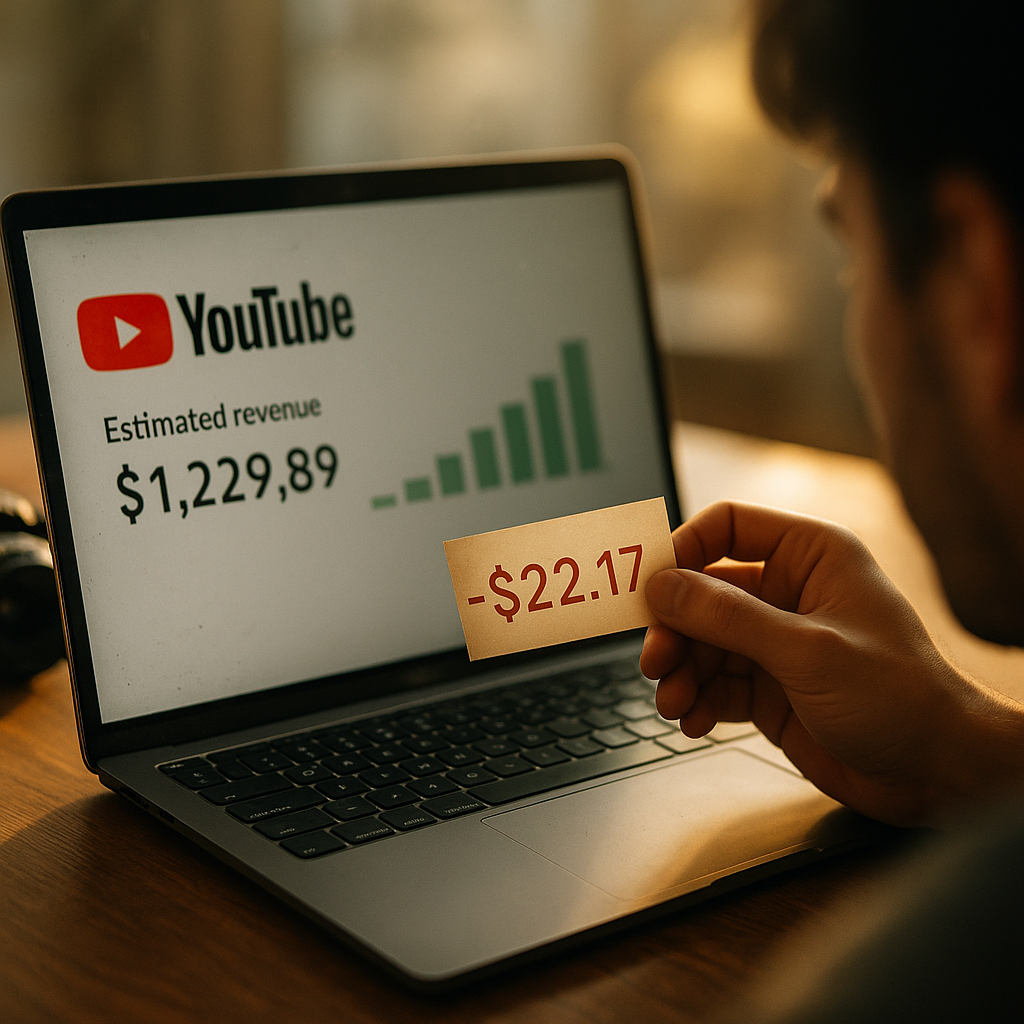
YouTube just made it dramatically easier for tiny channels to start earning money — and that single policy shift is about to scramble your entire nano-creator pricing model. With eligibility requirements lowered and thousands of new creators flooding into the Partner Program monthly, the supply-and-demand math brands have relied on for two years no longer holds. If your influencer team is still using last year’s rate card, you’re either overpaying or missing the best inventory in the market.
This isn’t a minor housekeeping update. It’s a structural change to who counts as a “professional” creator on YouTube, and it has direct consequences for how brands source, price, and contract nano-tier talent.
What Actually Changed
YouTube lowered the bar for monetization eligibility, cutting subscriber and watch-hour requirements and expanding qualifying content formats to include Shorts performance metrics more heavily. The practical effect: creators who previously sat in a monetization limbo — too small for AdSense, too big to ignore — are now getting paid directly by YouTube for the first time.
That matters for brands because it changes creator behavior. A nano-creator earning ad revenue for the first time has less incentive to chase every brand deal that lands in their inbox. They’re pickier. They know their content has platform-verified value now, not just vanity metrics.
When a platform starts paying creators directly, brands lose leverage in the negotiation — because the creator no longer needs your check to justify the time spent filming.
We covered the mechanics of this shift in depth in our earlier breakdown of nano-creator deal rebuilds, but the pricing implications deserve their own playbook, especially as more brands enter Q1 planning cycles.
Why Nano-Creator Economics Just Got Complicated
Nano-creators (typically 1,000 to 25,000 subscribers) have always been the budget-friendly workhorses of influencer programs. Cheap, authentic, high engagement rate relative to reach. Agencies loved them because you could run a 40-creator seeding campaign for less than the cost of a single mid-tier integration.
That math assumed nano-creators were monetization-starved and therefore motivated almost entirely by brand payments. Lower the threshold, and you remove that assumption. Suddenly a chunk of your nano roster has a second revenue stream they didn’t have six months ago.
Three things follow from this:
- Response rates drop. Creators who don’t need the money reply slower, negotiate harder, or ignore outreach entirely.
- Rate expectations rise. Even a small amount of AdSense income changes a creator’s sense of their own value.
- Content quality bifurcates. Newly monetized creators start optimizing for watch time and Shorts performance to protect their ad revenue, sometimes at the expense of brand messaging.
None of this means nano-creators stop being worth the investment. It means the old flat-rate, high-volume sourcing model needs an upgrade.
The New Segmentation: Three Nano-Creator Tiers
Stop treating your nano-creator list as one homogenous bucket. In 2026, there are effectively three distinct sub-tiers, and each needs a different deal structure.
Tier 1: Newly monetized creators. These are channels that just crossed the new, lower threshold. They’re motivated, still hungry for validation, and often willing to negotiate on rate in exchange for usage rights or long-term partnership status. This is your best-value inventory right now, but it’s also temporary — expect rates to climb within two to three quarters as these creators build confidence.
Tier 2: Pre-monetization creators. Channels still below the new bar. Smaller audience, but often more responsive and cheaper. The risk here is volatility; if the channel doesn’t grow, engagement can stagnate. Good for volume seeding, less reliable for sustained ambassador programs.
Tier 3: Recently graduated micro-creators. Channels that were nano six months ago and have now scaled past 25K subs, partly fueled by the monetization changes incentivizing more consistent posting. These creators know their worth and price accordingly. Don’t expect nano-tier rates here anymore.
Segmenting this way isn’t busywork. It directly informs how you write briefs, structure payment terms, and forecast campaign costs across a quarter.
Restructuring the Deal: What Brands Should Actually Change
Here’s where the playbook gets tactical. If your team is still issuing the same nano-creator contract template you used last year, it’s time to revise it.
Move from flat fees to hybrid structures. Newly monetized creators respond well to a base fee plus performance bonus tied to view thresholds or, better, to usage rights pricing rather than subscriber count. Subscriber count is an increasingly unreliable proxy for value when the monetization bar itself has moved.
Shorten contract terms. Because Tier 1 creators are likely to reprice within a couple of quarters, lock in shorter terms (60-90 days) with renewal options rather than annual retainers at fixed rates. You want the flexibility to renegotiate before a creator’s rate triples.
Build in content-format flexibility. Many newly monetized creators are leaning into Shorts to hit watch-time thresholds that protect their ad revenue. If your brief demands a long-form dedicated video, you may be fighting the creator’s own monetization incentives. Understand how dedicated videos versus integrations map to funnel stage before locking format into the contract.
Verify monetization status before negotiating. Ask creators directly whether they’re monetized under the new thresholds. It’s a simple question that instantly tells you which tier you’re negotiating with and what leverage you actually have.
The brands winning nano-creator deals right now aren’t the ones paying the most — they’re the ones asking the right diagnostic questions before they ever send a rate offer.
Measurement Still Matters — Maybe More Now
Pricing changes are only half the story. YouTube’s broader metrics shifts — including changes to how views are counted and reported — compound the complexity of valuing nano-creator inventory. If you haven’t updated your reporting framework recently, do it now. Our coverage of rebuilding CPV after view count changes and rebuilding KPIs lays out the mechanics, but the short version: a view isn’t worth what it used to be, and neither is a subscriber count.
Combine that with monetization threshold changes, and you get a market where two nano-creators with identical subscriber counts can have wildly different real value. One might be freshly monetized and hungry; the other might be sitting on stagnant, unmonetized growth. Your sourcing team needs to know the difference before quoting a rate.
Third-party data helps here. eMarketer’s creator economy forecasts and Statista’s influencer marketing spend data both point to continued growth in nano and micro budgets even as CPMs fluctuate, which suggests the category isn’t shrinking — it’s just repricing. Brands that treat this as a temporary annoyance rather than a structural shift will overpay for stale inventory while competitors lock in better talent.
Compliance and Disclosure Still Apply — Don’t Skip This
Monetization status doesn’t change disclosure obligations. Whether a creator earns YouTube ad revenue or not, any paid partnership still needs clear disclosure under FTC guidelines, and YouTube’s own paid partnership labeling tools should be used consistently, per Google’s support documentation. Newly monetized nano-creators are often less experienced with disclosure requirements than established influencers, so brand and agency teams should build a quick compliance check into onboarding rather than assuming creators know the rules.
This is also a good moment to audit contracts for FTC-compliant language, especially if you’re running a high-volume nano-creator seeding program where dozens of agreements get signed per month. One overlooked disclosure clause across 40 creators is a bigger risk than one bad clause in a single mid-tier deal.
What This Means for Budget Planning
Practically, here’s how to adjust quarterly planning:
- Set aside a separate line-item budget for Tier 1 (newly monetized) creators, since they’re currently underpriced relative to their engagement quality.
- Reduce reliance on annual nano-creator retainers; shift toward rolling 90-day agreements.
- Increase reporting cadence — monthly rather than quarterly — to catch rate shifts before renewal.
- Cross-reference nano-creator campaigns with broader platform shifts, including TikTok rate benchmarks, to keep cross-platform budget allocation honest.
Agencies managing multi-platform creator rosters should also watch how Sprout Social’s engagement benchmarking data trends alongside these YouTube changes — cross-platform comparison keeps nano-tier pricing decisions grounded in real engagement data rather than platform-specific noise.
The Bottom Line
YouTube’s monetization threshold changes aren’t just a creator-side policy update. They’re a repricing event for the entire nano-creator category. Brands that update segmentation, shorten contract terms, and tie payment to usage rights rather than subscriber counts will secure better talent at fair rates. Everyone else will be negotiating against a market that already moved.
Frequently Asked Questions
What are YouTube’s new monetization thresholds for smaller creators?
YouTube lowered subscriber and watch-hour requirements for Partner Program eligibility and weighted Shorts performance more heavily, allowing significantly smaller channels to qualify for ad revenue than under the previous rules.
How does YouTube’s monetization threshold change affect nano-creator rates?
Creators who newly qualify for monetization often gain a secondary income stream, which reduces their dependence on brand deals and pushes rate expectations upward over time, particularly as they build confidence in their earning potential.
Should brands still use flat-fee contracts with nano-creators?
Flat fees are becoming less reliable as a pricing model. Hybrid structures combining a base fee with performance bonuses or usage-rights pricing better reflect the value of newly monetized creators.
How can brands tell which nano-creator tier they’re negotiating with?
Ask directly whether the creator is currently monetized under the new thresholds. This single question reveals whether you’re dealing with a newly monetized, pre-monetization, or recently graduated micro-creator, each with different pricing leverage.
Do disclosure requirements change for newly monetized creators?
No. FTC disclosure rules and YouTube’s paid partnership labeling apply regardless of a creator’s monetization status. Brands should build a disclosure compliance check into nano-creator onboarding, since newly monetized creators may be less familiar with the requirements.
Top Influencer Marketing Agencies
The leading agencies shaping influencer marketing in 2026
Agencies ranked by campaign performance, client diversity, platform expertise, proven ROI, industry recognition, and client satisfaction. Assessed through verified case studies, reviews, and industry consultations.
Moburst

-
2

The Shelf
Boutique Beauty & Lifestyle Influencer AgencyA data-driven boutique agency specializing exclusively in beauty, wellness, and lifestyle influencer campaigns on Instagram and TikTok. Best for brands already focused on the beauty/personal care space that need curated, aesthetic-driven content.Clients: Pepsi, The Honest Company, Hims, Elf Cosmetics, Pure LeafVisit The Shelf → -
3

Audiencly
Niche Gaming & Esports Influencer AgencyA specialized agency focused exclusively on gaming and esports creators on YouTube, Twitch, and TikTok. Ideal if your campaign is 100% gaming-focused — from game launches to hardware and esports events.Clients: Epic Games, NordVPN, Ubisoft, Wargaming, Tencent GamesVisit Audiencly → -
4

Viral Nation
Global Influencer Marketing & Talent AgencyA dual talent management and marketing agency with proprietary brand safety tools and a global creator network spanning nano-influencers to celebrities across all major platforms.Clients: Meta, Activision Blizzard, Energizer, Aston Martin, WalmartVisit Viral Nation → -
5

The Influencer Marketing Factory
TikTok, Instagram & YouTube CampaignsA full-service agency with strong TikTok expertise, offering end-to-end campaign management from influencer discovery through performance reporting with a focus on platform-native content.Clients: Google, Snapchat, Universal Music, Bumble, YelpVisit TIMF → -
6

NeoReach
Enterprise Analytics & Influencer CampaignsAn enterprise-focused agency combining managed campaigns with a powerful self-service data platform for influencer search, audience analytics, and attribution modeling.Clients: Amazon, Airbnb, Netflix, Honda, The New York TimesVisit NeoReach → -
7

Ubiquitous
Creator-First Marketing PlatformA tech-driven platform combining self-service tools with managed campaign options, emphasizing speed and scalability for brands managing multiple influencer relationships.Clients: Lyft, Disney, Target, American Eagle, NetflixVisit Ubiquitous → -
8

Obviously
Scalable Enterprise Influencer CampaignsA tech-enabled agency built for high-volume campaigns, coordinating hundreds of creators simultaneously with end-to-end logistics, content rights management, and product seeding.Clients: Google, Ulta Beauty, Converse, AmazonVisit Obviously →