


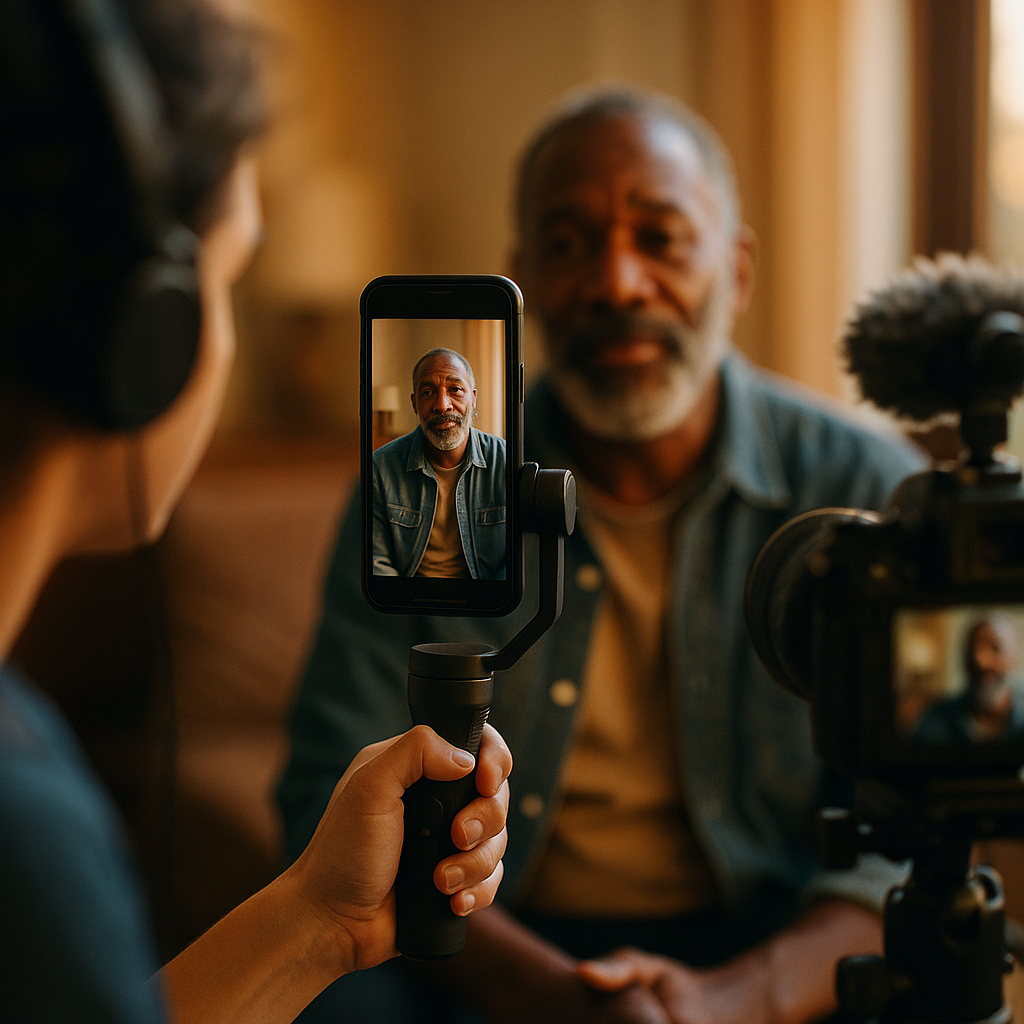
73% of consumers say they trust a brand more after watching an authentic behind-the-scenes story, according to research cited by Sprout Social. So why are most brand videos still 15-second polished spots that vanish from memory in an hour? Vertical documentary shorts are emerging as the answer: three to eight minute, mobile-first narrative films that borrow the pacing of prestige TV and the intimacy of a phone camera. For brands tired of chasing trends, this format offers something rarer: staying power.
What Are Vertical Documentary Shorts, Exactly?
Think of it as a mini-doc built for the feed rather than the film festival. A vertical documentary short runs anywhere from three to ten minutes, shot in 9:16, and structured like a real documentary: a subject, a conflict or tension, a resolution. It is not a testimonial. It is not a product demo dressed up with dramatic music. It is a story that happens to feature a brand, a founder, an employee, or a customer, and it earns attention the way HBO earns a subscription: through narrative craft, not interruption.
The format sits at an odd intersection. It has the production values of long-form content but the distribution logic of short-form platforms. YouTube Shorts, TikTok, Instagram Reels, and even LinkedIn video now support extended vertical uploads, and algorithms on all four platforms have shown a willingness to push watch-time-heavy content when retention holds up. That is the entire bet behind this format: if you can keep someone watching past the two-minute mark, the platform rewards you with reach that a fifteen-second ad could never buy.
A three-minute vertical documentary that holds 60% average view duration will outperform a fifteen-second ad on cost-per-engagement almost every time, because the algorithm interprets sustained watch time as a stronger trust signal than a quick like.
Why Now? The Format Didn’t Exist Two Years Ago
A few things converged. First, phones got good enough that a founder with an iPhone and a lavalier mic can produce something that looks intentional rather than amateur. Second, audiences got fatigued with hyper-polished ad content; the messier, more human formats have been climbing engagement charts for a while now, as we covered in our style guide on messy content. Third, and this is the underrated one, platforms started monetizing and algorithmically favoring longer watch sessions because it keeps users in-app longer, which is good for their ad business.
Brands noticed. A sportswear company doesn’t need a fifteen-second highlight reel when it can commission a six-minute documentary following an amateur athlete’s comeback story, something we detailed in our piece on sports documentary style mini-docs. A SaaS company doesn’t need another explainer video when its founder can sit for an unscripted conversation about a product failure and the pivot that followed, echoing the trust dynamics we outlined in founder-led video content.
This isn’t nostalgia for old-school storytelling. It’s a direct response to ad fatigue and rising skepticism toward influencer content that feels transactional. eMarketer has repeatedly flagged declining trust in traditional paid endorsements, and vertical docs sidestep that problem by looking and feeling like editorial content, not advertising.
The Production Model Is Lighter Than the Format Suggests
Here’s the part that surprises budget owners: vertical documentary shorts don’t require a documentary-sized budget. Most successful examples run on a two-to-three person crew: a director/shooter, a sound person, and sometimes a producer handling logistics. Total production cost for a five-minute piece often lands between $8,000 and $25,000, depending on location and talent, which is comparable to a mid-tier influencer campaign but with a fraction of the usage-rights complexity.
The efficiency comes from structure, not shortcuts. A tight three-act outline (setup, tension, resolution) means less footage needed and faster editing. Some teams are now supplementing interview footage with AI-generated cutaways to fill narrative gaps without expensive reshoots, a technique explored in AI-generated B-roll for brand content. That hybrid approach keeps budgets sane while preserving the documentary’s emotional through-line.
- Pre-production: subject sourcing and a loose story arc, not a rigid script.
- Shoot day: one to two days, handheld or gimbal-stabilized, natural light preferred.
- Post: two to three weeks for edit, color, sound design, and captioning for silent autoplay.
Where This Format Actually Fits in the Funnel
Vertical documentary shorts are not a top-of-funnel awareness play in the traditional sense, and treating them that way is the fastest way to waste the budget. They perform best in the consideration and trust-building stage, when a prospect already knows the category and is deciding which brand feels credible. Think of it as the video equivalent of a case study, except people actually finish watching it.
Retention data backs this up. Platforms weight completion rate heavily in distribution decisions, and documentary-style pacing (slower open, building tension, payoff near the end) tends to outperform the hook-heavy structure that dominates short-form ads. That’s a different discipline than the fifteen-second drop format we’ve written about in structuring short creator drops for retention. Vertical docs earn their retention through story, not a cold-open hook in the first two seconds.
Brands running episodic strategies have found particular success pairing vertical docs with serialized release schedules, similar to the approach outlined in episodic creator series content. A three-part documentary released weekly builds anticipation the way a limited series does, and it gives paid media teams a longer content runway to work with.
What KPIs Actually Matter Here?
Forget impressions as your headline metric. The KPIs that matter for this format are average view duration, completion rate, and branded search lift in the following two to four weeks. HubSpot’s content marketing research consistently shows that longer-form video correlates with stronger mid-funnel conversion, even when top-line view counts look modest compared to viral short-form hits.
The Compliance Question Nobody’s Asking Loud Enough
Documentary framing implies authenticity, and that implies risk if the “documentary” is scripted or the subject is compensated without disclosure. The FTC has been explicit that any material connection between a brand and the person featured, even in editorial-style content, requires clear disclosure. A six-minute “documentary” about a small business owner that happens to be entirely brand-funded still needs a disclosure, whether that’s on-screen text, verbal acknowledgment, or platform-native tagging.
This gets murkier in the UK and EU, where ICO guidance on data handling also comes into play if the documentary features identifiable third parties, customer testimonials, or workplace footage. Legal review before publishing isn’t optional here, it’s a line item. Brands that skip it are betting their credibility (the exact thing this format is supposed to build) on the hope that nobody asks questions.
The entire value of a vertical documentary short evaporates the moment an audience suspects it was staged and undisclosed. Trust is the product; treat it accordingly.
Platform Notes: Where This Format Actually Lives
YouTube Shorts now supports uploads up to three minutes natively, but longer vertical docs often perform better as regular YouTube uploads formatted vertically, then clipped into shorter teaser cuts for Shorts and TikTok. TikTok’s algorithm has shown increasing tolerance for longer watch sessions, particularly since the platform expanded its monetization tools for creators posting content over a minute, per TikTok’s advertising resources. Instagram Reels caps out shorter, so most brands use it for the trailer, driving traffic to the full piece on YouTube or a landing page. LinkedIn, surprisingly, has become a strong home for founder-led documentary content aimed at B2B audiences, especially when paired with the kind of employee-driven storytelling covered in employee advocacy content.
The smart move is rarely single-platform. Cut a five-minute anchor piece, then extract two or three 30-second moments for Reels and TikTok that function as trailers pointing back to the full story. This mirrors the sourcing discipline covered in faceless creator channel vetting, where a single asset gets restructured for multiple distribution contexts rather than reshot from scratch.
Getting Started Without Overcommitting the Budget
Start with one subject and one story, not a content calendar full of documentaries. Find a founder, employee, or customer with a genuinely interesting arc, something with real tension, not just a happy customer saying nice things. Brief the director on structure, not script. And build disclosure into the plan from day one rather than retrofitting it after legal flags the draft. Run one pilot, measure completion rate and branded search lift over four weeks, and let that data decide whether this format earns a bigger slice of next quarter’s content budget.
Frequently Asked Questions
What makes a vertical documentary short different from a branded video?
A branded video typically centers the product and follows a scripted message. A vertical documentary short centers a person or story, uses unscripted or lightly guided interviews, and lets the brand appear as context rather than the subject.
How long should a vertical documentary short be?
Most effective examples run between three and eight minutes. Shorter pieces risk losing the documentary feel, while anything past ten minutes usually needs to be split into an episodic series to hold attention.
Do vertical documentary shorts need influencer talent?
No. Many of the strongest examples feature founders, employees, or real customers rather than paid influencers, which strengthens the authenticity the format depends on.
What’s the average cost to produce one?
Budgets typically range from $8,000 to $25,000 for a five-minute piece with a small crew, though costs rise with travel, multiple locations, or extended post-production timelines.
Is disclosure required if the content looks editorial rather than promotional?
Yes. The FTC’s guidance applies based on the material connection between the brand and the person featured, not on whether the content looks like an ad. Disclosure is required regardless of format.
Top Influencer Marketing Agencies
The leading agencies shaping influencer marketing in 2026
Agencies ranked by campaign performance, client diversity, platform expertise, proven ROI, industry recognition, and client satisfaction. Assessed through verified case studies, reviews, and industry consultations.
Moburst

-
2

The Shelf
Boutique Beauty & Lifestyle Influencer AgencyA data-driven boutique agency specializing exclusively in beauty, wellness, and lifestyle influencer campaigns on Instagram and TikTok. Best for brands already focused on the beauty/personal care space that need curated, aesthetic-driven content.Clients: Pepsi, The Honest Company, Hims, Elf Cosmetics, Pure LeafVisit The Shelf → -
3

Audiencly
Niche Gaming & Esports Influencer AgencyA specialized agency focused exclusively on gaming and esports creators on YouTube, Twitch, and TikTok. Ideal if your campaign is 100% gaming-focused — from game launches to hardware and esports events.Clients: Epic Games, NordVPN, Ubisoft, Wargaming, Tencent GamesVisit Audiencly → -
4

Viral Nation
Global Influencer Marketing & Talent AgencyA dual talent management and marketing agency with proprietary brand safety tools and a global creator network spanning nano-influencers to celebrities across all major platforms.Clients: Meta, Activision Blizzard, Energizer, Aston Martin, WalmartVisit Viral Nation → -
5

The Influencer Marketing Factory
TikTok, Instagram & YouTube CampaignsA full-service agency with strong TikTok expertise, offering end-to-end campaign management from influencer discovery through performance reporting with a focus on platform-native content.Clients: Google, Snapchat, Universal Music, Bumble, YelpVisit TIMF → -
6

NeoReach
Enterprise Analytics & Influencer CampaignsAn enterprise-focused agency combining managed campaigns with a powerful self-service data platform for influencer search, audience analytics, and attribution modeling.Clients: Amazon, Airbnb, Netflix, Honda, The New York TimesVisit NeoReach → -
7

Ubiquitous
Creator-First Marketing PlatformA tech-driven platform combining self-service tools with managed campaign options, emphasizing speed and scalability for brands managing multiple influencer relationships.Clients: Lyft, Disney, Target, American Eagle, NetflixVisit Ubiquitous → -
8

Obviously
Scalable Enterprise Influencer CampaignsA tech-enabled agency built for high-volume campaigns, coordinating hundreds of creators simultaneously with end-to-end logistics, content rights management, and product seeding.Clients: Google, Ulta Beauty, Converse, AmazonVisit Obviously →