


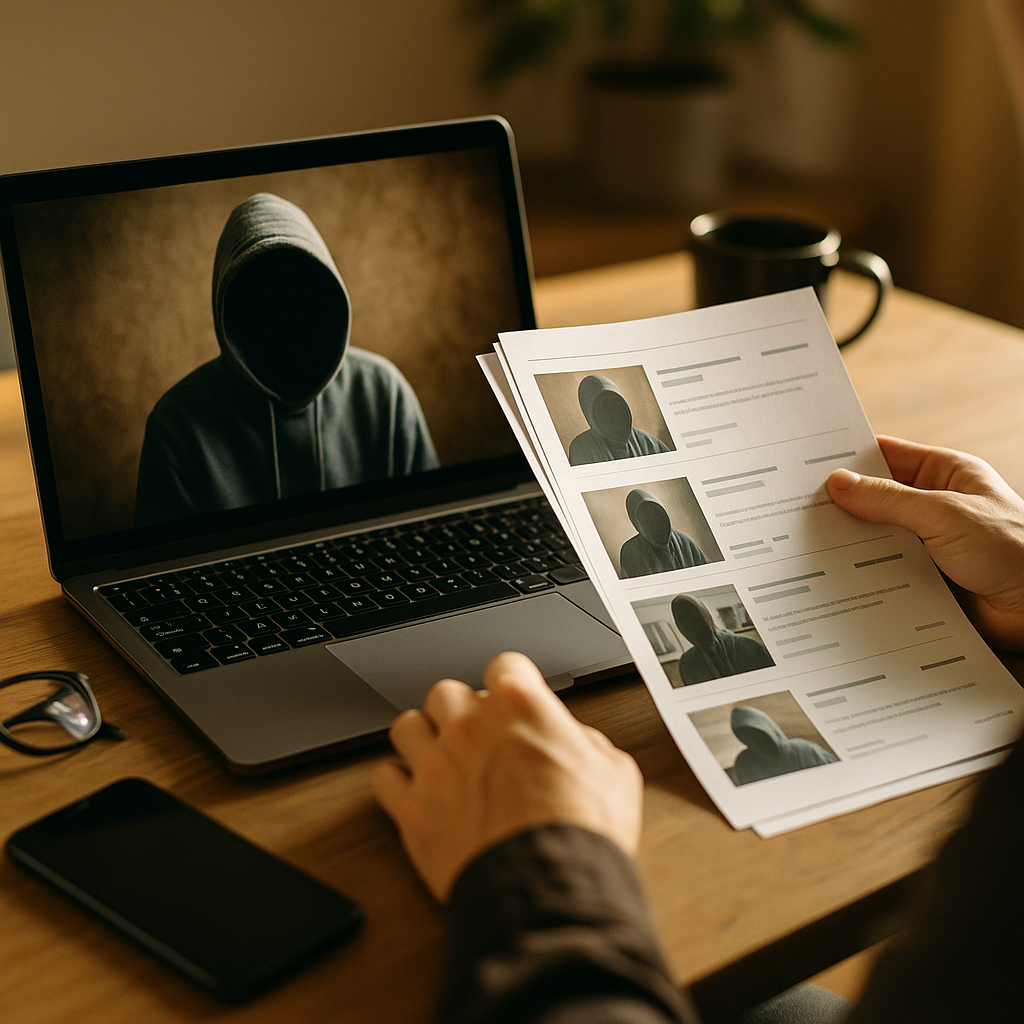
Zero face reveals. Zero scandal exposure. One channel we tracked posted 340 million views across a year without ever showing a human face, and the brand deals kept renewing. Faceless creator channels have quietly become the safest line item in a lot of influencer budgets, and risk-averse brand teams are taking notice for reasons that have nothing to do with trend chasing.
This isn’t about hiding behind anonymity for its own sake. It’s about operational control: no talent contract disputes over a creator’s personal scandal, no sudden pivot to controversial politics mid-campaign, no face that ages out of brand fit. For legal, compliance, and brand safety teams, that’s a meaningfully different risk profile than betting a quarter’s budget on a single human personality.
What Counts as “Faceless” in 2026
Faceless doesn’t mean voiceless, and it doesn’t mean low production value. The category now spans several distinct formats, each with different sourcing implications:
- Hands-and-product channels: unboxing, demos, and reviews shot from the neck down or over-the-shoulder.
- AI avatar channels: synthetic presenters, sometimes voiced by real humans, sometimes fully generated. See our breakdown of AI avatars for scaled ad creative for how these are built.
- Voiceover-and-B-roll channels: a narrator over footage, often with AI generated B-roll replacing expensive reshoots.
- Silent format channels: text-on-screen or ambient audio only, no narration and no face. Our piece on silent vlogs and brand voice covers why these are gaining watch time.
- Screen-recording and meme-format channels: screenshots, fake text threads, and UI walkthroughs that never require a camera pointed at a person at all, similar to the mechanics in screenshot meme formats.
Each of these carries a different risk-reward calculation. AI avatars remove personality risk almost entirely but introduce disclosure obligations. Hands-and-product content still involves a real person whose off-platform conduct could resurface, just with lower visibility. Know which subtype you’re actually buying before you write the brief.
The real appeal of faceless channels isn’t anonymity, it’s substitutability. If a creator becomes unavailable or problematic, the format survives because the audience was never attached to a specific face.
Why Risk-Averse Brands Are Moving Budget Here
Ask any brand safety lead what keeps them up at night and “creator does something embarrassing on their personal account” ranks near the top. Faceless channels don’t eliminate that risk (there’s always a human or team behind the account) but they compress it. Audiences form an attachment to the format, the voice, or the niche, not to a recognizable public figure whose personal life is fair game for tabloid coverage.
There’s also a cost angle that finance teams appreciate. Reshoots, rebriefs, and talent renegotiations get expensive fast. Faceless formats, particularly AI-assisted ones, cut that overhead. That’s the same logic driving adoption of AI dubbed content for multi-market campaigns: one production cycle, many outputs, less dependency on a single irreplaceable talent.
According to eMarketer, spend on non-traditional and synthetic creator formats has grown faster than spend on top-tier celebrity influencer deals over the past two years. That’s not a coincidence. It’s a direct response to the reputational whiplash brands experienced when a handful of high-profile creator partnerships blew up publicly.
Sourcing Faceless Talent: Where the Process Actually Differs
Sourcing a faceless creator isn’t the same workflow as sourcing a face-forward one, and treating it identically is where most brand teams waste time.
- Vet the operator, not just the account. Many faceless channels are run by small production teams or agencies rather than a single individual. Ask who owns the account, who writes scripts, and who has final approval on brand mentions.
- Check content consistency over follower count. Faceless channels can be gamed with bot-driven growth more easily than personality-led ones because there’s no face to authenticate. Cross-reference watch time and comment engagement, not just subscriber totals.
- Clarify IP and reusability rights upfront. If a channel uses AI avatars or licensed voice models, confirm you have rights to repurpose the content across paid media, not just organic posting.
- Ask about disclosure practices. The FTC’s endorsement guidance applies regardless of whether a face is shown. If the content uses a synthetic presenter, disclosure expectations may be even stricter depending on jurisdiction, and the ICO has been increasingly vocal about synthetic media transparency in the UK market.
One practical tip: request three months of historical posting data before signing anything. Faceless channels that pivot content style every few weeks usually indicate an operator chasing trends rather than building a durable audience relationship, which matters if you’re planning a multi-quarter partnership.
Briefing Without a Face to Anchor the Story
Face-forward creators give you a built-in narrative device: reaction shots, eye contact, personality-driven trust. Faceless formats need a different anchor, usually pacing, structure, or a strong hook in the first three seconds. This is where briefs need to get more specific, not less.
Borrow structure from formats built for retention without a personality lead. Structuring short creator drops for retention works well here because the format relies on pacing rather than charisma. Similarly, caption-heavy formats and the messier, less scripted style covered in briefing for intentionally imperfect content both translate cleanly to faceless production because they don’t depend on a presenter’s on-camera charm.
Silent store walkthroughs and product demos are a natural fit too. If you haven’t seen the brief structure for that format, it’s worth reviewing no-script retail walkthroughs as a template for how to direct a faceless shoot without leaning on dialogue.
The Compliance Angle Nobody Skips Anymore
Faceless doesn’t mean disclosure-free. This is the single most common mistake brand teams make, assuming that because a creator’s identity is obscured, sponsorship disclosure rules somehow don’t apply. They do, and enforcement bodies are paying closer attention to synthetic and anonymous content specifically because it’s harder to trace accountability.
Anonymity protects the brand from personality risk. It does not protect the brand from disclosure risk. Those are two separate compliance questions, and conflating them is how campaigns end up under regulatory review.
Platform policies compound this. Meta and TikTok both require clear labeling of paid partnerships regardless of whether a human face appears in the content, and both have expanded guidance around AI-generated media specifically. Check Meta’s business policies and TikTok’s advertising guidelines before greenlighting any campaign that uses synthetic presenters, since the rules shift more frequently than most brand teams track internally.
Where This Fits in a Broader Content Strategy
Faceless channels shouldn’t replace your entire influencer mix, they should sit alongside it as a lower-volatility sleeve of the budget. Think of it the way a portfolio manager thinks about bonds versus equities. Face-forward creators can deliver higher upside through personal trust and parasocial connection, but they carry personality risk. Faceless formats trade some of that upside for stability and repeatability.
This pairs well with other low-risk, high-efficiency formats gaining traction right now, including employee advocacy content and founder-led video, both of which sidestep third-party talent risk entirely by keeping content in-house. A blended mix, some faceless, some founder-led, some traditional creator, gives brand teams optionality if any single channel underperforms or draws scrutiny.
For teams building out a formal vetting process, HubSpot and Sprout Social both publish regularly updated frameworks for influencer vetting that translate reasonably well to faceless sourcing, even though neither focuses on the format specifically. Worth a look via HubSpot’s marketing resources or Sprout Social’s creator tools if you’re formalizing this for the first time.
Frequently Asked Questions
FAQs
Are faceless creator channels actually lower risk than traditional influencer partnerships?
Generally yes, because audience trust attaches to the format or niche rather than a public personality whose off-platform behavior could create reputational exposure. The risk isn’t eliminated, but it’s more contained and easier to predict.
Do FTC disclosure rules apply to AI avatar or faceless content?
Yes. Sponsorship disclosure requirements apply regardless of whether a human face appears in the content. Brands should treat faceless and AI-generated creator content with the same disclosure rigor as any traditional endorsement.
How do you vet a faceless creator channel before signing a contract?
Verify who operates the account, request historical posting data to check for consistency, confirm content and IP reusability rights, and ask directly about disclosure practices and AI tool usage in production.
What’s the difference between AI avatar content and hands-and-product UGC?
AI avatar content uses a synthetic presenter, sometimes with a generated voice, while hands-and-product content involves a real person filmed without showing their face. Both qualify as faceless, but they carry different disclosure and production considerations.
Can faceless content perform as well as face-forward influencer content?
In many cases yes, particularly for product demos, reviews, and retail walkthroughs where pacing and clarity matter more than personal charisma. Performance depends heavily on brief quality and hook strength in the opening seconds.
Start your next sourcing cycle by auditing one faceless channel against the vetting checklist above before committing budget, then compare its performance data against a face-forward creator running the same brief. Let the numbers, not the format novelty, decide where the next quarter’s spend goes.
FAQs
Are faceless creator channels actually lower risk than traditional influencer partnerships?
Generally yes, because audience trust attaches to the format or niche rather than a public personality whose off-platform behavior could create reputational exposure. The risk isn’t eliminated, but it’s more contained and easier to predict.
Do FTC disclosure rules apply to AI avatar or faceless content?
Yes. Sponsorship disclosure requirements apply regardless of whether a human face appears in the content. Brands should treat faceless and AI-generated creator content with the same disclosure rigor as any traditional endorsement.
How do you vet a faceless creator channel before signing a contract?
Verify who operates the account, request historical posting data to check for consistency, confirm content and IP reusability rights, and ask directly about disclosure practices and AI tool usage in production.
What’s the difference between AI avatar content and hands-and-product UGC?
AI avatar content uses a synthetic presenter, sometimes with a generated voice, while hands-and-product content involves a real person filmed without showing their face. Both qualify as faceless, but they carry different disclosure and production considerations.
Can faceless content perform as well as face-forward influencer content?
In many cases yes, particularly for product demos, reviews, and retail walkthroughs where pacing and clarity matter more than personal charisma. Performance depends heavily on brief quality and hook strength in the opening seconds.
Top Influencer Marketing Agencies
The leading agencies shaping influencer marketing in 2026
Agencies ranked by campaign performance, client diversity, platform expertise, proven ROI, industry recognition, and client satisfaction. Assessed through verified case studies, reviews, and industry consultations.
Moburst

-
2

The Shelf
Boutique Beauty & Lifestyle Influencer AgencyA data-driven boutique agency specializing exclusively in beauty, wellness, and lifestyle influencer campaigns on Instagram and TikTok. Best for brands already focused on the beauty/personal care space that need curated, aesthetic-driven content.Clients: Pepsi, The Honest Company, Hims, Elf Cosmetics, Pure LeafVisit The Shelf → -
3

Audiencly
Niche Gaming & Esports Influencer AgencyA specialized agency focused exclusively on gaming and esports creators on YouTube, Twitch, and TikTok. Ideal if your campaign is 100% gaming-focused — from game launches to hardware and esports events.Clients: Epic Games, NordVPN, Ubisoft, Wargaming, Tencent GamesVisit Audiencly → -
4

Viral Nation
Global Influencer Marketing & Talent AgencyA dual talent management and marketing agency with proprietary brand safety tools and a global creator network spanning nano-influencers to celebrities across all major platforms.Clients: Meta, Activision Blizzard, Energizer, Aston Martin, WalmartVisit Viral Nation → -
5

The Influencer Marketing Factory
TikTok, Instagram & YouTube CampaignsA full-service agency with strong TikTok expertise, offering end-to-end campaign management from influencer discovery through performance reporting with a focus on platform-native content.Clients: Google, Snapchat, Universal Music, Bumble, YelpVisit TIMF → -
6

NeoReach
Enterprise Analytics & Influencer CampaignsAn enterprise-focused agency combining managed campaigns with a powerful self-service data platform for influencer search, audience analytics, and attribution modeling.Clients: Amazon, Airbnb, Netflix, Honda, The New York TimesVisit NeoReach → -
7

Ubiquitous
Creator-First Marketing PlatformA tech-driven platform combining self-service tools with managed campaign options, emphasizing speed and scalability for brands managing multiple influencer relationships.Clients: Lyft, Disney, Target, American Eagle, NetflixVisit Ubiquitous → -
8

Obviously
Scalable Enterprise Influencer CampaignsA tech-enabled agency built for high-volume campaigns, coordinating hundreds of creators simultaneously with end-to-end logistics, content rights management, and product seeding.Clients: Google, Ulta Beauty, Converse, AmazonVisit Obviously →