


Brands now push creator content into eight, ten, sometimes fifteen markets from a single shoot. The catch? A stat from Statista shows global digital ad spend is increasingly concentrated in non-English-speaking markets, yet most influencer teams still localize with freelancers, spreadsheets, and a prayer. An AI localization assistant promises to fix that, but which one actually protects your brand voice while cutting turnaround from weeks to hours?
Why Localization Became a Bottleneck Nobody Planned For
Five years ago, “going global” with creator content meant subtitling a video and calling it done. Now brands expect dubbed voiceovers that match lip movement, tone that survives translation, and scripts that don’t trip cultural wires. That’s a lot to ask of a translation agency working on a two-day deadline.
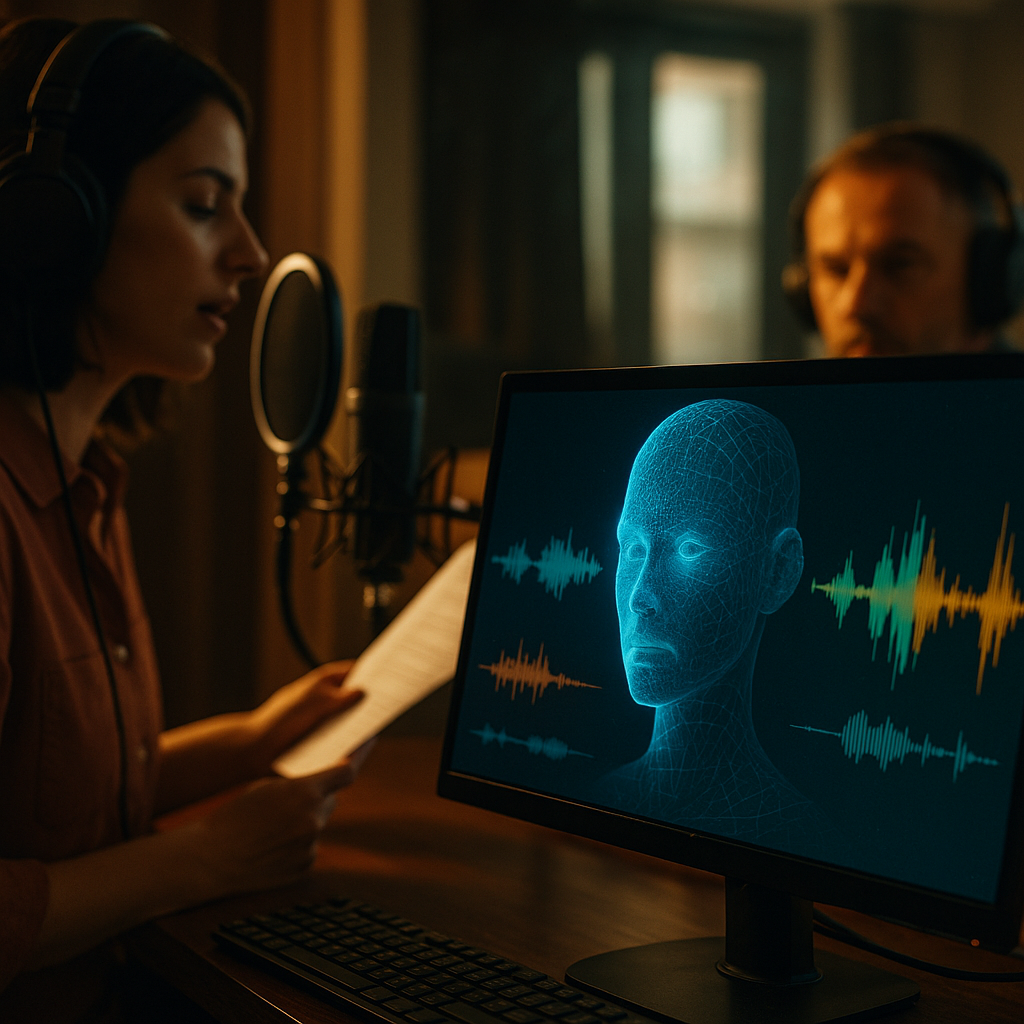
AI localization assistants step into that gap. They combine machine translation, voice cloning, and (in some cases) automated lip-sync to turn one creator asset into a dozen market-ready versions. The pitch is speed and cost. The risk is quality drift, and in some cases, consent violations tied to synthetic voice.
The real cost of localization was never translation. It was the review cycle. AI tools compress the first draft, but someone still has to catch the mistranslated idiom before it ships to 40 million people.
What These Tools Actually Do
Most platforms in this category bundle three capabilities:
- Script translation and localization, which goes beyond literal translation to adapt idioms, humor, and CTAs for local norms.
- Voice cloning and dubbing, generating a synthetic version of the creator’s own voice speaking the target language, or substituting a licensed voice actor’s model.
- Lip-sync and timing adjustment, so dubbed audio matches mouth movement closely enough to avoid the uncanny dubbed-movie effect.
Some tools stop at translation. Others, like ElevenLabs and HeyGen, go all the way to full voice cloning with emotional inflection control. Deepdub and Papercup lean heavily into film and streaming-grade dubbing, which is overkill for a 30-second TikTok but genuinely useful for long-form branded content or YouTube creator campaigns.
Comparing the Field: Speed, Fidelity, and Language Coverage
Here’s where the tradeoffs get real. Speed and voice fidelity tend to move in opposite directions.
- ElevenLabs offers fast turnaround and broad language support (30-plus languages at last count), with strong voice cloning quality. It’s a favorite for teams that need volume across many markets quickly, though nuanced tonal accuracy in low-resource languages still lags behind major ones like Spanish or Mandarin.
- HeyGen pairs voiceover with avatar lip-sync, which matters if you’re localizing talking-head content rather than just voiceover-over-B-roll. It’s strong for corporate and creator explainer formats but less suited to fast-paced, high-energy short-form content where micro-expressions matter more.
- Papercup targets media and publisher-scale dubbing with a human-in-the-loop review layer built in, which slows things down slightly but reduces the “robotic translation” problem that plagues fully automated tools.
- Rask AI and similar mid-market tools optimize for creator and small-brand budgets, trading some fidelity for dramatically lower cost per minute.
- Deepdub focuses on entertainment-grade dubbing with emotional range, better suited to episodic branded content than quick-turn social posts.
None of these tools is universally “best.” The right pick depends on whether you’re localizing a 15-second Reel or a 12-minute YouTube integration, and whether your creator’s voice is central to the brand deal or incidental to it.
A Quick Gut Check Before You Choose
Ask three questions before signing a contract with any vendor:
- Does the tool support the specific dialect nuance your target market needs, not just the parent language?
- What’s the actual cost per minute at your expected volume, not the marketing page’s teaser price?
- Does the vendor provide an audit trail showing what was machine-translated versus human-reviewed?
That third question matters more than most teams realize, and it ties directly into brand safety.
The Consent Problem Nobody Talks About Enough
Voice cloning a creator’s voice into six languages sounds efficient. It’s also a legal minefield if the original contract didn’t explicitly authorize synthetic voice replication for localization purposes. The FTC has already signaled increased scrutiny of AI-generated endorsements and synthetic media, and the FTC’s own guidance makes clear that disclosure obligations don’t disappear just because the voice was machine-generated.
Brands need contract language that specifically covers voice cloning rights, usage duration, and territory scope before a single localization run happens. This isn’t hypothetical: several agencies have already had to pull dubbed campaigns after creators objected to how their cloned voice was used outside the original agreement. For a deeper look at how contract automation is handling this, see how AI contract redlining tools are starting to flag voice-rights gaps before they become disputes.
Where This Fits in the Broader Creator Content Stack
Localization doesn’t happen in isolation. It’s downstream of script approval, and upstream of publishing and performance tracking. Teams that treat it as a standalone tool purchase usually end up with disconnected workflows: one system for briefs, another for translation, a third for compliance review.
The smarter approach ties localization into the same pipeline used for AI creative briefs, so translated scripts inherit the original brief’s tone guardrails automatically rather than starting from a blank slate in a new language. It also pays to route localized voiceovers through the same review process used for original-language content, similar to how content screening tools catch compliance issues before publish. Skipping that step is how a mistranslated CTA ends up live in a market where it violates local advertising rules.
A localized script that hasn’t gone through the same compliance screen as the original is a liability waiting to surface in a market you can’t easily monitor.
Measuring ROI Beyond “It’s Cheaper Than a Translator”
The cost-per-minute comparison is the easy math. The harder math is engagement lift. Does a dubbed, AI-voiced version of a creator’s content actually perform in the target market, or does the audience sense something’s off and scroll past?
Early data from platforms tracking cross-market creator performance suggests localized content with natural-sounding voiceover outperforms subtitled-only versions on watch time, particularly on TikTok and Reels where autoplay audio is the default. But “natural-sounding” is doing a lot of work in that sentence. Poor voice cloning with flat emotional delivery can actually underperform subtitles, because viewers pick up on the uncanny valley effect within seconds.
Track these metrics before scaling any localization vendor across your full creator roster:
- Watch-through rate for localized versus subtitled content in the same market
- Comment sentiment in the local language (a proxy for whether the translation landed naturally)
- Conversion rate on localized CTAs versus the original-language benchmark
If localized content underperforms the subtitled baseline, that’s a signal to downgrade the tool or add human review, not to abandon localization altogether.
Building the Workflow: A Practical Checklist
- Lock voice cloning consent language into every creator contract before your first localization run
- Route every AI-translated script through a native-speaker review pass, even a lightweight one
- Test one high-fidelity tool and one budget tool against the same asset to benchmark quality gaps
- Track localized-content performance separately from original-market benchmarks for at least one full quarter
- Document which content is AI-dubbed for internal compliance records, in line with growing disclosure expectations from regulators like the ICO on automated content transparency
This isn’t glamorous work. But it’s the difference between a localization program that scales safely and one that generates a legal review request six months in.
Next Step
Pick one market, one creator asset, and two vendors. Run both, compare watch-through and sentiment data after two weeks, and let performance, not price sheets, decide your primary localization partner.
FAQs
What is an AI localization assistant in the context of creator content?
It’s a software tool that translates creator scripts and generates dubbed voiceovers, often using voice cloning, so one piece of content can be adapted for multiple language markets without reshooting.
Do these tools replace human translators entirely?
Not reliably yet. Most brands still run a native-speaker review pass on AI-translated scripts to catch cultural or contextual errors machine translation misses, especially for idioms and humor.
Is voice cloning a creator’s voice for localization legally risky?
Yes, unless the original contract explicitly grants rights to clone and reuse the creator’s voice for translated content. Brands should update contract templates to cover this before scaling localization programs.
Which AI localization tool is best for short-form social content?
Tools like ElevenLabs and Rask AI tend to fit fast-turnaround, high-volume short-form needs better than film-grade dubbing tools like Deepdub, which suit longer, higher-production branded content.
How do brands measure whether localization is actually working?
Compare watch-through rate, comment sentiment in the local language, and CTA conversion rate for localized content against subtitled or original-language benchmarks in the same market.
Top Influencer Marketing Agencies
The leading agencies shaping influencer marketing in 2026
Agencies ranked by campaign performance, client diversity, platform expertise, proven ROI, industry recognition, and client satisfaction. Assessed through verified case studies, reviews, and industry consultations.
Moburst

-
2

The Shelf
Boutique Beauty & Lifestyle Influencer AgencyA data-driven boutique agency specializing exclusively in beauty, wellness, and lifestyle influencer campaigns on Instagram and TikTok. Best for brands already focused on the beauty/personal care space that need curated, aesthetic-driven content.Clients: Pepsi, The Honest Company, Hims, Elf Cosmetics, Pure LeafVisit The Shelf → -
3

Audiencly
Niche Gaming & Esports Influencer AgencyA specialized agency focused exclusively on gaming and esports creators on YouTube, Twitch, and TikTok. Ideal if your campaign is 100% gaming-focused — from game launches to hardware and esports events.Clients: Epic Games, NordVPN, Ubisoft, Wargaming, Tencent GamesVisit Audiencly → -
4

Viral Nation
Global Influencer Marketing & Talent AgencyA dual talent management and marketing agency with proprietary brand safety tools and a global creator network spanning nano-influencers to celebrities across all major platforms.Clients: Meta, Activision Blizzard, Energizer, Aston Martin, WalmartVisit Viral Nation → -
5

The Influencer Marketing Factory
TikTok, Instagram & YouTube CampaignsA full-service agency with strong TikTok expertise, offering end-to-end campaign management from influencer discovery through performance reporting with a focus on platform-native content.Clients: Google, Snapchat, Universal Music, Bumble, YelpVisit TIMF → -
6

NeoReach
Enterprise Analytics & Influencer CampaignsAn enterprise-focused agency combining managed campaigns with a powerful self-service data platform for influencer search, audience analytics, and attribution modeling.Clients: Amazon, Airbnb, Netflix, Honda, The New York TimesVisit NeoReach → -
7

Ubiquitous
Creator-First Marketing PlatformA tech-driven platform combining self-service tools with managed campaign options, emphasizing speed and scalability for brands managing multiple influencer relationships.Clients: Lyft, Disney, Target, American Eagle, NetflixVisit Ubiquitous → -
8

Obviously
Scalable Enterprise Influencer CampaignsA tech-enabled agency built for high-volume campaigns, coordinating hundreds of creators simultaneously with end-to-end logistics, content rights management, and product seeding.Clients: Google, Ulta Beauty, Converse, AmazonVisit Obviously →