


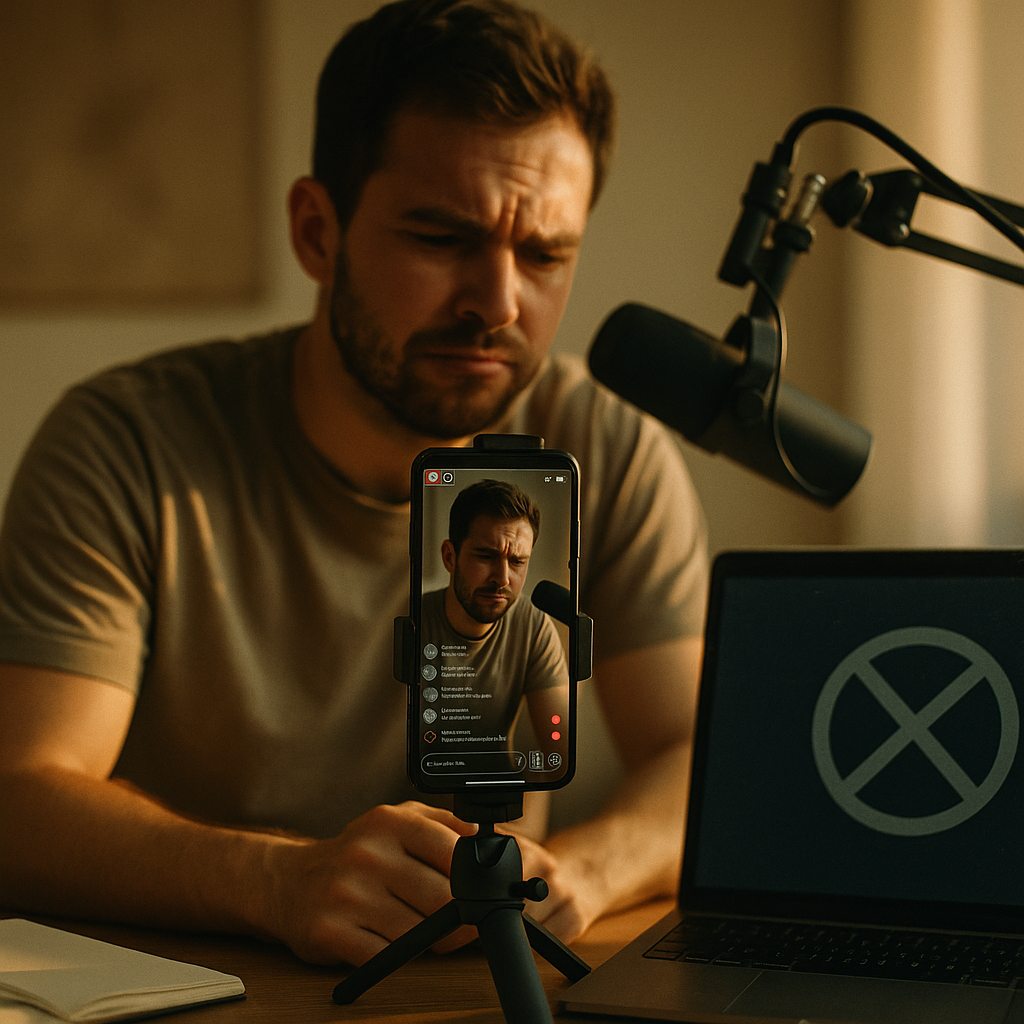
Organic reach on the largest platforms has dropped by double digits in under two years, and it’s not just the algorithm’s fault anymore. Regulators in Brussels, London, and increasingly Washington are rewriting the rules for how platforms can surface content, and organic creator discovery is caught directly in the crossfire. If your influencer program still relies on the assumption that great content finds its audience naturally, 2026 is the year that assumption gets expensive.
The Regulatory Shift Nobody Budgeted For
For years, platform algorithms were a black box that marketers simply learned to work around. That era is ending. The EU’s Digital Services Act now requires large platforms to offer users at least one non-personalized feed option and to disclose the “main parameters” of their recommendation systems. The UK’s Online Safety Act adds another layer, pushing platforms toward more conservative content ranking to limit exposure of minors to unvetted material. In the US, state-level age verification laws in Texas, Utah, and a growing list of others are forcing platforms to segment feeds by verified age, which fragments the very audience pools creators used to reach organically.
None of these laws were written with influencer marketing in mind. But the downstream effect is the same: platforms are dialing back algorithmic amplification of unverified, unpaid, or loosely categorized content to reduce their own liability exposure.
Why Compliance Costs Are Landing on Your Reach Numbers
Here’s the mechanism most marketing teams miss. When a platform faces regulatory pressure, its fastest, cheapest fix is almost never a UX redesign. It’s an algorithm adjustment. Tightening what qualifies for “For You” style distribution, requiring more explicit content labeling, or demoting content from unverified accounts are all low-cost compliance moves that happen to gut organic discovery for creators and the brands working with them.
A creator whose content used to reach 40% of followers organically might now see single digits, not because their content got worse, but because the platform reclassified how “organic” gets defined under new disclosure and safety rules.
This isn’t theoretical. TikTok has already adjusted its recommendation logic in EU markets to comply with DSA transparency mandates, and Meta has rolled out region-specific feed behavior tied to both the DSA and various national age-verification statutes. According to eMarketer’s platform research, organic engagement rates across major social platforms have trended downward even as time spent on these apps has held steady or grown. That gap is the regulatory tax nobody’s calling out loud.
Age Verification Is Reshaping Who Gets Discovered
Age-gating sounds like a child safety issue, and it is. But it’s also a discovery issue for anyone running a creator program. When platforms segment users into verified age bands, they often default to more conservative, lower-reach content pools for anyone who can’t be confidently verified as an adult. Creators in lifestyle, beauty, and gaming, categories with heavy teen and young adult audiences, are seeing their organic content quietly capped at lower distribution tiers until verification friction clears.
For brands, this means the creators who used to overperform organically in these categories may now need paid amplification just to hit the numbers they used to get for free. Budget planning built on last year’s organic benchmarks is already out of date.
Algorithmic Transparency Rules: A Double-Edged Sword
There’s an upside buried in here, and it’s worth acknowledging. DSA-mandated transparency reports and recommendation system disclosures give brands more visibility into how discovery actually works than they’ve ever had. Meta and TikTok now publish some ranking signal documentation for EU users, and that documentation is public. Smart marketing teams are already mining these disclosures to reverse-engineer what triggers demotion versus amplification.
The catch is that transparency doesn’t equal stability. Platforms adjust their systems constantly to stay ahead of regulatory scrutiny, which means the playbook you build this quarter might be obsolete by next. That’s a real problem if your influencer strategy still hinges on chasing algorithmic tricks rather than building durable creator relationships and owned audience channels.
What This Means for Brand Discovery Strategy
If organic reach is becoming a regulatory variable rather than a content quality signal, brands need to stop treating it as a free channel and start treating it as a managed risk. That shift has a few practical implications.
- Diversify discovery inputs. Don’t lean on one platform’s organic feed as your primary creator discovery engine. Search-driven discovery, newsletter mentions, and AI answer engines are becoming meaningful traffic sources in their own right, and misattribution across these channels is already a measurement headache worth understanding before it costs you budget, as covered in our piece on AI answer engine misattribution.
- Build paid amplification into baseline forecasts. Assume organic will underdeliver relative to historical benchmarks and plan boosted spend accordingly rather than treating it as a contingency.
- Audit creator content for compliance triggers. Vague disclosure, unclear sponsorship labeling, and inconsistent FTC-style tagging are exactly the kind of signals platforms are now programmed to demote. Our breakdown of recent FTC enforcement rulings is a useful reference point for what “adequate” disclosure looks like right now.
- Protect your data portability. As platforms tighten algorithmic control, the risk of getting locked into one ecosystem’s discovery mechanics grows. The vendor lock-in dynamics we outlined in closing the data export gap apply just as much to discovery data as they do to CRM records.
YouTube, TikTok, and Meta Are Not Handling This the Same Way
It’s a mistake to treat “platform regulation” as one unified force. Each platform is responding to a different regulatory pressure point, and the discovery impact varies accordingly.
YouTube has leaned into automated sponsorship flagging as a compliance mechanism, which affects how sponsored content gets categorized and surfaced in recommendations. Advertisers running influencer campaigns on the platform should understand how these flags interact with paid promotion disclosures, a topic we cover in detail in our advertiser audit guide. TikTok, facing the most direct DSA scrutiny of any major platform, has made the biggest visible changes to EU feed behavior. Meta, meanwhile, is fighting regulatory battles on multiple fronts at once, from DSA transparency to age verification to ongoing scrutiny of ad targeting, which makes its discovery algorithm one of the most volatile of the three right now.
Dark posting adds another wrinkle. Unpublished, boosted content that never appears organically is regulated differently market by market, and the disclosure requirements shift depending on jurisdiction. If your program runs dark posts across multiple regions, the compliance patchwork outlined in dark posting disclosure rules mapped market by market is essential reading before your next campaign launch.
The Measurement Problem Nobody’s Solving Yet
Here’s the uncomfortable truth: most attribution models still assume organic and paid discovery behave predictably. They don’t anymore. A creator’s content might get suppressed in one region due to age verification rules, amplified in another due to a favorable algorithm update, and flagged entirely in a third due to disclosure ambiguity. Trying to build a single global performance benchmark across that patchwork is a fool’s errand.
Brands running multi-market creator programs need region-specific discovery benchmarks, not global averages. That’s a heavier lift for analytics teams, but it’s the only way to separate “the content underperformed” from “the platform’s compliance response suppressed the content.” According to Sprout Social’s engagement benchmarking research, regional variance in organic performance has widened noticeably as platforms roll out market-specific compliance measures. Ignoring that variance means misreading your own campaign data.
Practical Steps for the Next Two Quarters
Regulatory-driven discovery suppression isn’t going away, so the smartest move is operational, not reactive. Start by auditing which of your top-performing creators rely heavily on organic reach in regulated markets like the EU or UK. Cross-reference that against verified age-gating exposure and disclosure clarity. Then rebuild your paid contingency budget assuming organic delivers 15 to 25 percent less than it did a year ago, a range consistent with what Statista’s platform usage data suggests across major markets currently under DSA or similar oversight.
None of this requires abandoning organic strategy. It requires treating it as a variable input shaped by legal frameworks, not a fixed constant you can plan around blindly.
Frequently Asked Questions
FAQs
What are platform regulations doing to organic creator discovery?
New rules like the EU’s Digital Services Act and various age verification laws are pushing platforms to tighten recommendation algorithms, which reduces organic reach for unverified accounts and loosely labeled sponsored content.
Does the Digital Services Act directly target influencer marketing?
No. The DSA focuses on platform transparency and user safety, but its recommendation system disclosure requirements have indirectly reshaped how organic content, including creator posts, gets surfaced.
How should brands adjust budgets for reduced organic reach?
Plan paid amplification as a baseline rather than a backup, and build region-specific performance benchmarks since regulatory impact varies significantly by market.
Are all platforms affected equally by these regulations?
No. TikTok has made the most visible EU feed changes due to DSA scrutiny, Meta is managing multiple regulatory fronts simultaneously, and YouTube has focused on automated sponsorship flagging as its main compliance lever.
Can better disclosure practices help maintain organic reach?
Yes. Content with clear, consistent sponsorship disclosure is less likely to trigger algorithmic demotion tied to compliance flags, making disclosure hygiene a discovery advantage, not just a legal requirement.
Organic discovery is no longer just a content and algorithm question, it’s a regulatory one, so pull your legal and analytics teams into the same planning conversation as your creator team before next quarter’s budget locks. Start with a market-by-market audit of where age verification and disclosure rules are already suppressing your top creators’ reach, then rebuild paid contingency around what you find.
Top Influencer Marketing Agencies
The leading agencies shaping influencer marketing in 2026
Agencies ranked by campaign performance, client diversity, platform expertise, proven ROI, industry recognition, and client satisfaction. Assessed through verified case studies, reviews, and industry consultations.
Moburst

-
2

The Shelf
Boutique Beauty & Lifestyle Influencer AgencyA data-driven boutique agency specializing exclusively in beauty, wellness, and lifestyle influencer campaigns on Instagram and TikTok. Best for brands already focused on the beauty/personal care space that need curated, aesthetic-driven content.Clients: Pepsi, The Honest Company, Hims, Elf Cosmetics, Pure LeafVisit The Shelf → -
3

Audiencly
Niche Gaming & Esports Influencer AgencyA specialized agency focused exclusively on gaming and esports creators on YouTube, Twitch, and TikTok. Ideal if your campaign is 100% gaming-focused — from game launches to hardware and esports events.Clients: Epic Games, NordVPN, Ubisoft, Wargaming, Tencent GamesVisit Audiencly → -
4

Viral Nation
Global Influencer Marketing & Talent AgencyA dual talent management and marketing agency with proprietary brand safety tools and a global creator network spanning nano-influencers to celebrities across all major platforms.Clients: Meta, Activision Blizzard, Energizer, Aston Martin, WalmartVisit Viral Nation → -
5

The Influencer Marketing Factory
TikTok, Instagram & YouTube CampaignsA full-service agency with strong TikTok expertise, offering end-to-end campaign management from influencer discovery through performance reporting with a focus on platform-native content.Clients: Google, Snapchat, Universal Music, Bumble, YelpVisit TIMF → -
6

NeoReach
Enterprise Analytics & Influencer CampaignsAn enterprise-focused agency combining managed campaigns with a powerful self-service data platform for influencer search, audience analytics, and attribution modeling.Clients: Amazon, Airbnb, Netflix, Honda, The New York TimesVisit NeoReach → -
7

Ubiquitous
Creator-First Marketing PlatformA tech-driven platform combining self-service tools with managed campaign options, emphasizing speed and scalability for brands managing multiple influencer relationships.Clients: Lyft, Disney, Target, American Eagle, NetflixVisit Ubiquitous → -
8

Obviously
Scalable Enterprise Influencer CampaignsA tech-enabled agency built for high-volume campaigns, coordinating hundreds of creators simultaneously with end-to-end logistics, content rights management, and product seeding.Clients: Google, Ulta Beauty, Converse, AmazonVisit Obviously →