


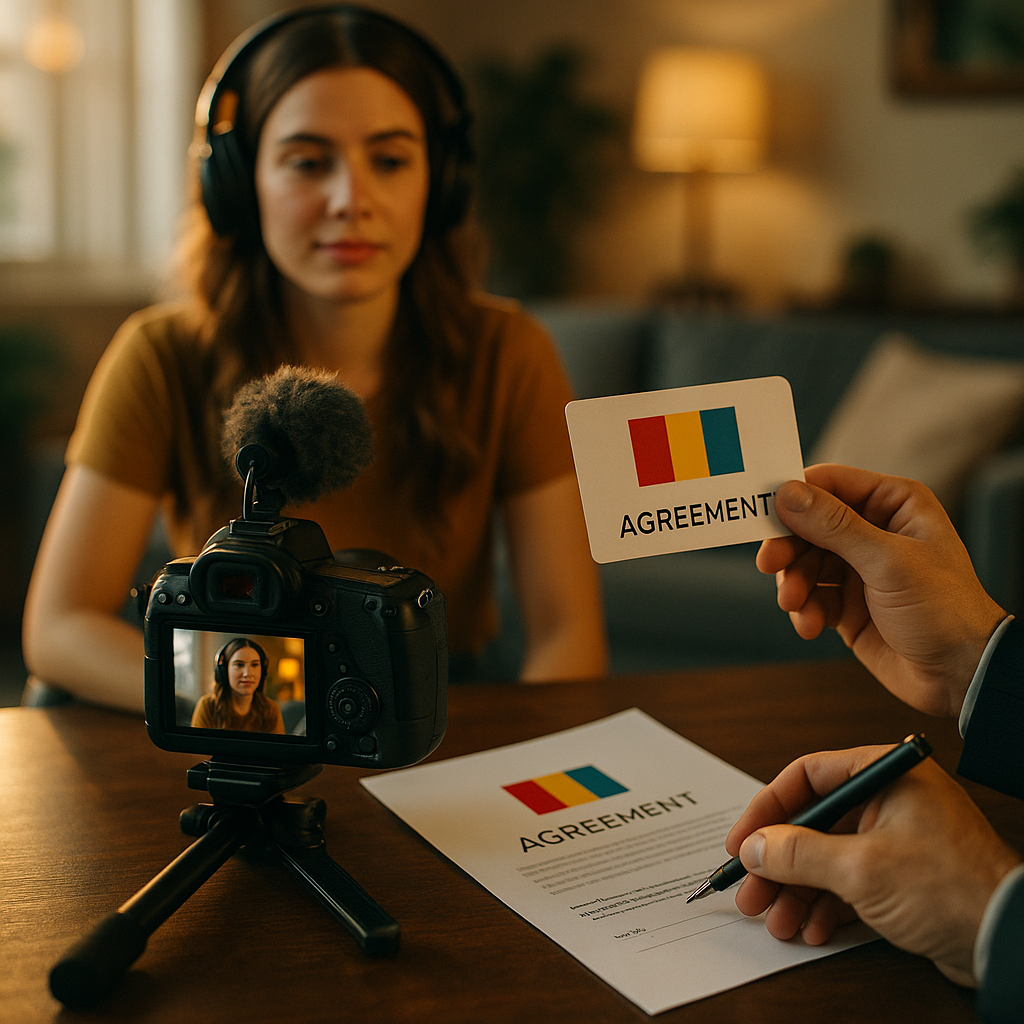
YouTube now pays out more to creators than most mid-size cable networks bill in ad revenue, and brands have noticed. The hottest format on marketing calendars this year isn’t a single sponsored video. It’s the episodic creator series: a funded, multi-part arc with a plot, a release cadence, and a renewal decision. Think pilot season, but for a skincare brand or a fintech app.
The Shift From One-Off Deals to Season Arcs
For years, influencer budgets flowed into single deliverables. One video, one post, one flight of Stories, then a new brief for the next quarter. That model is starting to look expensive and forgettable. A single integration might land 400,000 views and disappear from a viewer’s memory within a week.
Episodic formats flip the math. A brand commits to funding four, six, or eight episodes with a creator, structured around a theme: a founder’s product build, a comparison series, a documentary-style investigation. Viewers subscribe to the arc, not the ad. Retention compounds episode over episode, and the brand gets something closer to a TV sponsorship than a one-off placement.
Brands funding episodic series report that average watch time per viewer nearly doubles between episode one and episode three, because the audience that survives the first installment is actively opting into the next.
This isn’t entirely new territory. It borrows heavily from the structure covered in serialized creator content, where multi-episode arcs were shown to lift retention well beyond single-video benchmarks. What’s changed is the budget size and the seriousness with which brands now treat these as owned media properties.
Why Are Brands Suddenly Bankrolling Multi-Episode Series?
Three forces are colliding. First, CPMs on short-form feed placements keep climbing while attention keeps fragmenting, so brands are hunting for formats that hold a viewer for ten minutes instead of ten seconds. Second, YouTube’s algorithm rewards session duration, meaning a well-produced series can outperform isolated uploads on discovery. Third, and maybe most important, brands have realized that a series is an asset they can license, repurpose, and syndicate long after the sponsorship ends.
There’s also a trust dividend. A single ad read feels transactional. A season-long collaboration where the creator visibly shapes the story feels earned. Audiences reward that distinction with lower skip rates and higher comment engagement, according to data cited by eMarketer on branded long-form video performance.
The Production Math Behind Episodic Deals
Funding a series is not the same math as funding a post. Brands are now negotiating season-level retainers, often with a kill fee built in if early episode performance misses agreed benchmarks. A typical structure looks like this:
- Upfront development fee covering scripting, format testing, and a pilot episode
- Per-episode production budget tied to a release schedule (usually biweekly or monthly)
- Performance bonuses triggered by watch-time thresholds or subscriber lift
- Renewal option for a second season, negotiated before the first season wraps
This looks a lot like a licensing deal, not a media buy. Legal and finance teams need to be in the room from the start, not just brand and creative. If your team is still treating this like a standard influencer contract, you’re underpricing the IP and overexposing the brand on renewal terms.
The format also borrows production discipline from other long-form work. Brands running chaptered long form explainers already understand how structured segmentation keeps YouTube viewers engaged past the five-minute mark, and that same chapter logic scales cleanly into a full episode arc.
Case in Point: Category Playbooks Taking Shape
Fintech brands are funding “build in public” series where a creator documents launching a side business using the sponsor’s tools, episode by episode, mistakes included. Beauty brands are backing format-driven docuseries that follow a product from lab to shelf, which pulls from the same trust logic behind documentary process content. B2B software companies are funding executive interview arcs that function less like ads and more like a recurring show, echoing the cadence strategy in founder led video programs.
What ties these together isn’t the category. It’s the willingness to fund a narrative arc instead of a message, and to let the creator retain enough creative control that the audience doesn’t smell the sponsorship from episode one.
Risk, Compliance, and the Contract Clauses You Need
Longer commitments mean longer exposure. A single bad episode, a creator controversy, or a shift in platform policy can jeopardize a season’s worth of budget rather than one post. Brands need disclosure language that holds across every episode, not just the pilot, in line with FTC endorsement guidance on ongoing sponsored relationships.
Build in these protections before signing:
- Episode-level disclosure requirements, refreshed each installment, not assumed from episode one
- Content approval windows that don’t slow the release cadence to a crawl
- Usage rights that specify whether the brand can repurpose episodes as ads, on-site content, or paid social clips
- An exit clause tied to measurable performance drops, not just creative disagreements
Compliance teams that treat this like a standard UGC agreement will miss the recurring-disclosure requirement, which is the single most common gap auditors flag in multi-episode sponsorships.
Measuring ROI Across an Episode Arc
How do you value a format that unfolds over months instead of a single flight? Stop measuring episode one in isolation. The real signal is completion rate across the arc: what percentage of episode-one viewers make it to episode three, and how many convert to subscribers of the channel itself.
Track these metrics at the series level:
- Audience retention curve across episodes, not just per-video view counts
- Subscriber lift on the creator’s channel attributable to the sponsored arc
- Branded search lift during the release window, benchmarked against Statista category search trend data
- Repurposing value: how many downstream clips, shorts, or ad cutdowns the series generates
This last point matters more than most brands budget for. A well-produced episode can feed months of short-form cutdowns, similar to the reuse economics covered in podcast clip repurposing, where a single long-form asset gets sliced into dozens of paid social placements. If your finance team is only pricing the episode itself, they’re missing half the return.
Reporting cadence should mirror TV upfronts: a mid-season check-in, not just a final wrap report. Use platforms like Sprout Social or your existing social listening stack to track sentiment shifts between episodes, which is often the earliest signal of whether a season deserves a renewal.
Before you greenlight a season, run a three-episode pilot with a hard performance gate, price the deal like a licensing agreement rather than a media buy, and put episode-level disclosure language in the contract from day one.
Frequently Asked Questions
What counts as an episodic creator series versus a regular sponsored video?
An episodic creator series involves multiple linked installments released on a set cadence, usually funded through a single retainer with performance benchmarks between episodes, rather than a standalone sponsored post.
How many episodes should a pilot season include?
Most brands start with three to six episodes to test audience retention before committing to a full season or renewal, giving enough data to judge whether the arc is holding attention.
Who owns the content after the series ends?
Usage rights vary by contract, but brands should negotiate explicit terms upfront for whether episodes can be repurposed into ads, on-site assets, or paid social clips after the sponsorship concludes.
Does episodic content require different disclosure than a single sponsored post?
Yes. Disclosure should be refreshed in every episode, not assumed from the first installment, since regulators expect ongoing sponsorship relationships to be clearly labeled throughout the arc.
What’s the biggest budgeting mistake brands make with episodic series?
Pricing the deal like a standard media buy instead of a licensing agreement, which undervalues the IP, the repurposing potential, and the renewal leverage the creator holds after a successful season.
Top Influencer Marketing Agencies
The leading agencies shaping influencer marketing in 2026
Agencies ranked by campaign performance, client diversity, platform expertise, proven ROI, industry recognition, and client satisfaction. Assessed through verified case studies, reviews, and industry consultations.
Moburst

-
2

The Shelf
Boutique Beauty & Lifestyle Influencer AgencyA data-driven boutique agency specializing exclusively in beauty, wellness, and lifestyle influencer campaigns on Instagram and TikTok. Best for brands already focused on the beauty/personal care space that need curated, aesthetic-driven content.Clients: Pepsi, The Honest Company, Hims, Elf Cosmetics, Pure LeafVisit The Shelf → -
3

Audiencly
Niche Gaming & Esports Influencer AgencyA specialized agency focused exclusively on gaming and esports creators on YouTube, Twitch, and TikTok. Ideal if your campaign is 100% gaming-focused — from game launches to hardware and esports events.Clients: Epic Games, NordVPN, Ubisoft, Wargaming, Tencent GamesVisit Audiencly → -
4

Viral Nation
Global Influencer Marketing & Talent AgencyA dual talent management and marketing agency with proprietary brand safety tools and a global creator network spanning nano-influencers to celebrities across all major platforms.Clients: Meta, Activision Blizzard, Energizer, Aston Martin, WalmartVisit Viral Nation → -
5

The Influencer Marketing Factory
TikTok, Instagram & YouTube CampaignsA full-service agency with strong TikTok expertise, offering end-to-end campaign management from influencer discovery through performance reporting with a focus on platform-native content.Clients: Google, Snapchat, Universal Music, Bumble, YelpVisit TIMF → -
6

NeoReach
Enterprise Analytics & Influencer CampaignsAn enterprise-focused agency combining managed campaigns with a powerful self-service data platform for influencer search, audience analytics, and attribution modeling.Clients: Amazon, Airbnb, Netflix, Honda, The New York TimesVisit NeoReach → -
7

Ubiquitous
Creator-First Marketing PlatformA tech-driven platform combining self-service tools with managed campaign options, emphasizing speed and scalability for brands managing multiple influencer relationships.Clients: Lyft, Disney, Target, American Eagle, NetflixVisit Ubiquitous → -
8

Obviously
Scalable Enterprise Influencer CampaignsA tech-enabled agency built for high-volume campaigns, coordinating hundreds of creators simultaneously with end-to-end logistics, content rights management, and product seeding.Clients: Google, Ulta Beauty, Converse, AmazonVisit Obviously →