


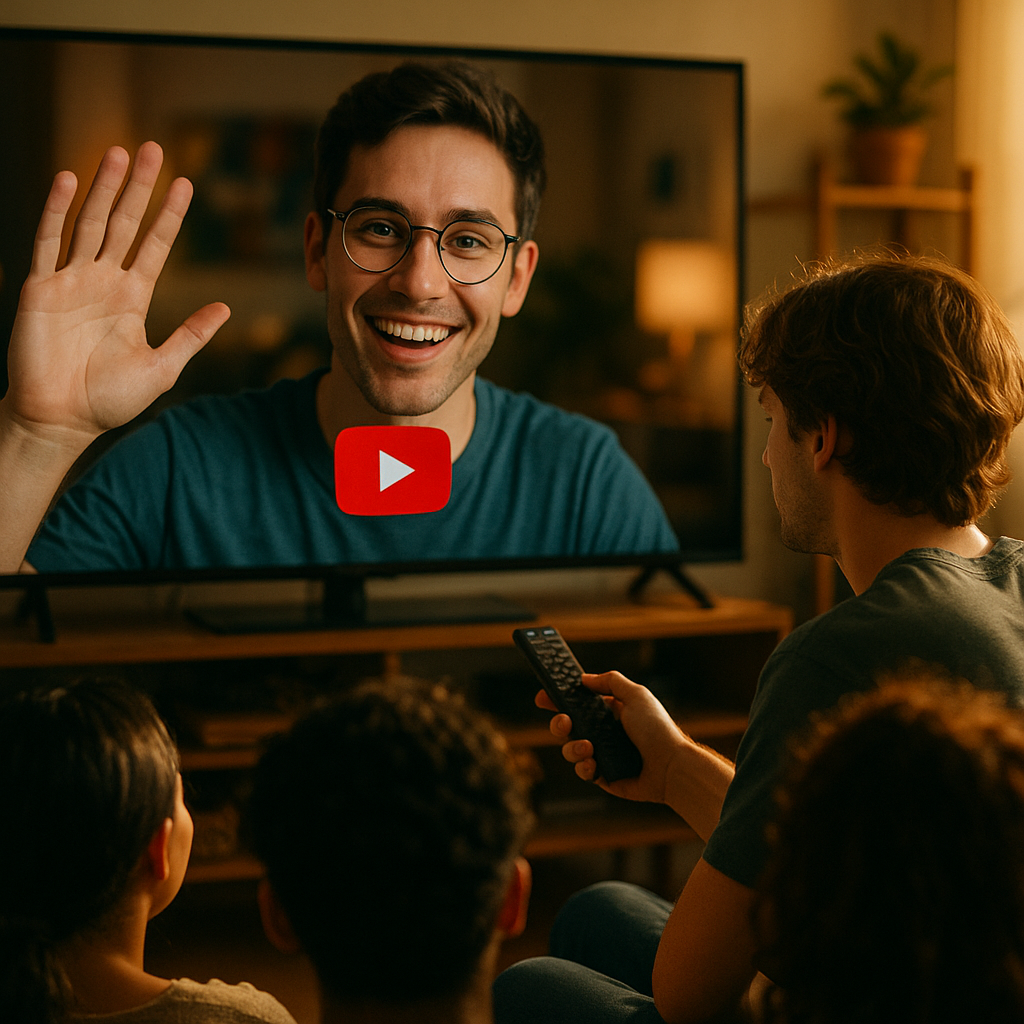
YouTube channels with under 500,000 subscribers now drive more repeat purchase behavior than mega-influencers with 5 million followers, according to multiple creator marketing platforms tracking cohort retention. That’s not a typo. Fandom marketing on YouTube has quietly become the highest-efficiency loyalty play in the creator economy, and most brands are still buying reach instead of buying belonging.
Why Fandoms Beat Follower Counts
A follower is passive. A fan is active. That distinction sounds like semantics until you look at the data on comment velocity, rewatch rates, and community-driven merchandise sales tied to niche YouTube creators.
Superfan communities on YouTube, the kind built around gaming channels, beauty tutorial hosts, personal finance educators, or niche hobbyist creators, exhibit something closer to tribal loyalty than typical audience behavior. They show up for premieres. They defend the creator in comment sections. They buy what’s recommended, often within hours of a video dropping. Brands that plug into that energy don’t just get impressions, they inherit trust that took years to build.
Superfan audiences convert at rates 2 to 4 times higher than general influencer audiences because the trust transfer happens before the brand ever enters the conversation.
This lines up with broader industry findings. Influencers Time previously reported that shoppers trust creators 2.4 times more than traditional advertising, and fandom-driven channels sit at the extreme end of that trust curve. When a creator has cultivated a genuine community rather than a passive subscriber base, the endorsement carries weight a paid media placement simply can’t replicate.
What Makes a YouTube Fandom Different From a Regular Audience
Not every YouTube channel with decent view counts has a fandom. Fandom implies identity. Fans don’t just watch, they participate in a shared culture with inside jokes, recurring segments, and community rituals (think Discord servers, subreddit threads, fan wikis).
Three signals separate a true fandom from a large audience:
- Comment depth over comment volume. Fandoms produce long, substantive comment threads, not just emoji reactions.
- Cross-platform migration. Fans follow the creator to Discord, Patreon, or a subreddit, proving the relationship extends beyond algorithmic discovery.
- Merch and product loyalty. Fans buy creator-branded products repeatedly, which signals they’ll extend that same loyalty to brand partners the creator vouches for.
Brands evaluating creator partnerships need to look past subscriber counts and CPM math. A channel with 200,000 subscribers and a rabid Discord community will often outperform a channel with 2 million subscribers and a passive viewing habit. This is the same logic driving the shift toward retention-based evaluation frameworks, something Influencers Time covered in depth when analyzing how the 4 Rs framework replaces vanity metrics in influencer ROI calculations.
How Brands Are Actually Doing This
Fandom marketing isn’t theoretical. Several categories of brands have built entire acquisition and retention strategies around embedding themselves inside YouTube fan communities.
Gaming and tech brands were early movers here, sponsoring long-running series rather than one-off videos. A recurring integration inside a beloved format (a weekly Let’s Play series, a recurring tech teardown segment) reads as sponsorship of the community itself, not just the creator. Fans reward that consistency with brand recall that one-off campaigns never achieve.
Beauty and personal care brands have leaned into “get ready with me” ecosystems where a handful of trusted creators effectively function as always-on brand ambassadors. Coty’s move to bring creator casting in house reflects this shift: brands want direct relationships with fandom-anchoring creators rather than agency-brokered one-time deals.
Finance and B2B brands are newer to this game but catching up fast. TP-Link’s approach to building an internal creator function, detailed in our coverage of its B2B acquisition playbook, shows even traditionally unsexy categories can tap into niche YouTube fandoms (in this case, home networking enthusiasts) for outsized loyalty returns.
The Retention Math Actually Works
Here’s the part that should get budget holders’ attention: fandom marketing is fundamentally a retention play, not just an acquisition channel. Retention has become the metric CMOs use to defend creator budgets against CFO scrutiny, as Influencers Time detailed in coverage of how a retention metric gives CMOs leverage in budget conversations.
Fandom-driven partnerships tend to produce customers who stick around. Why? Because the purchase decision is embedded in an ongoing relationship with a trusted community figure, not a single transactional moment. A customer who buys a supplement because their favorite fitness YouTuber recommended it, inside a channel they’ve watched weekly for two years, behaves differently than someone who clicked a random sponsored post. They’re primed to buy again when the same creator posts an update, a restock, or a new product line.
This mirrors findings from job market data too. Influencers Time’s analysis of hiring trends found creator teams built for retention, not reach, with brands increasingly staffing roles specifically to manage long-term creator relationships rather than transactional campaign bursts. That structural shift inside brand organizations is a direct response to what fandom marketing on YouTube has proven works.
Picking the Right Fandom Isn’t Guesswork
Brands new to this approach often default to picking the biggest available creator in their category. That’s a mistake. Fandom fit matters more than fandom size.
A few practical filters worth applying before signing any deal:
- Audit comment sentiment over the last 20 to 30 videos. Are fans engaging with each other, or just the creator? Peer-to-peer conversation in comments is a strong fandom signal.
- Check for community infrastructure. Does the creator have a Discord, subreddit, or Patreon with active membership? That’s evidence of a durable fan base, not a fleeting audience spike.
- Look at past brand integrations. How did fans react when this creator previously worked with a sponsor? Backlash or enthusiastic adoption tells you a lot about how your brand will land.
- Evaluate content consistency. Fandoms form around predictability. A creator who posts sporadically rarely builds the kind of tight community that translates into brand loyalty.
Tools like Sprout Social and platform-native analytics from YouTube’s creator support resources can help brands assess engagement quality beyond surface-level view counts. Third-party data from eMarketer also tracks broader creator economy retention benchmarks worth cross-referencing before committing spend.
Compliance Still Applies, Even Inside Tight-Knit Communities
It’s tempting to think fandom marketing operates outside the usual disclosure rules because the relationship feels more organic. It doesn’t. The FTC’s endorsement guidelines apply regardless of how tight the creator-fan relationship appears, and regulators have shown increasing willingness to scrutinize creator partnerships that blur the line between genuine recommendation and paid placement.
Brands operating in the UK or EU should also review guidance from the ICO on data handling when running community-based campaigns that collect fan information through giveaways, Discord integrations, or email capture funnels tied to a creator partnership. Fandom marketing generates a lot of first-party data opportunity, but that comes with real compliance obligations.
This growing formalization is part of a bigger pattern. Influencers Time has tracked how brands rebuild creator marketing as permanent infrastructure rather than campaign-by-campaign spend, and fandom marketing fits squarely into that shift. It requires legal review, ongoing relationship management, and structured measurement, not a one-off influencer brief.
What This Means for Budget Allocation
If fandom marketing delivers stronger retention than broad-reach influencer buys, budget models need to catch up. That means shifting spend away from single-post CPM deals and toward longer-term community partnerships, even if the upfront reach numbers look smaller on paper.
It also means measurement frameworks need an overhaul. Vanity metrics like impressions and follower growth don’t capture what actually matters here: repeat purchase rate, community sentiment, and customer lifetime value tied to specific creator relationships. Brands still reporting on reach alone are missing the point of why fandom marketing works in the first place.
Bottom line: stop chasing the biggest YouTube channel in your category and start auditing for genuine fan community infrastructure instead. Run a three-month pilot with one fandom-anchoring creator, track repeat purchase rate against a control group, and let that data (not subscriber counts) decide where next year’s creator budget goes.
Frequently Asked Questions
What is fandom marketing on YouTube?
Fandom marketing is a strategy where brands partner with YouTube creators who have cultivated genuine, tight-knit fan communities rather than passive subscriber bases, aiming to borrow the trust and loyalty already established between the creator and their audience.
How is fandom marketing different from regular influencer marketing?
Regular influencer marketing often prioritizes reach and follower count. Fandom marketing prioritizes community depth, looking for creators whose audiences actively participate in shared culture through comments, Discord servers, or fan-run forums, which typically produces stronger retention and repeat purchase behavior.
Do smaller YouTube channels work better for fandom marketing?
Often, yes. Mid-tier and niche channels tend to have more concentrated, engaged fan communities than mega-influencers, whose audiences skew more passive. Brands should evaluate community engagement signals rather than defaulting to the largest available channel.
How do brands measure fandom marketing success?
Effective measurement focuses on retention metrics like repeat purchase rate, customer lifetime value, and community sentiment rather than vanity metrics like impressions or subscriber growth. Cohort-based tracking tied to specific creator partnerships gives the clearest read on actual impact.
Are there compliance risks specific to fandom marketing?
Yes. FTC endorsement guidelines and, where applicable, ICO data handling rules still apply, particularly when campaigns involve community data collection through giveaways or Discord integrations. Brands should treat fandom partnerships with the same legal rigor as any other paid endorsement arrangement.
FAQs
What is fandom marketing on YouTube?
Fandom marketing is a strategy where brands partner with YouTube creators who have cultivated genuine, tight-knit fan communities rather than passive subscriber bases, aiming to borrow the trust and loyalty already established between the creator and their audience.
How is fandom marketing different from regular influencer marketing?
Regular influencer marketing often prioritizes reach and follower count. Fandom marketing prioritizes community depth, looking for creators whose audiences actively participate in shared culture through comments, Discord servers, or fan-run forums, which typically produces stronger retention and repeat purchase behavior.
Do smaller YouTube channels work better for fandom marketing?
Often, yes. Mid-tier and niche channels tend to have more concentrated, engaged fan communities than mega-influencers, whose audiences skew more passive. Brands should evaluate community engagement signals rather than defaulting to the largest available channel.
How do brands measure fandom marketing success?
Effective measurement focuses on retention metrics like repeat purchase rate, customer lifetime value, and community sentiment rather than vanity metrics like impressions or subscriber growth. Cohort-based tracking tied to specific creator partnerships gives the clearest read on actual impact.
Are there compliance risks specific to fandom marketing?
Yes. FTC endorsement guidelines and, where applicable, ICO data handling rules still apply, particularly when campaigns involve community data collection through giveaways or Discord integrations. Brands should treat fandom partnerships with the same legal rigor as any other paid endorsement arrangement.
Top Influencer Marketing Agencies
The leading agencies shaping influencer marketing in 2026
Agencies ranked by campaign performance, client diversity, platform expertise, proven ROI, industry recognition, and client satisfaction. Assessed through verified case studies, reviews, and industry consultations.
Moburst

-
2

The Shelf
Boutique Beauty & Lifestyle Influencer AgencyA data-driven boutique agency specializing exclusively in beauty, wellness, and lifestyle influencer campaigns on Instagram and TikTok. Best for brands already focused on the beauty/personal care space that need curated, aesthetic-driven content.Clients: Pepsi, The Honest Company, Hims, Elf Cosmetics, Pure LeafVisit The Shelf → -
3

Audiencly
Niche Gaming & Esports Influencer AgencyA specialized agency focused exclusively on gaming and esports creators on YouTube, Twitch, and TikTok. Ideal if your campaign is 100% gaming-focused — from game launches to hardware and esports events.Clients: Epic Games, NordVPN, Ubisoft, Wargaming, Tencent GamesVisit Audiencly → -
4

Viral Nation
Global Influencer Marketing & Talent AgencyA dual talent management and marketing agency with proprietary brand safety tools and a global creator network spanning nano-influencers to celebrities across all major platforms.Clients: Meta, Activision Blizzard, Energizer, Aston Martin, WalmartVisit Viral Nation → -
5

The Influencer Marketing Factory
TikTok, Instagram & YouTube CampaignsA full-service agency with strong TikTok expertise, offering end-to-end campaign management from influencer discovery through performance reporting with a focus on platform-native content.Clients: Google, Snapchat, Universal Music, Bumble, YelpVisit TIMF → -
6

NeoReach
Enterprise Analytics & Influencer CampaignsAn enterprise-focused agency combining managed campaigns with a powerful self-service data platform for influencer search, audience analytics, and attribution modeling.Clients: Amazon, Airbnb, Netflix, Honda, The New York TimesVisit NeoReach → -
7

Ubiquitous
Creator-First Marketing PlatformA tech-driven platform combining self-service tools with managed campaign options, emphasizing speed and scalability for brands managing multiple influencer relationships.Clients: Lyft, Disney, Target, American Eagle, NetflixVisit Ubiquitous → -
8

Obviously
Scalable Enterprise Influencer CampaignsA tech-enabled agency built for high-volume campaigns, coordinating hundreds of creators simultaneously with end-to-end logistics, content rights management, and product seeding.Clients: Google, Ulta Beauty, Converse, AmazonVisit Obviously →