


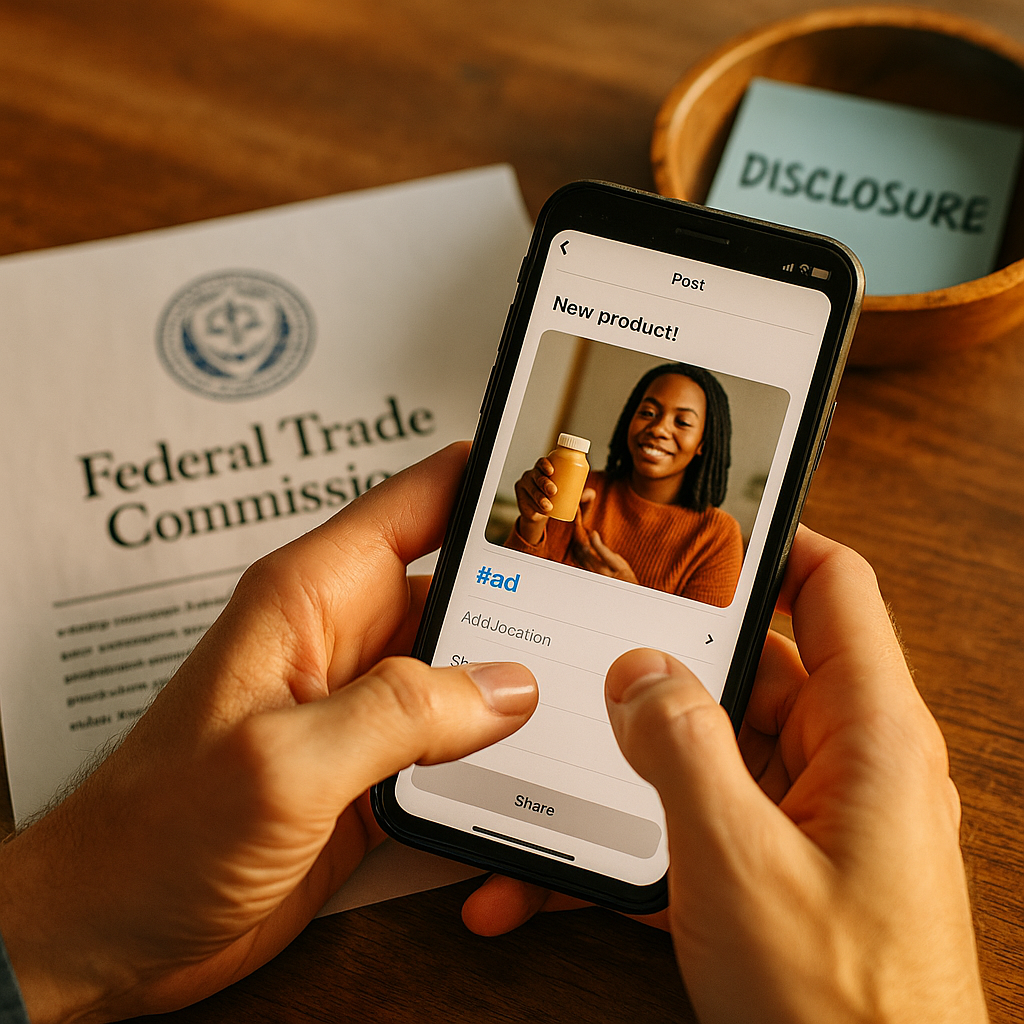
Meta has never published a ranking bonus for hashtag #ad. But brands running side by side tests in early 2026 are seeing something hard to ignore: posts with clean, platform native disclosure are getting more initial reach than posts where creators bury the paid partnership label in a caption or hashtag pile. Call it what you want, but Instagram’s algorithm reward for disclosure compliant posts is showing up in the data, and marketers who ignore it are leaving reach on the table.
Why This Isn’t Just a Compliance Story Anymore
For years, brand teams treated disclosure as a legal checkbox. Slap on #ad, satisfy the FTC’s endorsement guidelines, move on. That mindset is now costing reach.
Instagram’s ranking systems increasingly weight signals like watch time completion, save rate, and negative feedback (hides, reports, “see less” taps). Posts that use the native Paid Partnership label tend to generate less audience backlash than posts where disclosure feels hidden or performative. Fewer negative signals means the algorithm keeps showing the post to secondary and tertiary audiences instead of throttling it after the first wave.
Internal creator tests circulating in agency Slack channels show branded content using the native Paid Partnership tag retaining 15 to 20 percent more reach into the second distribution wave compared to posts with disclosure buried in a caption.
That’s not a Meta press release stat. It’s directional, pulled from agency side experimentation. But it lines up with a broader pattern: platforms reward content that keeps users engaged and doesn’t generate trust erosion, and undisclosed or sloppily disclosed sponsorships are a trust eroder.
Is Meta explicitly building a “disclosure bonus” into its ranking model? Almost certainly not in those words. What’s more likely is that clean disclosure correlates with lower complaint rates, which correlates with better distribution. Correlation isn’t causation, but for a media buyer, the outcome is what matters.
What “Disclosure Compliant” Actually Means on Instagram
Compliance isn’t just adding a hashtag. Instagram gives creators and brands a specific toolset, and using it properly is the baseline for this playbook.
- Native Paid Partnership label: Applied through Instagram’s branded content tools, this creates a visible tag at the top of the post and pushes the post into Meta’s Ads Manager for boosting if the brand has partnership permissions enabled.
- Business Partner tagging: Required for any post where a brand has provided compensation, free product, or other consideration. This isn’t optional under Meta’s branded content policies.
- Caption disclosure language: The FTC still expects clear, unambiguous language like “Paid partnership with [Brand]” placed where a viewer doesn’t have to click “more” to find it.
- Consistent disclosure across formats: Reels, Stories, carousels, and Lives all need the same standard applied. A brand that discloses on feed posts but skips it on Stories is creating a compliance gap and, per the pattern above, likely a reach gap too.
Brands that centralize this into a single briefing document for creators see far fewer inconsistencies. If you’re already building creator briefs for other platforms, this is the same operational muscle. The TikTok automatic flagging environment demands nearly identical discipline, and running parallel standards across platforms cuts your legal review time significantly.
The Reach Penalty of Getting It Wrong
Undisclosed sponsorships don’t just risk an FTC letter. They risk the post itself underperforming.
Here’s the mechanism as best understood: when audiences sense a post is sponsored but it hasn’t been disclosed, they engage differently. Comment sections turn skeptical. Save rates drop because trust in the recommendation weakens. Some users report the post or tap “not interested.” Instagram’s ranking model reads all of that as a signal to slow distribution. It’s not punishing the brand for a legal violation, it’s punishing the post for underperforming against engagement quality benchmarks that undisclosed sponsorship content tends to trigger.
Compare that to a well disclosed post where the audience already trusts the creator’s judgment on partnerships. The disclosure becomes almost invisible because it’s expected and consistent. Engagement patterns stay clean, and the algorithm has no reason to suppress the post.
A brand’s disclosure discipline is no longer a legal insurance policy. It’s a performance lever sitting inside the same ranking model that decides your CPM.
Building the Optimization Playbook
If disclosure compliance is now a ranking input, brands need to treat it with the same rigor as hook testing or thumbnail optimization. Here’s a practical sequence for marketing teams running influencer programs at scale.
Step 1: Standardize the Disclosure Template Across All Creators
Don’t leave disclosure phrasing to creator discretion. Provide two or three approved caption openers (“Paid partnership with [Brand],” “Thanks to [Brand] for sponsoring this post”) and require the native Paid Partnership tag on every deliverable. Consistency reduces the audience’s cognitive friction, which keeps negative feedback signals low.
Step 2: Require Business Partner Tagging Before Payment Release
Add a checklist item to your creator payment workflow: no tag, no invoice approval. This single operational change catches most compliance gaps before they ever go live, and it forces creators to treat disclosure as a deliverable rather than an afterthought.
Step 3: Audit Reach Data by Disclosure Method
Pull reach and save rate data segmented by disclosure type: native tag versus caption only, early placement versus buried placement. Most brands running 20+ creator campaigns a quarter have enough volume to spot patterns within eight to twelve weeks. This is the same analytical muscle used in carousel sequencing testing, just applied to a compliance variable instead of a creative one.
Step 4: Brief Creators on Placement, Not Just Presence
Disclosure that’s technically present but visually buried (white text on a busy background in a Story, for instance) still creates ambiguity. Brief creators on legibility and placement, not just the requirement to disclose.
Step 5: Extend the Standard to Whitelisted and Spark Ad Content
When a brand uses Partnership Ads to whitelist a creator’s post into paid media, the disclosure tag needs to survive that transition. Ads Manager sometimes strips or reformats elements depending on placement, so QA every whitelisted asset before spend goes live.
How This Compares to Other Platforms
Instagram isn’t unique in tying trust signals to distribution, but the mechanics differ by platform. TikTok’s enforcement leans more automated and punitive, flagging suspected undisclosed content algorithmically before human review ever happens, a dynamic covered in depth in the TikTok disclosure compliance guide. Threads, still building out its ad ecosystem, ties distribution more heavily to algorithm signals around reply engagement rather than sponsorship transparency specifically.
The common thread across platforms: trust signals and distribution signals are converging. Brands that build a single disclosure standard and adapt it slightly per platform will move faster than teams reinventing compliance for every channel launch.
What This Means for Budget Allocation
If disclosure compliant posts genuinely get better organic reach, that changes the math on paid amplification. A brand might need less boost spend to hit the same reach target if the organic baseline is already stronger. That’s real budget efficiency, not a soft brand safety benefit.
It also changes creator vetting. Creators with a track record of clean, consistent disclosure across their feed are a lower risk investment, both legally and algorithmically. Brands running creator marketplace sourcing should add disclosure history as a screening criterion alongside engagement rate and audience quality.
Marketing teams tracking this at the platform level should also watch benchmark data from firms like eMarketer and social performance trend reports from Sprout Social, both of which have started tracking sponsored content engagement patterns as a distinct metric category.
Common Mistakes Brands Still Make
- Treating disclosure as a creator-only responsibility. The brand is co-liable under FTC rules and should own the QA process, not outsource it entirely.
- Inconsistent enforcement across tiers. Nano and micro creators often get less compliance oversight than macro partners, which is backward given how much volume runs through smaller creator programs.
- Ignoring Stories and Lives. Ephemeral content gets less legal scrutiny in practice, but the same reach dynamics apply.
- Waiting for a violation before building process. Reactive compliance always costs more than proactive templates and checklists.
Frequently Asked Questions
Does Instagram actually boost disclosure compliant posts in its algorithm?
Meta hasn’t confirmed an explicit disclosure bonus. What brands are observing is that clean disclosure correlates with lower negative feedback signals, which the algorithm rewards with continued distribution. The effect looks like a boost even if it’s technically a byproduct of trust and engagement quality.
What’s the difference between the native Paid Partnership label and caption disclosure?
The native label is applied through Instagram’s branded content tools and appears as a visible tag at the top of the post. Caption disclosure is text based language like “paid partnership with.” Best practice uses both together rather than relying on one.
Do Stories need the same disclosure standard as feed posts?
Yes. FTC guidance applies regardless of format, and inconsistent disclosure across Stories, Reels, and feed posts creates both legal risk and algorithmic risk from mixed trust signals.
How quickly can a brand see reach differences from improved disclosure practices?
Brands running consistent creator volume typically see measurable patterns within eight to twelve weeks, enough time to compare disclosure methods across a meaningful sample of posts.
Does this apply to whitelisted content running as paid ads?
Yes, and it’s often overlooked. Disclosure tags need to survive the transition into Partnership Ads formatting, so brands should QA every whitelisted asset before spend goes live.
Disclosure compliance has quietly become a performance lever, not just a legal obligation. Standardize your disclosure templates, tie tagging to creator payment approval, and start segmenting your reach data by disclosure method this quarter, the pattern will show up faster than most teams expect.
FAQs
Does Instagram actually boost disclosure compliant posts in its algorithm?
Meta hasn’t confirmed an explicit disclosure bonus. What brands are observing is that clean disclosure correlates with lower negative feedback signals, which the algorithm rewards with continued distribution. The effect looks like a boost even if it’s technically a byproduct of trust and engagement quality.
What’s the difference between the native Paid Partnership label and caption disclosure?
The native label is applied through Instagram’s branded content tools and appears as a visible tag at the top of the post. Caption disclosure is text based language like “paid partnership with.” Best practice uses both together rather than relying on one.
Do Stories need the same disclosure standard as feed posts?
Yes. FTC guidance applies regardless of format, and inconsistent disclosure across Stories, Reels, and feed posts creates both legal risk and algorithmic risk from mixed trust signals.
How quickly can a brand see reach differences from improved disclosure practices?
Brands running consistent creator volume typically see measurable patterns within eight to twelve weeks, enough time to compare disclosure methods across a meaningful sample of posts.
Does this apply to whitelisted content running as paid ads?
Yes, and it’s often overlooked. Disclosure tags need to survive the transition into Partnership Ads formatting, so brands should QA every whitelisted asset before spend goes live.
Top Influencer Marketing Agencies
The leading agencies shaping influencer marketing in 2026
Agencies ranked by campaign performance, client diversity, platform expertise, proven ROI, industry recognition, and client satisfaction. Assessed through verified case studies, reviews, and industry consultations.
Moburst

-
2

The Shelf
Boutique Beauty & Lifestyle Influencer AgencyA data-driven boutique agency specializing exclusively in beauty, wellness, and lifestyle influencer campaigns on Instagram and TikTok. Best for brands already focused on the beauty/personal care space that need curated, aesthetic-driven content.Clients: Pepsi, The Honest Company, Hims, Elf Cosmetics, Pure LeafVisit The Shelf → -
3

Audiencly
Niche Gaming & Esports Influencer AgencyA specialized agency focused exclusively on gaming and esports creators on YouTube, Twitch, and TikTok. Ideal if your campaign is 100% gaming-focused — from game launches to hardware and esports events.Clients: Epic Games, NordVPN, Ubisoft, Wargaming, Tencent GamesVisit Audiencly → -
4

Viral Nation
Global Influencer Marketing & Talent AgencyA dual talent management and marketing agency with proprietary brand safety tools and a global creator network spanning nano-influencers to celebrities across all major platforms.Clients: Meta, Activision Blizzard, Energizer, Aston Martin, WalmartVisit Viral Nation → -
5

The Influencer Marketing Factory
TikTok, Instagram & YouTube CampaignsA full-service agency with strong TikTok expertise, offering end-to-end campaign management from influencer discovery through performance reporting with a focus on platform-native content.Clients: Google, Snapchat, Universal Music, Bumble, YelpVisit TIMF → -
6

NeoReach
Enterprise Analytics & Influencer CampaignsAn enterprise-focused agency combining managed campaigns with a powerful self-service data platform for influencer search, audience analytics, and attribution modeling.Clients: Amazon, Airbnb, Netflix, Honda, The New York TimesVisit NeoReach → -
7

Ubiquitous
Creator-First Marketing PlatformA tech-driven platform combining self-service tools with managed campaign options, emphasizing speed and scalability for brands managing multiple influencer relationships.Clients: Lyft, Disney, Target, American Eagle, NetflixVisit Ubiquitous → -
8

Obviously
Scalable Enterprise Influencer CampaignsA tech-enabled agency built for high-volume campaigns, coordinating hundreds of creators simultaneously with end-to-end logistics, content rights management, and product seeding.Clients: Google, Ulta Beauty, Converse, AmazonVisit Obviously →