


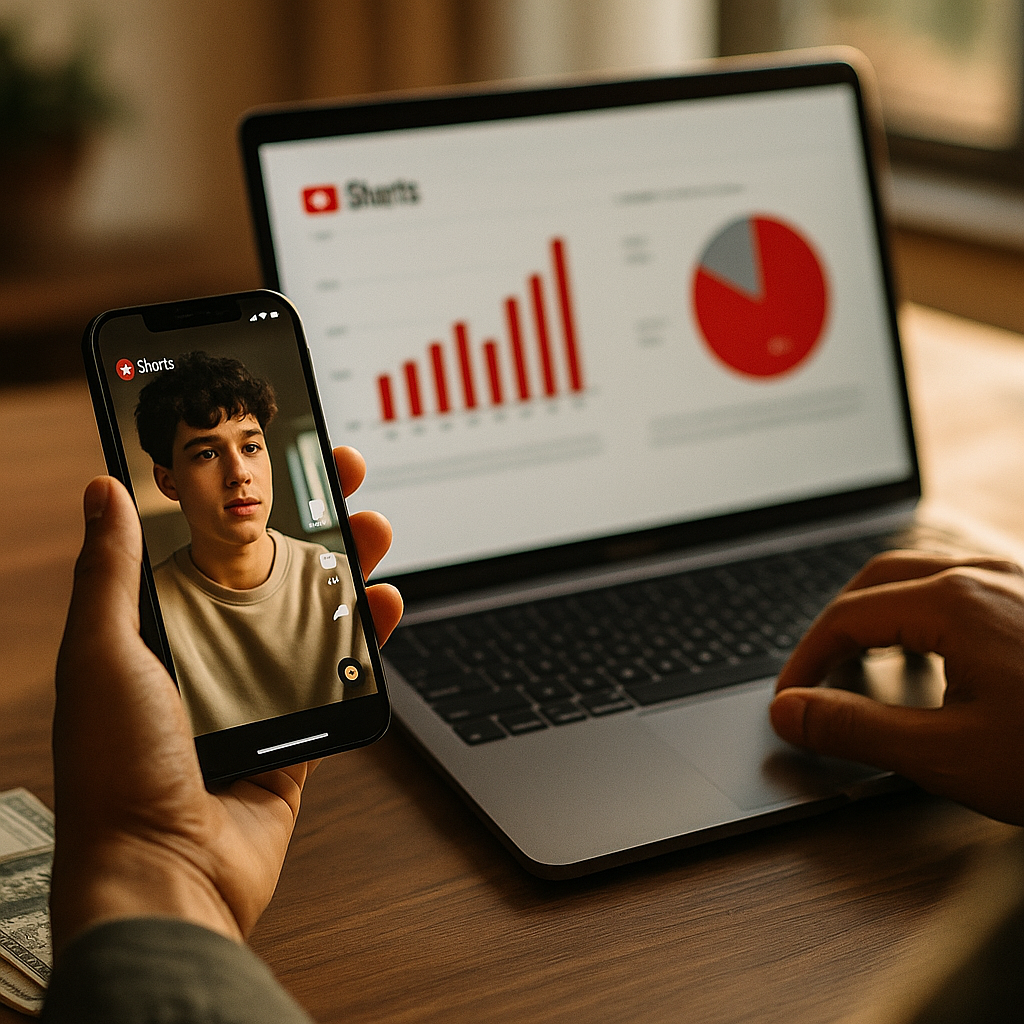
Short form video consolidation is no longer a theory, it’s a budget line. Several major CPG and DTC brands have quietly cut TikTok and Instagram Reels allocations by double digits this year while pushing more dollars into YouTube Shorts. Why would marketers walk away from the platform that arguably invented viral short-form content? Because fragmented reach without unified measurement stopped paying off.
The Fragmentation Tax Nobody Budgeted For
Every platform promised the same thing: scale, discovery, and a direct line to Gen Z wallets. What brands actually got was five different content specs, five different creator rate cards, and five different dashboards that never agreed on what a “view” meant.
Run a campaign across TikTok, Reels, Shorts, Snapchat Spotlight, and Pinterest idea pins simultaneously, and you’re not running one campaign. You’re running five, each with its own creative brief, its own compliance review, and its own reporting cadence. The operational overhead compounds fast. A mid-sized brand team managing multi-platform creator programs can burn 30% more hours on coordination alone compared to a single-platform strategy, according to workflow data cited by Sprout Social.
Fragmentation doesn’t just dilute reach, it multiplies the cost of proving that reach mattered in the first place.
That’s the quiet math driving the shift. Brands aren’t abandoning short-form video. They’re consolidating it under one roof where the analytics, the ad infrastructure, and the payout systems already talk to each other.
Why YouTube Won the Consolidation Argument
YouTube didn’t win by being the flashiest short-form app. It won by being the one platform where short-form content sits inside a bigger, already-monetized ecosystem. Shorts now reportedly generate over 200 billion daily views globally, but the more important number for brand strategists is retention: a viewer who watches a Short can be immediately funneled into a long-form video, a live stream, or a shoppable product shelf, all inside the same app, same login, same measurement stack.
That matters because attribution has become the single biggest headache in influencer marketing. Our coverage of YouTube’s economic footprint showed how the platform has positioned itself as an economic engine, not just a content library, and that positioning is exactly what CFOs want to hear when they’re signing off on creator budgets.
Compare that to TikTok, where regulatory uncertainty in the US market has made some enterprise brands nervous about long-term budget commitments. Even as TikTok Shop continues to post strong GMV numbers, brand safety teams are hedging by diversifying platform risk, and YouTube’s Alphabet backing offers a stability story TikTok simply can’t match right now.
Google’s Ad Stack Is the Real Differentiator
Here’s the part that gets underplayed in most trend pieces: YouTube Shorts isn’t just a content format, it’s plugged into Google Ads, Performance Max, and first-party data signals that most other short-form apps can’t replicate. A brand running Shorts campaigns can layer creator content directly into the same bidding infrastructure used for search and display, which means media buyers finally get apples-to-apples comparison across formats.
That single fact is quietly reshaping how agencies pitch creator strategy. Instead of treating influencer spend as a separate line item from paid media, brands are folding it into unified media plans measured against the same KPIs, a shift we’ve tracked in how influencer acquisition is moving in-house alongside performance marketing teams.
What This Means for Creator Rate Cards
Consolidation isn’t just a platform story, it’s reshaping how creators get paid. When budgets concentrate on one channel, the negotiating dynamics shift too.
- Creators with strong YouTube Shorts performance history are commanding premium rates over multi-platform generalists.
- Long-form to Shorts crossover talent (creators who can repurpose a single shoot into both formats) are seeing higher retainer offers.
- Agencies are renegotiating deal structures to tie payment tiers to YouTube-specific watch time and subscriber conversion, not vanity view counts.
This aligns with a broader trend we’ve documented around deal structure literacy, where brands that understand platform-specific payout mechanics are extracting far more leverage in creator negotiations than those still using flat, platform-agnostic rate cards.
Is This Actually About Measurement, Not Reach?
Reach was never the bottleneck. Every major short-form platform can put a video in front of millions of eyeballs. The bottleneck has always been proving what happened after the view.
TikTok’s attribution tools have improved, but they still largely live in a walled garden that doesn’t reconcile cleanly with cross-channel analytics platforms. YouTube, by contrast, benefits from decades of Google Analytics integration, server-side conversion tracking, and a search relationship that lets brands trace a creator video to an actual purchase path with far less guesswork.
That’s a big deal in an environment where finance teams are auditing creator spend line by line. Our reporting on how creator spend now faces CFO-level scrutiny makes clear that platforms unable to demonstrate clean attribution paths are going to keep losing budget share, regardless of how much organic buzz they generate.
Brands aren’t choosing YouTube because it’s trendy. They’re choosing it because it’s the one platform where a marketing director can defend the spend in a budget review without hand-waving.
The Operational Case: One Platform, Fewer Fires
Ask any creator ops manager what keeps them up at night, and “platform sprawl” ranks near the top. Managing content approvals, usage rights, and disclosure compliance across five apps means five sets of policies to track, and five ways for something to go wrong.
Consolidating on YouTube simplifies the compliance load significantly. The platform’s disclosure tools align closely with FTC endorsement guidelines, and its content ID and rights management systems are more mature than most competing short-form apps. For legal and brand safety teams, fewer platforms mean fewer edge cases to monitor, which reduces the odds of a compliance misstep turning into a headline.
That operational simplicity is showing up in hiring patterns too. Companies building permanent creator teams, as we covered in the piece on Google, Coty, and TP-Link’s hiring spree, are structuring those roles around consolidated platform expertise rather than generalist social media management. It’s cheaper to build deep YouTube expertise on staff than to maintain shallow competency across six different apps.
But Isn’t Fragmentation Still Good for Discovery?
Fair pushback. TikTok’s discovery algorithm remains genuinely excellent at surfacing niche content to cold audiences, and Reels still delivers strong reach for younger demographics in specific verticals. Nobody’s arguing brands should go all-in on one platform and ignore everything else.
The real shift is about where the *majority* of budget lives, not total exclusivity. Smart brands are keeping a discovery presence on TikTok and Reels for top-of-funnel awareness, then concentrating the bulk of paid creator spend, retainer deals, and long-term partnerships on YouTube, where the measurement and monetization infrastructure justifies bigger commitments. That’s a portfolio approach, not a platform monogamy pledge.
Industry data from eMarketer and Statista both point to the same pattern: ad spend growth on YouTube Shorts is outpacing growth on competing short-form formats among mid-market and enterprise advertisers, even as overall short-form video ad spend rises across the board.
What Brands Should Actually Do About It
If you’re managing a creator budget right now, the consolidation trend isn’t a reason to panic-migrate everything to one platform overnight. It’s a reason to audit where your measurement is actually reliable versus where you’re flying on vibes and view counts.
Start by mapping which platform gives you the cleanest line from creator content to a business outcome you can defend internally. For most brands running consideration or conversion campaigns, that’s increasingly YouTube. For pure awareness plays targeting the youngest demographics, TikTok and Reels still earn their keep. The mistake is treating every platform as equally deserving of equal spend just because it exists.
This mirrors a broader industry reckoning around scalability that we explored in creator ROI being solved while operational scalability lags. The math on individual campaigns often works. The problem is running that math reliably across five platforms at once. Consolidation solves the operational problem even when the individual campaign ROI looks similar across channels.
Next step: Pull your last two quarters of creator spend by platform, then match each dollar against a hard conversion metric, not views or engagement rate. Wherever the line from spend to revenue is blurriest, that’s your fragmentation tax, and it’s probably bigger than you think.
Frequently Asked Questions
Why are brands shifting creator budgets to YouTube instead of TikTok or Instagram Reels?
Brands are consolidating spend on YouTube because it offers tighter attribution through Google’s advertising infrastructure, more stable long-term platform economics, and lower operational overhead compared to managing creator campaigns across multiple fragmented short-form apps.
Does this mean TikTok and Reels are losing relevance for influencer marketing?
Not entirely. TikTok and Reels remain strong for top-of-funnel discovery and reaching younger audiences. The shift is about where the majority of paid creator budget and long-term retainer deals are concentrated, not total abandonment of other platforms.
What makes YouTube Shorts easier to measure than other short-form formats?
YouTube Shorts benefits from integration with Google Analytics, Google Ads bidding infrastructure, and first-party conversion tracking, which lets brands trace creator content to actual business outcomes more reliably than platforms operating as closed walled gardens.
How does platform consolidation affect creator rate cards?
Creators with strong YouTube Shorts performance and crossover ability between long-form and short-form content are commanding premium rates, while brands are renegotiating deal structures to tie payment to watch time and conversion rather than raw view counts.
Is short-form video consolidation a permanent shift or a temporary trend?
It reflects a structural response to measurement and compliance demands from finance and legal teams, not a passing fad. As long as CFO-level scrutiny of creator spend continues to grow, platforms with strong attribution infrastructure will continue capturing a larger share of budgets.
Top Influencer Marketing Agencies
The leading agencies shaping influencer marketing in 2026
Agencies ranked by campaign performance, client diversity, platform expertise, proven ROI, industry recognition, and client satisfaction. Assessed through verified case studies, reviews, and industry consultations.
Moburst

-
2

The Shelf
Boutique Beauty & Lifestyle Influencer AgencyA data-driven boutique agency specializing exclusively in beauty, wellness, and lifestyle influencer campaigns on Instagram and TikTok. Best for brands already focused on the beauty/personal care space that need curated, aesthetic-driven content.Clients: Pepsi, The Honest Company, Hims, Elf Cosmetics, Pure LeafVisit The Shelf → -
3

Audiencly
Niche Gaming & Esports Influencer AgencyA specialized agency focused exclusively on gaming and esports creators on YouTube, Twitch, and TikTok. Ideal if your campaign is 100% gaming-focused — from game launches to hardware and esports events.Clients: Epic Games, NordVPN, Ubisoft, Wargaming, Tencent GamesVisit Audiencly → -
4

Viral Nation
Global Influencer Marketing & Talent AgencyA dual talent management and marketing agency with proprietary brand safety tools and a global creator network spanning nano-influencers to celebrities across all major platforms.Clients: Meta, Activision Blizzard, Energizer, Aston Martin, WalmartVisit Viral Nation → -
5

The Influencer Marketing Factory
TikTok, Instagram & YouTube CampaignsA full-service agency with strong TikTok expertise, offering end-to-end campaign management from influencer discovery through performance reporting with a focus on platform-native content.Clients: Google, Snapchat, Universal Music, Bumble, YelpVisit TIMF → -
6

NeoReach
Enterprise Analytics & Influencer CampaignsAn enterprise-focused agency combining managed campaigns with a powerful self-service data platform for influencer search, audience analytics, and attribution modeling.Clients: Amazon, Airbnb, Netflix, Honda, The New York TimesVisit NeoReach → -
7

Ubiquitous
Creator-First Marketing PlatformA tech-driven platform combining self-service tools with managed campaign options, emphasizing speed and scalability for brands managing multiple influencer relationships.Clients: Lyft, Disney, Target, American Eagle, NetflixVisit Ubiquitous → -
8

Obviously
Scalable Enterprise Influencer CampaignsA tech-enabled agency built for high-volume campaigns, coordinating hundreds of creators simultaneously with end-to-end logistics, content rights management, and product seeding.Clients: Google, Ulta Beauty, Converse, AmazonVisit Obviously →