


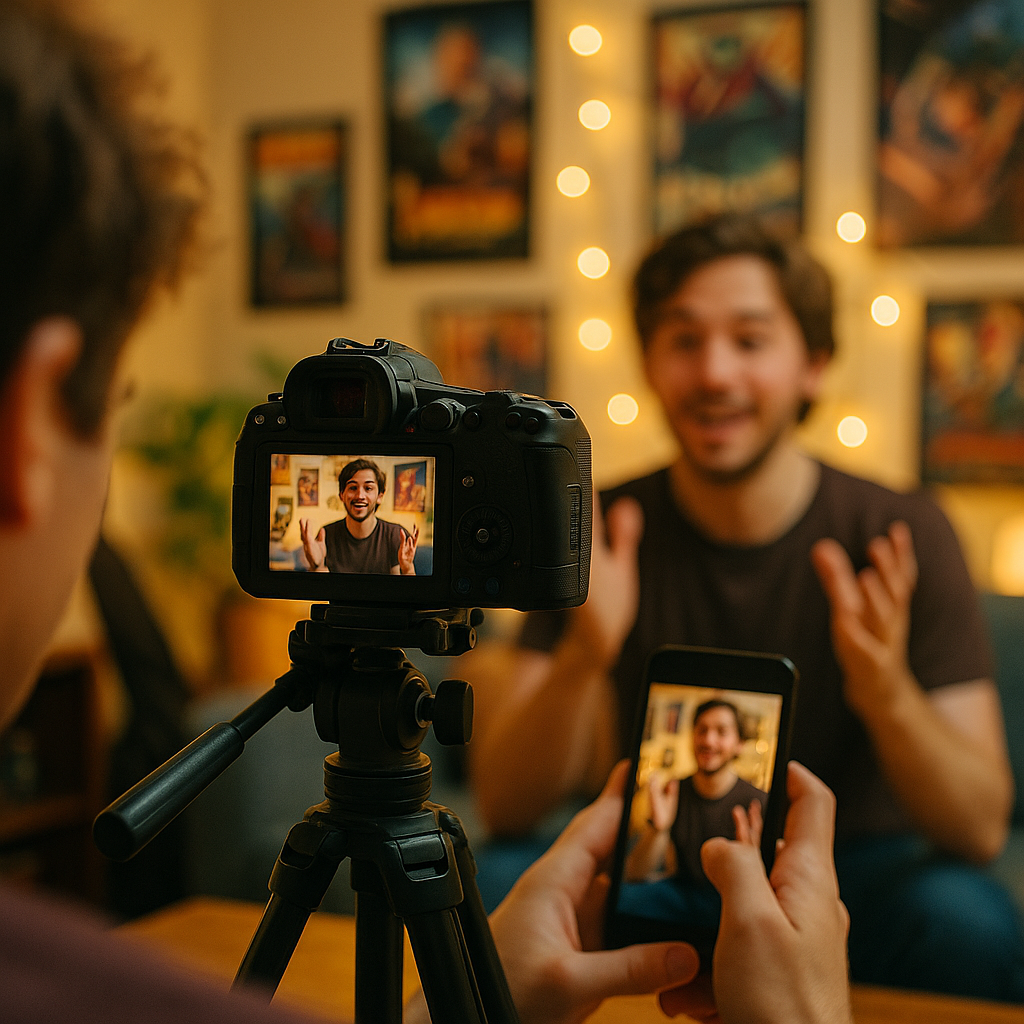
Ninety five percent of a creator’s audience will forget them within a week of the algorithm losing interest. That is not a guess, it is the brutal math of platforms optimized for novelty over loyalty. A fandom building video series flips that math by treating creator content less like a stream of one off posts and more like a show with a returning audience. If your influencer program is still measuring success by single video reach, you are building on sand.
Why One Off Content Cannot Build Fandom
Reach is rented. Fandom is owned. Brands that pour budget into isolated brand deals, one video here, one collab there, keep resetting to zero with every campaign. There is no accumulated context, no inside jokes, no “wait for part three” tension that makes someone open the app specifically to check on a creator’s next move.
Fandom building requires structure. It needs a recurring cast, a recognizable format, and a promise the audience can rely on. Think of it the way television networks think of a season order, not a single commercial. That shift in mindset is the entire brief.
A single viral video earns attention. A serialized format earns anticipation, and anticipation is the closest thing marketing has to guaranteed return traffic.
What Fandom Building Video Series Actually Means
A fandom building video series is a scripted or semi-scripted cadence of episodic creator content, released on a predictable schedule, built around a consistent premise (a challenge, a rivalry, a transformation arc, a recurring guest slot) that trains viewers to expect and seek out the next installment. It borrows narrative mechanics from serialized TV and podcasting, then compresses them into short and mid form video native to TikTok, YouTube, and Instagram.
This is different from a content calendar. A calendar schedules posts. A series builds a world. The distinction matters when you are briefing creators, because “post three times a week” produces noise, while “deliver episode four of the ongoing series” produces a narrative the audience tracks.
The Core Ingredients Brands Need in the Brief
- A hook premise that survives repetition. Something simple enough to repeat weekly without feeling stale, like a recurring product test, a rotating guest challenge, or an ongoing personal journey.
- A visual or audio signature. A consistent intro card, sound cue, or catchphrase that acts as a mnemonic device, the same way a theme song cues a TV audience.
- A cliffhanger or forward hook. Every episode should tease the next one. This is the single highest leverage tactic for series retention and is criminally underused in branded content.
- A cast, not just a creator. Recurring side characters, whether that is a co-host, a rotating panel of micro creators, or even a recurring product mascot, give the audience relationships to track.
- A release rhythm the audience can set a clock to. Weekly beats sporadic, every time.
Building the Retention Loop, Not the Reach Spike
Marketers trained on performance media default to optimizing for the first watch. Fandom building optimizes for the second, third, and tenth watch. That requires a different measurement stack entirely: repeat viewer rate, subscriber conversion per episode, and comment sentiment tracking across the arc rather than per post.
Sprout Social’s own research on audience engagement consistently shows that consistency and recognizability outperform one off virality for long term brand lift, which is exactly why platforms increasingly reward accounts with predictable posting cadences in their recommendation systems. If you want a deeper look at how recurring formats convert casual scrollers into subscribers, the serialized creator series brief breaks down the specific pacing techniques that keep repeat viewers coming back episode over episode.
Brands should also connect this to the top of funnel. A fandom series does not replace discovery content, it captures the attention discovery content generates. Pairing broad reach formats like interest graph product reels with a serialized retention format gives you both the net and the tank.
Casting the Right Creator for a Long Arc
Not every creator can carry a series. Viral one hit creators are often built for spike content, big hooks, fast payoff, no need for audience memory. Series creators need a different skill set: consistency of voice, comfort with recurring characters or bits, and the discipline to hit a release schedule for months, not weeks.
Vet for this specifically. Ask candidates about their longest running recurring segment and how their retention metrics behaved over that run. A creator who can point to a six month recurring series with stable or growing repeat viewership is a fundamentally safer long term bet than one with a single 20 million view outlier and nothing else to show for consistency.
Format Mechanics: What the Episodes Should Actually Look Like
Structure matters more than polish here. A fandom series does not need cinematic production value, it needs narrative discipline. Most successful branded series follow a three act micro structure inside each episode:
- Cold open (0-3 seconds). A callback to last episode or a direct tease of this one’s payoff. No slow intros, ever.
- Body (the bulk of runtime). The actual challenge, review, story beat, or interaction that delivers the episode’s core value.
- Forward hook (final 5-10 seconds). A direct tease of next episode’s premise, ideally with a visual or verbal cliffhanger.
This structure pairs well with production efficiency tools. Teams running weekly series at scale often lean on speed edit templates to keep the visual signature consistent without re-inventing the edit every week, which matters enormously when you are trying to protect a recognizable format across dozens of episodes and multiple editors.
Where Should the Series Live?
Platform choice shapes format mechanics. YouTube rewards longer arcs and subscriber logic natively, TikTok rewards frequency and rewatch behavior, Instagram rewards saves and DMs around recurring bits. Most fandom series work best distributed across at least two platforms with format adapted per channel rather than a single cut reposted everywhere.
If your series has legs beyond social, consider a living room cut. CTV consumption of creator content is rising fast, and a series with real narrative arcs translates well to bigger screens because it rewards the sustained attention that CTV audiences give. The CTV reformat playbook covers what needs to change technically and narratively when a short form series graduates to a bigger screen.
The brands winning creator fandom are not the ones with the biggest single video. They are the ones whose audience can tell you what happens next before they even watch.
Measurement: Prove It Is Working Before You Scale It
Fandom building requires patience, but that does not mean it should be unmeasured. Set a baseline in episode one through three, then track delta by episode four through eight. Key signals to watch:
- Repeat viewer percentage (how many viewers of episode three also watched episode two).
- Subscriber or follow conversion rate per episode, which tends to climb noticeably once an audience senses a pattern worth following.
- Comment recall, meaning viewers referencing earlier episodes unprompted. This is the clearest qualitative signal that fandom is forming rather than just reach accumulating.
- Search and direct traffic to the series, since fans who actively seek out “episode 5” via search are exhibiting behavior no algorithm gifted you.
Statista’s creator economy tracking shows watch time per session climbing fastest among channels with recognizable recurring formats, reinforcing that structure, not spontaneity, is what compounds. Marketers who want a broader lens on how multiple formats reinforce a single fandom goal should review the multi format fandom strategy approach, which maps how a series fits alongside other funnel stages rather than existing in isolation.
Common Mistakes That Kill a Promising Series
Most fandom series fail not because the premise was weak, but because the operational discipline collapsed after episode five or six. Watch for these failure patterns:
- Inconsistent release timing. A “weekly” series that ships every 9 to 12 days quietly trains the audience to stop expecting it.
- Format drift. Swapping the intro, the structure, or the host too early erodes the recognizability that made the series work.
- No recap for new viewers. Every episode should be watchable cold in under 15 seconds of context, or you cap your growth to only existing fans.
- Treating it as a media buy instead of a show. Series need a showrunner mentality, someone accountable for the arc, not just a media planner tracking spend.
On the compliance side, recurring branded content still requires consistent disclosure per episode, not just at series launch. The FTC’s endorsement guidance applies to every installment of a paid series, and platforms are getting stricter about flagging inconsistent disclosure across a creator’s content history. Build disclosure into the format template itself so it never gets forgotten under deadline pressure.
Budgeting for the Long Game
Series budgets should be structured differently than campaign budgets. Instead of front loading spend on launch, allocate more evenly across the arc, with a slight increase around episodes four through six when repeat viewership data tells you whether to extend or sunset. This is also the point to decide whether to add a UGC layer, inviting fans to submit reaction content or remixes that extend the world beyond the core creator’s output. Reaction content briefs are a useful reference for setting guardrails on fan generated additions without losing quality control.
HubSpot’s content marketing benchmarks consistently show that recurring, familiar formats generate lower cost per engagement over time compared to one off pushes, largely because production efficiency improves with repetition and audience trust compounds rather than resets. That combination, cheaper to produce, more valuable per view, is the actual business case for fandom building, beyond the softer brand loyalty argument.
Getting Buy In From Leadership
Series thinking is a harder sell internally than a splashy one off campaign, because the payoff is not immediate. Frame it in terms leadership already respects: customer lifetime value, retention cost curves, and owned audience equity that survives algorithm changes. A fandom is an asset you can move across platforms. A viral spike is a moment you cannot repeat on command.
Pilot small. Three to five episodes, one platform, clear success metrics agreed before launch. If repeat viewer rate climbs and comment recall shows up organically, you have your business case for a full season order.
Next step: pick one creator relationship you already trust, draft a five episode arc with a genuine cliffhanger structure, and measure repeat viewer rate before you commit to a full season. That single test will tell you more about fandom potential than another quarter of one off content ever could.
Frequently Asked Questions
What makes a video series different from a regular content calendar?
A content calendar schedules independent posts. A fandom building video series connects episodes through a recurring premise, cast, and cliffhanger structure so the audience actively anticipates the next installment rather than encountering each post cold.
How many episodes should a pilot fandom series run before evaluating results?
Most practitioners recommend five to eight episodes minimum, since repeat viewer patterns and comment recall usually only become statistically meaningful after the audience has had multiple chances to return.
Which platforms work best for fandom building series?
YouTube favors longer narrative arcs and subscriber logic, TikTok rewards frequency and rewatch behavior, and Instagram favors saves around recurring bits. Many brands run the same series across two platforms with format adapted per channel.
Do fandom series require a single dedicated creator?
No. Series can rotate guest creators around a fixed host, or feature a rotating panel, as long as a consistent visual signature and premise anchor the format so the audience still recognizes it as one continuous show.
How do you measure whether a series is actually building fandom?
Track repeat viewer percentage between episodes, subscriber or follow conversion per episode, and unprompted comment references to earlier installments. Rising numbers across all three indicate real fandom formation rather than isolated reach.
What is the biggest reason branded video series fail?
Inconsistent release timing and format drift are the most common causes. Once an audience senses the schedule or structure is unreliable, they stop actively seeking out new episodes and the series collapses back into one off content.
Top Influencer Marketing Agencies
The leading agencies shaping influencer marketing in 2026
Agencies ranked by campaign performance, client diversity, platform expertise, proven ROI, industry recognition, and client satisfaction. Assessed through verified case studies, reviews, and industry consultations.
Moburst

-
2

The Shelf
Boutique Beauty & Lifestyle Influencer AgencyA data-driven boutique agency specializing exclusively in beauty, wellness, and lifestyle influencer campaigns on Instagram and TikTok. Best for brands already focused on the beauty/personal care space that need curated, aesthetic-driven content.Clients: Pepsi, The Honest Company, Hims, Elf Cosmetics, Pure LeafVisit The Shelf → -
3

Audiencly
Niche Gaming & Esports Influencer AgencyA specialized agency focused exclusively on gaming and esports creators on YouTube, Twitch, and TikTok. Ideal if your campaign is 100% gaming-focused — from game launches to hardware and esports events.Clients: Epic Games, NordVPN, Ubisoft, Wargaming, Tencent GamesVisit Audiencly → -
4

Viral Nation
Global Influencer Marketing & Talent AgencyA dual talent management and marketing agency with proprietary brand safety tools and a global creator network spanning nano-influencers to celebrities across all major platforms.Clients: Meta, Activision Blizzard, Energizer, Aston Martin, WalmartVisit Viral Nation → -
5

The Influencer Marketing Factory
TikTok, Instagram & YouTube CampaignsA full-service agency with strong TikTok expertise, offering end-to-end campaign management from influencer discovery through performance reporting with a focus on platform-native content.Clients: Google, Snapchat, Universal Music, Bumble, YelpVisit TIMF → -
6

NeoReach
Enterprise Analytics & Influencer CampaignsAn enterprise-focused agency combining managed campaigns with a powerful self-service data platform for influencer search, audience analytics, and attribution modeling.Clients: Amazon, Airbnb, Netflix, Honda, The New York TimesVisit NeoReach → -
7

Ubiquitous
Creator-First Marketing PlatformA tech-driven platform combining self-service tools with managed campaign options, emphasizing speed and scalability for brands managing multiple influencer relationships.Clients: Lyft, Disney, Target, American Eagle, NetflixVisit Ubiquitous → -
8

Obviously
Scalable Enterprise Influencer CampaignsA tech-enabled agency built for high-volume campaigns, coordinating hundreds of creators simultaneously with end-to-end logistics, content rights management, and product seeding.Clients: Google, Ulta Beauty, Converse, AmazonVisit Obviously →