


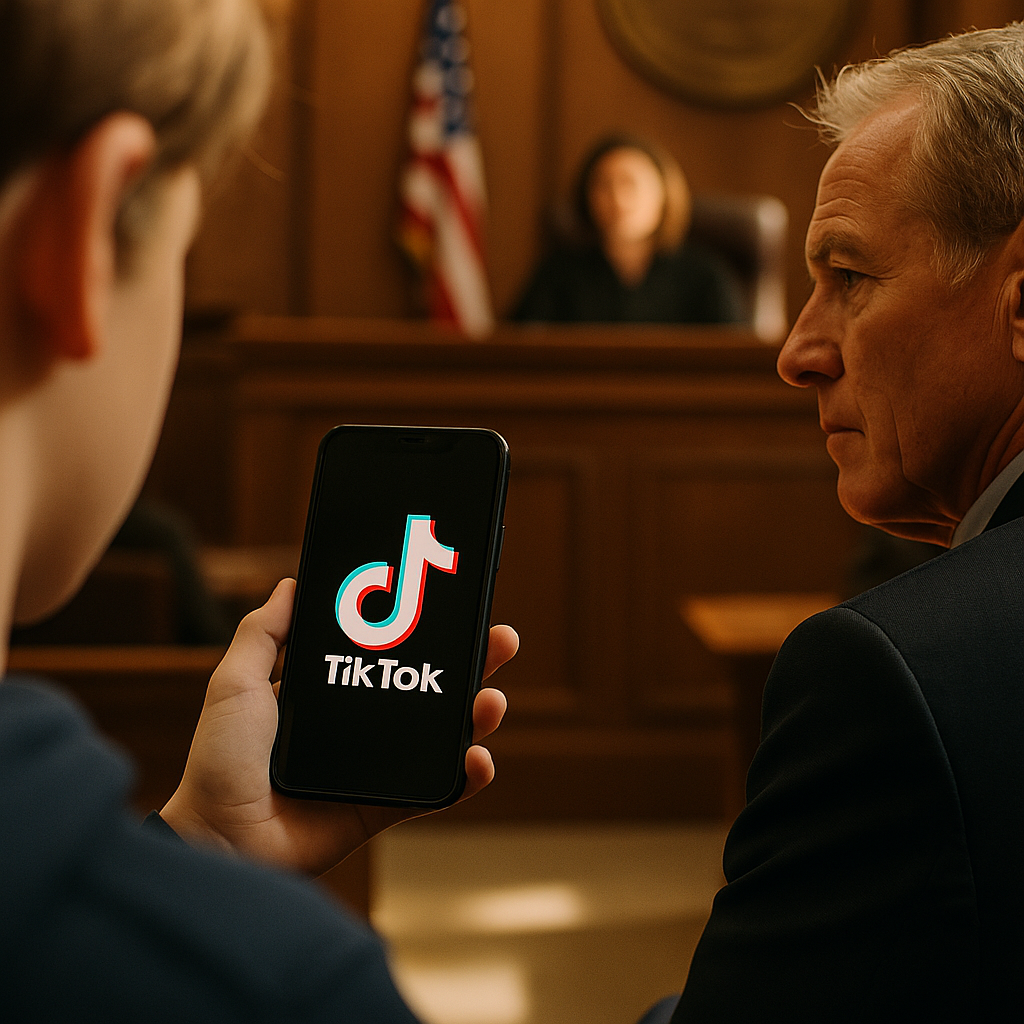
A federal judge just told the FTC and TikTok their $400 million settlement wasn’t good enough. That’s not a rounding error, it’s a signal that regulators and courts think child-data violations on the platform run deeper than a check-writing exercise can fix. If you’re running influencer campaigns that touch TikTok, the FTC TikTok settlement rejection should be sitting near the top of your risk register right now.
What Actually Happened in Court
The proposed settlement would have resolved long-running allegations that TikTok violated the Children’s Online Privacy Protection Act (COPPA) by collecting data from users under 13 without verifiable parental consent. On paper, $400 million sounds like a serious penalty. The judge disagreed, finding that the consent decree’s terms didn’t adequately address the scope of the violations or guarantee lasting behavioral change at the platform level.
That’s an unusual move. Courts typically defer to negotiated settlements between agencies and defendants, especially when both sides have already agreed to terms. A rejection means the judge saw something in the underlying conduct, or the remedy, that didn’t match the scale of harm alleged. For brands, that’s the part that matters more than the dollar figure.
A rejected settlement isn’t a paperwork delay. It’s a court saying the platform’s data practices around minors may require more scrutiny, not less, and that scrutiny doesn’t stop at the platform’s front door.
Why This Isn’t Just TikTok’s Problem
Here’s the uncomfortable truth: brands running creator campaigns on TikTok are downstream participants in whatever data collection happens during that campaign. If a branded challenge, hashtag campaign, or TikTok Shop drop attracts an under-13 audience and the platform’s age-verification gates fail, the FTC has shown it will look past the platform to the advertisers who benefited from the reach.
The agency’s COPPA enforcement history backs this up. The FTC has pursued advertisers and ad networks directly in prior children’s privacy cases, not just the platforms hosting the content. A brand that ran a campaign knowing (or reasonably should have known) it skewed toward a young audience doesn’t get to hide behind “TikTok’s terms of service.”
This is where a lot of marketing teams get caught flat-footed. Campaign briefs rarely include a COPPA risk assessment. Media buyers optimize for engagement and reach, not for whether the audience composition triggers federal child-privacy statutes. That gap is exactly what regulators are now testing.
The Data Behind the Risk
TikTok’s own reported user base skews younger than most legacy platforms, and third-party research from firms like eMarketer has repeatedly flagged the platform’s outsized share of teen and pre-teen engagement compared to Instagram or Snapchat. Statista data on social platform demographics tells a similar story: TikTok’s audience concentration among users under 18 is higher than most brands account for in their media planning.
That demographic reality doesn’t automatically create liability. But it does mean any brand running influencer or paid content on TikTok is operating in a space where age misrepresentation is statistically more likely, not less.
Where COPPA Exposure Actually Lives in a Campaign
COPPA violations aren’t abstract legal theory. They show up in specific, identifiable places inside a typical influencer program:
- Creator audience mismatches. A creator’s stated demographic in their media kit doesn’t match their actual follower composition, and nobody on the brand side verified it.
- UGC contests and challenges. Branded hashtag challenges that collect user-submitted video content, especially those with no age gate, are prime COPPA exposure points.
- Retargeting and lookalike audiences. If campaign data feeds into ad targeting systems and that data includes minors, you’ve got a second, separate compliance problem layered on top.
- TikTok Shop affiliate drops. Commerce-linked content that collects purchase or contact data from underage users adds a data-retention dimension regulators have shown they’ll scrutinize.
None of these require malicious intent to become a problem. Most COPPA cases involve companies that simply didn’t build verification into the workflow. That’s a process failure, not a moral one, but the FTC doesn’t grade on intent.
How Brands Should Respond Right Now
Waiting for the FTC and TikTok to settle round two isn’t a strategy. The judge’s rejection means this case is going to drag on, and the uncertainty period is exactly when brands should be tightening their own house.
Start with an honest audit of where your TikTok campaigns intersect with minors. That means reviewing creator audience data, not just accepting the numbers a talent agency hands you. It means checking whether your branded UGC campaigns have any age-gating mechanism at all. And it means revisiting your data retention practices for anything collected through TikTok Shop or contest entries, since content retention policies tied to FTC audits are increasingly relevant to how long you’re holding onto exposure.
If your legal team hasn’t reviewed your TikTok creator contracts for age-verification language in the past twelve months, assume they’re out of date.
Creator vetting deserves its own line item here. Platforms like TikTok’s own creator vetting network exist precisely because brands have struggled to verify who they’re actually working with, and what audience those creators genuinely reach. Layering that vetting on top of your own age verification requirements gives you a defensible paper trail if the FTC comes asking.
Contracts Are Your First Line of Defense
Every influencer agreement touching TikTok should include explicit representations from the creator about their audience demographics and any known compliance issues. That’s not boilerplate, that’s your indemnification hook if a creator misrepresents their following and it later triggers a COPPA claim. Pair that with a broader UGC rights audit so you know exactly what content you own, what data came attached to it, and how long you’re legally allowed to hold it.
If your commerce campaigns run through TikTok Shop, the disclosure and liability questions compound quickly. Brands have already learned the hard way that commission structures carry FTC risk that doesn’t disappear just because a creator technically made the sale. COPPA exposure sits right alongside that liability, not separate from it.
What Happens Next in the Legal Process
The judge’s rejection sends the case back to negotiation, likely with instructions about what a revised settlement needs to include. Expect either a significantly larger penalty, more invasive compliance monitoring requirements, or both. Some legal analysts following the case suggest the court may push for structural changes to how TikTok verifies user age at signup, not just after-the-fact penalties.
For brands, the practical upshot is a longer window of regulatory uncertainty. That’s actually the riskiest period, because enforcement priorities tend to sharpen right after a high-profile rejection like this one. The FTC doesn’t want to look weak twice.
None of this means brands should pull off TikTok. The platform remains too significant a commerce and discovery channel to abandon over a pending settlement dispute. But it does mean the casual approach many teams have taken toward child-data compliance needs to end now, not after the next headline.
Frequently Asked Questions
What is COPPA and why does it apply to influencer marketing?
COPPA (Children’s Online Privacy Protection Act) restricts how companies collect personal data from children under 13 without verifiable parental consent. It applies to influencer marketing whenever a branded campaign, contest, or piece of sponsored content collects data from an audience that includes underage users, regardless of whether the brand intended to reach that demographic.
Can brands be held liable for a platform’s COPPA violations?
Yes. The FTC has a history of pursuing advertisers and ad networks alongside platforms when children’s data is mishandled. If a brand knowingly or negligently ran campaigns that attracted underage audiences without proper safeguards, it can face separate liability from the platform itself.
Why did the judge reject the $400 million TikTok settlement?
The court found the proposed consent decree didn’t sufficiently address the scope of the alleged COPPA violations or guarantee meaningful, lasting changes to TikTok’s data practices around minors. The rejection sends the case back for renegotiation rather than closing it out.
What should brands do while the case is unresolved?
Audit existing TikTok campaigns for age-verification gaps, review creator contracts for demographic representations, tighten data retention policies for any user-submitted content, and confirm that UGC contests or TikTok Shop activations have appropriate age gates in place.
Does this affect brands using TikTok Shop specifically?
Commerce-linked campaigns carry added exposure because they often collect purchase or contact data. If that data comes from underage users without consent, brands face both COPPA and broader FTC disclosure risk tied to the transaction itself.
FAQ Schema
Bottom line: pull your TikTok creator contracts and campaign audience data this week, not next quarter. The settlement rejection guarantees a longer enforcement window, and brands that can’t document age-verification steps will be the easiest targets when it resumes.
Top Influencer Marketing Agencies
The leading agencies shaping influencer marketing in 2026
Agencies ranked by campaign performance, client diversity, platform expertise, proven ROI, industry recognition, and client satisfaction. Assessed through verified case studies, reviews, and industry consultations.
Moburst

-
2

The Shelf
Boutique Beauty & Lifestyle Influencer AgencyA data-driven boutique agency specializing exclusively in beauty, wellness, and lifestyle influencer campaigns on Instagram and TikTok. Best for brands already focused on the beauty/personal care space that need curated, aesthetic-driven content.Clients: Pepsi, The Honest Company, Hims, Elf Cosmetics, Pure LeafVisit The Shelf → -
3

Audiencly
Niche Gaming & Esports Influencer AgencyA specialized agency focused exclusively on gaming and esports creators on YouTube, Twitch, and TikTok. Ideal if your campaign is 100% gaming-focused — from game launches to hardware and esports events.Clients: Epic Games, NordVPN, Ubisoft, Wargaming, Tencent GamesVisit Audiencly → -
4

Viral Nation
Global Influencer Marketing & Talent AgencyA dual talent management and marketing agency with proprietary brand safety tools and a global creator network spanning nano-influencers to celebrities across all major platforms.Clients: Meta, Activision Blizzard, Energizer, Aston Martin, WalmartVisit Viral Nation → -
5

The Influencer Marketing Factory
TikTok, Instagram & YouTube CampaignsA full-service agency with strong TikTok expertise, offering end-to-end campaign management from influencer discovery through performance reporting with a focus on platform-native content.Clients: Google, Snapchat, Universal Music, Bumble, YelpVisit TIMF → -
6

NeoReach
Enterprise Analytics & Influencer CampaignsAn enterprise-focused agency combining managed campaigns with a powerful self-service data platform for influencer search, audience analytics, and attribution modeling.Clients: Amazon, Airbnb, Netflix, Honda, The New York TimesVisit NeoReach → -
7

Ubiquitous
Creator-First Marketing PlatformA tech-driven platform combining self-service tools with managed campaign options, emphasizing speed and scalability for brands managing multiple influencer relationships.Clients: Lyft, Disney, Target, American Eagle, NetflixVisit Ubiquitous → -
8

Obviously
Scalable Enterprise Influencer CampaignsA tech-enabled agency built for high-volume campaigns, coordinating hundreds of creators simultaneously with end-to-end logistics, content rights management, and product seeding.Clients: Google, Ulta Beauty, Converse, AmazonVisit Obviously →