


Non endemic brands now account for a growing share of creator marketing spend outside the categories that invented it. A B2B software company running a TikTok creator program in 2019 would have been laughed out of the boardroom. Today, Salesforce has employee advocates and paid creators posting demo content, Chase runs financial literacy series with finfluencers, and enterprise SaaS vendors treat LinkedIn creators like a media channel. What happened?
The Endemic Ceiling Got Too Small
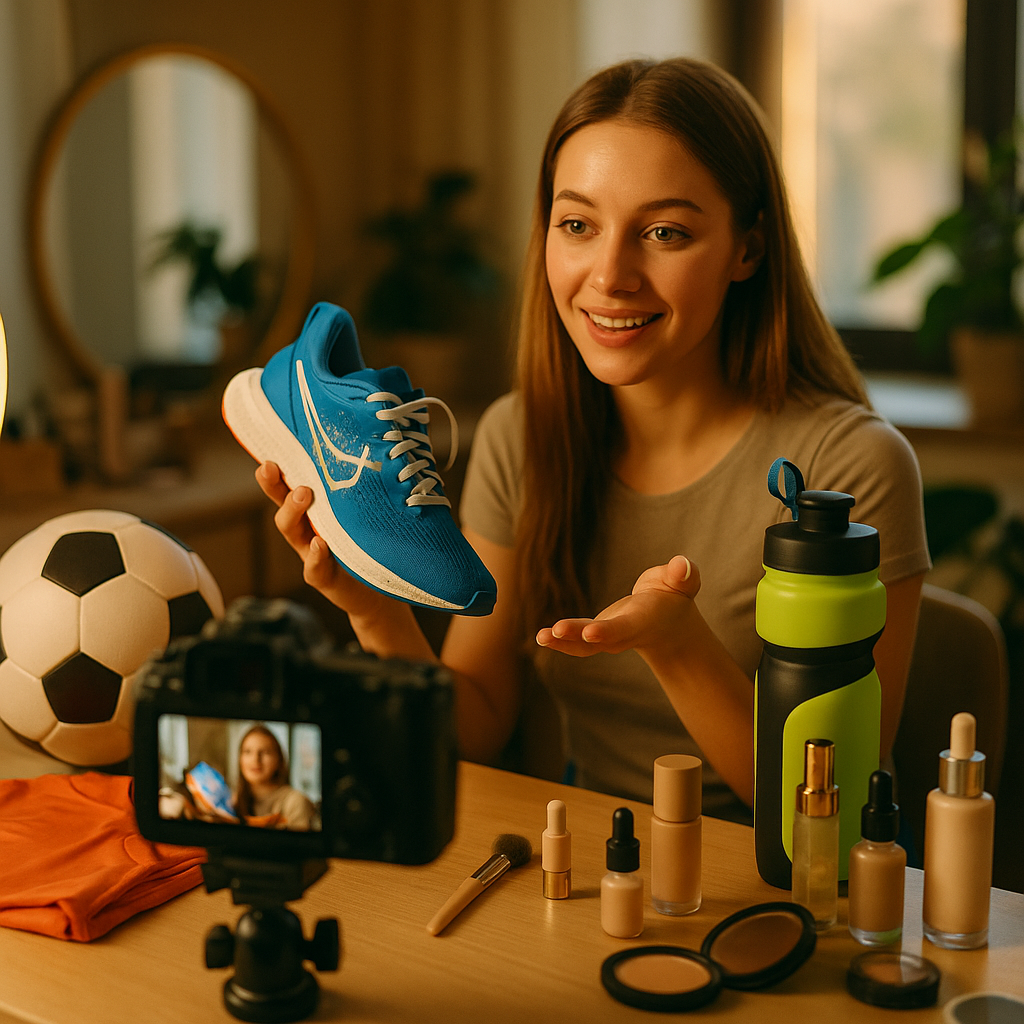
Beauty, fashion, and fitness brands built the influencer playbook. They had obvious visual products, high repeat purchase rates, and audiences who wanted to see a lipstick swatched or a legging stretched. That playbook worked because the product did the talking.
But those categories also hit a ceiling. Rates inflated as competition for the same creator pool intensified, a dynamic covered in depth in our look at CPG rate inflation. Meanwhile, non endemic categories like fintech, enterprise software, insurance, and industrial B2B sat on enormous marketing budgets with almost no creator presence. That gap was too large to ignore.
Non endemic brands aren’t experimenting with creators anymore. They’re building permanent creator ops functions with the same rigor as paid media, because the ROI case has already been proven in adjacent categories.
Why Fintech Became the Proof of Concept
Fintech is the category that made non endemic creator marketing respectable. Products like budgeting apps, investing platforms, and neobanks needed trust more than reach. A 22 year old explaining Roth IRAs on TikTok converts better than a bank’s own paid ad, because the audience already distrusts financial institutions and trusts peers.
Companies like Chime, Cash App, and Robinhood built creator programs specifically around finfluencers who could translate compliance heavy products into plain language. The catch: financial services carries regulatory weight that beauty brands never had to think about. Every claim about returns, fees, or guarantees can trigger scrutiny from the Federal Trade Commission, and firms operating in the UK face parallel obligations under ICO data guidance when creators collect user information for lead generation.
That regulatory pressure forced fintech marketing teams to build something most influencer programs lacked: actual legal review workflows. Creator payment terms, disclosure language, and content approval chains all had to be formalized before a single post went live. Once that infrastructure existed, it became reusable. That’s the quiet reason fintech creator ops now look more mature than programs in categories that have used influencers for a decade.
Salesforce, Not Sephora, Is the New Case Study
B2B software is the second wave. Salesforce, HubSpot, and Adobe have all built creator relationships that look less like sponsored posts and more like media partnerships. The content isn’t “get ready with me,” it’s “here’s how I automated my pipeline reporting in fifteen minutes.”
This works because B2B buyers do enormous amounts of self-directed research before ever talking to sales. LinkedIn creators, YouTube tutorial channels, and niche Slack communities have become de facto product review sites. A software buyer trusts a practitioner walkthrough far more than a polished case study PDF from the vendor.
The operational shift matters here too. Non endemic B2B brands are hiring for the same skills covered in our piece on data fluency in creator hiring, because proving pipeline influence requires marketers who can speak both creator brief and CRM attribution. This isn’t community management anymore. It’s revenue infrastructure, a trend we’ve tracked closely in how job postings reveal the shift to revenue infrastructure.
What Changes When the Product Isn’t Visual
Insurance, healthcare, industrial equipment, legal services: none of these have an obvious visual hook. So how do non endemic brands make creator content work when the product is a spreadsheet or a claims process?
- They sell the outcome, not the object. An insurance creator doesn’t film the policy document, they film the moment a claim got approved fast.
- They lean on explainer formats. Long-form YouTube and LinkedIn carousel breakdowns outperform short viral clips because the buying decision is complex.
- They cast for credibility over reach. A former underwriter with 8,000 followers converts better than a lifestyle creator with 800,000, because trust is the product.
This casting shift mirrors what’s happening broadly across the industry. Follower count is losing its grip as the primary casting metric, as we’ve documented in why roster size hides the real fit problem and in the move toward delivery scoring rubrics replacing follower based briefs. Non endemic brands are simply further along that curve because they never had the luxury of casting on vanity metrics in the first place.
The Operational Debt Non Endemic Brands Inherit
Here’s the part nobody wants to admit: most non endemic brands are building creator ops from scratch, and they’re making the same mistakes endemic brands made a decade ago, just faster and with higher stakes.
Payment terms are a recurring headache. A creator who agrees to a 30 day net payment schedule for a fashion brand shrugs it off. A creator who agrees to the same terms for a fintech client and then has to explain a delayed invoice to their own accountant treats it as a red flag. Slow payment cycles create real legal exposure, a risk we broke down in creator payment delays and legal risk.
Contract complexity is another. Non endemic categories often require compliance riders, data handling clauses, and claim substantiation language that generic influencer agreements never anticipated. Brands scaling creator programs across multiple regulated markets are running into the same wall documented in enterprise creator scaling and legal systems: the legal infrastructure was built for one country, one language, one regulatory regime, and it breaks the moment the program scales.
Attribution Is Harder Without a Purchase Button
Fashion and beauty brands can point to a swipe-up, a shoppable tag, or a promo code and call it a day. Non endemic brands, especially B2B and financial services, often have sales cycles measured in months. So how do you prove a creator video drove a demo request that turned into a six figure contract nine months later?
Most are borrowing multi-touch attribution models from paid media, layering creator touchpoints alongside CRM data. It’s imperfect. Marketing leaders across categories already distrust their own performance data, and non endemic categories with longer sales cycles inherit that skepticism twice over. Tools from platforms tracked by eMarketer and benchmarking data from Statista help, but nothing replaces a marketing team that insists creator spend gets tagged in the same CRM pipeline as every other channel.
If a creator program can’t show up in the same revenue report as paid search, it will get cut the first time budgets tighten. That’s true whether the product is mascara or enterprise middleware.
The Platform Question Looks Different Outside Endemic Categories
Endemic brands built their creator strategy around Instagram and TikTok. Non endemic brands, particularly B2B ones, are finding LinkedIn to be the higher value channel, even though its creator tools are less mature. LinkedIn’s business platform has been steadily building out creator monetization and analytics features specifically because demand from B2B advertisers has surged.
Meta’s ad ecosystem still matters for consumer-facing non endemic brands like insurance and telecom, and Meta’s business tools remain the default for paid amplification of creator content. But the platform mix looks fundamentally different from a beauty brand’s media plan, and budgets are being rebuilt accordingly, a shift consistent with what we’ve seen in martech consolidation forcing bundled pricing renegotiation as marketing stacks absorb creator tooling alongside existing ad platforms.
What This Means for Budget Owners
If you’re a CMO or brand strategist at a non endemic company still treating creator marketing as an experimental line item, the ground has already shifted under you. Competitors in adjacent categories are hiring dedicated creator ops managers, building compliance workflows, and reporting creator influenced pipeline in the same dashboard as SEO and paid media.
The practical next step isn’t finding a viral creator. It’s building the operational scaffolding first: payment terms that don’t scare off professional creators, legal review that accounts for your specific regulatory exposure, and attribution that ties into whatever revenue system your finance team already trusts.
Frequently Asked Questions
What counts as a non endemic brand in influencer marketing?
A non endemic brand is one operating outside categories traditionally associated with influencer content, such as beauty, fashion, and fitness. Examples include software companies, banks, insurers, and industrial suppliers now running creator programs.
Why are B2B companies suddenly investing in creator marketing?
Buyers do extensive independent research before contacting sales, and they trust practitioner content from creators more than vendor produced case studies. Creator content fills that research gap and builds credibility earlier in long B2B sales cycles.
How do non endemic brands measure creator ROI without a shoppable product?
Most layer creator touchpoints into existing CRM and multi-touch attribution models, tracking demo requests, pipeline influence, and eventual closed revenue rather than immediate purchases.
What compliance risks do fintech and healthcare brands face with creators?
Regulated categories must ensure creator content doesn’t make unsubstantiated claims about returns, treatment outcomes, or guarantees, and disclosure requirements are typically stricter than in unregulated consumer categories.
Is LinkedIn replacing Instagram for non endemic creator campaigns?
Not entirely, but LinkedIn has become the primary channel for B2B focused non endemic brands, while Instagram and TikTok remain relevant for consumer-facing non endemic categories like insurance and telecom.
Top Influencer Marketing Agencies
The leading agencies shaping influencer marketing in 2026
Agencies ranked by campaign performance, client diversity, platform expertise, proven ROI, industry recognition, and client satisfaction. Assessed through verified case studies, reviews, and industry consultations.
Moburst

-
2

The Shelf
Boutique Beauty & Lifestyle Influencer AgencyA data-driven boutique agency specializing exclusively in beauty, wellness, and lifestyle influencer campaigns on Instagram and TikTok. Best for brands already focused on the beauty/personal care space that need curated, aesthetic-driven content.Clients: Pepsi, The Honest Company, Hims, Elf Cosmetics, Pure LeafVisit The Shelf → -
3

Audiencly
Niche Gaming & Esports Influencer AgencyA specialized agency focused exclusively on gaming and esports creators on YouTube, Twitch, and TikTok. Ideal if your campaign is 100% gaming-focused — from game launches to hardware and esports events.Clients: Epic Games, NordVPN, Ubisoft, Wargaming, Tencent GamesVisit Audiencly → -
4

Viral Nation
Global Influencer Marketing & Talent AgencyA dual talent management and marketing agency with proprietary brand safety tools and a global creator network spanning nano-influencers to celebrities across all major platforms.Clients: Meta, Activision Blizzard, Energizer, Aston Martin, WalmartVisit Viral Nation → -
5

The Influencer Marketing Factory
TikTok, Instagram & YouTube CampaignsA full-service agency with strong TikTok expertise, offering end-to-end campaign management from influencer discovery through performance reporting with a focus on platform-native content.Clients: Google, Snapchat, Universal Music, Bumble, YelpVisit TIMF → -
6

NeoReach
Enterprise Analytics & Influencer CampaignsAn enterprise-focused agency combining managed campaigns with a powerful self-service data platform for influencer search, audience analytics, and attribution modeling.Clients: Amazon, Airbnb, Netflix, Honda, The New York TimesVisit NeoReach → -
7

Ubiquitous
Creator-First Marketing PlatformA tech-driven platform combining self-service tools with managed campaign options, emphasizing speed and scalability for brands managing multiple influencer relationships.Clients: Lyft, Disney, Target, American Eagle, NetflixVisit Ubiquitous → -
8

Obviously
Scalable Enterprise Influencer CampaignsA tech-enabled agency built for high-volume campaigns, coordinating hundreds of creators simultaneously with end-to-end logistics, content rights management, and product seeding.Clients: Google, Ulta Beauty, Converse, AmazonVisit Obviously →