


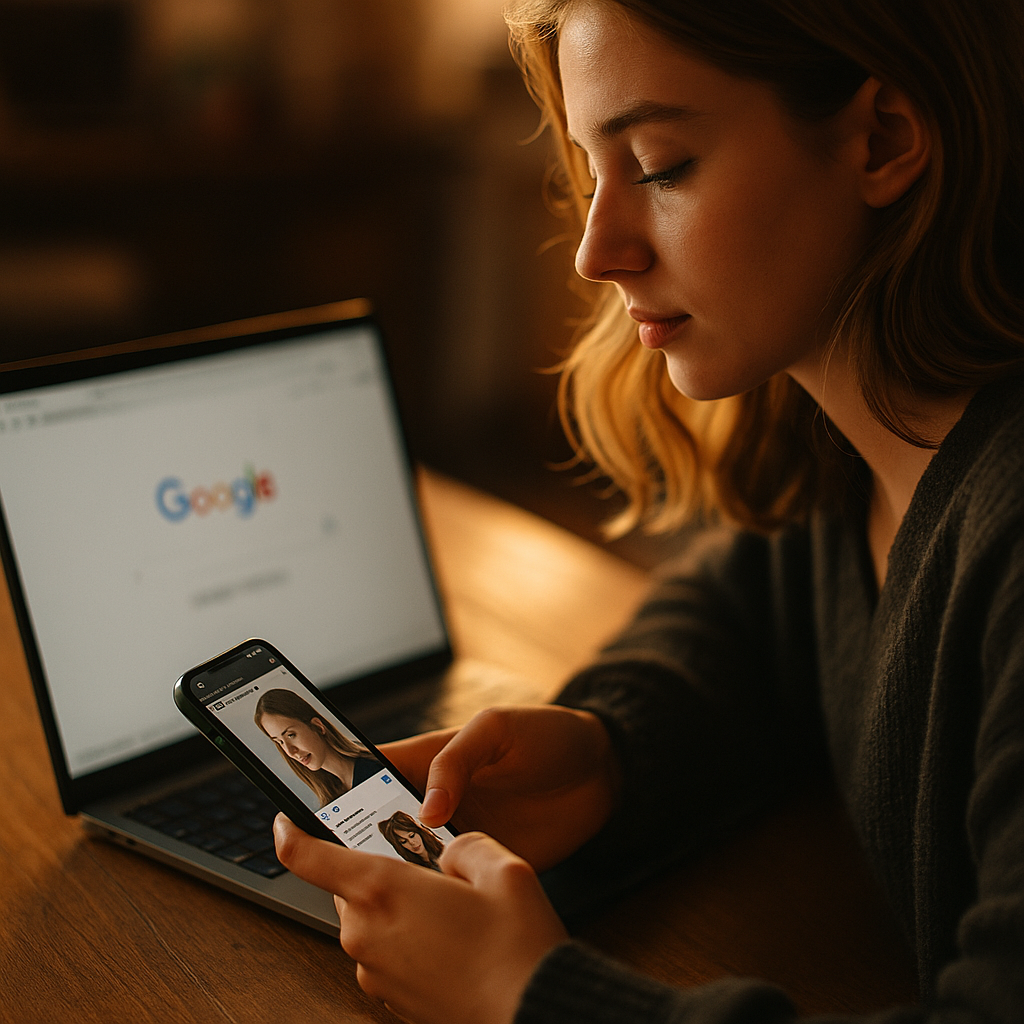
Gen Z is 1.8 times more likely to search TikTok than Google for a product recommendation, according to data cited across multiple eMarketer consumer behavior reports. That single stat should terrify any brand still routing its top of funnel budget through traditional SEO. Creator led discovery has quietly become the entry point for an entire generation of buyers, and search engines are losing the race for their attention. This isn’t a niche shift. It’s a funnel rebuild.
The Numbers Behind the Shift
Search used to be the undisputed starting line. Type a query, scan ten blue links, click through, convert. That model assumed intent came first and discovery followed. Gen Z flips the sequence entirely: discovery happens passively, scrolling a For You page or Reels feed, and intent forms afterward, often before the user ever opens a search bar.
Sprout Social’s consumer research has repeatedly shown that younger audiences trust creator recommendations over branded content and traditional advertising by a wide margin. That trust gap is exactly why a fifteen second video from a niche creator can outperform a page-one Google ranking for driving actual purchase consideration. Search still matters for bottom of funnel validation, price comparison, and reviews. But the spark, the moment a category enters someone’s consideration set, increasingly happens on a creator’s feed.
Search answers questions people already know to ask. Creator led discovery introduces the question in the first place, and that’s a fundamentally different job for a marketing budget to fund.
Why Gen Z Skips the Search Bar
Ask a twenty-two-year-old how they’d research a new skincare routine or a budget laptop, and “I’d Google it” is rarely the first answer anymore. Three things are driving the shift.
- Format fit. Short video compresses proof, personality, and product demo into one scroll-stopping unit. A text-based search result can’t compete on speed of comprehension.
- Trust transfer. A creator who’s been in someone’s feed for months carries earned credibility that a stranger’s SEO-optimized blog post simply doesn’t have.
- Algorithmic serendipity. Search requires the user to already know what to type. Discovery platforms surface products before the user has formed the query, which is a structurally different funnel entry point.
Platforms have leaned into this hard. TikTok’s search and shopping features increasingly blur the line between social discovery and transactional search, and TikTok’s advertising ecosystem is explicitly built around that overlap. Instagram and YouTube Shorts are chasing the same behavior, pushing creators to essentially become the new search index.
What This Means for Top of Funnel Budgets
If discovery is moving off search, budget allocation has to move with it. Plenty of brands are still funding SEO content farms while their actual top of funnel traffic originates from a handful of mid-tier creators nobody’s tracking properly. That’s not a strategy gap, it’s a measurement gap.
This is where things get uncomfortable for finance teams that like clean attribution. Search spend has decades of measurement infrastructure behind it: keyword rankings, click-through rates, cost per click. Creator led discovery doesn’t map cleanly onto that toolkit. Brands that have tried to force creator performance into search-style dashboards have run into the same wall described in performance data credibility issues across the industry: the numbers exist, but nobody fully trusts them.
The practical fix isn’t abandoning measurement. It’s accepting that top of funnel creator work needs its own KPIs, saves, shares, comment sentiment, and watch-through rate, rather than being force-fit into last-click conversion models built for search.
The Measurement Problem Nobody Wants to Admit
Here’s the awkward truth: most brands still can’t prove creator led discovery drove a sale three weeks later. Multi-touch attribution across TikTok, Instagram, and a brand’s own site remains genuinely hard, and the industry knows it. Efforts like the emerging AI attribution standard are trying to close that gap, but adoption is uneven and most in-house teams are still stitching together UTM links and hoping for the best.
Meanwhile, teams that have pushed into transaction level attribution are finding that creator driven discovery often shows up as a delayed, indirect lift rather than a same-session conversion. That reality should change how CFOs evaluate creator spend. Judging a top of funnel creator campaign on immediate ROAS is like judging a billboard on same-day sales. Wrong tool for the job.
Building a Creator First Discovery Engine
So what does an actual operational response look like? A few things separate the brands adapting well from the ones still writing SEO briefs for an audience that’s already left the search bar behind.
- Reweight the brief. Casting decisions need to prioritize discovery performance metrics, not just follower count. The shift toward delivery scoring over follower based casting is a direct response to this: brands need creators who reliably introduce new audiences to a category, not just ones with big numbers.
- Fund always-on presence, not campaign bursts. Discovery is continuous. A single flight of sponsored posts can’t compete with a creator who shows up in someone’s feed weekly.
- Treat vetting as an AI-search problem too. Buyers are now using AI tools to research both products and the creators recommending them, a trend covered in depth around how AI search reshapes creator vetting. If your creator roster isn’t showing up favorably in those AI-generated answers, you’re invisible twice over.
- Build reporting that speaks two languages. One dashboard for brand and discovery metrics, another for revenue-attributed performance further down funnel. Trying to merge them into a single number usually produces a number nobody trusts.
Brands that keep measuring creator led discovery with search-era metrics will keep concluding it “doesn’t work,” when really the yardstick is the problem, not the channel.
Risks Brands Can’t Ignore
None of this means throw out SEO or stop optimizing for search intent. Bottom of funnel search behavior, comparison shopping, review reading, price checking, hasn’t gone anywhere. The risk is misallocation: pouring resources into search-first content strategy while the actual discovery moment for your target buyer is happening on a fifteen-second video you had no hand in producing.
There’s also a compliance angle that’s easy to overlook. As creator content increasingly functions as a search replacement, disclosure and accuracy standards matter more, not less. The FTC’s endorsement guidelines apply regardless of whether the content is technically “advertising” or organic-feeling creator discovery content. Brands leaning into always-on creator discovery programs need contracts and approval workflows that account for this, not bolt it on after the fact.
And there’s a budget risk on the other side too. Non-endemic categories that never needed a creator strategy before are now competing for the same discovery real estate, a shift explored in how non-endemic brands build creator operations once reserved for beauty and fashion. That means more competition for the exact creators who drive Gen Z discovery, and rising rates to match.
Is This Permanent, or a Cyclical Blip?
Skeptics will point out that search behavior always evolves and that Google itself is adapting with AI Overviews and more visual results. Fair point. But the underlying shift, younger audiences forming purchase intent through trusted creator relationships rather than query-based research, looks structural, not cyclical. HubSpot’s ongoing consumer trend research keeps landing on the same conclusion: trust, not keyword relevance, is becoming the primary discovery currency for younger buyers. Search isn’t dying. It’s being demoted from first touch to confirmation step.
The takeaway: Audit where your Gen Z audience actually forms product awareness before you renew next year’s SEO retainer at the same dollar amount. If creator content is doing the discovery work search used to do, your budget, briefs, and measurement stack need to catch up, not next quarter, now.
FAQs
What is creator led discovery?
Creator led discovery refers to consumers finding out about products, brands, or trends through creator content on platforms like TikTok and Instagram, rather than through traditional search engine queries. It shifts the starting point of the marketing funnel from active search to passive, algorithm-driven exposure.
Why is Gen Z moving away from traditional search?
Gen Z favors platforms where discovery happens passively through short video and where recommendations come from trusted creators rather than anonymous search results. Format speed, earned trust, and algorithmic serendipity all make creator content feel more relevant than a traditional search result page.
Does creator led discovery replace SEO entirely?
No. Search still plays a major role at the bottom of the funnel for comparison shopping, reviews, and price checking. The shift is mainly at the top of funnel, where creator content is increasingly responsible for introducing the initial product awareness that search used to generate.
How should brands measure creator led discovery?
Brands should use discovery-specific metrics like saves, shares, watch-through rate, and comment sentiment rather than forcing creator performance into last-click, search-style attribution models. Multi-touch and delayed-lift attribution approaches tend to reflect creator impact more accurately.
What compliance risks come with creator led discovery?
As creator content increasingly substitutes for search, disclosure requirements and endorsement accuracy still apply. Brands should ensure creator agreements and approval workflows account for FTC endorsement guidelines regardless of how organic the content feels.
Top Influencer Marketing Agencies
The leading agencies shaping influencer marketing in 2026
Agencies ranked by campaign performance, client diversity, platform expertise, proven ROI, industry recognition, and client satisfaction. Assessed through verified case studies, reviews, and industry consultations.
Moburst

-
2

The Shelf
Boutique Beauty & Lifestyle Influencer AgencyA data-driven boutique agency specializing exclusively in beauty, wellness, and lifestyle influencer campaigns on Instagram and TikTok. Best for brands already focused on the beauty/personal care space that need curated, aesthetic-driven content.Clients: Pepsi, The Honest Company, Hims, Elf Cosmetics, Pure LeafVisit The Shelf → -
3

Audiencly
Niche Gaming & Esports Influencer AgencyA specialized agency focused exclusively on gaming and esports creators on YouTube, Twitch, and TikTok. Ideal if your campaign is 100% gaming-focused — from game launches to hardware and esports events.Clients: Epic Games, NordVPN, Ubisoft, Wargaming, Tencent GamesVisit Audiencly → -
4

Viral Nation
Global Influencer Marketing & Talent AgencyA dual talent management and marketing agency with proprietary brand safety tools and a global creator network spanning nano-influencers to celebrities across all major platforms.Clients: Meta, Activision Blizzard, Energizer, Aston Martin, WalmartVisit Viral Nation → -
5

The Influencer Marketing Factory
TikTok, Instagram & YouTube CampaignsA full-service agency with strong TikTok expertise, offering end-to-end campaign management from influencer discovery through performance reporting with a focus on platform-native content.Clients: Google, Snapchat, Universal Music, Bumble, YelpVisit TIMF → -
6

NeoReach
Enterprise Analytics & Influencer CampaignsAn enterprise-focused agency combining managed campaigns with a powerful self-service data platform for influencer search, audience analytics, and attribution modeling.Clients: Amazon, Airbnb, Netflix, Honda, The New York TimesVisit NeoReach → -
7

Ubiquitous
Creator-First Marketing PlatformA tech-driven platform combining self-service tools with managed campaign options, emphasizing speed and scalability for brands managing multiple influencer relationships.Clients: Lyft, Disney, Target, American Eagle, NetflixVisit Ubiquitous → -
8

Obviously
Scalable Enterprise Influencer CampaignsA tech-enabled agency built for high-volume campaigns, coordinating hundreds of creators simultaneously with end-to-end logistics, content rights management, and product seeding.Clients: Google, Ulta Beauty, Converse, AmazonVisit Obviously →