


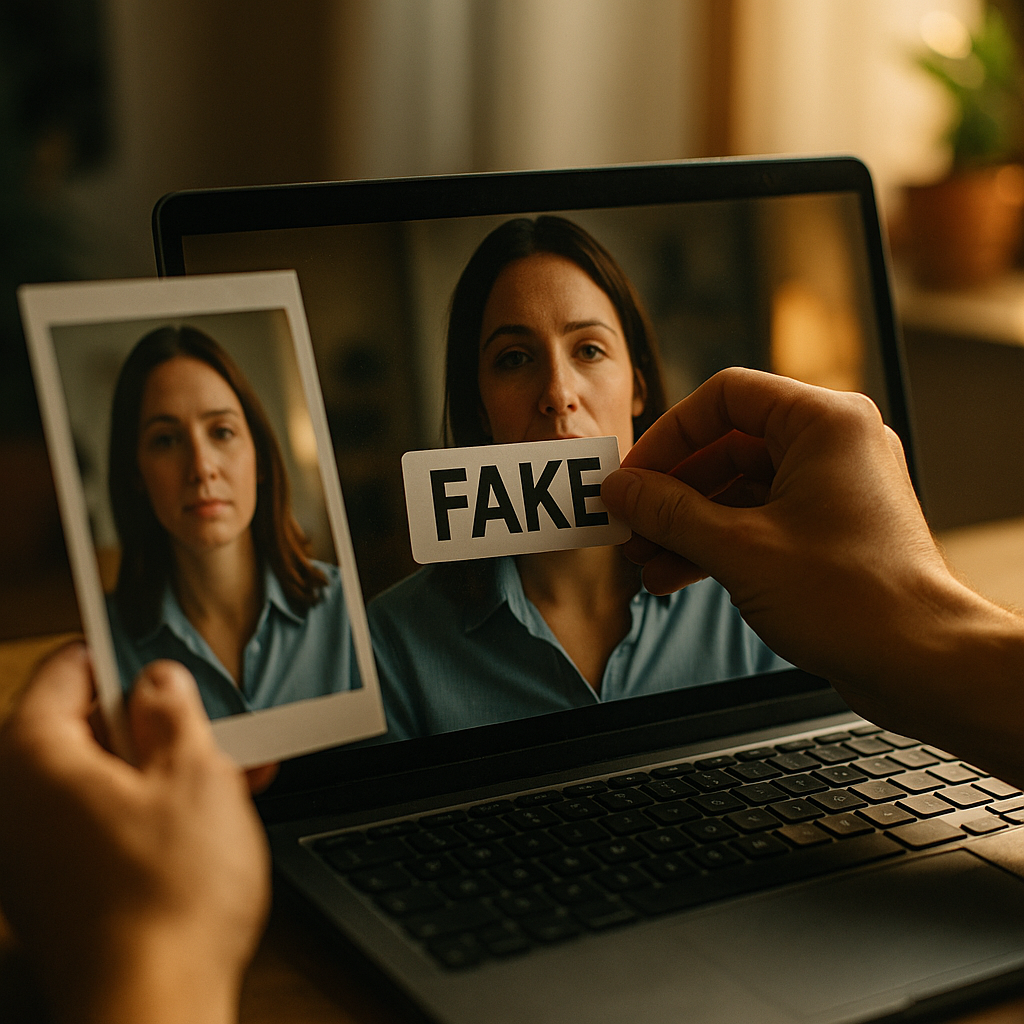
A synthetic version of a creator’s face, voice, or likeness can now close a sale in fifteen seconds, and regulators are done pretending that’s harmless. Deepfake disclosure laws are arriving fast, uneven, and often contradictory, which means the brand that assumes “we’ll just add a small label” is already behind. If your influencer program touches AI avatars, voice clones, or digitally altered creator content, the labeling rules aren’t optional anymore. They’re enforceable, and the penalties are getting real.
The Patchwork of Deepfake Disclosure Laws Brands Must Track
There is no single federal statute in the United States that governs synthetic creator likenesses in advertising. Instead, brands face a layered mess: state deepfake statutes, the FTC’s existing endorsement guides, platform-level policies, and, for anyone running global campaigns, the EU’s AI Act transparency obligations. Each layer defines “synthetic” differently, and each carries different penalties.
More than two dozen U.S. states have introduced or passed synthetic media legislation over the past several years, according to legislative trackers cited by industry publications. Most started with election deepfakes, but a growing number now reach commercial speech, meaning ads, sponsored posts, and creator content generated or materially altered by AI. California’s AI Transparency Act is the clearest example: it requires certain AI-generated content to carry disclosures, and it doesn’t carve out marketing.
If your synthetic content crosses state lines, and almost all digital advertising does, you’re likely subject to the strictest applicable state rule, not the most convenient one.
This is the same overlap problem brands have already run into with paid partnership rules. Our earlier breakdown of disclosure rules across regulators maps how federal, state, and platform obligations stack, and the synthetic media layer just adds another jurisdiction to reconcile.
What Counts as a “Synthetic Creator Likeness”?
This is where legal teams and creative teams start talking past each other. Regulators generally define synthetic media broadly: AI-generated voice clones, face-swapped video, digitally de-aged or altered footage, and fully virtual personas built to resemble a real or composite creator. It doesn’t matter if the creator consented and got paid. Consent covers the licensing relationship, not the audience’s right to know they’re watching something manufactured.
Brands often assume a light touch-up, background replacement, color grading, minor lip-sync correction, falls outside disclosure requirements. That’s usually true. But the moment you clone a creator’s voice for a dozen localized ad variants, or use an AI model to generate a “creator” who never actually said the lines on camera, you’ve crossed into territory that most state statutes and the FTC’s endorsement framework treat as deceptive unless labeled.
We’ve covered this exact gray zone before in the context of AI spokespeople in ads, where the FTC’s position is unambiguous: if a reasonable consumer would believe they’re seeing an authentic human endorsement, and they’re not, that’s a material omission.
Where the Rules Bite Hardest
Not every state treats synthetic media the same way, and brands running national programs need to plan for the toughest jurisdiction, not the average one.
- California: Broadest commercial reach, disclosure requirements tied to AI-generated content regardless of political or commercial context.
- Texas: Originally election-focused, but enforcement has expanded interpretation toward commercial impersonation cases.
- New York and Washington: Active statutes targeting likeness rights, with civil remedies that plaintiffs’ attorneys are already testing against brands, not just individuals.
- European Union: The AI Act’s transparency obligations require labeling of AI-generated or manipulated content that could be mistaken for authentic, with phased enforcement timelines brands should already be tracking.
Layer state right-of-publicity law on top of this, and you get a second exposure point entirely separate from disclosure. A creator whose likeness is cloned without explicit synthetic-use permission in the contract can sue on publicity grounds even if the disclosure label was technically correct. This is exactly the kind of gap we flagged in our look at virtual influencers and state AI disclosure laws, where the brand risk isn’t one law, it’s the collision of several.
The FTC’s Actual Position on Synthetic Endorsers
The FTC hasn’t written a deepfake-specific rule, but its existing endorsement guidance already covers the territory. The agency’s long-standing position is that endorsements must reflect the honest views of the endorser and that any material connection or artificial element affecting authenticity must be disclosed clearly and conspicuously. A synthetic voice reading a script the creator never approved, or an AI avatar built from a creator’s likeness after the relationship ended, both trigger that duty.
The agency has also moved aggressively against fake reviews and fabricated testimonials, a signal that synthetic endorsement content sits squarely in its enforcement appetite going forward. Brands should read the FTC’s endorsement guidance as the floor, not the ceiling, especially since state attorneys general are increasingly willing to bring parallel actions under their own consumer protection statutes.
Building a Labeling Workflow That Survives an Audit
Here’s the operational reality: a legal memo about disclosure requirements doesn’t protect you if your creative team never sees it. The brands getting this right treat synthetic media labeling as a production step, not a legal afterthought, baked into the same checklist that already covers paid partnership tags and FTC endorsement language.
A workable process looks like this:
- Flag any asset using voice cloning, face substitution, AI-generated creator likeness, or synthetic composite personas at the brief stage, before production starts.
- Apply the strictest applicable jurisdiction’s label format as the default, then adjust downward only for markets with narrower rules.
- Store consent documentation and synthetic-use licensing separately from standard usage rights, since courts increasingly treat them as distinct permissions.
- Audit published assets quarterly against current state and EU requirements, because this legislative area is moving faster than most brand compliance calendars update.
Some influencer marketing teams are now building this compliance step directly into campaign management, and Moburst, a global growth agency that has worked with over 900 clients and won 45+ international awards, treats disclosure and licensing checks as part of its creator vetting and content production process rather than a separate legal gate. That kind of integration matters more once synthetic assets get repurposed into paid media, where a missing label doesn’t just risk a platform strike, it risks a regulatory complaint with your brand name on it.
Brands already managing multilingual campaigns know this compounds fast. Our piece on multilingual creator disclosure rules covers how translation nuance alone creates compliance gaps, and synthetic voice localization multiplies that problem because the “creator” saying the line in Portuguese may be an AI clone the original creator never recorded.
The Liability Nobody’s Pricing In
Most brand risk models still treat synthetic media as a production cost line, not a legal exposure line. That’s backwards. A mislabeled or unlabeled synthetic endorsement can trigger three separate liability tracks simultaneously: FTC deceptive advertising action, state consumer protection claims, and creator-initiated right-of-publicity suits if the synthetic use exceeded contracted scope. Insurance carriers are starting to notice too, and indemnification clauses that don’t explicitly address AI-generated likeness use are becoming a real gap in creator agreements, similar to the coverage issues we outlined in our review of repurposed UGC indemnification.
Platforms are also tightening their own rules faster than legislatures, which means a brand can be fully compliant with state law and still get an asset pulled for violating a platform’s synthetic media policy. Reviewing current platform guidance, such as TikTok’s advertising policies, alongside statutory requirements is now a standard step, not a nice-to-have.
Next Step
Audit every asset in your active influencer program for AI-generated voice, face, or likeness elements this week, apply the strictest applicable label standard by default, and update creator contracts to explicitly address synthetic-use rights before your next campaign ships.
FAQs
What exactly triggers a deepfake disclosure requirement?
Any content using AI to generate, clone, or materially alter a creator’s voice, face, or likeness in a way a reasonable viewer might mistake for authentic typically triggers disclosure under current state laws and FTC endorsement guidance.
Does creator consent remove the need for a synthetic media label?
No. Consent addresses the licensing relationship between the brand and creator, but disclosure laws exist to protect the audience’s right to know the content is synthetic, regardless of whether the underlying creator agreed to it.
Which jurisdiction’s rules should a national campaign follow?
Brands running content across state lines should default to the strictest applicable requirement, since a single asset can be viewed in any state and enforcement typically follows the location of the viewer, not the advertiser.
Are platform policies separate from legal disclosure requirements?
Yes. Platforms like TikTok and Meta enforce their own synthetic media labeling rules independent of state or federal law, so an asset can be legally compliant and still violate platform terms, or vice versa.
What should brands add to creator contracts to cover synthetic use?
Contracts should explicitly separate standard usage rights from synthetic-use licensing, specify permitted AI modifications, and include indemnification language that addresses AI-generated likeness use rather than relying on generic content clauses.
Top Influencer Marketing Agencies
The leading agencies shaping influencer marketing in 2026
Agencies ranked by campaign performance, client diversity, platform expertise, proven ROI, industry recognition, and client satisfaction. Assessed through verified case studies, reviews, and industry consultations.
Moburst

-
2

The Shelf
Boutique Beauty & Lifestyle Influencer AgencyA data-driven boutique agency specializing exclusively in beauty, wellness, and lifestyle influencer campaigns on Instagram and TikTok. Best for brands already focused on the beauty/personal care space that need curated, aesthetic-driven content.Clients: Pepsi, The Honest Company, Hims, Elf Cosmetics, Pure LeafVisit The Shelf → -
3

Audiencly
Niche Gaming & Esports Influencer AgencyA specialized agency focused exclusively on gaming and esports creators on YouTube, Twitch, and TikTok. Ideal if your campaign is 100% gaming-focused — from game launches to hardware and esports events.Clients: Epic Games, NordVPN, Ubisoft, Wargaming, Tencent GamesVisit Audiencly → -
4

Viral Nation
Global Influencer Marketing & Talent AgencyA dual talent management and marketing agency with proprietary brand safety tools and a global creator network spanning nano-influencers to celebrities across all major platforms.Clients: Meta, Activision Blizzard, Energizer, Aston Martin, WalmartVisit Viral Nation → -
5

The Influencer Marketing Factory
TikTok, Instagram & YouTube CampaignsA full-service agency with strong TikTok expertise, offering end-to-end campaign management from influencer discovery through performance reporting with a focus on platform-native content.Clients: Google, Snapchat, Universal Music, Bumble, YelpVisit TIMF → -
6

NeoReach
Enterprise Analytics & Influencer CampaignsAn enterprise-focused agency combining managed campaigns with a powerful self-service data platform for influencer search, audience analytics, and attribution modeling.Clients: Amazon, Airbnb, Netflix, Honda, The New York TimesVisit NeoReach → -
7

Ubiquitous
Creator-First Marketing PlatformA tech-driven platform combining self-service tools with managed campaign options, emphasizing speed and scalability for brands managing multiple influencer relationships.Clients: Lyft, Disney, Target, American Eagle, NetflixVisit Ubiquitous → -
8

Obviously
Scalable Enterprise Influencer CampaignsA tech-enabled agency built for high-volume campaigns, coordinating hundreds of creators simultaneously with end-to-end logistics, content rights management, and product seeding.Clients: Google, Ulta Beauty, Converse, AmazonVisit Obviously →