


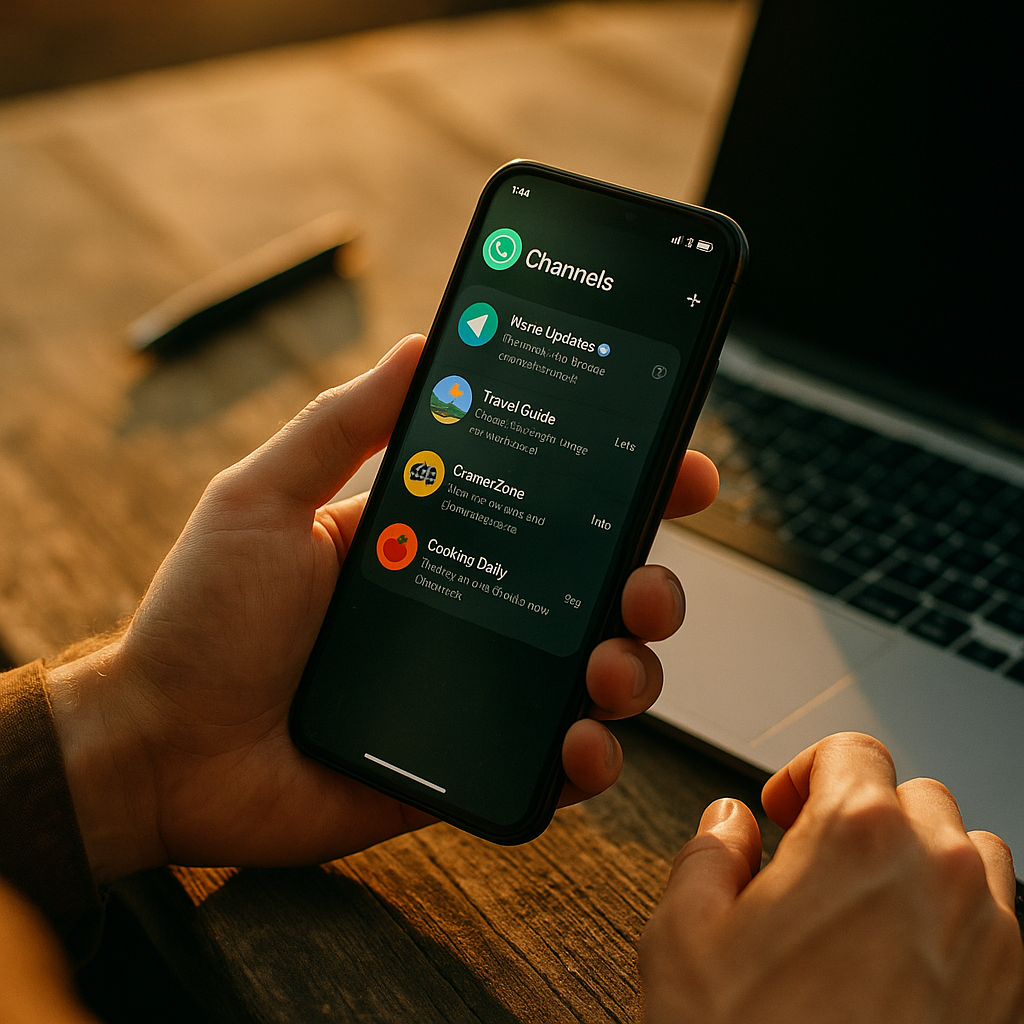
98% open rates. That’s what WhatsApp messages pull compared to the 20-30% you’re fighting for in an inbox or the single-digit reach you get organically on Instagram. So why are most brand marketers still treating WhatsApp Channels like an afterthought bolted onto their WhatsApp retention strategy? A well-run WhatsApp Channels playbook turns creator content into a direct, algorithm-free broadcast line to buyers who already raised their hand.
Why WhatsApp Channels Changes the Distribution Math
Every platform you’ve built a creator program around runs on the same gamble: you pay for content, then beg an algorithm to show it to people. Instagram Reels, TikTok FYP, YouTube Shorts, they all sit between your brand and your audience, deciding who sees what and when. WhatsApp Channels flips that. Once someone follows your Channel, your broadcast lands in their updates tab. No bidding war for attention, no ranking signal to game.
That matters more than it sounds. Meta reported WhatsApp crossed 2 billion monthly active users globally, and Channels has become one of the fastest growing features inside the app, particularly across India, Brazil, Indonesia, and the Middle East, markets where WhatsApp is the default messaging layer of daily life, not a secondary app.
A follower on your WhatsApp Channel isn’t a passive impression. They opted in, which makes them a warmer lead than almost any other audience segment you’re currently buying media against.
For brands running influencer programs, this is an underused distribution channel sitting right next to your most reliable messaging app. Creators already have audiences who trust them. Channels let you move that trust into a space with near-guaranteed visibility.
Who This Actually Works For (and Who Should Skip It)
Not every brand needs a WhatsApp Channels strategy. If you’re selling impulse-buy CPG products with a six-figure follower base and a broad demographic, the ROI math is murkier. But if you’re running a considered-purchase funnel, think skincare regimens, fintech products, education platforms, or anything with a multi-touch buying journey, Channels are close to perfect.
- D2C beauty and wellness brands: drop routines, restock alerts, and creator tutorials directly to repeat buyers.
- Fintech and insurtech: push compliance-safe educational content from vetted creators without relying on social algorithms that throttle finance content.
- Regional and emerging market brands: WhatsApp is often the primary internet experience, not a supplementary app.
- Subscription and membership businesses: Channels work well for renewal nudges tied to creator-led content drops.
If your buyer journey is impulse-driven and discovery-first, you’re better off doubling down on feed-based discovery formats instead. Channels reward brands with an existing audience relationship, not brands still trying to find one.
Setting Up the Infrastructure Before You Touch Creator Content
Before any creator posts a single broadcast, get the operational basics locked down. This is the part most brands skip and then wonder why engagement craters after week two.
- Verify your business account. Use WhatsApp Business API or Business App, not a personal number masquerading as a brand channel.
- Segment by intent, not demographics. A Channel for “new customers” behaves differently than one for “VIP repeat buyers.” Don’t merge them.
- Set a broadcast cadence cap. Two to four messages per week is the sweet spot before fatigue sets in and people mute or leave the Channel.
- Build a content calendar that blends creator and brand voice. All-brand feels like a newsletter. All-creator feels unmanaged. You need both.
- Define your compliance language upfront, particularly if you’re in a regulated category. Check FTC disclosure guidance before creators start posting sponsored content into the Channel.
Skip this setup phase and you’ll end up with a Channel that looks active but converts nothing, which is arguably worse than not having one at all.
The Creator Briefing: What Makes WhatsApp Content Different
Here’s the mistake most brands make: they take a creator’s Instagram Reel, repost it to WhatsApp, and call it a strategy. That’s not a playbook, that’s recycling. WhatsApp Channel content needs a different brief entirely.
Native WhatsApp content tends to perform best when it feels like a message from a friend, not a polished ad unit. Voice notes, short video clips under 30 seconds, and text-first updates with a single image outperform heavily produced content. Creators who already run personal WhatsApp Channels understand this instinctively. The ones coming from TikTok or Instagram need retraining.
Treat every broadcast like a text from someone the follower already trusts. The moment it reads like an ad blast, you lose the open-rate advantage that made Channels worth testing in the first place.
Brief creators to:
- Lead with a hook in the first line, visible before the recipient even opens the message.
- Keep video under 30 seconds, vertical, with captions baked in for sound-off viewing.
- Use polls and reactions (now native to Channels) to drive two-way signal, not just one-way broadcast.
- Avoid link-heavy posts. One clear CTA per broadcast, not three.
This is similar logic to what’s worked in Discord community creator programs, where native tone beats polished brand voice every time. The platform rewards authenticity because the audience chose to be there.
Tiered Creator Structure for Channel Broadcasting
You don’t need a hundred creators posting into one Channel. You need the right three or four, structured by role.
- Anchor creator: one or two established names who set the tone and post weekly flagship content.
- Rotating specialists: smaller creators brought in for specific drops, launches, or seasonal content.
- UGC responders: creators who react to follower polls or questions posted in the Channel, creating a feedback loop.
This mirrors the tiered distribution model that’s worked across other platforms, applied now to a one-to-many messaging context instead of a feed.
Measuring What Actually Matters
Vanity metrics don’t hold up here. Follower count on a Channel tells you almost nothing about buying intent. What matters:
- Reaction rate per broadcast (emoji taps, not just views)
- Click-through on embedded links tracked via UTM parameters
- Poll participation rate as a proxy for active attention
- Churn rate, how many followers mute or leave after each broadcast cadence
- Conversion lag, time between broadcast and purchase, which tends to be shorter than email or feed-based attribution windows
Pipe this data into whatever reporting stack you’re already running creator campaigns through. If you’re using programmatic creator APIs for client reporting, treat WhatsApp Channel metrics as a distinct line item, not folded into generic “social engagement.” Clients and internal stakeholders need to see this as its own channel with its own benchmarks, because comparing it against Instagram reach numbers will make it look artificially small even when it’s outperforming on intent.
According to eMarketer, messaging app engagement continues to outperform traditional social feeds on time-spent-per-session, a signal that should inform how much budget shifts toward this format over the next planning cycle.
Budget Allocation: What to Test First
Don’t reallocate a quarter of your influencer budget into WhatsApp Channels on faith. Treat it like any new channel test, similar to how brands approached Threads creator partnerships in their early phase. A sensible test structure:
- 5-8% of quarterly influencer budget for a six to eight week pilot
- One anchor creator, one rotating specialist, minimum
- A single product line or campaign moment, not your entire catalog
- Clear exit criteria: if reaction rate drops below a defined threshold by week four, pause and rebrief before scaling further
If you’re building this into a broader always-on budget split, position WhatsApp Channels as a retention and nurture layer rather than a top-of-funnel discovery tool. It’s not built to find new customers. It’s built to deepen the relationship with people who already found you.
Next step: pick one existing creator relationship, brief them on native WhatsApp content format this week, and run a four-broadcast test before your next budget cycle closes. The open-rate data alone will tell you whether this earns a permanent line item.
FAQs
What is a WhatsApp Channel and how is it different from a WhatsApp group?
A WhatsApp Channel is a one-way broadcast tool where admins post updates to followers who opted in. Unlike groups, followers can’t reply publicly or see each other, which keeps the experience clean and brand-controlled while still feeling personal.
How many followers do I need before a WhatsApp Channel is worth running?
There’s no hard minimum, but most brands see meaningful signal once a Channel crosses a few thousand engaged followers. Quality of follower intent matters far more than raw count, since the format rewards high open rates over broad reach.
Can creators post directly to a brand’s WhatsApp Channel?
Yes, if they’re added as admins with posting permissions. Most brands prefer a hybrid model where creators submit content for review before it’s broadcast, keeping brand and compliance teams in the loop without slowing the content down too much.
Do FTC disclosure rules apply to WhatsApp Channel content?
Yes. Sponsored content broadcast through a Channel still falls under the same disclosure expectations as any other paid partnership. Brands should build disclosure language into the creator brief rather than leaving it to individual discretion.
How does WhatsApp Channels compare to email marketing for creator content?
Open rates on WhatsApp consistently outperform email, often by a wide margin, and the format feels less formal, which suits creator-driven content better. Email still wins for long-form storytelling and detailed product information, so the two should complement each other rather than compete.
Top Influencer Marketing Agencies
The leading agencies shaping influencer marketing in 2026
Agencies ranked by campaign performance, client diversity, platform expertise, proven ROI, industry recognition, and client satisfaction. Assessed through verified case studies, reviews, and industry consultations.
Moburst

-
2

The Shelf
Boutique Beauty & Lifestyle Influencer AgencyA data-driven boutique agency specializing exclusively in beauty, wellness, and lifestyle influencer campaigns on Instagram and TikTok. Best for brands already focused on the beauty/personal care space that need curated, aesthetic-driven content.Clients: Pepsi, The Honest Company, Hims, Elf Cosmetics, Pure LeafVisit The Shelf → -
3

Audiencly
Niche Gaming & Esports Influencer AgencyA specialized agency focused exclusively on gaming and esports creators on YouTube, Twitch, and TikTok. Ideal if your campaign is 100% gaming-focused — from game launches to hardware and esports events.Clients: Epic Games, NordVPN, Ubisoft, Wargaming, Tencent GamesVisit Audiencly → -
4

Viral Nation
Global Influencer Marketing & Talent AgencyA dual talent management and marketing agency with proprietary brand safety tools and a global creator network spanning nano-influencers to celebrities across all major platforms.Clients: Meta, Activision Blizzard, Energizer, Aston Martin, WalmartVisit Viral Nation → -
5

The Influencer Marketing Factory
TikTok, Instagram & YouTube CampaignsA full-service agency with strong TikTok expertise, offering end-to-end campaign management from influencer discovery through performance reporting with a focus on platform-native content.Clients: Google, Snapchat, Universal Music, Bumble, YelpVisit TIMF → -
6

NeoReach
Enterprise Analytics & Influencer CampaignsAn enterprise-focused agency combining managed campaigns with a powerful self-service data platform for influencer search, audience analytics, and attribution modeling.Clients: Amazon, Airbnb, Netflix, Honda, The New York TimesVisit NeoReach → -
7

Ubiquitous
Creator-First Marketing PlatformA tech-driven platform combining self-service tools with managed campaign options, emphasizing speed and scalability for brands managing multiple influencer relationships.Clients: Lyft, Disney, Target, American Eagle, NetflixVisit Ubiquitous → -
8

Obviously
Scalable Enterprise Influencer CampaignsA tech-enabled agency built for high-volume campaigns, coordinating hundreds of creators simultaneously with end-to-end logistics, content rights management, and product seeding.Clients: Google, Ulta Beauty, Converse, AmazonVisit Obviously →