


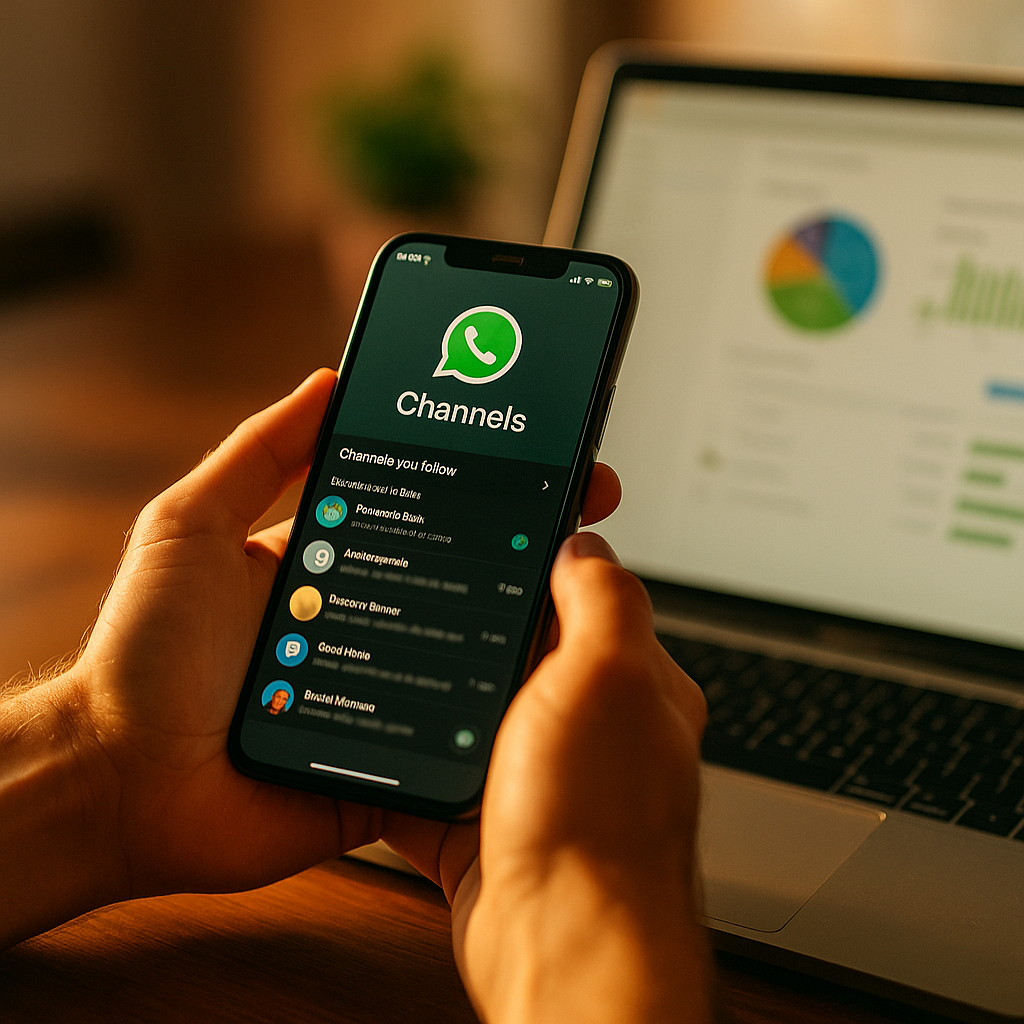
Open rates on email hover around 21 percent industry wide. WhatsApp Channels? Brands running them report visibility north of 70 percent on broadcast messages. That gap alone should make any retention-focused marketer stop scrolling. The WhatsApp Channels playbook isn’t a nice-to-have anymore. It’s quietly becoming the highest-leverage owned-audience asset creators and brands have access to, and most marketing teams still treat it like an afterthought.
Why Broadcast Lists Beat the Algorithm Every Time
Every platform you don’t own can change the rules overnight. Instagram tweaks Reels ranking. TikTok adjusts its For You logic. YouTube reshuffles Shorts distribution. WhatsApp Channels sit outside that volatility entirely. Once someone follows a channel, they keep seeing your updates until they actively unfollow. No algorithm decides whether your message deserves a spot in their feed.
That’s the entire pitch for retention teams: a direct line to an audience that already opted in, with none of the reach decay that plagues organic social. Meta reported that WhatsApp now serves over 2 billion monthly users globally, and Channels has expanded rapidly across markets where WhatsApp is the default messaging app, think India, Brazil, Indonesia, and much of Southeast Asia and Latin America.
A creator with 50,000 Instagram followers might reach 3,000 of them organically per post. The same creator with a 50,000-member WhatsApp Channel can push a message to nearly all of them, instantly, with no ad spend.
What a Creator Broadcast List Actually Does for Retention
Retention marketing lives or dies on frequency and relevance. A one-time viral video gets you a spike. A broadcast list gets you a relationship. When a creator sets up a WhatsApp Channel tied to a brand partnership, the brand isn’t just borrowing reach for a single campaign moment, it’s borrowing a communication channel with compounding value.
Here’s what that looks like operationally:
- Product drops and restocks pushed directly to a warm list, driving urgency without paid media.
- Post-purchase nurture where creators share usage tips, keeping churn-prone categories (skincare, supplements, apparel) engaged past the first order.
- Exclusive access like early sale windows or limited SKUs, reserved for channel subscribers only.
- Community signals such as polls and reactions that feed back into content and product decisions.
None of this replaces top-of-funnel discovery work on TikTok or Instagram. It sits downstream of it, catching the audience that discovery content generates and converting attention into a recurring touchpoint. If you’ve read our breakdown of Discord community creator programs, the logic is similar: own the relationship layer, don’t just rent the discovery layer.
Setting Up the Program Without Creating a Compliance Headache
Brands that jump into WhatsApp Channels without a framework tend to make the same three mistakes: no consent trail, no disclosure standard, and no content cadence. Fix those before you brief a single creator.
Consent and opt-in. WhatsApp’s own business platform guidelines require that Channels followers opt in voluntarily, but brands running co-branded or sponsored channels still need a clear record of how the list was built. If a creator is folding brand messaging into a personal channel, the disclosure obligations under FTC guidance don’t disappear just because the medium is a messaging app rather than a public feed.
Disclosure. Sponsored content rules from the Federal Trade Commission apply regardless of platform. If a creator is paid to promote a product through their Channel, that needs to be clear, not buried three messages deep in a broadcast thread. Build a disclosure line into the creator’s content template and audit it monthly.
Cadence. This is where most programs quietly fail. Send too often and subscribers mute or leave. Send too rarely and you lose the retention benefit entirely. A good starting cadence for a brand-creator Channel is two to four messages a week, weighted toward value (tips, behind-the-scenes, early access) over pure promotion. Treat it the way you’d treat an email nurture sequence, not a firehose.
Choosing the Right Creators for Channel Partnerships
Not every creator should run a branded Channel. You want creators whose audience already treats their content as a recommendation source, not just entertainment. Micro and mid-tier creators in verticals like beauty, wellness, personal finance, and parenting tend to overperform here because their audiences are already primed for direct, personal-feeling communication. A creator vetting process similar to what we outlined in the Shopify Collabs vetting guide applies just as well to Channel partnerships: check engagement quality, not just follower count, and ask for screenshots of existing Channel performance before signing anything.
Measuring ROI When There’s No Native Ad Dashboard
WhatsApp Channels don’t come with the granular analytics marketers get from Meta Ads Manager or TikTok’s creator dashboard. That’s a real limitation, and brands need to build their own measurement layer around it. Practical approaches include:
- Unique promo codes or trackable links shared exclusively through the Channel.
- UTM-tagged product links for brands running their own Shopify or e-commerce storefront.
- Follower count growth and message view counts, both visible to Channel admins, tracked monthly as a proxy for retention health.
- Post-broadcast sales lift compared against a control period with no messaging.
According to eMarketer, messaging apps are increasingly cited by marketers as an underused retention channel compared to email and SMS, largely because measurement infrastructure hasn’t caught up to adoption. That gap is an opportunity for brands willing to build lightweight tracking now, before every competitor figures it out.
The brands winning with WhatsApp Channels aren’t the ones with the biggest lists. They’re the ones with the cleanest attribution model bolted on from day one.
How This Fits Into a Broader Owned-Audience Strategy
WhatsApp Channels shouldn’t operate in isolation. The smartest teams are stitching it into a wider owned-audience stack that includes email, SMS, and community platforms. If a creator already runs a Discord server, a Channel becomes the low-friction, high-open-rate layer that pulls people toward deeper community engagement elsewhere. Brands running early-stage commerce tests on newer surfaces, similar to what we covered in the Threads shopping rollout guide, should treat Channels the same way: a controlled pilot with clear KPIs before scaling spend or creator headcount.
Sourcing the right creator partners for this kind of program also matters more than brands initially assume. The Meta Creator Partnerships Group is one route worth exploring if you’re trying to identify creators already active across Meta-owned surfaces, since WhatsApp sits inside that same ecosystem and cross-platform data can inform who’s worth a Channel partnership.
Tools matter too. According to Sprout Social, brands managing multiple messaging and social channels see the best retention outcomes when they centralize scheduling and response workflows rather than treating each channel as a standalone effort run by a different team member. Don’t let your WhatsApp Channel become the one platform nobody owns internally.
Common Mistakes That Kill Channel Momentum
A few patterns show up again and again in underperforming programs:
- Treating it like a broadcast megaphone. Pure promotion without value content triggers unfollows fast.
- No onboarding message. New subscribers who don’t get a welcome message with clear expectations churn within days.
- Ignoring reactions and polls. WhatsApp Channels support lightweight engagement features. Brands that skip them miss free audience feedback.
- No handoff plan. If the creator partnership ends, who owns the Channel? Get this in the contract upfront, not after the relationship sours.
None of these are hard problems to solve. They just require someone on the team treating the Channel as an actual retention channel, with a content calendar and a performance review cadence, rather than a side project bolted onto a campaign brief.
Frequently Asked Questions
What is a WhatsApp Channel and how is it different from a group chat?
A Channel is a one-way broadcast tool where admins send updates to followers, similar to a public feed, while group chats allow two-way conversation among all members. Channels are built for scale and announcements, not discussion.
Do followers need to opt in to a WhatsApp Channel?
Yes. Followers actively search for or click a link to join a Channel, and they can leave at any time without the creator or brand knowing who unfollowed, which keeps the model consent-based by design.
Is sponsored content on WhatsApp Channels subject to the same disclosure rules as Instagram or TikTok?
Generally yes. Regulatory guidance from bodies like the FTC applies to paid promotion regardless of platform, so brands and creators should disclose sponsored messages clearly within the Channel content itself.
How often should brands send messages through a creator’s Channel?
Two to four messages per week is a reasonable starting cadence, weighted toward useful or exclusive content rather than constant promotion, to avoid triggering unfollows.
Can brands measure ROI on WhatsApp Channels without a native ads dashboard?
Yes, though it requires manual setup. Trackable promo codes, UTM-tagged links, and comparing sales performance around broadcast dates against control periods are the most reliable proxy metrics currently available.
Next step: pick one existing creator partner with an engaged audience, launch a Channel with a clear welcome message and a two-message-per-week cadence, and run it for eight weeks with promo-code tracking before deciding whether to scale the program across your creator roster.
Frequently Asked Questions
What is a WhatsApp Channel and how is it different from a group chat?
A Channel is a one-way broadcast tool where admins send updates to followers, similar to a public feed, while group chats allow two-way conversation among all members. Channels are built for scale and announcements, not discussion.
Do followers need to opt in to a WhatsApp Channel?
Yes. Followers actively search for or click a link to join a Channel, and they can leave at any time without the creator or brand knowing who unfollowed, which keeps the model consent-based by design.
Is sponsored content on WhatsApp Channels subject to the same disclosure rules as Instagram or TikTok?
Generally yes. Regulatory guidance from bodies like the FTC applies to paid promotion regardless of platform, so brands and creators should disclose sponsored messages clearly within the Channel content itself.
How often should brands send messages through a creator’s Channel?
Two to four messages per week is a reasonable starting cadence, weighted toward useful or exclusive content rather than constant promotion, to avoid triggering unfollows.
Can brands measure ROI on WhatsApp Channels without a native ads dashboard?
Yes, though it requires manual setup. Trackable promo codes, UTM-tagged links, and comparing sales performance around broadcast dates against control periods are the most reliable proxy metrics currently available.
Top Influencer Marketing Agencies
The leading agencies shaping influencer marketing in 2026
Agencies ranked by campaign performance, client diversity, platform expertise, proven ROI, industry recognition, and client satisfaction. Assessed through verified case studies, reviews, and industry consultations.
Moburst

-
2

The Shelf
Boutique Beauty & Lifestyle Influencer AgencyA data-driven boutique agency specializing exclusively in beauty, wellness, and lifestyle influencer campaigns on Instagram and TikTok. Best for brands already focused on the beauty/personal care space that need curated, aesthetic-driven content.Clients: Pepsi, The Honest Company, Hims, Elf Cosmetics, Pure LeafVisit The Shelf → -
3

Audiencly
Niche Gaming & Esports Influencer AgencyA specialized agency focused exclusively on gaming and esports creators on YouTube, Twitch, and TikTok. Ideal if your campaign is 100% gaming-focused — from game launches to hardware and esports events.Clients: Epic Games, NordVPN, Ubisoft, Wargaming, Tencent GamesVisit Audiencly → -
4

Viral Nation
Global Influencer Marketing & Talent AgencyA dual talent management and marketing agency with proprietary brand safety tools and a global creator network spanning nano-influencers to celebrities across all major platforms.Clients: Meta, Activision Blizzard, Energizer, Aston Martin, WalmartVisit Viral Nation → -
5

The Influencer Marketing Factory
TikTok, Instagram & YouTube CampaignsA full-service agency with strong TikTok expertise, offering end-to-end campaign management from influencer discovery through performance reporting with a focus on platform-native content.Clients: Google, Snapchat, Universal Music, Bumble, YelpVisit TIMF → -
6

NeoReach
Enterprise Analytics & Influencer CampaignsAn enterprise-focused agency combining managed campaigns with a powerful self-service data platform for influencer search, audience analytics, and attribution modeling.Clients: Amazon, Airbnb, Netflix, Honda, The New York TimesVisit NeoReach → -
7

Ubiquitous
Creator-First Marketing PlatformA tech-driven platform combining self-service tools with managed campaign options, emphasizing speed and scalability for brands managing multiple influencer relationships.Clients: Lyft, Disney, Target, American Eagle, NetflixVisit Ubiquitous → -
8

Obviously
Scalable Enterprise Influencer CampaignsA tech-enabled agency built for high-volume campaigns, coordinating hundreds of creators simultaneously with end-to-end logistics, content rights management, and product seeding.Clients: Google, Ulta Beauty, Converse, AmazonVisit Obviously →