


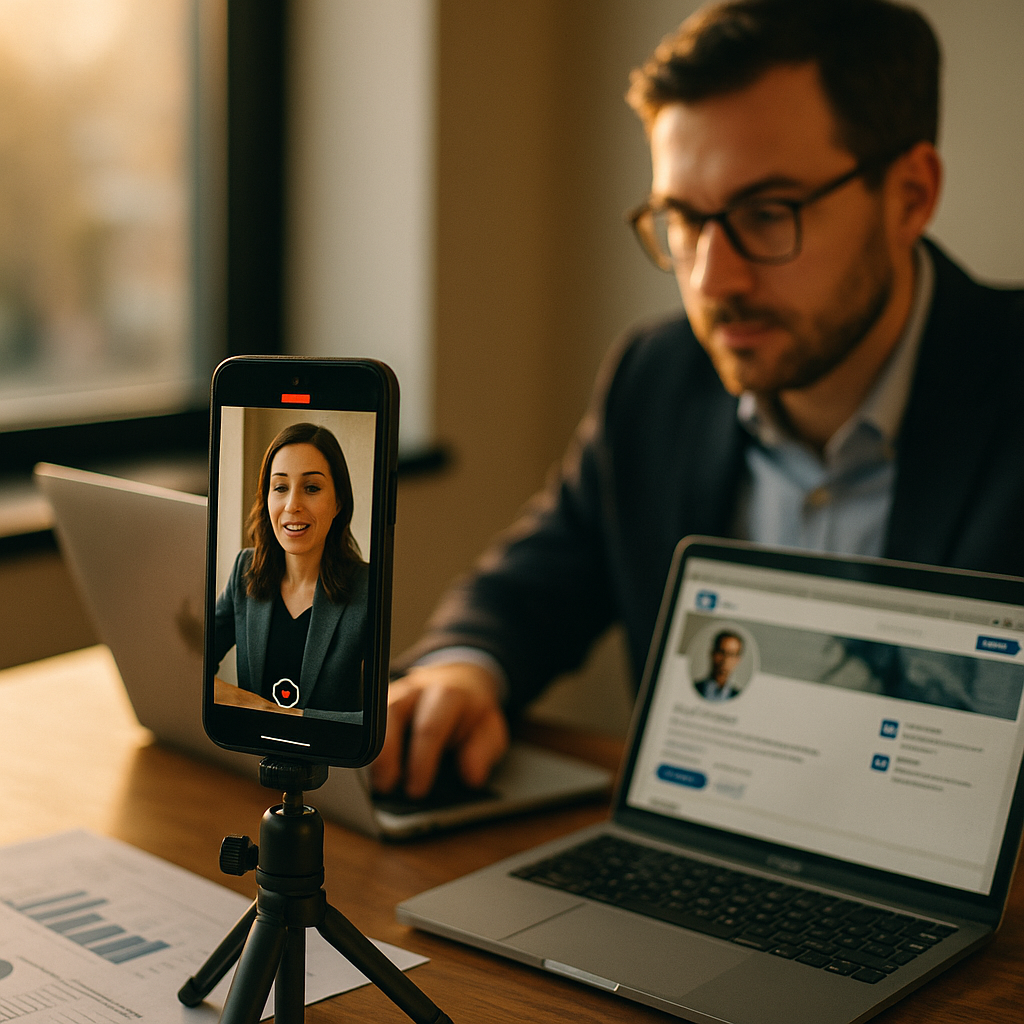
Just 27 percent of B2B marketers currently run short form video on LinkedIn. That number should either terrify you or thrill you, depending on how you look at competitive whitespace. Most brands read “low adoption” as “low priority.” The smarter read is “low competition, high upside.” LinkedIn short form video is the most underused format on the platform’s fastest-growing content surface, and that gap won’t last forever.
The Adoption Gap Nobody’s Talking About
LinkedIn has spent the better part of two years pushing video hard: a dedicated video tab, autoplay feeds, algorithmic boosts for native uploads. Yet the platform’s own user behavior data and third-party research consistently show B2B marketers lagging. Compare that to TikTok and Instagram Reels, where short form video is table stakes, and the disconnect gets stark.
Why the hesitation? Part of it is cultural. LinkedIn built its reputation on text posts, thought leadership carousels, and polished long-form articles. Video, especially the raw, vertical, talking-head style that performs well elsewhere, feels like a tonal mismatch to a lot of brand teams. There’s also a resourcing problem: most B2B marketing departments don’t have in-house video production muscle built for rapid, short-form output. They have designers and writers, not editors fluent in hook-first pacing.
And then there’s the measurement anxiety. B2B sales cycles are long. Attribution is murky. If a video gets 4,000 views but nobody can tie it to a closed deal six months later, it’s an easy budget line to cut. That’s a reasonable concern, but it’s also exactly why the format is undervalued right now. For a broader view of where LinkedIn’s algorithm is heading alongside other platforms, see our algorithm shift watch list.
A format with 27 percent adoption and growing platform investment is a rare combination. Most channels hit saturation long before the infrastructure catches up. LinkedIn short form video hasn’t.
Why the Lag Is Actually an Opportunity
Think about attention economics. When a format is crowded, the cost of getting noticed climbs. TikTok’s For You Page is a street fight. Instagram Reels reward volume and polish in equal measure. LinkedIn, by contrast, still has relatively thin competition in the video feed, which means a decent short form video from a credible brand voice can punch well above its production value.
There’s a second, less obvious advantage: intent quality. LinkedIn’s user base skews toward professionals actively researching vendors, tools, and partners. A 45-second video explaining a product mechanism or sharing a customer win reaches someone closer to a buying decision than the same video on a consumer platform. Lower volume, higher relevance. That’s a trade most B2B marketers should take every time.
Platforms that invest heavily in a format tend to reward early adopters with organic reach before the algorithm tightens. HubSpot and Sprout Social have both documented this pattern across multiple platform launches: early movers get a visibility bump that fades as adoption climbs. LinkedIn short form video is currently in that early window. For a comparable example of brands testing a format before it crowds up, our creator test budget guide walks through how to structure small-scale pilots.
What’s Driving LinkedIn’s Video Push Internally
LinkedIn isn’t adding video features out of goodwill. Engagement time is the metric that matters to the platform’s ad business, and video keeps users on-screen longer than static posts. LinkedIn’s own marketing solutions hub has increasingly foregrounded video ad formats and creator tools, a signal that the company expects this to be a growth lever, not a side feature.
That institutional commitment matters for brands deciding where to place bets. A platform actively building infrastructure around a format, recommendation logic, creator monetization, analytics dashboards, is a platform likely to keep rewarding that format with reach. Pull back now and you’re ceding ground just as the tailwind builds.
Who Should Move First, and Who Can Wait
Not every brand needs to drop everything and start filming. Context matters. Here’s a rough filter for where short form video on LinkedIn makes immediate sense versus where it’s a lower-priority experiment.
- Move first: B2B SaaS companies with complex products that benefit from quick visual explanation, agencies showcasing founder or executive expertise, companies with existing employee advocacy programs who can source authentic clips cheaply.
- Test cautiously: Enterprise brands in regulated industries (finance, healthcare, legal) where compliance review adds friction to fast-turnaround content. These teams should still participate, just with longer lead times and tighter approval workflows.
- Wait and watch: Brands with no existing content production capacity and no clear executive sponsor willing to be on camera. Video without a credible face or voice behind it rarely performs, regardless of platform.
If you’re in a regulated category, the compliance lessons from finance-focused creator content apply directly here. Our finance brand vetting guide covers the review and disclosure workflows that translate well to LinkedIn’s slower-moving but still compliance-sensitive audience.
Budget Reality: What This Actually Costs
Here’s the part most platform hype pieces skip: cost. The good news is that short form video doesn’t require a studio. A decent smartphone, a lapel mic, and basic editing software (CapCut, Adobe Premiere Rush) cover most needs. Where budget actually goes is strategy and iteration: someone has to script hooks, test formats, and review performance weekly.
A reasonable starting allocation looks like a small monthly test budget, roughly 5 to 10 percent of what you’re already spending on LinkedIn’s other content formats, redirected toward short form video production and light paid amplification. That’s enough to run 8 to 12 videos a month and gather real performance signal without betting the farm. For a broader framework on how to structure test-and-scale budgets across emerging formats, see our budget allocation guide.
Measurement should track three things: watch-through rate (are people finishing it, not just scrolling past), profile visits generated, and, where possible, pipeline-influenced touches via your CRM. Don’t expect a direct view-to-revenue line. Expect a contribution to a longer nurture sequence, which is how most B2B content actually earns its keep.
Creator Partnerships Change the Math
Here’s where it gets interesting for brands without internal video talent: LinkedIn’s creator ecosystem, while smaller than TikTok’s or YouTube’s, includes a growing bench of B2B-focused voices with genuine industry credibility. Partnering with an established LinkedIn creator to co-produce or amplify short form video solves two problems at once. It gives you a camera-ready presenter, and it borrows an existing trusted audience.
This mirrors a pattern playing out across other underused platforms. Discord’s creator programs and Threads partnership models both show the same logic: low-adoption platforms reward brands that bring in creators who already understand the native tone, rather than brands that try to force a polished ad into a casual feed.
Vetting LinkedIn creators for B2B relevance looks different from vetting a consumer influencer. Check posting consistency over the last six months, not just follower count. Look for engagement from recognizable job titles and company names in the comments, that’s your proxy for audience quality. And ask directly about their average video completion rate; most will have this data from LinkedIn’s native analytics.
What Measurement Should Actually Look Like
B2B marketers are rightly skeptical of vanity metrics. Views mean little if they don’t connect to pipeline somewhere downstream. Build a simple three-tier measurement model: top-of-funnel (views, watch time, shares), mid-funnel (profile visits, follower growth, comment quality), and bottom-funnel (demo requests or content downloads attributed via UTM tagging in video descriptions).
Programmatic tools are starting to close the attribution gap that’s historically plagued B2B video. If you’re running multiple creator or employee-generated video streams, a lightweight reporting layer saves significant manual work. Our reporting automation guide covers how to stitch these signals together without building a custom dashboard from scratch.
Benchmark against industry data where you can. eMarketer’s platform usage research and Statista’s social media reports both track LinkedIn engagement trends that help contextualize whether your numbers are actually good or just feel good in isolation.
The brands winning on LinkedIn short form video right now aren’t the ones with the biggest budgets. They’re the ones willing to look slightly unpolished while everyone else waits for a playbook that may never fully materialize. Start with a four-week test, three videos a week, track completion rate and profile visits, then decide if it earns a permanent budget line.
Frequently Asked Questions
Is LinkedIn short form video worth the investment with only 27 percent adoption?
Yes, for most B2B brands. Low adoption means lower competition for attention and a platform actively rewarding early movers with algorithmic reach before the format saturates.
What length performs best for LinkedIn short form video?
Most high-performing B2B videos run between 30 and 90 seconds. Longer explainer content can work if the hook lands in the first five seconds, but brevity generally outperforms on a feed designed for quick scrolling.
Do we need professional production equipment to start?
No. A smartphone, a basic lapel microphone, and editing software like CapCut or Adobe Premiere Rush cover the production needs for a credible test. Strategy and consistent posting matter more than equipment.
How should B2B brands measure video ROI on LinkedIn?
Track a three-tier model: top-of-funnel metrics like watch time and shares, mid-funnel signals like profile visits and comment quality, and bottom-funnel actions like demo requests tied to UTM-tagged links in video descriptions.
Should regulated industries like finance or healthcare participate?
Yes, but with longer compliance review timelines and tighter approval workflows built into the content calendar from the start, rather than treating compliance as an afterthought.
Top Influencer Marketing Agencies
The leading agencies shaping influencer marketing in 2026
Agencies ranked by campaign performance, client diversity, platform expertise, proven ROI, industry recognition, and client satisfaction. Assessed through verified case studies, reviews, and industry consultations.
Moburst

-
2

The Shelf
Boutique Beauty & Lifestyle Influencer AgencyA data-driven boutique agency specializing exclusively in beauty, wellness, and lifestyle influencer campaigns on Instagram and TikTok. Best for brands already focused on the beauty/personal care space that need curated, aesthetic-driven content.Clients: Pepsi, The Honest Company, Hims, Elf Cosmetics, Pure LeafVisit The Shelf → -
3

Audiencly
Niche Gaming & Esports Influencer AgencyA specialized agency focused exclusively on gaming and esports creators on YouTube, Twitch, and TikTok. Ideal if your campaign is 100% gaming-focused — from game launches to hardware and esports events.Clients: Epic Games, NordVPN, Ubisoft, Wargaming, Tencent GamesVisit Audiencly → -
4

Viral Nation
Global Influencer Marketing & Talent AgencyA dual talent management and marketing agency with proprietary brand safety tools and a global creator network spanning nano-influencers to celebrities across all major platforms.Clients: Meta, Activision Blizzard, Energizer, Aston Martin, WalmartVisit Viral Nation → -
5

The Influencer Marketing Factory
TikTok, Instagram & YouTube CampaignsA full-service agency with strong TikTok expertise, offering end-to-end campaign management from influencer discovery through performance reporting with a focus on platform-native content.Clients: Google, Snapchat, Universal Music, Bumble, YelpVisit TIMF → -
6

NeoReach
Enterprise Analytics & Influencer CampaignsAn enterprise-focused agency combining managed campaigns with a powerful self-service data platform for influencer search, audience analytics, and attribution modeling.Clients: Amazon, Airbnb, Netflix, Honda, The New York TimesVisit NeoReach → -
7

Ubiquitous
Creator-First Marketing PlatformA tech-driven platform combining self-service tools with managed campaign options, emphasizing speed and scalability for brands managing multiple influencer relationships.Clients: Lyft, Disney, Target, American Eagle, NetflixVisit Ubiquitous → -
8

Obviously
Scalable Enterprise Influencer CampaignsA tech-enabled agency built for high-volume campaigns, coordinating hundreds of creators simultaneously with end-to-end logistics, content rights management, and product seeding.Clients: Google, Ulta Beauty, Converse, AmazonVisit Obviously →