


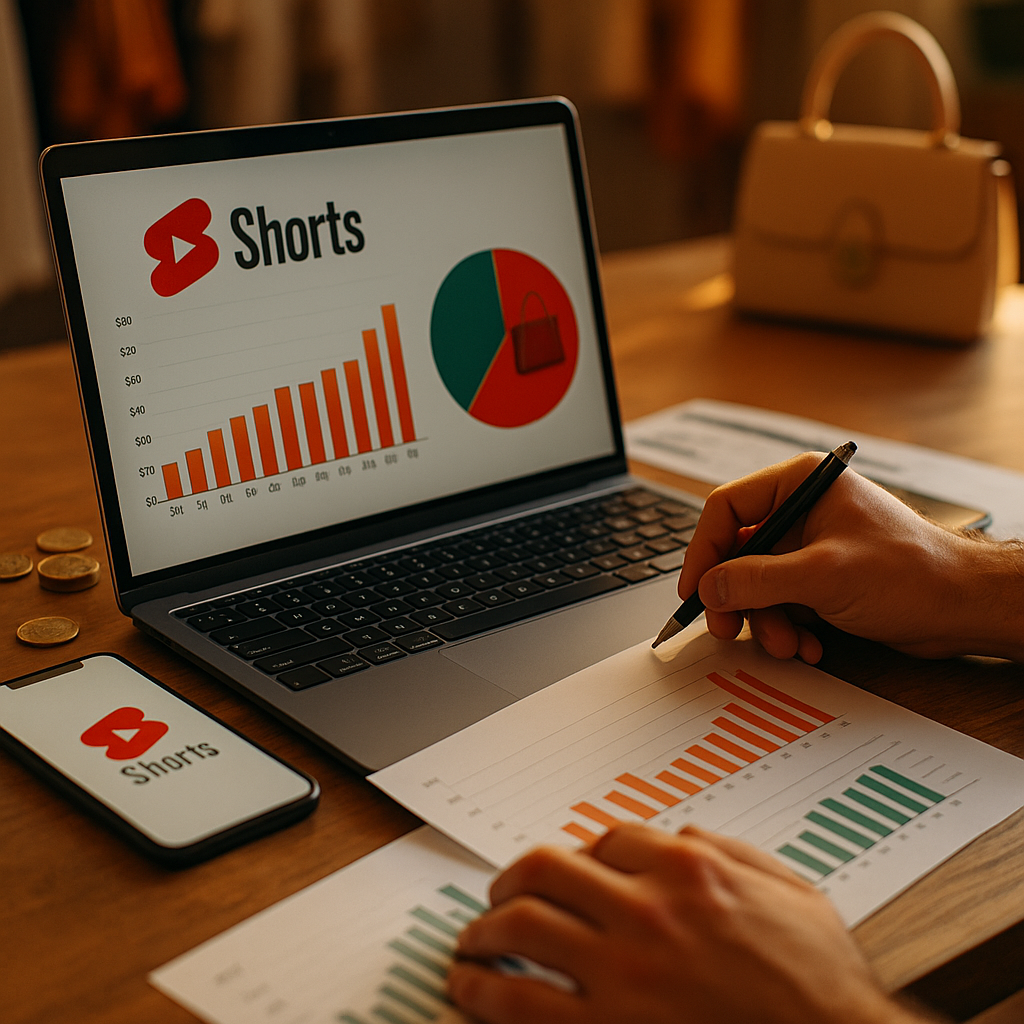
YouTube just quietly rewired how money flows through Shorts and live shopping, and most brand teams haven’t adjusted their budgets yet. The platform’s YouTube monetization updates for late 2026 change revenue share math, tighten eligibility for shopping tags, and reward creators who blend Shorts with long-form and livestream formats. If your influencer program still treats YouTube as “the long-form channel,” you’re already behind.
What Actually Changed
YouTube has spent the better part of two years trying to close the monetization gap between Shorts and traditional video. Shorts creators have historically earned a fraction of what long-form uploaders make per thousand views, largely because the ad load and viewer intent differ so drastically. The late 2026 update narrows that gap by introducing a blended RPM model for channels that publish both formats consistently, plus a revised revenue pool allocation that favors watch-time retention over raw view counts.
For livestream shopping, YouTube rolled out expanded commission tiers tied to verified product data feeds, plus a new “Shopping Live Partner” designation that unlocks priority placement in the Shopping tab and homepage shelf. Translation: brands running live product drops now compete for algorithmic real estate based on checkout completion rates, not just concurrent viewers.
Channels mixing Shorts, long-form, and live shopping now out-earn single-format channels by a notable margin, according to creator payout data shared by multiple MCNs tracking the rollout. Diversified format strategy isn’t optional anymore, it’s the monetization floor.
Why Brands Should Care About Shorts RPM Shifts
Here’s the uncomfortable truth: a lot of brand influencer budgets were built on last year’s CPM assumptions. If Shorts RPMs are rising for creators who diversify, your flat-fee deals with Shorts-only creators may now be underpriced relative to what those creators could earn organically. Expect renegotiation requests. Expect some creators to push harder for usage rights and whitelisting fees instead of flat posting rates, because their organic ad revenue is becoming more competitive with brand deal income.
This also changes how you should evaluate creator partners. A creator who posts Shorts and goes live for shopping events is now structurally favored by YouTube’s own algorithm and payout system. That means more consistent reach, more predictable inventory, and frankly, better data for your attribution models. Brands optimizing for revenue attribution on other platforms should be applying the same rigor here.
Practical move: audit your current YouTube creator roster by format mix, not just subscriber count. Someone with 200,000 subscribers who only posts Shorts is a different investment profile than someone with 150,000 subscribers running weekly live shopping segments.
Livestream Shopping Gets a Commission Overhaul
The commission tier changes are the part brand teams keep asking about, and for good reason. YouTube’s updated structure rewards creators (and by extension, the brands supplying product) who maintain clean, synced inventory feeds through Google Merchant Center. Stockouts and mismatched pricing now actively hurt your placement eligibility for the Shopping Live Partner tier. This mirrors issues brands have already dealt with on other commerce-first platforms, where inventory sync problems quietly tank conversion and algorithmic favor.
If you’re running or planning livestream shopping events on YouTube, treat the technical backend with the same seriousness as the creative brief. A broken feed doesn’t just cost a sale, it can demote your future livestream visibility for weeks.
- Verify Merchant Center feed accuracy at least 48 hours before any scheduled live shopping event.
- Assign a dedicated ops owner for real-time inventory updates during the stream, not just a static pre-upload.
- Negotiate commission splits with creators based on the new tier structure, not last year’s flat rates.
- Build in buffer stock for top SKUs, since demand spikes during live segments are harder to predict than standard e-commerce traffic.
How This Compares to What’s Happening on Other Platforms
YouTube isn’t moving in isolation. TikTok Shop, Twitch, and Kick have all been tightening the link between commerce performance and creator payouts over the past year. The common thread: platforms are shifting from “pay for reach” to “pay for proven conversion,” and YouTube’s late 2026 update fits that pattern exactly.
Brands already running live commerce elsewhere should recognize the playbook. The demo conversion tactics that work on TikTok Shop, like pre-scripted product demos timed to viewer questions, translate reasonably well to YouTube’s live shopping format, though YouTube’s audience skews slightly older and more research-driven before purchase. That means your creative brief for YouTube live shopping segments should lean more into comparison content and less into impulse-buy urgency tactics.
It’s also worth watching how YouTube’s changes affect creator platform loyalty. If Shorts monetization improves meaningfully, some creators currently splitting time between YouTube Shorts and TikTok may consolidate effort toward whichever platform pays better per hour of content production. Brands with multi-platform retainers should ask creators directly about their format priorities for the next two quarters, not assume last year’s posting cadence holds.
Risk and Compliance: The Part Nobody Wants to Read But Should
Live shopping introduces disclosure complexity that static posts don’t. The FTC has been explicit that material connection disclosures need to be clear and conspicuous throughout a livestream, not just in a single opening statement that scrolls off screen. With YouTube pushing more brands into live shopping formats to chase the new commission tiers, compliance teams need to get ahead of this before legal does damage control after the fact.
Practical compliance checklist for YouTube live shopping:
- Require creators to verbally disclose paid partnerships at the start, middle, and end of any live shopping segment.
- Use YouTube’s built-in paid promotion toggle in addition to verbal disclosure, never rely on one or the other alone.
- Document screenshots and timestamps of disclosures for every live event, stored centrally for audit purposes.
- Review creator contracts to confirm disclosure obligations are explicitly spelled out, not assumed.
This isn’t about fear mongering. It’s about not having your brand become the example in next quarter’s enforcement roundup. Teams that already tightened processes around platform compliance risk on other channels will find this exercise familiar.
Budget Reallocation: What to Actually Do This Quarter
Don’t overhaul your entire YouTube strategy overnight, but don’t ignore this either. Start with a format audit of your current creator roster, then model out what the new RPM structure means for negotiation leverage on both sides. Creators with strong blended format performance will likely cost more. Creators who haven’t adapted yet might be undervalued for a short window before they catch up.
Consider testing a small live shopping event with one or two mid-tier creators before committing budget to a flagship campaign. Use it to validate your Merchant Center integration, your disclosure workflow, and your internal attribution tracking before scaling spend. This mirrors the cautious testing approach brands have taken with live commerce checkout risk on newer platforms, where getting the backend right before scaling spend saved teams from costly public failures.
Finally, loop in your analytics team to benchmark against industry data. eMarketer’s creator economy forecasts and Statista’s platform monetization data are useful for setting internal expectations when you present updated YouTube budgets to finance.
Quick FAQ on Measurement
One question keeps coming up in planning meetings: how do you actually prove ROI on YouTube Shorts and live shopping when the monetization backend just changed? Start by separating creator earnings (their RPM, their business) from your campaign performance metrics (CTR, conversion rate, cost per acquisition). The two are related but not identical. YouTube’s monetization update affects creator incentives and platform placement, which indirectly affects your reach and cost efficiency, but your attribution setup still needs to track at the campaign level independently.
Tools like Sprout Social and HubSpot’s campaign tracking can help bridge creator-side performance with your own CRM data, giving you a cleaner picture of whether the new live shopping commissions are actually translating to better brand ROI or just better creator payouts.
Visible FAQ
Frequently Asked Questions
What are YouTube’s late 2026 monetization updates for Shorts?
YouTube introduced a blended RPM model that rewards channels publishing both Shorts and long-form content, narrowing the historical earnings gap between short and long-form video. Creators who diversify format mix generally see stronger payouts under the new structure.
How does the livestream shopping commission structure work now?
YouTube added expanded commission tiers tied to verified product feed accuracy through Google Merchant Center, along with a Shopping Live Partner designation that improves placement for creators and brands maintaining clean inventory data and strong checkout completion rates.
Do brands need to renegotiate existing creator contracts?
Many brands are finding that flat-fee deals with Shorts-focused creators no longer reflect current earning potential. It’s worth reviewing contracts with creators whose format mix or channel performance has shifted significantly since the update rolled out.
What compliance risks come with YouTube live shopping?
The main risk is inadequate or inconsistent disclosure during live segments. FTC guidance requires clear and conspicuous disclosure throughout a livestream, not just at the start, so brands should build verbal and on-screen disclosure requirements into every creator contract.
How should brands measure ROI on these changes?
Track campaign-level metrics like conversion rate and cost per acquisition separately from creator earnings data. The monetization update affects creator incentives and platform reach, but your own attribution tracking needs to stay independent to accurately measure brand ROI.
FAQ Schema
Next step: pull your YouTube creator roster this week, flag anyone who’s still single-format, and open a conversation before they come to you with a renegotiation ask you didn’t see coming.
Top Influencer Marketing Agencies
The leading agencies shaping influencer marketing in 2026
Agencies ranked by campaign performance, client diversity, platform expertise, proven ROI, industry recognition, and client satisfaction. Assessed through verified case studies, reviews, and industry consultations.
Moburst

-
2

The Shelf
Boutique Beauty & Lifestyle Influencer AgencyA data-driven boutique agency specializing exclusively in beauty, wellness, and lifestyle influencer campaigns on Instagram and TikTok. Best for brands already focused on the beauty/personal care space that need curated, aesthetic-driven content.Clients: Pepsi, The Honest Company, Hims, Elf Cosmetics, Pure LeafVisit The Shelf → -
3

Audiencly
Niche Gaming & Esports Influencer AgencyA specialized agency focused exclusively on gaming and esports creators on YouTube, Twitch, and TikTok. Ideal if your campaign is 100% gaming-focused — from game launches to hardware and esports events.Clients: Epic Games, NordVPN, Ubisoft, Wargaming, Tencent GamesVisit Audiencly → -
4

Viral Nation
Global Influencer Marketing & Talent AgencyA dual talent management and marketing agency with proprietary brand safety tools and a global creator network spanning nano-influencers to celebrities across all major platforms.Clients: Meta, Activision Blizzard, Energizer, Aston Martin, WalmartVisit Viral Nation → -
5

The Influencer Marketing Factory
TikTok, Instagram & YouTube CampaignsA full-service agency with strong TikTok expertise, offering end-to-end campaign management from influencer discovery through performance reporting with a focus on platform-native content.Clients: Google, Snapchat, Universal Music, Bumble, YelpVisit TIMF → -
6

NeoReach
Enterprise Analytics & Influencer CampaignsAn enterprise-focused agency combining managed campaigns with a powerful self-service data platform for influencer search, audience analytics, and attribution modeling.Clients: Amazon, Airbnb, Netflix, Honda, The New York TimesVisit NeoReach → -
7

Ubiquitous
Creator-First Marketing PlatformA tech-driven platform combining self-service tools with managed campaign options, emphasizing speed and scalability for brands managing multiple influencer relationships.Clients: Lyft, Disney, Target, American Eagle, NetflixVisit Ubiquitous → -
8

Obviously
Scalable Enterprise Influencer CampaignsA tech-enabled agency built for high-volume campaigns, coordinating hundreds of creators simultaneously with end-to-end logistics, content rights management, and product seeding.Clients: Google, Ulta Beauty, Converse, AmazonVisit Obviously →