


Kick’s live commerce push just handed brands a question nobody asked for: should you chase a shopping feature on a platform best known for unmoderated gambling streams and banned Twitch creators? Kick now claims north of 100 million monthly active users and has quietly rolled out in-stream checkout tools to a slice of its top streamers. The audience is young, male-skewing, and allergic to polished ads. If that’s your customer, ignore this at your own risk.
This isn’t a TikTok Shop clone. Kick’s live commerce model rides on parasocial trust built in gambling and gaming streams, not algorithmic discovery. That changes everything about how you brief, budget, and track risk.
What Kick Actually Built
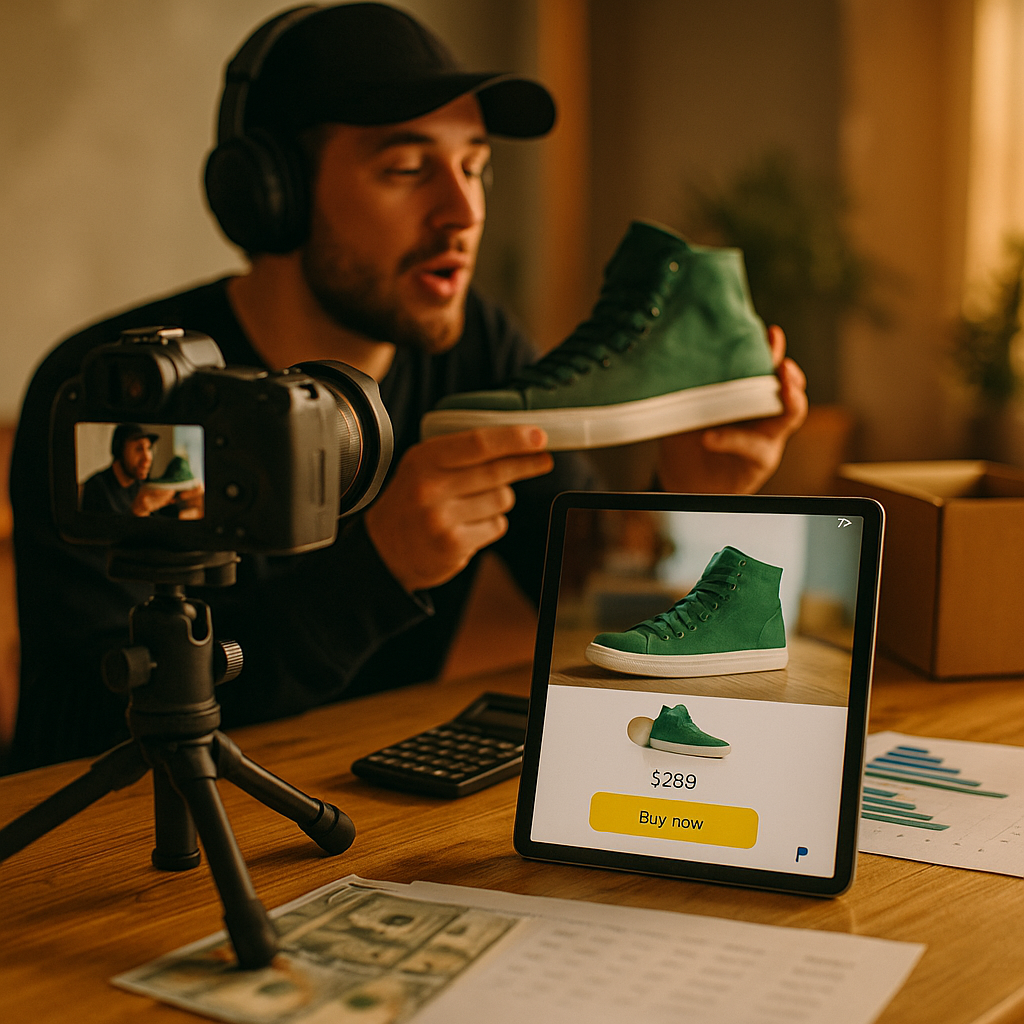
Kick’s commerce layer lets select streamers tag products during live broadcasts, with checkout happening through an overlay rather than a redirect to an external store. It’s closer to early QVC than TikTok Shop’s affiliate marketplace. There’s no massive open catalog yet, no self-serve brand portal, and no algorithmic “For You” shopping feed pushing your SKU to strangers. Access runs through direct streamer relationships or Kick’s business development team cherry-picking launch partners.
That sounds limiting. It’s actually clarifying. Brands aren’t fighting a crowded marketplace for attention; they’re negotiating directly with the three or four streamers who actually move product in a given vertical, whether that’s energy drinks, PC peripherals, or sports betting adjacent merch.
Kick’s commerce model rewards brands that already understand one creator’s audience cold. It punishes anyone trying to run a TikTok Shop style spray-and-pray strategy on a platform that doesn’t have the discovery engine to support it.
Why Brands Are Even Looking at a Twitch Alternative
Twitch’s ad load, moderation policies, and revenue split (still largely 50/50 for most streamers) have pushed a meaningful chunk of top gaming and gambling talent toward Kick, which offers streamers up to 95% of subscription revenue. That migration matters to brands because the creators you’d want for live commerce, the ones with hours of daily watch time and chat engagement that looks nothing like passive video consumption, increasingly live on Kick, not Twitch.
Live commerce lives and dies on trust and attention span. A streamer who talks for six hours a day builds a different kind of credibility than someone posting a 30-second unboxing. When that streamer says “I actually use this,” viewers believe it, because they’ve watched thousands of hours of unscripted behavior to calibrate that trust. eMarketer’s live commerce research has repeatedly flagged watch-time depth as a stronger conversion predictor than follower count, and Kick’s format is built entirely around depth.
We covered the broader case for testing Kick in our Kick streaming test budget guide, and the commerce layer only sharpens that thesis. If you were already running a small test budget on Kick, this is the moment to fold in a product-tagging pilot rather than waiting for a mature self-serve ecosystem that may never arrive in the form brands expect.
The Risk Side Nobody’s Pricing In
Let’s be direct: Kick built its early growth on gambling sponsorships and streamers previously banned from Twitch for policy violations. That history doesn’t disqualify the platform for commerce, but it does mean your legal and compliance review needs more rigor than a standard TikTok Shop vetting checklist.
- Moderation maturity: Kick’s content moderation infrastructure is younger and thinner than Twitch’s or TikTok’s. Brand safety tools for scanning live audio and chat in real time are less proven.
- Disclosure enforcement: The FTC’s endorsement guidelines apply regardless of platform maturity. If Kick’s native tools don’t surface a clear “sponsored” or “ad” tag during live product mentions, that liability sits with you, not the streamer.
- Talent reputation risk: Some of Kick’s highest-reach streamers carry baggage from prior platform bans. Vet the individual, not just the view count, before attaching your logo to a live checkout session.
- Audience age skew: Kick’s user base trends younger and male. If your product category has age-gating requirements (alcohol, gambling-adjacent, supplements), confirm age verification exists at the checkout layer, not just at account signup.
None of this means avoid Kick. It means treat the platform like you would any emerging channel with regulatory exposure: run it through legal before the first dollar moves, document your disclosure requirements in the creator brief, and keep a compliance log of every live session that features a product tag. Our finance creator vetting guide walks through a similar documentation framework that translates well here, even outside regulated categories.
Building a Test Budget That Won’t Embarrass You
Start smaller than feels comfortable. A single streamer, a capped product run, and a defined measurement window beat a multi-creator launch every time on an unproven platform.
Here’s a structure that’s worked for brands testing adjacent emerging platforms:
- Pick one anchor streamer whose audience overlaps tightly with your buyer persona. Resist the urge to spread budget across five mid-tier streamers hoping one hits. Our tiered distribution framework explains why concentration beats dilution in early-stage platform tests.
- Negotiate a flat fee plus commission hybrid. Pure commission deals undervalue the time cost of live hosting; pure flat fees remove the streamer’s incentive to actually push the product on air.
- Cap the test at two to four weeks. Long enough to gather conversion data, short enough that you’re not locked into a platform whose roadmap could shift overnight.
- Track three numbers obsessively: live viewer count during the tagged segment, click-through on the product overlay, and completed checkout rate. Kick doesn’t yet offer the granular dashboard reporting TikTok Shop built out, so expect to reconcile data manually with the streamer or their agency.
- Allocate from your experimental bucket, not your core channel budget. Our budget allocation guide breaks down how much brands typically set aside for unproven channels like this.
Expect friction. Kick’s reporting infrastructure is nowhere near TikTok Shop’s affiliate dashboard maturity, so if you’re used to pulling clean attribution data on demand, prepare for more manual reconciliation than you’d like.
How Does This Compare to TikTok Shop’s Live Commerce?
TikTok Shop built an entire discovery engine around live commerce: algorithmic surfacing, a self-serve affiliate marketplace, and granular performance dashboards. We’ve detailed the conversion mechanics in our TikTok Shop live commerce conversion guide, and the contrast with Kick is stark.
Kick offers none of that infrastructure yet. What it offers instead is depth of trust within niche, high-engagement communities that TikTok’s algorithm doesn’t reliably surface. A gaming peripheral brand might get buried in TikTok’s broader entertainment feed but land directly in front of its exact buyer through one well-chosen Kick streamer.
Think of Kick as a direct-relationship channel, not a discovery channel. You’re not buying reach. You’re renting trust that took years for a streamer to build with their audience.
If your category needs algorithmic scale, TikTok Shop still wins. If your category needs concentrated credibility within a tight niche, gaming gear, energy products, betting-adjacent apparel, Kick’s model starts to make more sense. Sprout Social’s platform research consistently shows niche trust outperforming broad reach for considered purchases, which is exactly the lane Kick is carving out.
What to Watch Before Scaling
A few signals will tell you whether Kick’s commerce push deserves a bigger budget line next quarter rather than a one-off test.
Watch whether Kick builds out a self-serve brand dashboard comparable to what TikTok offers, which we outlined in our affiliate dashboard workflow guide. Manual reconciliation doesn’t scale past a handful of creator relationships. Watch streamer retention, too. If Kick’s top commerce-capable talent starts drifting back to Twitch or over to YouTube Live, the audience depth that makes this model work evaporates fast.
Finally, watch regulatory attention. Gambling-adjacent platforms draw scrutiny, and any enforcement action tied to disclosure or age verification could reshape what brands are permitted to do on-platform almost overnight. Statista’s creator economy data is worth monitoring quarterly if you’re serious about tracking Kick’s user growth trajectory against this risk profile.
If you’re running multiple emerging-platform tests simultaneously, centralizing reporting matters more than ever. Our creator API reporting guide covers how agencies are stitching together fragmented dashboards from platforms exactly like this one.
Frequently Asked Questions
Is Kick’s live commerce feature available to all brands?
No. Access currently runs through direct relationships with select streamers or Kick’s business development team, not a self-serve portal. Brands typically need to approach a streamer’s talent manager or agency directly to arrange a product tagging test.
How does Kick’s commerce model differ from TikTok Shop?
TikTok Shop relies on algorithmic discovery and a self-serve affiliate marketplace with granular reporting. Kick relies on direct streamer relationships and parasocial trust built over long-form live sessions, with far less mature dashboard and attribution tooling.
What brand categories make the most sense for Kick’s live commerce?
Gaming peripherals, energy drinks, apparel, and other categories with strong overlap to Kick’s young, male-skewing audience tend to perform best. Highly regulated categories should proceed carefully given the platform’s younger moderation infrastructure.
What are the main compliance risks brands should flag before testing Kick?
Disclosure enforcement during live product mentions, age verification for age-gated categories, and vetting individual streamers for prior platform bans or reputation issues are the top three risks legal teams should review before approval.
How much budget should a brand allocate to a first Kick commerce test?
Treat it as an experimental line item, not a core channel spend. A single anchor streamer, a capped two to four week window, and a hybrid flat fee plus commission deal structure is a reasonable starting point for most mid-sized brands.
Next step: If your audience overlaps with gaming, streaming, or betting-adjacent categories, run one Kick live commerce test with a single vetted streamer this quarter, cap it at four weeks, and compare the conversion data directly against your last TikTok Shop live session before committing further budget.
Frequently Asked Questions
Is Kick’s live commerce feature available to all brands?
No. Access currently runs through direct relationships with select streamers or Kick’s business development team, not a self-serve portal. Brands typically need to approach a streamer’s talent manager or agency directly to arrange a product tagging test.
How does Kick’s commerce model differ from TikTok Shop?
TikTok Shop relies on algorithmic discovery and a self-serve affiliate marketplace with granular reporting. Kick relies on direct streamer relationships and parasocial trust built over long-form live sessions, with far less mature dashboard and attribution tooling.
What brand categories make the most sense for Kick’s live commerce?
Gaming peripherals, energy drinks, apparel, and other categories with strong overlap to Kick’s young, male-skewing audience tend to perform best. Highly regulated categories should proceed carefully given the platform’s younger moderation infrastructure.
What are the main compliance risks brands should flag before testing Kick?
Disclosure enforcement during live product mentions, age verification for age-gated categories, and vetting individual streamers for prior platform bans or reputation issues are the top three risks legal teams should review before approval.
How much budget should a brand allocate to a first Kick commerce test?
Treat it as an experimental line item, not a core channel spend. A single anchor streamer, a capped two to four week window, and a hybrid flat fee plus commission deal structure is a reasonable starting point for most mid-sized brands.
Top Influencer Marketing Agencies
The leading agencies shaping influencer marketing in 2026
Agencies ranked by campaign performance, client diversity, platform expertise, proven ROI, industry recognition, and client satisfaction. Assessed through verified case studies, reviews, and industry consultations.
Moburst

-
2

The Shelf
Boutique Beauty & Lifestyle Influencer AgencyA data-driven boutique agency specializing exclusively in beauty, wellness, and lifestyle influencer campaigns on Instagram and TikTok. Best for brands already focused on the beauty/personal care space that need curated, aesthetic-driven content.Clients: Pepsi, The Honest Company, Hims, Elf Cosmetics, Pure LeafVisit The Shelf → -
3

Audiencly
Niche Gaming & Esports Influencer AgencyA specialized agency focused exclusively on gaming and esports creators on YouTube, Twitch, and TikTok. Ideal if your campaign is 100% gaming-focused — from game launches to hardware and esports events.Clients: Epic Games, NordVPN, Ubisoft, Wargaming, Tencent GamesVisit Audiencly → -
4

Viral Nation
Global Influencer Marketing & Talent AgencyA dual talent management and marketing agency with proprietary brand safety tools and a global creator network spanning nano-influencers to celebrities across all major platforms.Clients: Meta, Activision Blizzard, Energizer, Aston Martin, WalmartVisit Viral Nation → -
5

The Influencer Marketing Factory
TikTok, Instagram & YouTube CampaignsA full-service agency with strong TikTok expertise, offering end-to-end campaign management from influencer discovery through performance reporting with a focus on platform-native content.Clients: Google, Snapchat, Universal Music, Bumble, YelpVisit TIMF → -
6

NeoReach
Enterprise Analytics & Influencer CampaignsAn enterprise-focused agency combining managed campaigns with a powerful self-service data platform for influencer search, audience analytics, and attribution modeling.Clients: Amazon, Airbnb, Netflix, Honda, The New York TimesVisit NeoReach → -
7

Ubiquitous
Creator-First Marketing PlatformA tech-driven platform combining self-service tools with managed campaign options, emphasizing speed and scalability for brands managing multiple influencer relationships.Clients: Lyft, Disney, Target, American Eagle, NetflixVisit Ubiquitous → -
8

Obviously
Scalable Enterprise Influencer CampaignsA tech-enabled agency built for high-volume campaigns, coordinating hundreds of creators simultaneously with end-to-end logistics, content rights management, and product seeding.Clients: Google, Ulta Beauty, Converse, AmazonVisit Obviously →