


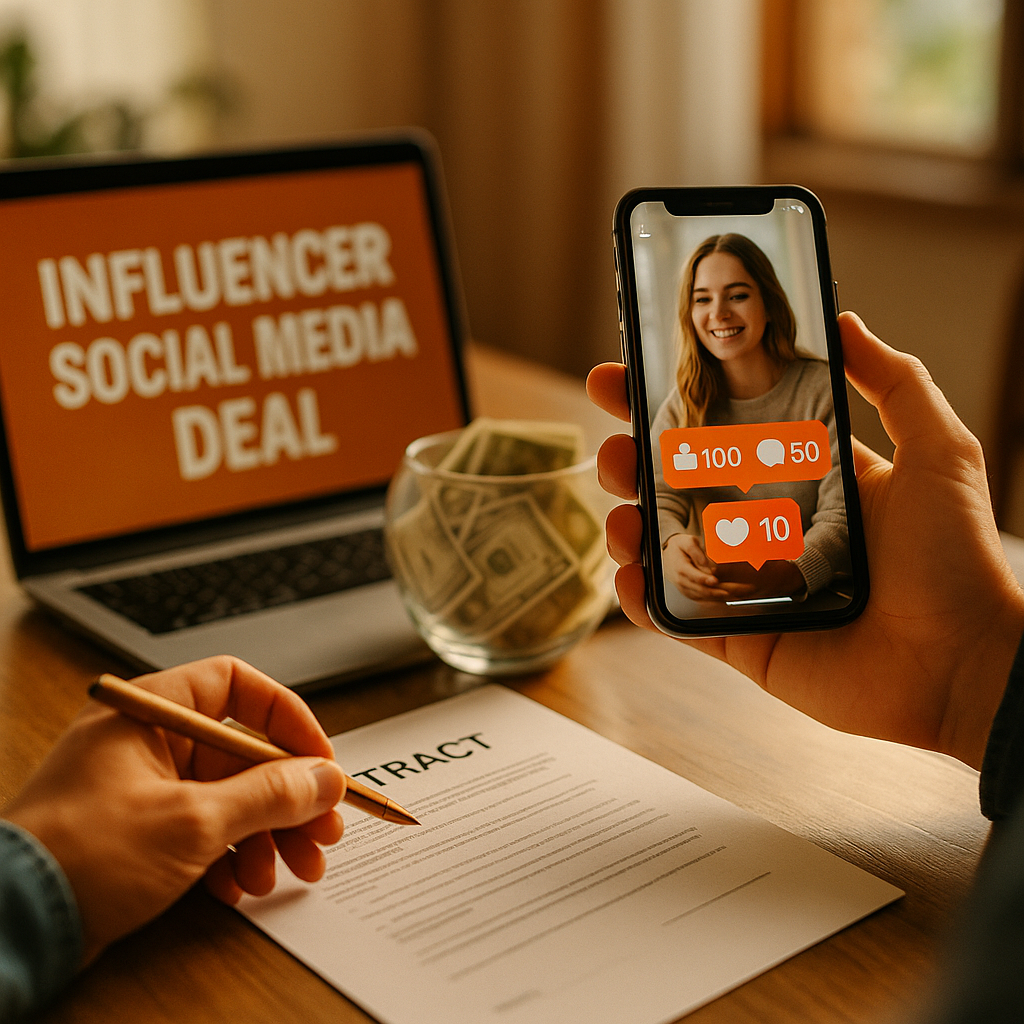
Roughly a third of influencer contracts signed at major deal events still lack clear usage rights language, according to industry surveys of marketplace transactions. That gap costs brands real money later, usually in the form of surprise licensing fees or legal disputes nobody budgeted for. As IMCX and Platform Social gear up for another deal-heavy season, the brands walking away with the best outcomes won’t be the ones who negotiated the lowest rate. They’ll be the ones who negotiated the right terms.
Deal-focused events like these have become the de facto marketplace where agencies, platforms, and brand teams hash out annual creator commitments in compressed timeframes. That speed is the appeal and the risk. When you’re signing five partnerships before lunch, it’s easy to let boilerplate terms slide. Don’t.
Why Deal Events Have Become High-Stakes Negotiation Theater
Events like IMCX and Platform Social exist because the creator economy got too big for one-off email negotiations. Brands now manage dozens, sometimes hundreds, of creator relationships simultaneously, and consolidating deal-making into a few intense days makes operational sense. But concentration creates pressure, and pressure favors whoever walks in prepared.
Agencies and platform reps attending these events come armed with rate cards, performance data, and pre-built proposals. Brand teams often show up with a budget number and a wishlist. That asymmetry is exactly why diligence rooms at IMCX have become a bigger draw than the keynote stages. Brands are learning to treat these events less like networking opportunities and more like procurement sprints.
The brands getting the best deal terms aren’t negotiating price first. They’re negotiating data rights, usage windows, and exit clauses, then letting price follow from there.
What’s Actually on the Table This Year
Platform Social has leaned harder into AI-matched creator discovery, which means more of the deals brokered on-site involve algorithmic sourcing rather than manual vetting. That shift matters for negotiation because algorithmic matches often come with thinner historical performance data. You’re trusting the platform’s model more than a human relationship manager’s judgment call.
Meanwhile, IMCX has doubled down on its audit trail infrastructure, a direct response to brands getting burned by undocumented FTC disclosure failures and vague contract language in prior cycles. The diligence room model now lets legal and compliance teams review contract clauses in real time, which sounds tedious until you remember how many brands have eaten six-figure fines because nobody checked disclosure compliance before the campaign launched.
The Five Terms Brands Should Fight For, Not Rate
Rate negotiation gets all the attention because it’s the easiest number to compare. But rate is a lagging indicator of deal quality. The terms below determine whether a cheap deal turns expensive later.
- Usage rights duration and scope. Perpetual usage for a flat fee sounds great until the creator’s audience shifts demographics and the content no longer fits your brand voice. Negotiate renewal windows, not perpetuity.
- Exclusivity carve-outs. Category exclusivity is expensive, and most brands overpay for broader exclusivity than they actually need. Narrow it to direct competitors, not adjacent categories.
- Performance clawback clauses. If a creator’s engagement craters mid-campaign due to a platform algorithm change or a personal scandal, you need an exit mechanism that doesn’t require litigation.
- Disclosure compliance ownership. Spell out who is liable if the creator fails to tag sponsored content properly. Too many contracts leave this ambiguous, and FTC enforcement doesn’t care whose fault it was.
- Data access and attribution rights. If you can’t get platform-level performance data tied to the specific creator deal, you can’t prove ROI later. Make data access a contract term, not a goodwill request.
That last point connects to a problem plaguing the entire industry right now. Brands keep reporting gains from creator campaigns but struggle to prove it with hard numbers, a pattern documented in the creator ROI paradox research showing the vast majority of marketers can’t substantiate the wins they report. If your deal terms don’t guarantee data access, you’re setting up that same problem for yourself.
Pricing Has Shifted. Your Negotiation Playbook Should Too
Here’s something worth saying plainly: the balance of power in creator pricing has moved. Nano and micro creators are flooding marketplaces faster than brand demand can absorb them, which has created genuine pricing leverage for buyers at the lower end of the market. If your procurement team is still negotiating nano and micro deals like it’s a seller’s market, you’re leaving money on the table.
Mid-tier and celebrity-tier pricing tells a different story. Budgets are tightening there as brands chase trust over raw reach, a trend covered in depth around how celebrity spend keeps shrinking. That means your negotiation leverage at IMCX and Platform Social will vary wildly depending on which tier you’re buying into. Treat each tier as a separate negotiation strategy, not one blanket approach.
Pricing itself has also gotten murkier. Post rates quoted at these events frequently hide cost drivers that only surface after signing, usage buyouts, whitelisting fees, revision rounds, and content licensing extensions among them. The breakdown in hidden influencer pricing costs is worth reviewing before you sit down at any negotiation table this season, because knowing which line items to ask about upfront saves you from change-order surprises mid-campaign.
Compliance Risk Is the Negotiation Point Nobody Wants to Own
Marketplace expansion has made sourcing easier and compliance messier at the same time. More creators, more platforms, more jurisdictions, more disclosure rules to track. Research on compliance risk in expanding marketplaces shows this isn’t a theoretical concern, it’s an operational reality that’s already costing brands in fines and brand safety incidents.
When you’re negotiating at IMCX or Platform Social, ask directly: who holds compliance liability if a creator posts in a jurisdiction with stricter disclosure rules than the US? The UK’s ICO and equivalent bodies elsewhere have different disclosure standards than the FTC, and a contract silent on jurisdiction is a contract waiting to cause problems. Get this in writing before you sign anything, not after a campaign goes sideways.
Retainers Over One-Off Deals: A Negotiating Lever Worth Using
One pattern worth exploiting at this year’s events: platforms and agencies are increasingly open to structured retainer arrangements rather than one-off campaign deals. That’s partly because retainers reduce their own acquisition costs, and partly because the data increasingly supports it. Monthly retainer structures have been shown to cut customer acquisition costs by roughly 40 percent compared to one-off spend, largely because ongoing relationships build creative consistency and audience trust that single posts can’t replicate.
If you’re negotiating with a creator agency or platform rep, push for retainer pricing even if your current plan is campaign-by-campaign. You can structure exit clauses that protect you if performance doesn’t hold, while still capturing the rate advantage that comes with committed volume. Episodic content formats in particular have shown stronger retention than one-off posts, a dynamic explored in coverage of episodic series performance, which gives you a data point to cite when the agency pushes back on retainer terms.
What to Bring Into the Room
Preparation separates brands that negotiate well from brands that just show up. Before walking into any session at either event, your team should have:
- A documented budget ceiling with tier-by-tier allocation, so you’re not improvising numbers mid-conversation.
- A standard contract template with your non-negotiable clauses already drafted, usage rights, disclosure liability, and clawback terms included.
- Historical performance benchmarks from your own past campaigns, so you can push back on inflated projections from agency pitches.
- A clear answer to who owns final sign-off on-site, because deals move fast and waiting for Monday approval kills leverage.
Marketing technology spend tied to creator tooling keeps climbing, with growth rates topping 15 percent annually in recent tracking. A chunk of that spend goes toward platforms that help brands manage exactly the contract and compliance workflows discussed here. If your team hasn’t invested in that tooling yet, these deal events are a good place to evaluate vendors offering it, several will have booths dedicated to contract management and disclosure tracking.
For broader context on where budgets are heading industry-wide, the eMarketer and Statista creator economy trackers are useful benchmarks to pull before you negotiate, since agencies will cite growth figures and you should be ready to verify them against independent sources rather than taking a pitch deck at face value.
FAQs
What should brands prioritize over price when negotiating at IMCX or Platform Social?
Usage rights, disclosure liability, and data access terms matter more than the headline rate. A low rate with poor usage terms or vague compliance ownership often costs more in the long run through licensing disputes or regulatory fines.
Are nano and micro influencer rates still favorable for brands?
Yes. An oversupply of nano and micro creators relative to brand demand has shifted pricing leverage toward buyers at that tier, making it a good time to negotiate volume deals at lower per-post rates.
How should brands handle compliance liability in creator contracts?
Contracts should explicitly state who is responsible for FTC or regional disclosure compliance failures. Leaving this ambiguous exposes brands to regulatory risk even when the failure originates with the creator.
Is it worth negotiating retainer deals instead of one-off campaigns?
Often yes. Retainer structures have shown measurable reductions in customer acquisition costs compared to one-off spend, and they tend to produce more consistent creative output over time.
What documentation should a brand bring to a deal-focused event?
A tiered budget plan, a standard contract template with non-negotiable clauses pre-drafted, historical campaign performance data, and clarity on who holds final sign-off authority on-site.
Bottom line: walk into IMCX and Platform Social with your contract clauses drafted before you negotiate a single rate. The brands that win this deal season will be the ones who treated compliance and usage terms as seriously as the price tag.
FAQs
What should brands prioritize over price when negotiating at IMCX or Platform Social?
Usage rights, disclosure liability, and data access terms matter more than the headline rate. A low rate with poor usage terms or vague compliance ownership often costs more in the long run through licensing disputes or regulatory fines.
Are nano and micro influencer rates still favorable for brands?
Yes. An oversupply of nano and micro creators relative to brand demand has shifted pricing leverage toward buyers at that tier, making it a good time to negotiate volume deals at lower per-post rates.
How should brands handle compliance liability in creator contracts?
Contracts should explicitly state who is responsible for FTC or regional disclosure compliance failures. Leaving this ambiguous exposes brands to regulatory risk even when the failure originates with the creator.
Is it worth negotiating retainer deals instead of one-off campaigns?
Often yes. Retainer structures have shown measurable reductions in customer acquisition costs compared to one-off spend, and they tend to produce more consistent creative output over time.
What documentation should a brand bring to a deal-focused event?
A tiered budget plan, a standard contract template with non-negotiable clauses pre-drafted, historical campaign performance data, and clarity on who holds final sign-off authority on-site.
Top Influencer Marketing Agencies
The leading agencies shaping influencer marketing in 2026
Agencies ranked by campaign performance, client diversity, platform expertise, proven ROI, industry recognition, and client satisfaction. Assessed through verified case studies, reviews, and industry consultations.
Moburst

-
2

The Shelf
Boutique Beauty & Lifestyle Influencer AgencyA data-driven boutique agency specializing exclusively in beauty, wellness, and lifestyle influencer campaigns on Instagram and TikTok. Best for brands already focused on the beauty/personal care space that need curated, aesthetic-driven content.Clients: Pepsi, The Honest Company, Hims, Elf Cosmetics, Pure LeafVisit The Shelf → -
3

Audiencly
Niche Gaming & Esports Influencer AgencyA specialized agency focused exclusively on gaming and esports creators on YouTube, Twitch, and TikTok. Ideal if your campaign is 100% gaming-focused — from game launches to hardware and esports events.Clients: Epic Games, NordVPN, Ubisoft, Wargaming, Tencent GamesVisit Audiencly → -
4

Viral Nation
Global Influencer Marketing & Talent AgencyA dual talent management and marketing agency with proprietary brand safety tools and a global creator network spanning nano-influencers to celebrities across all major platforms.Clients: Meta, Activision Blizzard, Energizer, Aston Martin, WalmartVisit Viral Nation → -
5

The Influencer Marketing Factory
TikTok, Instagram & YouTube CampaignsA full-service agency with strong TikTok expertise, offering end-to-end campaign management from influencer discovery through performance reporting with a focus on platform-native content.Clients: Google, Snapchat, Universal Music, Bumble, YelpVisit TIMF → -
6

NeoReach
Enterprise Analytics & Influencer CampaignsAn enterprise-focused agency combining managed campaigns with a powerful self-service data platform for influencer search, audience analytics, and attribution modeling.Clients: Amazon, Airbnb, Netflix, Honda, The New York TimesVisit NeoReach → -
7

Ubiquitous
Creator-First Marketing PlatformA tech-driven platform combining self-service tools with managed campaign options, emphasizing speed and scalability for brands managing multiple influencer relationships.Clients: Lyft, Disney, Target, American Eagle, NetflixVisit Ubiquitous → -
8

Obviously
Scalable Enterprise Influencer CampaignsA tech-enabled agency built for high-volume campaigns, coordinating hundreds of creators simultaneously with end-to-end logistics, content rights management, and product seeding.Clients: Google, Ulta Beauty, Converse, AmazonVisit Obviously →