


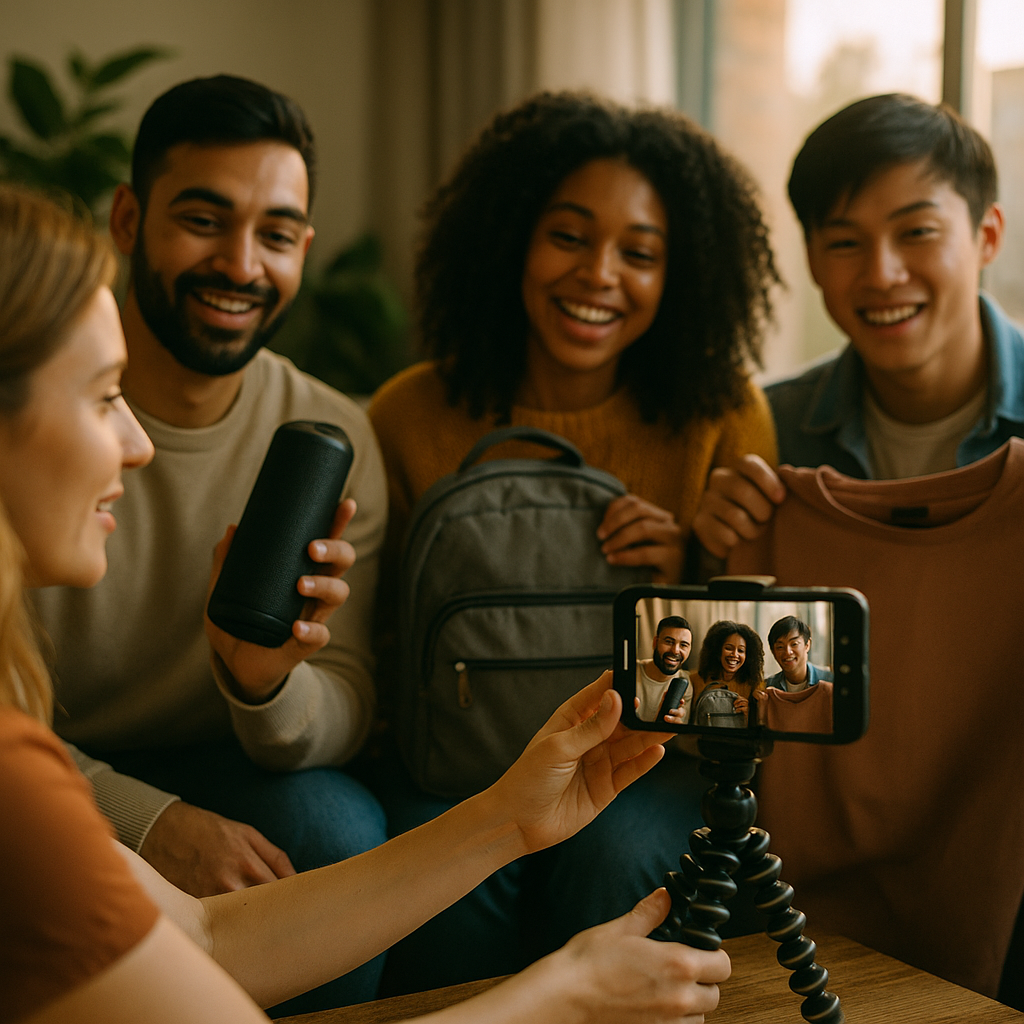
One nano creator post with 4,000 followers can outperform a mega-influencer deal in conversion rate, according to recent eMarketer benchmarks on engagement by tier. Now imagine casting twenty of them for one campaign instead of one. That is the premise behind the nano creator ensemble cast, a format reshaping how brands think about reach, risk, and authenticity in a single media buy.
What Is a Nano Creator Ensemble Cast?
Instead of anchoring a campaign to one or two high-follower names, brands assemble a rotating cast of ten to fifty nano creators (typically 1,000 to 10,000 followers) who each contribute one piece of content around a shared brief. Think of it less like hiring a spokesperson and more like casting an ensemble TV show. No single character carries the plot. The collective voice does.
This isn’t influencer seeding at scale with a fancier name. It’s a structured production model with shared creative direction, synchronized posting windows, and a single measurement framework across dozens of small, disconnected audiences that rarely overlap.
Why Brands Are Shifting Budget This Direction
Three forces are pushing marketing teams toward ensemble casts: diminishing returns on macro-influencer deals, platform algorithms that favor native-feeling content, and procurement teams that want to de-risk spend across many small contracts rather than one large one.
A single mega-influencer partnership can run six figures and still flop if the creator’s audience doesn’t match the product. Spread that same budget across thirty nano creators and a bad individual result barely dents the aggregate. It’s portfolio theory applied to creator marketing.
Nano creators typically post content that looks like a recommendation from a friend, not an ad. That authenticity premium is exactly what ensemble casting is built to multiply.
The ROI Case: Smaller Checks, Bigger Pattern Recognition
Here’s the uncomfortable math most agencies don’t advertise: nano creators often charge $50 to $300 per post, compared to $10,000 plus for mid-tier influencers with 100,000 followers. Cast thirty nanos for the price of one mid-tier deal, and you get thirty data points on messaging, thirty distinct audience segments, and thirty creative executions to test against each other.
That volume matters for attribution. Running an ensemble cast essentially turns your influencer program into a live cross channel hook testing engine. You’re not betting on one creative angle landing. You’re running a dozen variations simultaneously and letting performance data tell you which hooks, formats, and tones actually move product.
- Lower per-creator risk means a single underperformer doesn’t tank campaign KPIs.
- Diverse micro-audiences reduce frequency fatigue that plagues single-influencer deals.
- Faster creative iteration since you’re reviewing short, simple briefs rather than elaborate single productions.
- Better compliance posture because disclosure patterns are easier to standardize across a uniform brief.
Casting the Ensemble: Operational Playbook
Running thirty or fifty creator relationships manually is a staffing nightmare. Brands solving this well treat ensemble casting like a production pipeline, not a series of one-off negotiations.
Start with a tight creative brief that leaves room for individual voice. The best nano ensemble campaigns give creators a shared hook or structure, similar to the logic behind template-based seeding, but let each person interpret it in their own tone. Rigid scripts kill the authenticity that made nano creators valuable in the first place.
Next, standardize your contract and payment terms across the entire cast. Platforms built for creator marketplace management (several brands use tools adjacent to what’s listed on Meta Business or TikTok Ads creator marketplaces) can automate briefing, contracting, and payout at this volume. Without that infrastructure, ensemble casts collapse under their own administrative weight.
Briefing for Consistency Without Killing Authenticity
The tension every brand hits: you need enough consistency across thirty creators to build a recognizable campaign, but too much control turns nano creators into unpaid ad actors, which audiences detect instantly. The fix is briefing for structure, not script.
Give creators a format, not dialogue. A good brief might say “show your honest first reaction in the first three seconds” rather than scripting exact words. This mirrors the thinking in confessional video briefs, where raw honesty outperforms polish precisely because it wasn’t over-engineered.
Some brands also borrow pacing techniques from proven formats, like pairing creator reactions with product proof the way split screen reviews do, or using silent-friendly structures from sound off scripting so content performs well whether or not the viewer has audio on. The brief gives the skeleton. The creator supplies the muscle.
Measurement: What Actually Counts as Success Here?
Ensemble casts break traditional influencer reporting. You can’t track thirty creators the way you’d track one, and vanity metrics like total reach get misleading fast when audiences overlap minimally.
Smarter brands measure ensemble performance in aggregate bands rather than individual creator report cards. Group creators by content angle or hook type, then compare conversion lift across groups rather than across people. This turns your cast into a structured experiment rather than thirty disconnected relationships.
Unique discount codes per creator still work, but at this scale, UTM-tagged links managed through a shared dashboard are more practical. Track engagement rate, saves, and click-through by cohort, then feed winning formats back into your next casting round. According to Sprout Social research on engagement benchmarks, smaller accounts consistently post higher engagement rates than larger ones, which is exactly the signal ensemble casting is designed to capture and multiply.
Treat each nano creator not as a media placement but as a data point in a live creative experiment. The campaign isn’t the content. It’s the pattern across the content.
Where This Format Breaks Down
Ensemble casting isn’t free of risk. It just distributes the risk differently, and brands that ignore the new failure modes get burned.
Disclosure compliance is the biggest one. Running fifty creators means fifty chances for someone to forget an #ad tag or bury a disclosure below the fold. The FTC’s endorsement guidance applies to every single creator regardless of follower count, and regulators have shown no patience for “they’re too small to matter” excuses. Build disclosure checks into your standardized contract and spot-check published content, not just submitted drafts.
Quality control is the second failure point. With one influencer, you review one piece of content carefully. With thirty nano creators, teams get lazy and rubber-stamp drafts. That’s how off-brand or legally risky content slips through. A lightweight approval workflow, even a simple checklist, matters more at this scale, not less.
Finally, there’s creative fatigue on the brand side. Briefing and reviewing thirty pieces of content per cycle is genuinely more work than managing two big-name partnerships, even if the dollar spend is lower. Teams that underestimate the operational lift end up with a bloated cast and no bandwidth to actually analyze results.
A Format That Rewards Specific Use Cases
Ensemble casting isn’t the right tool for every campaign. It shines for product launches needing broad authentic proof, local market expansion where regional nano creators carry trust, and always-on content pipelines that need steady, low-cost creative volume. It’s less suited to brand awareness plays chasing a single viral moment or prestige positioning where a recognizable face matters more than aggregate reach.
Some brands blend formats, pairing a small ensemble cast with a single anchor creator for credibility, similar to how founder confessional videos work alongside broader creator content to add a human throughline to a wider campaign.
Frequently Asked Questions
FAQs
What counts as a nano creator in an ensemble cast?
Most brands define nano creators as those with 1,000 to 10,000 followers, though some extend the range to 15,000. The key trait isn’t follower count alone, it’s the tight, high-trust relationship these creators have with a small, engaged audience.
How many creators should be in a typical ensemble cast?
Campaigns typically run ten to fifty creators, depending on budget and testing goals. Smaller casts of ten to fifteen work well for initial testing, while larger casts of thirty plus suit full product launches or multi-market rollouts.
Is nano creator ensemble casting cheaper than working with one macro-influencer?
Often yes, in aggregate spend, but not necessarily in operational cost. Per-post fees are far lower, but briefing, contracting, and reviewing content across dozens of creators requires more staff time or marketplace software to manage efficiently.
How do you measure ROI across so many small creators?
Group creators by content format or hook type and measure performance by cohort rather than individually. Unique UTM links or discount codes per creator still work, but aggregate reporting dashboards make the data far more actionable at scale.
What’s the biggest compliance risk with ensemble casts?
Inconsistent disclosure. With many creators publishing independently, it’s easy for some to skip or bury FTC-required disclosures. Standardized contracts and spot-checking live posts, not just drafts, reduce this risk significantly.
Can ensemble casting work alongside a mid-tier or macro-influencer partnership?
Yes. Many brands pair a single recognizable creator for credibility with a broader nano ensemble for authentic reach and volume. The combination covers both trust-building and scaled proof in one campaign structure.
The brands winning with nano creator ensemble casts aren’t the ones chasing the biggest names. They’re the ones treating every campaign as a live test, briefing for structure over script, and building the operational backbone to manage dozens of small relationships without losing the authenticity that made the format work in the first place.
Top Influencer Marketing Agencies
The leading agencies shaping influencer marketing in 2026
Agencies ranked by campaign performance, client diversity, platform expertise, proven ROI, industry recognition, and client satisfaction. Assessed through verified case studies, reviews, and industry consultations.
Moburst

-
2

The Shelf
Boutique Beauty & Lifestyle Influencer AgencyA data-driven boutique agency specializing exclusively in beauty, wellness, and lifestyle influencer campaigns on Instagram and TikTok. Best for brands already focused on the beauty/personal care space that need curated, aesthetic-driven content.Clients: Pepsi, The Honest Company, Hims, Elf Cosmetics, Pure LeafVisit The Shelf → -
3

Audiencly
Niche Gaming & Esports Influencer AgencyA specialized agency focused exclusively on gaming and esports creators on YouTube, Twitch, and TikTok. Ideal if your campaign is 100% gaming-focused — from game launches to hardware and esports events.Clients: Epic Games, NordVPN, Ubisoft, Wargaming, Tencent GamesVisit Audiencly → -
4

Viral Nation
Global Influencer Marketing & Talent AgencyA dual talent management and marketing agency with proprietary brand safety tools and a global creator network spanning nano-influencers to celebrities across all major platforms.Clients: Meta, Activision Blizzard, Energizer, Aston Martin, WalmartVisit Viral Nation → -
5

The Influencer Marketing Factory
TikTok, Instagram & YouTube CampaignsA full-service agency with strong TikTok expertise, offering end-to-end campaign management from influencer discovery through performance reporting with a focus on platform-native content.Clients: Google, Snapchat, Universal Music, Bumble, YelpVisit TIMF → -
6

NeoReach
Enterprise Analytics & Influencer CampaignsAn enterprise-focused agency combining managed campaigns with a powerful self-service data platform for influencer search, audience analytics, and attribution modeling.Clients: Amazon, Airbnb, Netflix, Honda, The New York TimesVisit NeoReach → -
7

Ubiquitous
Creator-First Marketing PlatformA tech-driven platform combining self-service tools with managed campaign options, emphasizing speed and scalability for brands managing multiple influencer relationships.Clients: Lyft, Disney, Target, American Eagle, NetflixVisit Ubiquitous → -
8

Obviously
Scalable Enterprise Influencer CampaignsA tech-enabled agency built for high-volume campaigns, coordinating hundreds of creators simultaneously with end-to-end logistics, content rights management, and product seeding.Clients: Google, Ulta Beauty, Converse, AmazonVisit Obviously →