


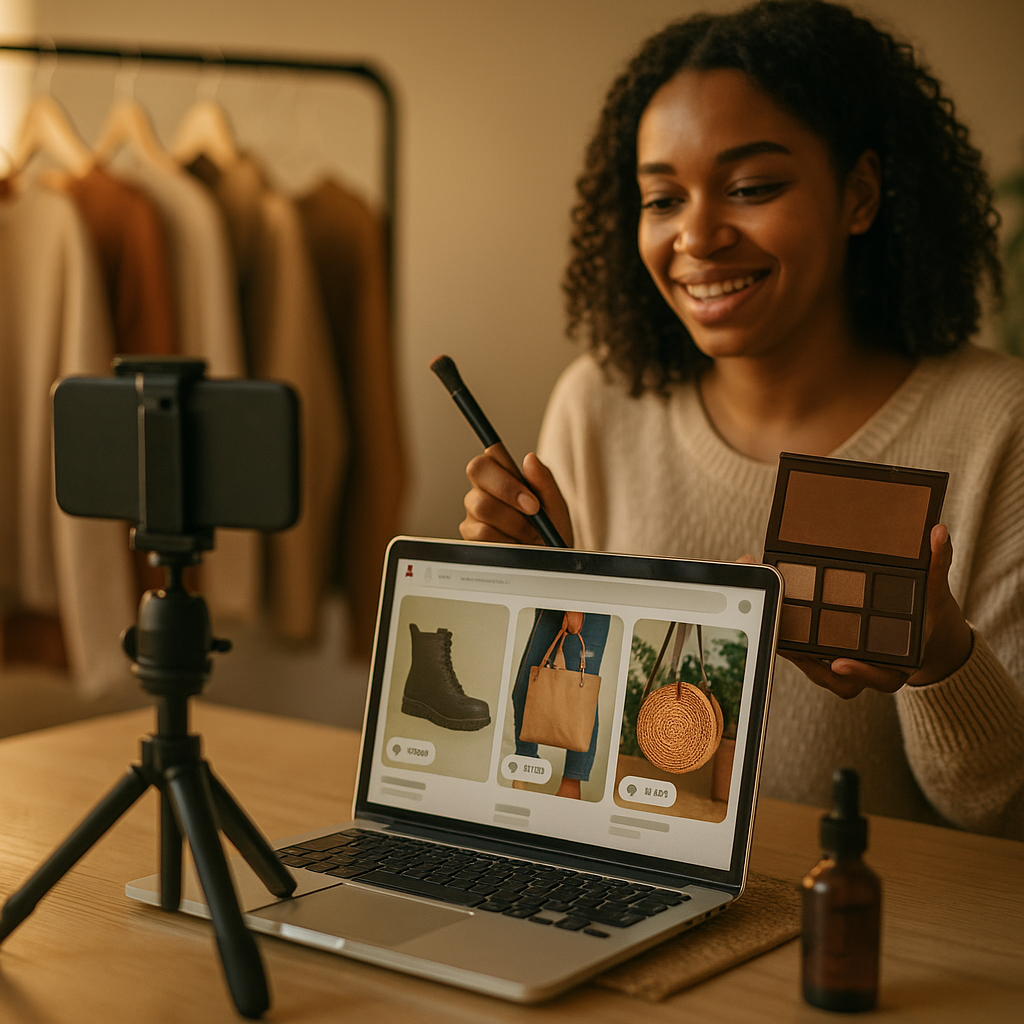
Pinterest shopping ads now convert at nearly double the rate of standard product pins when paired with creator content, according to internal platform benchmarks shared with advertisers this year. That single stat should make any brand marketer rethink Pinterest’s place in the media plan. For years, Pinterest sat in the “nice to have” bucket, overshadowed by TikTok Shop and Instagram Reels. That’s no longer defensible.
Pinterest Finally Cracked the Creator Problem
Pinterest spent most of the last decade as a planning platform, not a shopping one. People pinned, they didn’t purchase, at least not directly. The platform’s own leadership admitted as much in earnings calls, repeatedly pointing to “intent without conversion” as the core monetization gap.
That gap started closing when Pinterest rebuilt its ad stack around creator content rather than purely brand-produced assets. The logic is simple: users trust a creator’s styling video or product demo more than a polished catalog image. Pinterest’s own data suggests idea pins and creator-sourced content drive meaningfully higher save-to-click ratios than branded static pins, and the platform has leaned hard into that insight with its Creator Rewards and Shopping Spotlight programs.
For brand strategists, this is a distribution opportunity hiding in plain sight. Pinterest’s user base skews toward high-intent, high-income shoppers actively searching for products, not scrolling passively. Pair that intent with authentic creator content, and you get a conversion environment that’s structurally different from TikTok’s entertainment-first feed or Instagram’s social-first graph.
Pinterest users are 85% more likely to make a purchase after seeing product content on the platform compared to other channels, per data Pinterest has shared with advertisers. Creator content is now the primary lever pulling that intent toward checkout.
What Changed in the Ad Product Itself
The technical shift matters as much as the cultural one. Pinterest’s shopping ads unit now allows direct ingestion of creator-produced video and static content into paid placements, with built-in attribution tagging that ties a specific creator’s asset to downstream sales. That’s a meaningful upgrade from the old workflow, where brands had to manually whitelist creator posts and hope the reporting lined up.
Brands running partnership-style campaigns on Instagram will recognize the pattern. The mechanics echo what Meta built with its own partnership ads pipeline, where creator content gets boosted through the brand’s paid media account while preserving the creator’s authentic voice and handle visibility. Pinterest’s version adds its own twist: the platform’s visual search and “shop the look” features let a single creator pin surface dozens of shoppable product tags, extending reach well past the original post.
How the Distribution Actually Works
Here’s the practical flow for a 2026 Pinterest campaign that blends creator content with shopping ads:
- Source: Brands identify creators through Pinterest’s Creator Marketplace or existing agency relationships, prioritizing those with strong save rates over raw follower counts.
- Produce: Creators generate native-feeling video pins or idea pins, ideally shot vertically and optimized for Pinterest’s search-driven discovery (yes, SEO matters on Pinterest too, keyword-rich titles and descriptions still drive organic lift).
- Whitelist: Brands request paid promotion rights, then push the content into the Shopping Ads objective with product tagging enabled.
- Amplify: Budget flows behind top-performing organic creator pins first, a “prove then scale” approach that reduces wasted spend on untested creative.
- Measure: Attribution runs through Pinterest’s conversion API, increasingly integrated with Shopify and other commerce platforms for closed-loop reporting.
Notice the sequencing. Smart media buyers aren’t throwing ad dollars behind creator content blind. They’re letting organic performance signal which assets deserve paid amplification, a method that mirrors what’s working on TikTok Shop’s affiliate ranking system, where velocity and engagement determine algorithmic favor before brands commit real budget.
Who’s Winning, and Why It’s Not Who You’d Expect
Home and lifestyle brands were the obvious early adopters, which makes sense given Pinterest’s DNA. But the surprising winners in 2026 are mid-market beauty and wellness brands running lean teams. They’re treating Pinterest creator content as a lower-cost testing ground before scaling winning concepts to Meta or TikTok.
One operational detail deserves attention: Pinterest’s cost-per-click in shopping categories remains lower than Meta’s across most verticals, per data tracked by eMarketer. That CPC gap, combined with creator content’s higher trust signal, creates a margin advantage that’s hard to ignore for brands watching CAC closely.
There’s also a content-reuse angle brands are exploiting. A creator video shot for Pinterest can often be repurposed, with minor edits, for YouTube Shorts or Instagram Reels, stretching production budgets further. If you’re already managing cross-platform originality requirements, it’s worth reviewing how Instagram’s originality algorithm treats reposted or lightly-edited creator assets, since platform-specific penalties can quietly erode reach if you’re not careful about licensing terms.
Budget Benchmarks Worth Knowing
Expect to allocate somewhere between 15 and 25% of a quarterly influencer budget toward Pinterest if you’re testing seriously, not just dabbling. Agencies running multi-platform creator programs report that Pinterest requires fewer total creators than TikTok or Instagram to hit meaningful reach, largely because of the platform’s long content shelf life. A well-performing pin can drive traffic for months, unlike the 48-hour window typical of short-form video elsewhere.
That shelf life changes the ROI math entirely. A $3,000 creator partnership that generates steady traffic for six months looks very different on a cost-per-acquisition basis than a TikTok spot that peaks in three days and disappears.
Compliance Isn’t Optional, Even on a “Nicer” Platform
Pinterest’s user base might feel less chaotic than TikTok’s, but disclosure rules don’t bend based on platform vibe. The FTC’s endorsement guidelines apply equally to a sponsored Pinterest idea pin as they do to a paid YouTube integration. Brands need creators using Pinterest’s native paid partnership label, not just a vague caption mention, and that label needs to be visible before any ad amplification begins.
Agencies that have already built compliance workflows for other platforms should extend those same processes to Pinterest rather than reinventing them. The vetting rigor applied to, say, LinkedIn creator payout programs or Snapchat Spotlight partnerships translates directly: verify disclosure compliance, confirm usage rights duration, and document everything before the first dollar of paid spend goes behind the content.
The brands getting burned on Pinterest creator deals in 2026 aren’t the ones facing FTC action, they’re the ones with murky usage rights who get hit with takedown requests mid-campaign after a creator’s management renegotiates terms.
Usage rights deserve their own line item in every contract. Pinterest content has unusually long organic lifespan, which means a 90-day usage window (standard on many other platforms) might expire while the pin is still driving meaningful traffic. Negotiate for at least six months of paid usage rights, ideally twelve, given how the platform’s discovery algorithm continues to surface older, high-performing content.
Building Your 2026 Pinterest Playbook
Start small, but start with the right creators. Pinterest’s own research and third-party studies from Sprout Social both point to niche, high-trust creators outperforming celebrity-tier accounts on this platform specifically. Pinterest users are there to solve a problem or find a product, not follow a personality, so creator selection should weight expertise and content quality over audience size.
A practical rollout sequence:
- Audit your existing creator roster for anyone with strong save rates or Pinterest-native content habits already.
- Run a 60-day organic test with 5-8 creators before committing paid budget.
- Identify top-performing assets by save rate and outbound click rate, not just impressions.
- Whitelist and amplify only the proven winners, allocating 70% of budget to top performers and 30% to ongoing testing.
- Build attribution reporting that ties back to actual purchase data, not just platform-reported clicks.
Brands already running structured affiliate or livestream programs on other platforms, including YouTube’s shopping affiliate ranking system, will find the discipline transfers well. The core principle holds across every platform: let performance data, not platform hype, decide where budget goes next.
FAQs
Frequently Asked Questions
Do Pinterest shopping ads require creators to use the platform’s native shoppable tags?
Yes, for full attribution tracking and eligibility in Shopping Ads placements, creator content needs native product tags applied either by the creator or through the brand’s whitelisting process in Pinterest Ads Manager.
How much should a brand budget for a first Pinterest creator test?
Most agencies recommend starting with 15 to 25% of a quarterly creator budget, running a 60-day organic test with 5-8 creators before committing to paid amplification.
Is Pinterest creator content subject to the same FTC disclosure rules as TikTok or Instagram?
Yes. The FTC’s endorsement guidelines apply regardless of platform, and Pinterest’s native paid partnership label should be visible on any sponsored content before paid amplification begins.
Why does Pinterest content perform longer than TikTok or Instagram content?
Pinterest functions more like a search engine than a social feed, so well-tagged, keyword-optimized pins can surface in discovery for months rather than days, extending ROI well past the initial posting window.
What usage rights duration should brands negotiate for Pinterest creator content?
Given the platform’s long content shelf life, brands should aim for at least six to twelve months of paid usage rights rather than the standard 90-day terms common on other platforms.
Pinterest’s creator-shopping fusion isn’t a trend to watch from the sidelines anymore, it’s a measurable CAC advantage sitting underused in most media plans. Run the 60-day organic test this quarter, let the save-rate data pick your winners, then put real paid budget behind what’s already proven to work.
Top Influencer Marketing Agencies
The leading agencies shaping influencer marketing in 2026
Agencies ranked by campaign performance, client diversity, platform expertise, proven ROI, industry recognition, and client satisfaction. Assessed through verified case studies, reviews, and industry consultations.
Moburst

-
2

The Shelf
Boutique Beauty & Lifestyle Influencer AgencyA data-driven boutique agency specializing exclusively in beauty, wellness, and lifestyle influencer campaigns on Instagram and TikTok. Best for brands already focused on the beauty/personal care space that need curated, aesthetic-driven content.Clients: Pepsi, The Honest Company, Hims, Elf Cosmetics, Pure LeafVisit The Shelf → -
3

Audiencly
Niche Gaming & Esports Influencer AgencyA specialized agency focused exclusively on gaming and esports creators on YouTube, Twitch, and TikTok. Ideal if your campaign is 100% gaming-focused — from game launches to hardware and esports events.Clients: Epic Games, NordVPN, Ubisoft, Wargaming, Tencent GamesVisit Audiencly → -
4

Viral Nation
Global Influencer Marketing & Talent AgencyA dual talent management and marketing agency with proprietary brand safety tools and a global creator network spanning nano-influencers to celebrities across all major platforms.Clients: Meta, Activision Blizzard, Energizer, Aston Martin, WalmartVisit Viral Nation → -
5

The Influencer Marketing Factory
TikTok, Instagram & YouTube CampaignsA full-service agency with strong TikTok expertise, offering end-to-end campaign management from influencer discovery through performance reporting with a focus on platform-native content.Clients: Google, Snapchat, Universal Music, Bumble, YelpVisit TIMF → -
6

NeoReach
Enterprise Analytics & Influencer CampaignsAn enterprise-focused agency combining managed campaigns with a powerful self-service data platform for influencer search, audience analytics, and attribution modeling.Clients: Amazon, Airbnb, Netflix, Honda, The New York TimesVisit NeoReach → -
7

Ubiquitous
Creator-First Marketing PlatformA tech-driven platform combining self-service tools with managed campaign options, emphasizing speed and scalability for brands managing multiple influencer relationships.Clients: Lyft, Disney, Target, American Eagle, NetflixVisit Ubiquitous → -
8

Obviously
Scalable Enterprise Influencer CampaignsA tech-enabled agency built for high-volume campaigns, coordinating hundreds of creators simultaneously with end-to-end logistics, content rights management, and product seeding.Clients: Google, Ulta Beauty, Converse, AmazonVisit Obviously →