


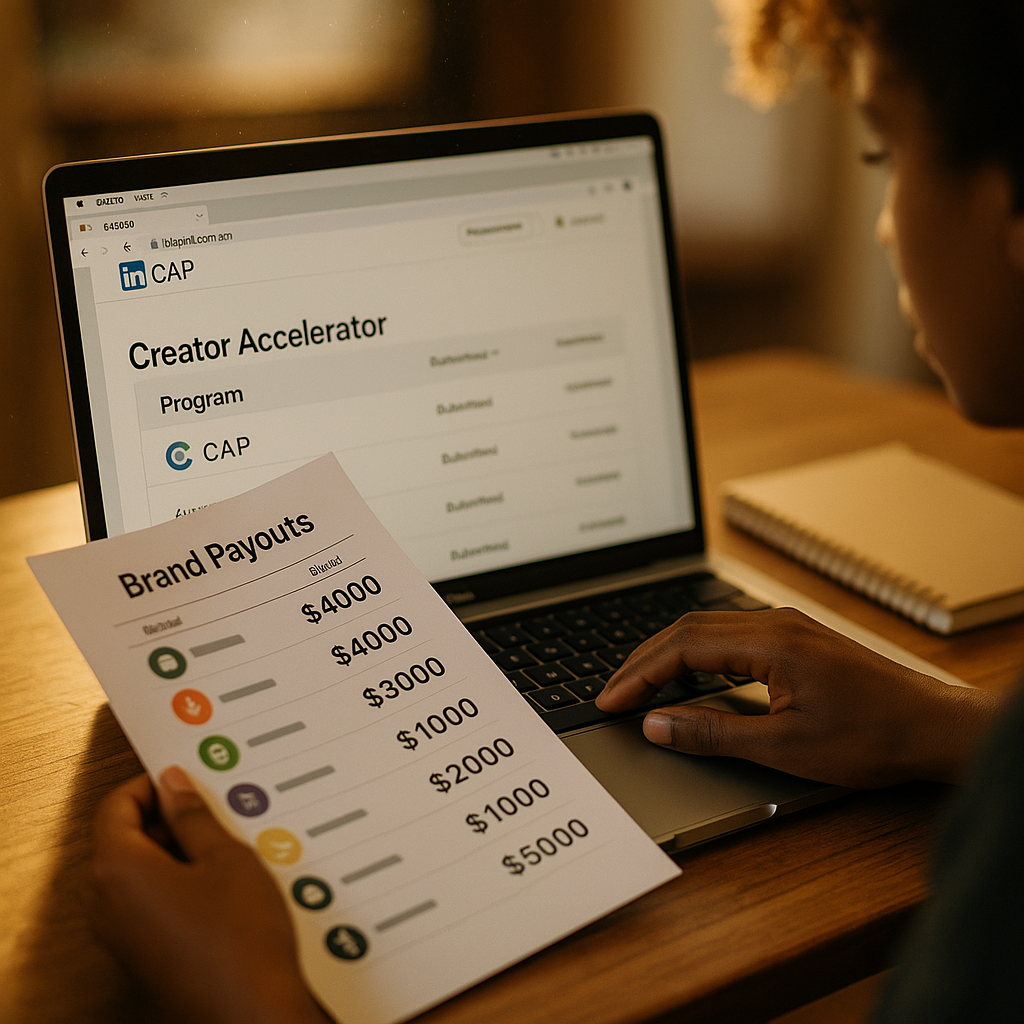
LinkedIn now claims creator content drives 2x more engagement per impression than standard company page posts. That single stat is why the platform’s new Creator Accelerator Program has B2B marketing teams scrambling to understand the mechanics before competitors lock in the best creator partnerships. But the LinkedIn Creator Accelerator Program isn’t a simple copy of TikTok’s Creator Fund or YouTube’s Partner Program. It comes with its own payout logic, reach incentives, and brand-side risks that deserve a hard look before you move budget.
What the Program Actually Changes
LinkedIn has spent years treating creators as an afterthought. Thought leaders, consultants, and niche B2B voices built audiences on the platform largely through organic hustle, not platform support. The Creator Accelerator Program flips that script. It introduces a formal payout structure tied to engagement quality (not just volume), a reach multiplier for posts that include verified brand tags, and a revenue-share model for sponsored content that routes through LinkedIn’s native tools instead of off-platform invoicing.
For brands, this matters because it changes where leverage sits. Previously, a creator’s rate card was whatever they could negotiate directly. Now LinkedIn is inserting itself as a payout intermediary, which means pricing benchmarks, minimum spend thresholds, and platform-mediated reporting are all part of the deal.
The shift from direct creator negotiation to platform-mediated payouts is the single biggest structural change marketers need to plan around, not the headline reach numbers.
Payout Mechanics: Where the Money Actually Goes
Here’s the part most brand teams skim past. LinkedIn’s payout model splits revenue three ways: a base rate tied to follower-verified reach, a performance bonus for dwell time and comment depth, and a brand-sponsorship premium when a company page is tagged as a paid partner. That third bucket is the one brand teams need to scrutinize.
Unlike Instagram’s Partnership Ads or TikTok’s Creator Marketplace, LinkedIn doesn’t publish a flat rate card. Instead, payouts are calculated algorithmically based on audience overlap between the creator and the sponsoring brand’s target industries. A creator with a strong following among SaaS procurement managers will command a different payout multiplier for a cybersecurity brand than for a fintech one, even if total follower count is identical. That’s a meaningful departure from how most marketers have budgeted creator spend to date, and it means your old CPM math from Instagram Reels pricing models won’t translate cleanly.
Practically, this means procurement teams need new line items in their influencer contracts. Ask creators for their platform-reported audience industry breakdown before negotiating a flat fee. If a creator’s audience skews heavily toward a vertical you don’t sell into, the “reach” you’re paying for is partly wasted spend, no matter how impressive the follower count looks on a pitch deck.
Reach Incentives: Is This Pay to Play Dressed Up as Meritocracy?
LinkedIn frames the reach multiplier as a quality signal, rewarding creators whose posts generate “meaningful conversation” rather than passive scrolls. Fair enough in theory. In practice, early brand pilots suggest the algorithm disproportionately boosts posts that include a tagged company page and a disclosed sponsorship, which conveniently nudges more creators toward formal brand deals (and more revenue toward LinkedIn’s cut).
Is that cynical? Maybe. But it’s not unprecedented. Meta did something similar when it rolled out Partnership Ads on Instagram, and TikTok’s affiliate ranking system rewards GMV velocity in a comparable way, as covered in our breakdown of TikTok Shop’s affiliate ranking formula. Platforms consistently build reach incentives that funnel more spend through their own tools. The lesson for brands isn’t to avoid the program. It’s to go in understanding that organic reach for creator content is now partly a function of how much you’re willing to formalize the paid relationship.
What This Means for Budget Allocation
- Front-load disclosure compliance. Posts with proper sponsored-content tags get the reach bump. Posts without them get throttled, intentionally or not.
- Test before you scale. Run a small cohort of creator partnerships through the Accelerator Program for one quarter before committing annual budget.
- Negotiate payout transparency into contracts. Ask creators to share their dashboard-reported payout breakdown, not just screenshots of total earnings.
- Benchmark against other platforms. If your team is also running TikTok or Instagram creator programs, compare blended CPM across platforms monthly, not quarterly, since LinkedIn’s algorithmic payout model shifts faster than legacy rate cards.
Compliance Exposure Nobody’s Talking About Yet
Here’s where this gets genuinely risky for brand and agency teams. LinkedIn’s payout structure routes money through the platform, which means the platform now holds disclosure and tax documentation that used to live entirely with the brand or the creator’s management. If a creator fails to properly disclose a sponsored post and the FTC comes asking questions, the paper trail now includes LinkedIn’s own payout records. That’s not necessarily bad for brands (it’s actually a stronger audit trail than most informal creator deals have ever had), but it does mean legal and compliance teams need visibility into the Accelerator dashboard, not just the marketing team.
B2B marketers who’ve dealt with influencer disclosure headaches on other platforms will recognize the pattern. We’ve seen similar compliance friction play out with YouTube’s affiliate link disclosure requirements and in the payment security overhauls documented in our TikTok Shop compliance checklist. LinkedIn is clearly trying to avoid the regulatory scrutiny other platforms have faced, which is smart, but it also means brands inherit new documentation obligations they didn’t have before.
If your legal team hasn’t reviewed LinkedIn’s updated brand-sponsorship terms, now’s the time. Don’t wait for a compliance audit to discover the platform’s data-sharing defaults don’t match your internal privacy policy.
How Does This Compare to What Other Platforms Are Doing?
It’s tempting to view the Creator Accelerator Program in isolation, but it only makes sense in context. Every major platform is racing to formalize creator monetization while keeping a cut of the transaction. X rolled out subscription and ad-share models for creators, detailed in our look at X’s creator monetization and sponsorship fit. Spotify built a host-read ad marketplace that brands can buy into directly, as we covered in our Spotify ad marketplace buying guide. LinkedIn’s version is distinct because it’s aimed squarely at B2B audiences, which means the payout economics are built around lead quality and industry relevance rather than pure impression volume.
That’s actually good news for brand teams tired of vanity-metric creator reports. A program that weights payouts toward audience relevance, rather than raw reach, should in theory produce better qualified engagement for B2B products. The catch is “in theory.” LinkedIn hasn’t published independent third-party validation of its payout algorithm, and brand teams should treat early performance claims with the same skepticism they’d apply to any platform’s self-reported numbers. Third-party measurement firms like eMarketer and Sprout Social are worth watching for independent data as the program matures.
Early Signals Worth Watching
A few data points are already shaping how smart brand teams are approaching pilots:
- Creators with under 50,000 followers but high industry-specific engagement are seeing payout rates comparable to creators with triple the audience size but broader, less relevant followings.
- Brand teams running multi-platform creator programs report that LinkedIn’s lead-to-engagement ratio outperforms Instagram and TikTok for enterprise software and professional services verticals specifically, though it underperforms for consumer products.
- Agencies are already building LinkedIn-specific creator vetting criteria separate from their general influencer scorecards, treating industry audience overlap as a primary filter rather than a secondary one.
A smaller creator with precisely aligned industry audience may now out-earn a larger generalist, which rewrites how brand teams should screen partners for B2B campaigns.
Should Your Brand Actually Join the Accelerator?
Short answer: probably, but cautiously. If your company already has a creator or employee advocacy strategy on LinkedIn, formalizing partnerships through the Accelerator gives you better reporting and a clearer compliance trail than ad hoc deals. If you’re new to LinkedIn creator marketing entirely, start small. Pick two or three creators whose audience data genuinely overlaps with your buyer personas, run a 90-day pilot, and measure cost per qualified engagement against whatever benchmark you’re already using for other platforms.
Don’t assume this program behaves like the ones you’ve vetted on other platforms, whether that’s Snapchat’s Spotlight budget model or Twitch’s non-endemic shopping pilots. LinkedIn’s B2B-first payout logic is genuinely different, and brand teams that apply generic influencer marketing playbooks without adjusting for industry-relevance weighting will likely overpay for underperforming reach.
For a baseline understanding of how platforms structure creator monetization generally, LinkedIn’s business resources and HubSpot’s marketing research are useful starting points before you brief your legal and finance teams on contract terms.
Frequently Asked Questions
What is LinkedIn’s Creator Accelerator Program?
It’s a formal monetization and reach structure that pays creators based on engagement quality, audience industry relevance, and verified brand sponsorship tags, replacing informal direct-negotiation deals with a platform-mediated payout system.
How does the payout differ from other platforms like TikTok or Instagram?
LinkedIn weights payouts toward audience industry overlap rather than raw follower count or GMV, which means a smaller, highly relevant B2B creator audience can out-earn a larger generalist audience.
Does the program affect organic reach for sponsored posts?
Yes. Posts with verified sponsorship tags and proper disclosure appear to receive a reach multiplier, while undisclosed or improperly tagged sponsored content may be throttled.
What compliance risks should brand legal teams know about?
Because payouts and disclosure data now route through LinkedIn’s platform, legal and compliance teams need visibility into the Accelerator dashboard to ensure FTC disclosure requirements and internal privacy policies are being met.
Is the Creator Accelerator Program worth testing for B2B brands?
For brands already running creator or employee advocacy programs on LinkedIn, a small 90-day pilot with two or three well-matched creators is a low-risk way to evaluate cost per qualified engagement before committing larger budget.
Next step: run a 90-day pilot with two creators whose audience industry data matches your buyer personas, track cost per qualified engagement against your existing platform benchmarks, and loop in legal before signing any contract that routes payout through LinkedIn’s native tools.
FAQs
What is LinkedIn’s Creator Accelerator Program?
It’s a formal monetization and reach structure that pays creators based on engagement quality, audience industry relevance, and verified brand sponsorship tags, replacing informal direct-negotiation deals with a platform-mediated payout system.
How does the payout differ from other platforms like TikTok or Instagram?
LinkedIn weights payouts toward audience industry overlap rather than raw follower count or GMV, which means a smaller, highly relevant B2B creator audience can out-earn a larger generalist audience.
Does the program affect organic reach for sponsored posts?
Yes. Posts with verified sponsorship tags and proper disclosure appear to receive a reach multiplier, while undisclosed or improperly tagged sponsored content may be throttled.
What compliance risks should brand legal teams know about?
Because payouts and disclosure data now route through LinkedIn’s platform, legal and compliance teams need visibility into the Accelerator dashboard to ensure FTC disclosure requirements and internal privacy policies are being met.
Is the Creator Accelerator Program worth testing for B2B brands?
For brands already running creator or employee advocacy programs on LinkedIn, a small 90-day pilot with two or three well-matched creators is a low-risk way to evaluate cost per qualified engagement before committing larger budget.
Top Influencer Marketing Agencies
The leading agencies shaping influencer marketing in 2026
Agencies ranked by campaign performance, client diversity, platform expertise, proven ROI, industry recognition, and client satisfaction. Assessed through verified case studies, reviews, and industry consultations.
Moburst

-
2

The Shelf
Boutique Beauty & Lifestyle Influencer AgencyA data-driven boutique agency specializing exclusively in beauty, wellness, and lifestyle influencer campaigns on Instagram and TikTok. Best for brands already focused on the beauty/personal care space that need curated, aesthetic-driven content.Clients: Pepsi, The Honest Company, Hims, Elf Cosmetics, Pure LeafVisit The Shelf → -
3

Audiencly
Niche Gaming & Esports Influencer AgencyA specialized agency focused exclusively on gaming and esports creators on YouTube, Twitch, and TikTok. Ideal if your campaign is 100% gaming-focused — from game launches to hardware and esports events.Clients: Epic Games, NordVPN, Ubisoft, Wargaming, Tencent GamesVisit Audiencly → -
4

Viral Nation
Global Influencer Marketing & Talent AgencyA dual talent management and marketing agency with proprietary brand safety tools and a global creator network spanning nano-influencers to celebrities across all major platforms.Clients: Meta, Activision Blizzard, Energizer, Aston Martin, WalmartVisit Viral Nation → -
5

The Influencer Marketing Factory
TikTok, Instagram & YouTube CampaignsA full-service agency with strong TikTok expertise, offering end-to-end campaign management from influencer discovery through performance reporting with a focus on platform-native content.Clients: Google, Snapchat, Universal Music, Bumble, YelpVisit TIMF → -
6

NeoReach
Enterprise Analytics & Influencer CampaignsAn enterprise-focused agency combining managed campaigns with a powerful self-service data platform for influencer search, audience analytics, and attribution modeling.Clients: Amazon, Airbnb, Netflix, Honda, The New York TimesVisit NeoReach → -
7

Ubiquitous
Creator-First Marketing PlatformA tech-driven platform combining self-service tools with managed campaign options, emphasizing speed and scalability for brands managing multiple influencer relationships.Clients: Lyft, Disney, Target, American Eagle, NetflixVisit Ubiquitous → -
8

Obviously
Scalable Enterprise Influencer CampaignsA tech-enabled agency built for high-volume campaigns, coordinating hundreds of creators simultaneously with end-to-end logistics, content rights management, and product seeding.Clients: Google, Ulta Beauty, Converse, AmazonVisit Obviously →