


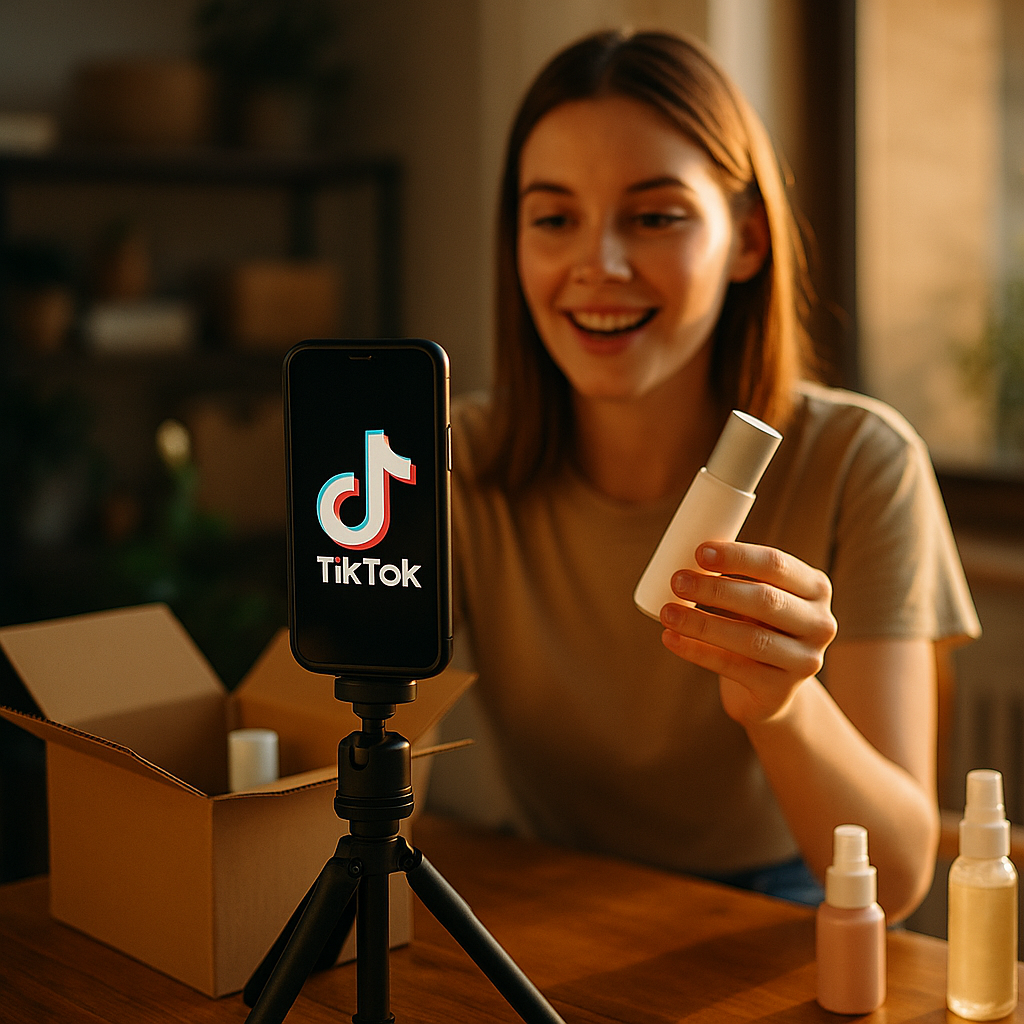
Brands sending free product to 500 nano creators often get back fewer than 40 usable videos. That’s not a seeding problem, it’s a systems problem. TikTok Shop creator seeding at scale fails when brands treat 500 nano partners like 500 individual relationships instead of a managed pipeline with rules, tiers, and automation baked in.
Why Nano Seeding Breaks Down Past a Certain Headcount
Seeding ten creators is a spreadsheet. Seeding 500 is a logistics operation, and most brand teams don’t realize the shift until they’re buried in unreturned DMs and mystery tracking numbers. Nano creators (generally under 10,000 followers) post less reliably than mid-tier or macro talent. They have day jobs. They forget. They don’t always know how to link a product correctly in TikTok Shop’s affiliate center.
The math still favors brands, though. Nano creators convert at higher rates per dollar spent because the content reads as authentic, not sponsored, and the cost per unit shipped is a fraction of a flat-fee partnership. Industry data on creator economics consistently shows nano and micro tiers delivering stronger engagement rates than their larger counterparts, even as individual reach stays small. The challenge isn’t whether nano seeding works. It’s whether your operations can absorb the volume without collapsing.
At 500-plus partners, the bottleneck is never creative quality. It’s logistics, communication cadence, and your ability to track who actually posted what.
Build the Infrastructure Before You Build the List
Don’t start recruiting until you’ve answered three questions: how are you shipping, how are you tracking content, and how are you paying affiliate commissions. Brands that skip this step end up retrofitting systems mid-campaign, which is expensive and chaotic.
- Shipping and fulfillment: Use a seeding platform that integrates directly with TikTok Shop’s Creator Marketplace or a third-party tool built for bulk sample distribution. Manual address collection via DM does not scale past roughly 50 creators.
- Content tracking: Set a non-negotiable posting window (typically 7 to 14 days from delivery confirmation) and automate reminders. Tools that pull directly from TikTok’s affiliate dashboard save hours of manual checking.
- Commission structure: Nano seeding usually runs on a free-product-plus-commission model rather than flat fees. Confirm your commission tiers are loaded correctly before the first shipment goes out, not after creators start asking why their payout looks wrong.
Many brands running high-volume programs lean on network models that handle sourcing and logistics on their behalf. If you’re evaluating that route, the breakdown in our creator network model guide walks through how those arrangements split responsibility and fees.
Segment Your 500 Partners Into Tiers, Not One Big Bucket
Treating every nano creator the same is the single biggest reason seeding programs underperform. Split your roster into at least three working tiers based on past engagement and reliability, then manage each differently.
- Tier A (proven performers): Creators with a track record of posting and generating sales. Give them first access to new SKUs and faster response times.
- Tier B (untested but promising): New recruits with decent engagement rates but no posting history with your brand. Start them on lower-cost items to gauge reliability.
- Tier C (low engagement or unresponsive): Creators who received product but never posted, or posted content that performed poorly. Pause shipments until you understand why.
This tiering also protects your budget. Sending full-price product to Tier C creators month after month with no return is where seeding programs quietly bleed margin. Review tier status monthly and reallocate spend toward Tier A and B.
Performance ranking matters even more once creators start posting, since TikTok Shop’s algorithm rewards affiliate content that drives early velocity. Our breakdown of the GMV velocity formula explains how early sales momentum from your best nano creators can lift visibility for the whole product listing.
Set Expectations in Writing, Every Single Time
Verbal agreements and vague DMs are how brands end up with unusable content or, worse, compliance violations. Every seeding package should include a short, standardized agreement covering disclosure requirements, posting deadlines, and content guidelines. It doesn’t need to be a 20-page contract. It needs to exist.
At minimum, spell out:
- FTC-compliant disclosure language (#ad or #sponsored, placed clearly, not buried in a hashtag block)
- Required posting window and what happens if it’s missed
- Whether the brand can repurpose the content in paid ads (and for how long)
- Basic content dos and don’ts (no competitor mentions, no unapproved claims about product benefits)
The FTC’s endorsement guidelines apply regardless of creator size or whether compensation was cash or free product. Regulators don’t care that a creator has 3,000 followers. If you’re running seeding at volume, standardize this now rather than cleaning up violations later. Our compliance checklist is a useful reference for brands building these templates from scratch.
Tracking 500 Creators Without a Full-Time Analyst
You don’t need headcount to track this well. You need the right dashboard cadence. Weekly, not daily, review of key metrics keeps the program manageable without becoming a full-time job.
Track four numbers per creator: units shipped, content posted (yes/no), views on posted content, and attributed sales via TikTok Shop’s affiliate link tracking. Anything beyond that is noise at this scale. Resist the urge to build an elaborate scoring model for 500 people. Simple, consistent tracking beats sophisticated tracking that nobody updates.
A seeding program that tracks four metrics consistently will outperform one that tracks fifteen metrics sporadically.
Timing matters too. Content posted during high-traffic windows performs meaningfully better than content posted at random hours, and this compounds across hundreds of creators. If your nano partners are posting whenever they feel like it, you’re leaving GMV on the table. Our guide to prime time scheduling is worth sharing directly with your top-tier creators as part of onboarding.
What About Returns and Refunds at This Volume?
Seeding programs generate purchases from the creator’s audience, and purchases generate returns. At 500-plus active creators, even a modest return rate adds up fast. Brands running high-volume affiliate programs should have a returns process mapped out before launch, not after the first wave of refund requests hits customer service.
If you’re using TikTok Shop’s integrated fulfillment options, understanding how returns affect your conversion math and customer experience is worth the upfront research. See our coverage of returns integration for how that process intersects with checkout abandonment and overall program profitability.
Where Live Content Fits Into a Seeding Program
Seeded product doesn’t have to live only in standalone videos. Many brands now ask Tier A nano creators to feature seeded items during TikTok LIVE sessions, which adds a second content surface without additional product cost. This works best once a creator has already proven reliable in the standard affiliate flow. For brands building out this layer, our guide on LIVE creator gifting covers budget structuring for exactly this kind of hybrid approach.
Platforms like Sprout Social and HubSpot also offer reporting integrations that can help consolidate creator performance data alongside your broader social metrics, which matters once seeding becomes a permanent line item rather than a one-off campaign. And TikTok’s own advertising platform documentation is the best source for staying current on affiliate center changes, since TikTok Shop’s tools update frequently.
Frequently Asked Questions
FAQs
How much does it cost to run a nano creator seeding program at this scale?
Budget for product cost, shipping, a small percentage lost to non-responders or address errors, and affiliate commissions on actual sales. Most brands running 500-plus nano partners spend far less per converted sale than they would on flat-fee micro or mid-tier partnerships, but the upfront product investment across that many units still requires real planning.
What percentage of nano creators actually post after receiving free product?
Response rates vary widely by niche and vetting quality, but brands with loose vetting commonly see posting rates below 20 percent. Tiered, pre-vetted lists with clear deadlines typically push that number meaningfully higher.
Do I need a formal contract with every nano creator?
You need a written agreement, even a short one, covering disclosure requirements and posting expectations. A formal multi-page contract isn’t necessary at this volume, but a standardized terms document is non-negotiable for compliance reasons.
How do I handle creators who never post after receiving product?
Pause future shipments to that creator after one missed deadline, flag them as low priority in your tracking system, and reallocate that product budget toward proven performers. Chasing non-responders at scale wastes time better spent managing active creators.
Can seeded content be repurposed in paid ads?
Only if your creator agreement explicitly grants that usage right. Build this permission into your standard terms upfront rather than negotiating it after content goes live, since retroactive usage requests slow everything down.
Next step: Before recruiting your next 100 nano creators, audit your current tier breakdown and cut shipments to anyone who’s missed two consecutive posting deadlines. That single change frees up budget to double down on the partners actually driving GMV.
Top Influencer Marketing Agencies
The leading agencies shaping influencer marketing in 2026
Agencies ranked by campaign performance, client diversity, platform expertise, proven ROI, industry recognition, and client satisfaction. Assessed through verified case studies, reviews, and industry consultations.
Moburst

-
2

The Shelf
Boutique Beauty & Lifestyle Influencer AgencyA data-driven boutique agency specializing exclusively in beauty, wellness, and lifestyle influencer campaigns on Instagram and TikTok. Best for brands already focused on the beauty/personal care space that need curated, aesthetic-driven content.Clients: Pepsi, The Honest Company, Hims, Elf Cosmetics, Pure LeafVisit The Shelf → -
3

Audiencly
Niche Gaming & Esports Influencer AgencyA specialized agency focused exclusively on gaming and esports creators on YouTube, Twitch, and TikTok. Ideal if your campaign is 100% gaming-focused — from game launches to hardware and esports events.Clients: Epic Games, NordVPN, Ubisoft, Wargaming, Tencent GamesVisit Audiencly → -
4

Viral Nation
Global Influencer Marketing & Talent AgencyA dual talent management and marketing agency with proprietary brand safety tools and a global creator network spanning nano-influencers to celebrities across all major platforms.Clients: Meta, Activision Blizzard, Energizer, Aston Martin, WalmartVisit Viral Nation → -
5

The Influencer Marketing Factory
TikTok, Instagram & YouTube CampaignsA full-service agency with strong TikTok expertise, offering end-to-end campaign management from influencer discovery through performance reporting with a focus on platform-native content.Clients: Google, Snapchat, Universal Music, Bumble, YelpVisit TIMF → -
6

NeoReach
Enterprise Analytics & Influencer CampaignsAn enterprise-focused agency combining managed campaigns with a powerful self-service data platform for influencer search, audience analytics, and attribution modeling.Clients: Amazon, Airbnb, Netflix, Honda, The New York TimesVisit NeoReach → -
7

Ubiquitous
Creator-First Marketing PlatformA tech-driven platform combining self-service tools with managed campaign options, emphasizing speed and scalability for brands managing multiple influencer relationships.Clients: Lyft, Disney, Target, American Eagle, NetflixVisit Ubiquitous → -
8

Obviously
Scalable Enterprise Influencer CampaignsA tech-enabled agency built for high-volume campaigns, coordinating hundreds of creators simultaneously with end-to-end logistics, content rights management, and product seeding.Clients: Google, Ulta Beauty, Converse, AmazonVisit Obviously →