


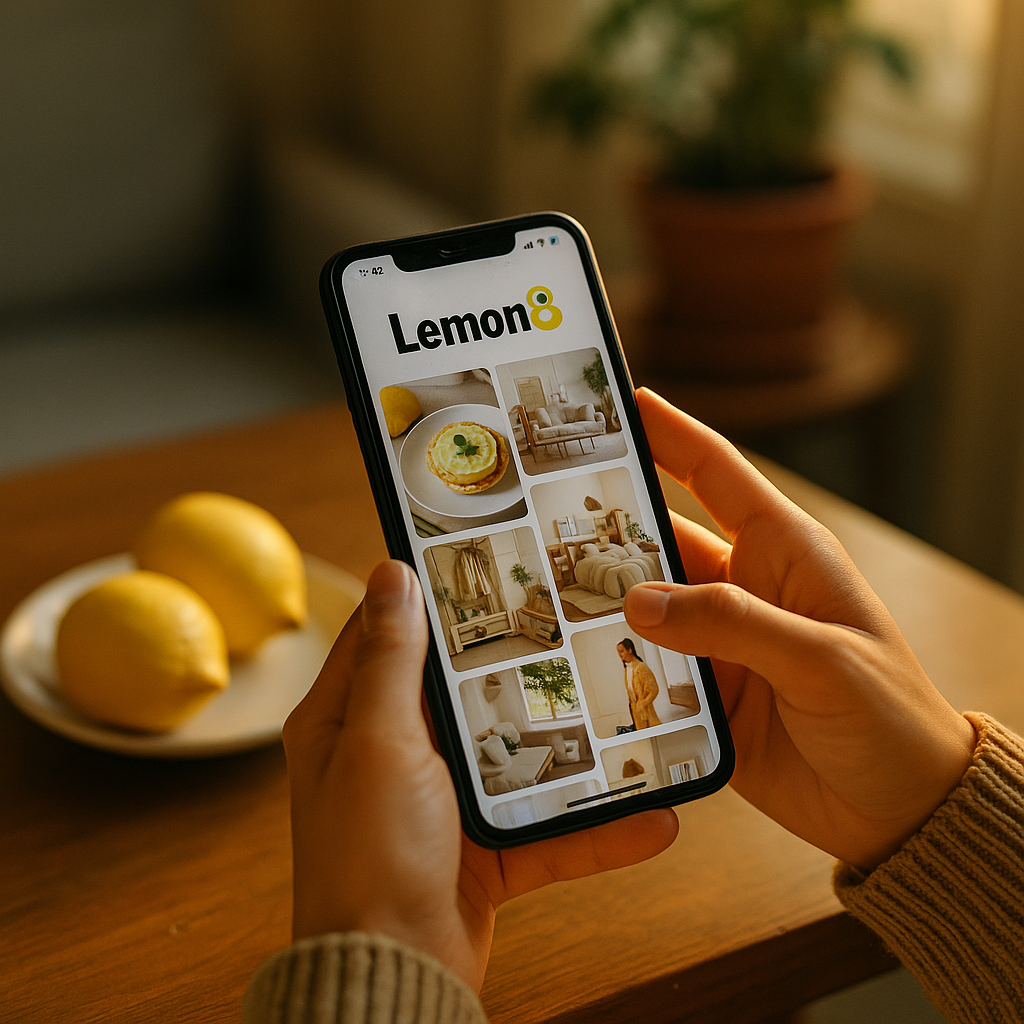
Lemon8 crossed 15 million monthly active users in the US within two years of its 2023 launch, yet most brand marketers still treat it as an afterthought. That’s the opportunity. Platforms in their early growth phase hand out reach that later gets rationed, gated, or sold back to you as an ad. If you’re waiting for Lemon8 to “prove itself” before testing a presence there, you’re waiting for the exact moment the algorithm stops being generous.
Lemon8 Is Still a Blank Canvas, and That Won’t Last
Every platform has a window. TikTok had one in 2019 and 2020, when organic reach was absurd and creators built six-figure followings posting from their bedrooms. Threads had a shorter one. Bluesky is arguably in the middle of its own right now, as covered in our early mover brand guide. Lemon8 is following the same arc, and the pattern is predictable: low competition for keywords and hashtags, algorithmic curiosity rather than strict personalization, and a content pool that hasn’t been flooded with polished brand ads yet.
ByteDance owns Lemon8, which means the underlying recommendation logic shares DNA with TikTok’s “For You” engine. That’s not a minor detail. It means the platform is built to surface content based on engagement signals rather than follower count, and it means brands that understand TikTok’s early-days playbook already have a head start on Lemon8’s.
Platforms rarely announce when their algorithm “matures.” You only notice in hindsight, once organic reach has quietly collapsed and every brand is paying for the same visibility a creator used to get for free.
What Makes Lemon8 Different From Pinterest and Instagram?
Lemon8 markets itself as a hybrid of Pinterest’s discovery mechanics and Instagram’s social layer, with a magazine-style card format that favors text overlays, curated aesthetics, and listicle-style posts (“5 skincare products that actually work,” “my apartment on a budget”). The content leans heavily into beauty, fashion, home decor, food, and wellness, which makes it a strong fit for lifestyle and CPG brands and a weaker fit for B2B or utility categories.
Unlike Instagram, where algorithmic reach is heavily tied to existing audience relationships, Lemon8’s discovery feed behaves more like a search engine crossed with a recommendation engine. A post from an account with 200 followers can outperform one from an account with 50,000, provided it hits the right combination of save rate, dwell time, and keyword relevance. That’s the core reason brands should move now: the ranking factors still reward quality and novelty over scale.
Early Entry Tactics for Brands
Here’s where the tactical work starts. Treat Lemon8 the way you’d treat any new acquisition channel in its growth phase: low financial risk, high informational upside.
- Claim category keywords before they get competitive. Lemon8’s search and discovery functions reward posts that use specific, searchable phrases in titles and captions, similar to Pinterest SEO. Identify the terms your category owns (ingredients, product categories, use cases) and seed content around them before larger competitors do.
- Seed with micro and nano creators first. The platform’s engagement-driven ranking means a small, highly engaged creator roster can outperform a single macro partnership. This mirrors the approach brands use in nano creator seeding programs on TikTok Shop, and the logic transfers almost directly.
- Prioritize save rate and dwell time over likes. Lemon8’s card format is built for “save for later” behavior. Content that functions as a reference guide, think checklists, routines, comparison grids, tends to earn saves, which appears to carry disproportionate algorithmic weight.
- Repurpose, don’t reinvent. Pull from existing Pinterest-style or carousel content you’ve already produced. Lemon8’s format rewards the same visual density that performs on Pinterest, so your production costs stay low while you test.
- Run a 90-day listening phase before committing budget. Post consistently, track what format and topic combinations get traction, and resist the urge to scale spend until you have your own data, not just platform hype.
How Should Brands Vet Lemon8 Creators Right Now?
Vetting on an immature platform is trickier because the usual trust signals, audience size, follower authenticity scores, third-party verification tools, are thinner than on established networks. A few practical safeguards:
- Check cross-platform consistency. Most active Lemon8 creators also post on Instagram or TikTok. Compare their engagement patterns across platforms to spot inflated numbers.
- Ask for screenshots of Lemon8’s native analytics (save rate, click-through, post reach) rather than relying on follower count alone.
- Start with gifted product or flat-fee micro-deals rather than large retainer contracts. You’re testing fit, not locking in a long-term roster.
- Document FTC disclosure compliance from day one. Even on a newer platform, the FTC’s endorsement guidelines apply fully, and Lemon8’s in-app disclosure tools are still less mature than TikTok’s or Instagram’s, so manual oversight matters more here.
Content Formats That Perform Right Now
Based on current engagement patterns, a handful of formats consistently surface in Lemon8’s discovery feed: “get ready with me” sequences broken into card steps, before-and-after transformations, budget breakdowns, and curated product roundups framed as personal recommendations rather than ads. Straight product photography without narrative framing underperforms badly. The platform’s users expect an editorial voice, closer to a lifestyle blog than a storefront.
This is worth internalizing: Lemon8 punishes content that reads as an advertisement and rewards content that reads as advice. Brands that can’t make that shift, either directly or through creator partners, will struggle regardless of how early they enter.
Is the Algorithm Actually “Immature,” or Just Less Understood?
Fair question. Lemon8 hasn’t published detailed ranking documentation the way TikTok or Meta periodically do, and third-party research is still thin compared to the volume available for Instagram or established platforms tracked by Sprout Social. Some of what looks like “generosity” could simply be a smaller, less saturated creator pool rather than an algorithm bias toward new accounts.
Either way, the practical effect for brands is the same: less competition for attention, lower cost to test, and more room to define what “category leader” looks like before anyone else claims the position. eMarketer’s creator economy research consistently shows that early entrants on emerging platforms capture disproportionate long-term brand recall, even after the platform matures and costs rise.
Budget: How Much Should You Commit Before Scaling?
Keep initial Lemon8 budgets modest and treat them as learning spend, not performance spend. A reasonable starting allocation: 3 to 5 percent of whatever you’d commit to a comparable test on a platform like Pinterest or a newer entrant such as the one covered in our Xiaohongshu market entry playbook. That’s enough to run a meaningful creator seeding program without betting the quarter on an unproven channel.
Benchmark your creator rates against what you’re already paying on Instagram, since Lemon8’s rate card is still loosely defined and heavily negotiable. Our Instagram Reels pricing guide is a useful anchor point for fair-value negotiation, since most Lemon8 creators haven’t settled on standardized rates yet and will often take your opening offer as the benchmark going forward.
Plan for a 90 to 120 day evaluation window before deciding whether to formalize a larger program, the same cautious-but-committed approach we recommend in our Threads budgeting and vetting guide and the Snapchat Spotlight budget framework.
What Happens Once the Algorithm Matures?
Expect three things, in roughly this order: paid promotion tools get more sophisticated and start gating organic reach, influencer rate cards standardize and rise, and brand competition for the same keywords and creators intensifies. This is the exact trajectory HubSpot’s marketing research has documented across nearly every social platform’s lifecycle. None of this is bad for brands already established with an audience and creator relationships. It’s bad for brands still deciding whether to show up.
Next Step
Don’t wait for a case study to justify testing Lemon8. Allocate a small, time-boxed budget now, seed five to ten micro creators around your category’s core search terms, and measure save rate and dwell time over 90 days before deciding whether to scale. The brands that build audience equity during this window will own it long after the algorithm stops being generous.
FAQs
Is Lemon8 worth testing for a brand outside beauty and lifestyle categories?
It’s harder but not impossible. Food, home, fitness, and personal finance brands have found traction by adapting content to the platform’s editorial, list-based style. B2B and purely utilitarian product categories tend to see weak engagement.
How is Lemon8 different from Pinterest for brand marketing?
Pinterest is primarily a visual search and planning tool, while Lemon8 blends that discovery function with social engagement and a more personality-driven, blog-like content style. Brands generally need a creator voice on Lemon8, whereas Pinterest performs well with branded, non-creator content.
What size creator should brands start with on Lemon8?
Micro and nano creators, roughly 1,000 to 50,000 followers, tend to deliver the best early results because the algorithm weighs engagement quality over follower count. Save a macro creator budget for once you understand what content formats actually convert.
Does Lemon8 have a formal creator marketplace or ad platform yet?
Lemon8’s monetization and advertising tools are still developing compared to mature platforms. Most brand activity currently runs through direct creator outreach and gifted or flat-fee partnerships rather than a self-serve ad auction.
How do FTC disclosure rules apply to Lemon8 content?
The same way they apply everywhere else. Creators must clearly disclose paid or gifted partnerships, and brands are responsible for ensuring compliance even when the platform’s native disclosure tools are less robust than those on Instagram or TikTok.
Top Influencer Marketing Agencies
The leading agencies shaping influencer marketing in 2026
Agencies ranked by campaign performance, client diversity, platform expertise, proven ROI, industry recognition, and client satisfaction. Assessed through verified case studies, reviews, and industry consultations.
Moburst

-
2

The Shelf
Boutique Beauty & Lifestyle Influencer AgencyA data-driven boutique agency specializing exclusively in beauty, wellness, and lifestyle influencer campaigns on Instagram and TikTok. Best for brands already focused on the beauty/personal care space that need curated, aesthetic-driven content.Clients: Pepsi, The Honest Company, Hims, Elf Cosmetics, Pure LeafVisit The Shelf → -
3

Audiencly
Niche Gaming & Esports Influencer AgencyA specialized agency focused exclusively on gaming and esports creators on YouTube, Twitch, and TikTok. Ideal if your campaign is 100% gaming-focused — from game launches to hardware and esports events.Clients: Epic Games, NordVPN, Ubisoft, Wargaming, Tencent GamesVisit Audiencly → -
4

Viral Nation
Global Influencer Marketing & Talent AgencyA dual talent management and marketing agency with proprietary brand safety tools and a global creator network spanning nano-influencers to celebrities across all major platforms.Clients: Meta, Activision Blizzard, Energizer, Aston Martin, WalmartVisit Viral Nation → -
5

The Influencer Marketing Factory
TikTok, Instagram & YouTube CampaignsA full-service agency with strong TikTok expertise, offering end-to-end campaign management from influencer discovery through performance reporting with a focus on platform-native content.Clients: Google, Snapchat, Universal Music, Bumble, YelpVisit TIMF → -
6

NeoReach
Enterprise Analytics & Influencer CampaignsAn enterprise-focused agency combining managed campaigns with a powerful self-service data platform for influencer search, audience analytics, and attribution modeling.Clients: Amazon, Airbnb, Netflix, Honda, The New York TimesVisit NeoReach → -
7

Ubiquitous
Creator-First Marketing PlatformA tech-driven platform combining self-service tools with managed campaign options, emphasizing speed and scalability for brands managing multiple influencer relationships.Clients: Lyft, Disney, Target, American Eagle, NetflixVisit Ubiquitous → -
8

Obviously
Scalable Enterprise Influencer CampaignsA tech-enabled agency built for high-volume campaigns, coordinating hundreds of creators simultaneously with end-to-end logistics, content rights management, and product seeding.Clients: Google, Ulta Beauty, Converse, AmazonVisit Obviously →