


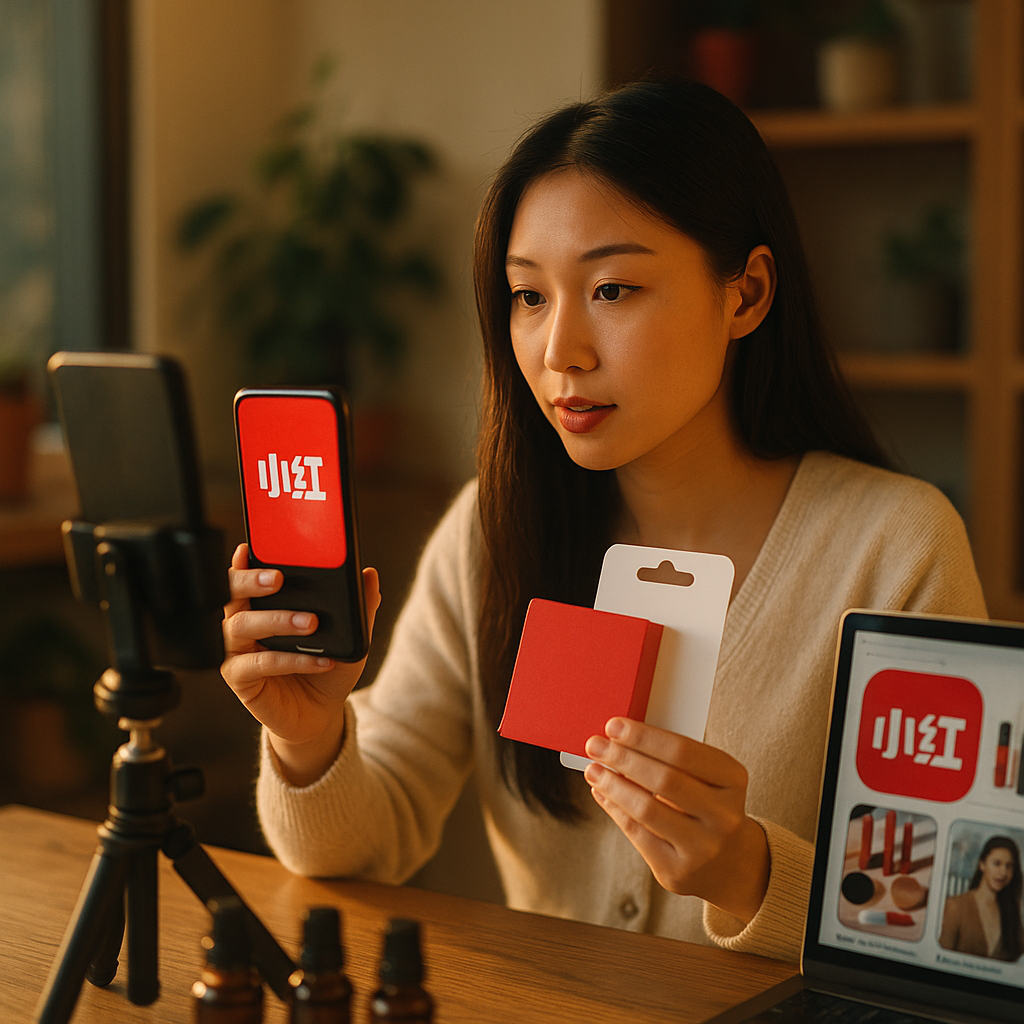
Xiaohongshu market entry isn’t a side quest anymore. The platform, rebranded in Western headlines as RedNote after a brief TikTok refugee moment, now counts over 300 million monthly active users and influences purchase decisions for an estimated 70% of Chinese consumers researching a product before they buy it. If your brand still treats it as a curiosity instead of a channel, you’re already behind the competitors who aren’t.
Why Western Brands Keep Underestimating This Platform
Xiaohongshu (literally “Little Red Book”) sits at the intersection of Pinterest’s discovery mechanics and Instagram’s aspirational content, but with a commerce layer baked directly into the user journey. Search intent on the platform is closer to Google than to a typical social feed. Users type “best retinol for sensitive skin” the way an American consumer might type it into a search bar, and they expect genuine, detailed answers from creators, not polished ad copy.
That search-first behavior is exactly why so many Western brands stumble. They port over a TikTok or Instagram brief, complete with hashtag strategy and a 15-second hook, and wonder why engagement flatlines. Xiaohongshu rewards long-form, note-style content (part blog, part photo essay) that reads like a trusted friend’s recommendation. Treat it like a repackaged Reels strategy and you’ll burn budget fast.
Brands that localize creator briefs for Xiaohongshu’s note format see engagement rates two to three times higher than those reusing Western short-video scripts, according to agency benchmarking shared across the creator economy sector.
Who Actually Moves Product on Xiaohongshu
Forget the KOL (Key Opinion Leader) obsession that defined early China market entries. The real purchase drivers today are KOCs (Key Opinion Consumers), everyday users with 5,000 to 50,000 followers who post candid reviews. Their credibility comes precisely from not looking like paid talent.
- KOL (mega and macro): Best for awareness campaigns and brand legitimacy signals, but increasingly viewed with skepticism by younger users.
- KOC (micro and nano): The workhorses of conversion. Budget-friendly, high-volume, and essential for seeding search results with organic-feeling notes.
- KOS (Key Opinion Sales): A newer category, these are livestream-capable creators who blend influence with direct selling, similar to the staffing models brands have built for livestream commerce on other platforms.
A smart entry mix usually looks like 70% KOC, 20% mid-tier KOL, and 10% top-tier KOL for a quarterly launch push. Flip that ratio and you’ll spend your budget on vanity metrics instead of search visibility.
The MCN Question: Build, Buy, or Partner?
Here’s the operational reality nobody puts on the slide deck: you cannot run a serious Xiaohongshu program without a Multi-Channel Network (MCN) relationship or a licensed local partner. Chinese platform rules require businesses to register a verified account, often tied to a local business license, before running paid promotions or accessing the brand-side analytics dashboard.
Most Western brands go one of three routes:
- Full in-house build: Hire a China-based social lead, register the entity, manage creator relationships directly. High control, slow ramp, significant overhead.
- MCN partnership: License an established network’s creator roster and platform relationships. Faster launch, but you’re renting access rather than owning it.
- Agency-of-record hybrid: A Western agency with a Shanghai or Shenzhen office manages the MCN relationship on your behalf. Middle ground on speed and cost.
Whichever route you pick, budget three to six months before your first paid note goes live. That’s not red tape for its own sake. It’s the platform’s way of filtering out brands that won’t invest in doing it properly.
Compliance Isn’t Optional, It’s the Entry Fee
If you’re used to navigating FTC disclosure rules in the US or ASA guidance in the UK, Xiaohongshu’s compliance environment will feel both familiar and unfamiliar. Sponsored content must be labeled, but enforcement leans heavily on algorithmic detection rather than user reporting, meaning undisclosed paid notes get throttled or removed faster than you’d expect from Western platforms.
Data handling is the bigger landmine. Cross-border data transfer rules under China’s regulatory framework affect anything from customer survey data to influencer payment records. Western legal teams accustomed to reviewing contracts under GDPR or FTC disclosure standards need a parallel playbook for Chinese data residency requirements. This isn’t a box you tick once. It’s an ongoing operational constraint that shapes which tools and vendors you can even use.
Brands that have already built rigorous disclosure and payment compliance muscle elsewhere, the kind documented in guides like payment security compliance checklists for other creator platforms, will find the discipline transfers. The specifics don’t, but the habit of treating compliance as a launch gate rather than an afterthought absolutely does.
What the First Ninety Days Should Look Like
Resist the urge to launch wide. A disciplined entry sequence looks something like this:
- Weeks one through four: Account verification, MCN or agency selection, competitive note audit (study what’s already ranking for your category’s search terms).
- Weeks five through eight: Seed 15 to 25 KOC notes focused on search-intent keywords, not brand hashtags. Measure saves and comments, not just views.
- Weeks nine through twelve: Layer in two to three mid-tier KOLs for amplification, test a small paid boost on top-performing organic notes, and build your first conversion funnel to either Xiaohongshu’s native store or an external storefront.
Saves and comment sentiment matter more than view count here. A note with 2,000 views and 400 saves is outperforming a note with 50,000 views and 20 saves, because saves signal purchase intent and comment-driven search ranking.
This phased approach mirrors the GMV velocity thinking that’s reshaped affiliate strategy on other commerce-enabled platforms, where ranking formulas reward sustained momentum over one-off spikes. Xiaohongshu’s search algorithm rewards the same kind of compounding content strategy.
Creator Vetting Looks Different Here
Western brands often lean on follower count and engagement rate as proxy metrics for creator quality. On Xiaohongshu, those numbers can be misleading because of regional follower-buying practices that predate current platform crackdowns. Vet creators on three additional signals: comment authenticity (do replies read like real conversations or bot filler?), note consistency (daily or near-daily posting beats sporadic viral hits), and category credibility (has this creator built a reputation in skincare, or are they jumping between unrelated verticals for quick payouts?).
This is also where brand safety tooling, the kind increasingly standard for creator sourcing on other platforms, becomes relevant even if the specific vendors don’t operate in China yet. The underlying diligence framework, checking for fraud, verifying audience quality, and screening for brand-safety red flags, should apply regardless of platform.
Budget Reality Check
Expect to spend less per creator than you would on Instagram or YouTube, but more on the infrastructure around creators: translation, cultural localization review, MCN management fees, and compliance counsel. A reasonable entry-quarter budget split for a mid-market brand looks like 40% creator fees, 25% MCN or agency management, 20% paid amplification, and 15% held in reserve for compliance or legal consultation.
Platforms are also diversifying brand options the way emerging social platforms have expanded creator economy choices elsewhere, and Xiaohongshu is no exception, rolling out new ad formats and store integrations that didn’t exist a year ago. Budget flexibility matters because the toolset is still evolving.
According to eMarketer’s creator economy research, cross-border social commerce spend continues climbing as Western brands chase Chinese consumer wallets, and platform data tracked by Statista shows Xiaohongshu’s user base skewing heavily toward urban, higher-income women aged 18 to 35, a demographic with outsized discretionary spending power.
Pitfalls That Sink Otherwise Solid Launches
A few recurring mistakes show up across brand postmortems:
- Translating ad copy instead of rewriting for local search behavior and cultural nuance.
- Skipping the business account verification step and running creator campaigns from a personal account, which risks suspension.
- Underinvesting in KOC volume because mid-tier KOL fees feel more “efficient” on paper.
- Ignoring comment moderation, which on this platform doubles as both customer service and SEO signal.
None of these are exotic problems. They’re the same localization discipline gaps that trip up brands entering any unfamiliar platform ecosystem, just with higher stakes given the regulatory backdrop. For teams building out broader social strategy playbooks, the same operational rigor covered in resources like HubSpot’s marketing strategy guides or Sprout Social’s platform benchmarking applies, just translated (literally) for a different regulatory and cultural context.
FAQs
What is Xiaohongshu and why is it called RedNote in Western media?
Xiaohongshu is a Chinese social commerce and discovery platform combining lifestyle content with integrated shopping features. It picked up the nickname RedNote in Western coverage when a wave of US users joined the app during a brief TikTok uncertainty period, drawing mainstream attention to a platform that had previously flown under the radar outside China.
Do Western brands need a Chinese business license to advertise on Xiaohongshu?
In most cases, yes. Running verified business accounts and paid promotions typically requires a registered business entity or a licensed local partner, which is why most Western brands work through an MCN or agency-of-record rather than attempting a fully independent launch.
How is Xiaohongshu different from TikTok or Instagram for creator marketing?
Xiaohongshu functions more like a search engine than a social feed. Users actively search for product recommendations, and long-form “notes” with genuine detail outperform polished short-video ads. Creator vetting also leans more heavily on comment authenticity and posting consistency than raw follower counts.
What budget should a brand allocate for a first Xiaohongshu campaign?
Entry-level programs often run leaner on individual creator fees than Western platforms but require more spend on MCN management, localization, and compliance review. A common split is roughly 40% creator fees, 25% management, 20% paid amplification, and 15% reserved for legal and compliance costs.
How long does it take to see results from a Xiaohongshu creator campaign?
Most brands should plan for a three to six month runway before launch (for account verification and MCN setup) and another 90 days of active seeding before meaningful search ranking and conversion data emerges. This isn’t a platform suited to quick-hit campaigns.
Next step: before committing budget, run a two-week competitive note audit against your category’s top search terms on Xiaohongshu. If your closest competitor already has 50+ organic notes ranking, you’re not early anymore, you’re playing catch-up, and your entry plan should reflect that urgency.
FAQs
What is Xiaohongshu and why is it called RedNote in Western media?
Xiaohongshu is a Chinese social commerce and discovery platform combining lifestyle content with integrated shopping features. It picked up the nickname RedNote in Western coverage when a wave of US users joined the app during a brief TikTok uncertainty period, drawing mainstream attention to a platform that had previously flown under the radar outside China.
Do Western brands need a Chinese business license to advertise on Xiaohongshu?
In most cases, yes. Running verified business accounts and paid promotions typically requires a registered business entity or a licensed local partner, which is why most Western brands work through an MCN or agency-of-record rather than attempting a fully independent launch.
How is Xiaohongshu different from TikTok or Instagram for creator marketing?
Xiaohongshu functions more like a search engine than a social feed. Users actively search for product recommendations, and long-form “notes” with genuine detail outperform polished short-video ads. Creator vetting also leans more heavily on comment authenticity and posting consistency than raw follower counts.
What budget should a brand allocate for a first Xiaohongshu campaign?
Entry-level programs often run leaner on individual creator fees than Western platforms but require more spend on MCN management, localization, and compliance review. A common split is roughly 40% creator fees, 25% management, 20% paid amplification, and 15% reserved for legal and compliance costs.
How long does it take to see results from a Xiaohongshu creator campaign?
Most brands should plan for a three to six month runway before launch (for account verification and MCN setup) and another 90 days of active seeding before meaningful search ranking and conversion data emerges. This isn’t a platform suited to quick-hit campaigns.
Top Influencer Marketing Agencies
The leading agencies shaping influencer marketing in 2026
Agencies ranked by campaign performance, client diversity, platform expertise, proven ROI, industry recognition, and client satisfaction. Assessed through verified case studies, reviews, and industry consultations.
Moburst

-
2

The Shelf
Boutique Beauty & Lifestyle Influencer AgencyA data-driven boutique agency specializing exclusively in beauty, wellness, and lifestyle influencer campaigns on Instagram and TikTok. Best for brands already focused on the beauty/personal care space that need curated, aesthetic-driven content.Clients: Pepsi, The Honest Company, Hims, Elf Cosmetics, Pure LeafVisit The Shelf → -
3

Audiencly
Niche Gaming & Esports Influencer AgencyA specialized agency focused exclusively on gaming and esports creators on YouTube, Twitch, and TikTok. Ideal if your campaign is 100% gaming-focused — from game launches to hardware and esports events.Clients: Epic Games, NordVPN, Ubisoft, Wargaming, Tencent GamesVisit Audiencly → -
4

Viral Nation
Global Influencer Marketing & Talent AgencyA dual talent management and marketing agency with proprietary brand safety tools and a global creator network spanning nano-influencers to celebrities across all major platforms.Clients: Meta, Activision Blizzard, Energizer, Aston Martin, WalmartVisit Viral Nation → -
5

The Influencer Marketing Factory
TikTok, Instagram & YouTube CampaignsA full-service agency with strong TikTok expertise, offering end-to-end campaign management from influencer discovery through performance reporting with a focus on platform-native content.Clients: Google, Snapchat, Universal Music, Bumble, YelpVisit TIMF → -
6

NeoReach
Enterprise Analytics & Influencer CampaignsAn enterprise-focused agency combining managed campaigns with a powerful self-service data platform for influencer search, audience analytics, and attribution modeling.Clients: Amazon, Airbnb, Netflix, Honda, The New York TimesVisit NeoReach → -
7

Ubiquitous
Creator-First Marketing PlatformA tech-driven platform combining self-service tools with managed campaign options, emphasizing speed and scalability for brands managing multiple influencer relationships.Clients: Lyft, Disney, Target, American Eagle, NetflixVisit Ubiquitous → -
8

Obviously
Scalable Enterprise Influencer CampaignsA tech-enabled agency built for high-volume campaigns, coordinating hundreds of creators simultaneously with end-to-end logistics, content rights management, and product seeding.Clients: Google, Ulta Beauty, Converse, AmazonVisit Obviously →